


Introduction: The Pursuit of Mass De-compounding
In aerospace design, every gram of weight saved has a “compounding” effect: lower mass requires less structural support, smaller engines, and less fuel, which in turn reduces total take-off weight. While aluminum and titanium remain the industry’s workhorses, magnesium is reclaiming its status as a strategic necessity. It offers a unique intersection of extreme low density and high manufacturability, bridging the gap between structural requirements and production scalability.
Industry leaders like Shanghai Miji Magnesium Industry Co., Ltd. are moving beyond simple material supply, providing integrated solutions that align raw material properties with the stringent tolerances of modern flight systems.
The Engineering Logic: Why Magnesium?
Specific Strength and System-Wide Mass Reduction
Magnesium’s primary appeal is its density—roughly 33% lighter than aluminum and 75% lighter than steel. However, the decision to use magnesium isn’t based on weight alone; it’s based on specific strength (strength-to-weight ratio).
By utilizing magnesium in non-load-critical or semi-structural components, engineers can achieve several objectives:
- Mass Reallocation: Weight saved in the airframe can be redirected to critical payload or advanced avionics.
- Inertia Reduction: Lower mass in moving parts improves the dynamic response of flight control surfaces and rotating assemblies.
- Geometric Stiffness: Magnesium allows for thicker cross-sections than heavier metals without a weight penalty, increasing the local stiffness of panels and housings.
Vibration Damping and Dynamic Stability
Aerospace environments are inherently violent, characterized by high-frequency resonance and cyclic loading. Magnesium alloys possess high internal friction, allowing them to absorb mechanical energy and dampen vibrations more effectively than aluminum.
This makes them the preferred choice for:
- Avionics Enclosures: Protecting sensitive crystals and solder joints from vibration-induced failure.
- UAV Airframes: Reducing “jello effect” in sensors and improving flight stability.
- Cabin Interiors: Minimizing noise, vibration, and harshness (NVH) for passenger comfort.
Strategic Aerospace Applications
1. Structural Components and Modular Frames
While magnesium isn’t typically used for primary wing spars, it is becoming the standard for secondary structures. This includes seat frames, stowage compartments, and complex brackets. In the rapidly expanding UAV sector, magnesium’s ability to be high-pressure die-cast allows for complex, single-piece frames that reduce assembly time and part count.
2. Avionics and Electronic Integration
Modern aircraft are essentially data centers with wings. Magnesium alloys serve a dual purpose here:
- EMI Shielding: They naturally block electromagnetic interference, protecting flight computers.
- Precision Machining: Alloys like AZ31B allow for extremely tight tolerances in complex housings, ensuring hermetic seals for sensitive electronics.
3. Thermal Management
The power density of modern radar and communication modules generates significant heat. Magnesium’s thermal conductivity, combined with its low mass, makes it an ideal substrate for heat sinks and cold plates. It diffuses heat rapidly, preventing localized “hot spots” that can degrade electronic performance.
Selecting the Right Alloy: A Performance Matrix
Not all magnesium is created equal. The choice depends entirely on the operational envelope:
Engineers must look beyond tensile strength, focusing on the WE43 or EV31A series when operating temperatures exceed 150°C, as these rare-earth-stabilized alloys maintain their mechanical integrity where standard grades might creep.
Manufacturing and Quality Control
Precision is the baseline in aerospace. Magnesium’s excellent machinability allows for high-speed CNC processing with minimal tool wear, but the final flight-ready part requires more sophisticated treatment:
- Advanced Forging: Refines grain structure to maximize toughness and impact resistance.
- Surface Engineering: To combat magnesium’s natural reactivity, parts undergo high-spec anodizing or plasma electrolytic oxidation (PEO) to ensure long-term corrosion resistance in salt-spray environments.
Suppliers like Shanghai Miji Magnesium Industry bridge the gap between raw stock and final assembly by offering semi-finished components that meet ISO and AS9100-level standards, ensuring the material’s potential isn’t lost during the transition from plate to part.
Managing Risk: Corrosion and Flammability
The historical hesitation toward magnesium—centered on “the two Cs” (Corrosion and Combustion)—is largely solved by modern engineering.
- Corrosion: Modern high-purity alloys have significantly lower corrosion rates. When paired with advanced chemical conversion coatings and proper galvanic isolation, magnesium components can survive decades of service.
- Flammability: Solid magnesium components are difficult to ignite. Furthermore, rare-earth alloys (like WE43) are self-extinguishing and FAA-approved for use even in commercial aircraft cabins.
Conclusion: A Complementary Future
Magnesium is no longer a “niche” alternative; it is a fundamental component of a multi-material aerospace strategy. By pairing magnesium with carbon fiber and titanium, engineers can optimize every square inch of an aircraft for its specific load case.
For procurement and engineering teams, the priority is finding a partner who understands the nuance of the supply chain—from alloy purity to precision finishing. As we push toward more sustainable, fuel-efficient flight, magnesium will remain at the heart of the lightweight revolution.ution.
Warning: Undefined variable $current_category_id in /www/wwwroot/mijimg.com/wp-content/themes/v1/template-parts/single/products.php on line 47
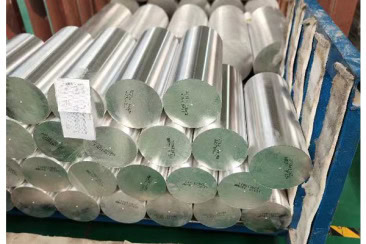
AZ91E magnesium alloy certification and quality document support from Miji Magnesium.
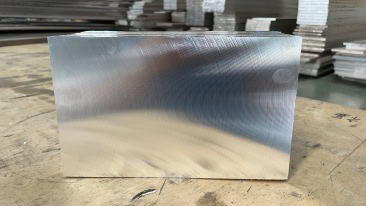
The company has advanced imported testing instruments such as spectrometer, tensile tester, and metallographic inspection to ensure the quality of products.
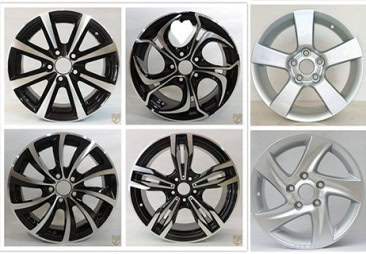
Casting magnesium alloy wheels is an advanced manufacturing process that offers several benefits for automotive applications.
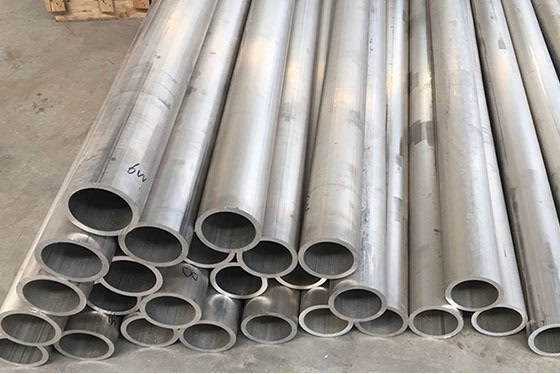
Miji Magnesium proudly introduces our line of Pure Magnesium Tubes, meticulously crafted to meet and exceed the most stringent quality benchmarks. Ideal for specialized applications requiring the highest purity levels, our product offers a range of unique advantages over alloy variants.
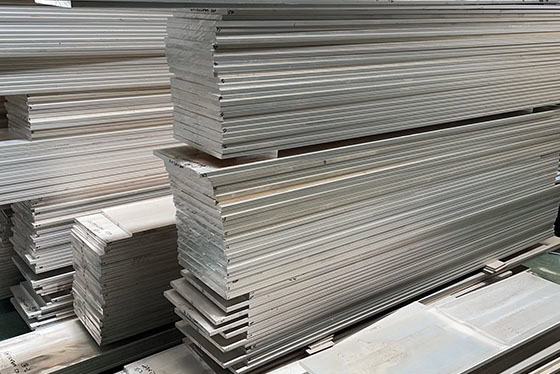
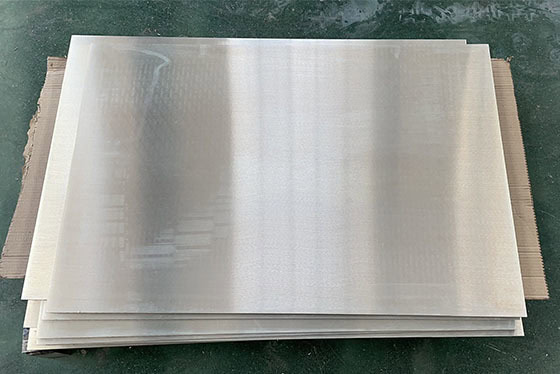
Size:600*900*(1.75-10)T Magnesium plates are revolutionizing the letterpress printing industry with their precision, durability, and exceptional quality. Specially crafted for the demands of letterpress, these plates offer an unmatched level of detail and consistency in printing
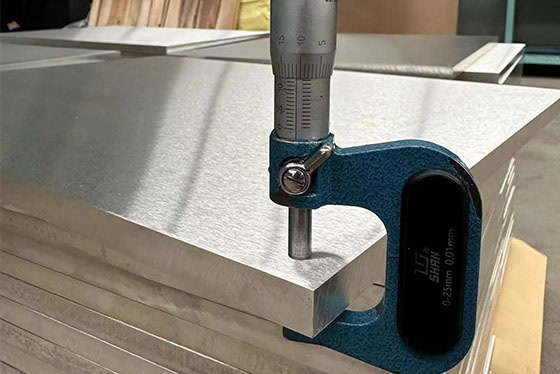
Miji magnesium provide AZ31B magnesium alloy in various forms, including plates, bars, profiles, and machined parts, and we can also custom-produce magnesium alloy products according to your drawings.

Choosing a magnesium extrusion alloy starts with the pr […]

AZ61A magnesium extrusion is a good fit when you need a […]

The gating ratio for aluminum and magnesium castings is […]

AZ80A magnesium forging is a practical option for light […]
AZ80A-T5 vs AZ80A-T6 is mainly a question about the rou […]

CNC machining AZ80A magnesium is usually straightforwar […]

AZ80A is usually the better candidate when a wrought ma […]

AZ31B is usually the easier starting point when a light […]
Ingate placement changes more than where metal enters a […]

Thixomolding vs magnesium die casting can both produce […]