

x
Send Your Inquiry Today


    Aluminum Plate

    Aluminum Plate

    Aluminum Plate Description

    Features:
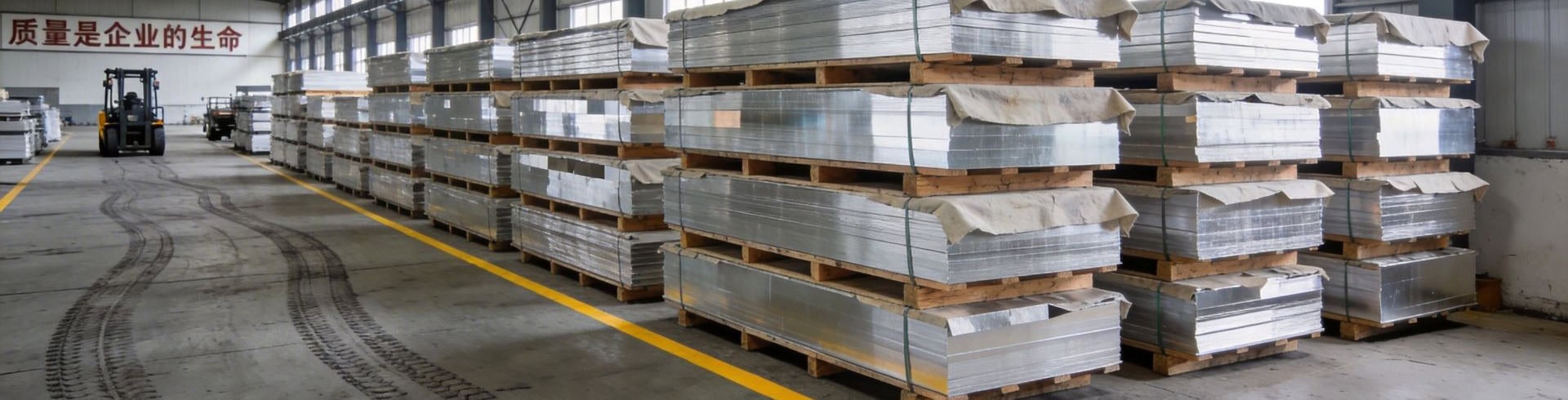
    Aluminum plates are lightweight, high-strength, and corrosion-resistant, making them suitable for applications requiring durability and reduced weight. With excellent machinability, weldability, and thermal conductivity, aluminum plates are widely used in industries where both structural performance and efficiency are critical. Their stable mechanical properties and resistance to environmental factors ensure reliable performance in demanding conditions, making them ideal for precision manufacturing and engineering.

    Applications:
    Aluminum plates are widely used across various industries:

    Industrial: Used in machinery, equipment, and structural components where lightweight materials and strength are essential for operational efficiency.

    Aerospace: Applied in aircraft structures, panels, and frames, reducing weight while maintaining strength and safety.

    Automotive: Used in body panels, chassis parts, and engine components, improving fuel efficiency and overall performance.

    Construction: Ideal for building structures, cladding, and architectural components requiring corrosion resistance and durability.

    Marine & Energy: Utilized in shipbuilding, offshore structures, and energy systems due to excellent corrosion resistance and strength.

    Miji Aluminum provides high-quality aluminum plates in various alloys, thicknesses, and specifications. We also offer customized production according to your requirements. If you have any needs, please contact us at sales@mijimg.com.
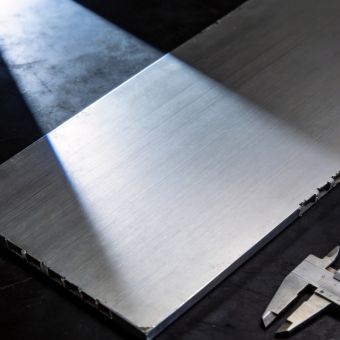
    Aluminum Plate 1050

    Lightweight, corrosion-resistant Aluminum 1050 plate with excellent formability, ideal for construction, automotive, and packaging.
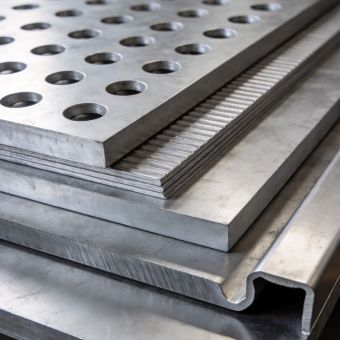
    Aluminum Plate 1060

    High-purity Aluminum 1060 plate, corrosion-resistant and easily fabricated, suitable for roofing, chemical equipment, and automotive panels.
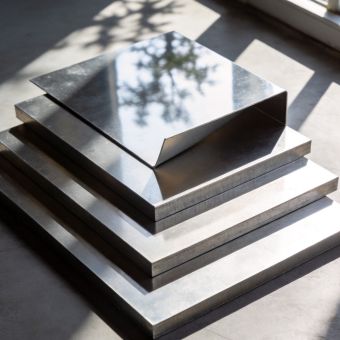
    Aluminum Plate 3003

    Aluminum 3003 plate, corrosion-resistant with good strength and formability, ideal for roofing, siding, and marine applications.
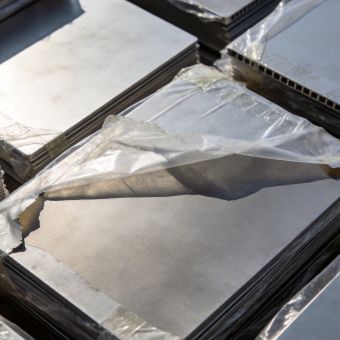
    Aluminum Plate 5052

    Aluminum 5052 plate, high corrosion resistance and excellent strength, perfect for marine, automotive, and chemical industry applications.

    Features of Aluminum Alloy

    Lightweight Performance
    Lightweight Performance

    Aluminum alloys offer low density (about one-third of steel), providing an excellent balance between weight reduction and structural strength for high-efficiency designs.

    High Strength-to-Weight Ratio
    High Strength-to-Weight Ratio

    Aluminum alloys provide high strength-to-weight performance, delivering structural durability and rigidity without adding excessive mass.

    Excellent Electrical Conductivity
    Excellent Electrical Conductivity

    Widely used in electrical and power transmission, aluminum alloys offer reliable conductivity, lightweight advantages, and cost efficiency for cables, busbars, and grid infrastructure.

    Corrosion Resistance
    Corrosion Resistance

    Aluminum alloys naturally develop a dense oxide layer on their surface, providing long-lasting corrosion resistance in various environments.

    High Recyclability
    High Recyclability

    Aluminum is highly recyclable without performance loss, supporting cost efficiency and sustainable manufacturing practices.

    Good Formability
    Good Formability

    Exhibits excellent formability at room and elevated temperatures, enabling complex shapes and precision components.

    Effective Thermal Conductivity
    Effective Thermal Conductivity

    Provides efficient heat dissipation, making it ideal for electronics, heat exchangers, and thermal management systems.

    Excellent Machinability
    Excellent Machinability

    Allows high-speed machining, tight tolerances, and efficient production of complex and precision-engineered parts.

    Applicantion Of Aluminum Plate

    Marine Industry
    Marine Industry
    In the marine industry, aluminum is extensively used for shipbuilding, yachts, and offshore structures due to its excellent corrosion resistance in seawater and lightweight properties. Its high strength-to-weight ratio enhances vessel performance and fuel efficiency, while its formability allows complex structural designs and durable, long-lasting marine components.
    Industrial Machinery
    Industrial Machinery
    In industrial machinery, aluminum is used to manufacture lightweight, corrosion-resistant components for equipment such as heat exchangers, pumps, valves, and chemical processing machinery. Its excellent strength-to-weight ratio, machinability, and durability enhance operational efficiency, reduce maintenance, and extend equipment lifespan.
    Electronics & Electrical Equipment
    Electronics & Electrical Equipment
    Heat Sinks and Casings: Aluminum’s thermal conductivity efficiently dissipates heat in laptops, servers, and LED lighting. EMI Shielding: Non-magnetic properties protect sensitive electronic components from electromagnetic interference.
    Custom Metal Letters
    Magnesium plate/sheet supplier

    Our goal is to offer you premium quality magnesium plates while respecting your sourcing priorities, such as quality control, certification, and logistics. For specific inquiries or customized orders, please feel free to contact us directly.

    • MOQ:We are willing to give you the support of 1kg order.

    • Pricing Structure
      AZ31B Magnesium Plates: Starting at $14 per kg for standard sizes.
      Specialty Grades: Prices vary; please inquire for a custom quote.
      Note: Prices are subject to change based on global commodity market fluctuations.

    • Payment and Discounts Payment Terms: 50% upfront, balance before shipment.
      Bulk Orders: Discounts are available for orders exceeding 10,00 kg.

    • Additional Costs Certification: $50 fee applies for third-party quality checks.
      Shipping: Costs depend on the destination and chosen shipping method.

    FAQ

    Q: What are the main advantages of aluminum alloys?
    A: They combine lightweight, high strength, corrosion resistance, good thermal conductivity, and excellent machinability, making them versatile across industries.
    Q: What industries commonly use aluminum alloys?
    A: Automotive, aerospace, electronics, construction, machinery, and consumer goods rely on aluminum for structural and functional components.
    Q: Can aluminum alloys be welded?
    A: Yes, aluminum alloys exhibit excellent weldability with TIG, MIG, and gas welding methods, though certain high-strength alloys may require specialized techniques.
    Q: How does aluminum perform in electromagnetic applications?
    A: Aluminum is non-magnetic and provides good electromagnetic interference (EMI) shielding, suitable for sensitive electronic housings.
    Scroll to Top