

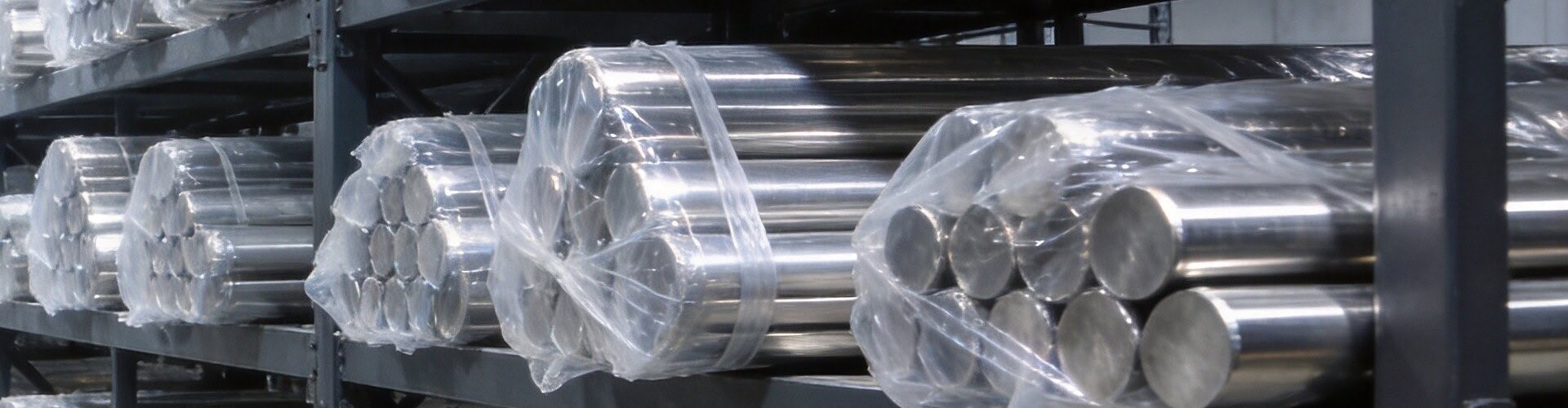
Titanium Rod
Titanium Rod Description
Features:
Titanium rods are lightweight, high-strength, and corrosion-resistant, making them suitable for demanding industrial, aerospace, and medical applications. Titanium’s excellent strength-to-weight ratio, fatigue resistance, and thermal stability make these rods ideal for precision engineering and high-performance components. Their good machinability and formability allow versatile fabrication while maintaining durability in extreme environments.
Applications:
Titanium rods are widely used in industries such as:
- Industrial: Structural components, machinery shafts, and high-performance equipment requiring strength, corrosion resistance, and operational efficiency.
- Aerospace: Engine components, airframe structures, and fasteners where weight reduction and high strength are critical.
- Automotive: Performance vehicle parts, chassis components, and exhaust systems to enhance fuel efficiency and reliability.
- Medical: Surgical instruments, implants, and prosthetic components due to biocompatibility and corrosion resistance.
Miji Magnesium provides a variety of titanium rods in different grades and specifications, and we can also custom-produce titanium alloy products according to your requirements. For inquiries, please contact: sales@mijimg.com.
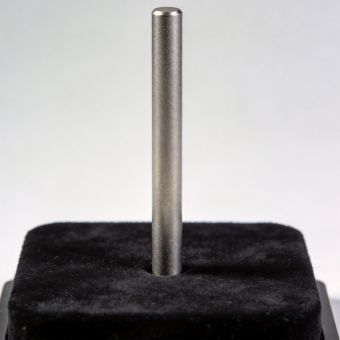
Grade 1 titanium rod, commercially pure and highly corrosion-resistant, ideal for chemical, marine, and industrial engineering applications.
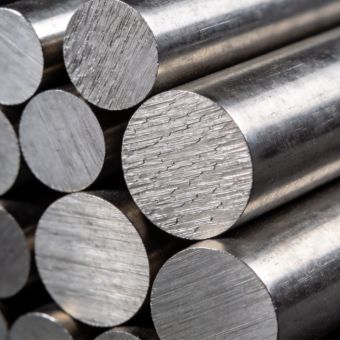
Grade 2 titanium rod, strong and corrosion-resistant, ideal for aerospace, automotive, chemical processing, and industrial applications.
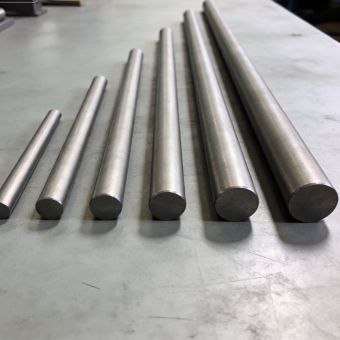
Grade 5 titanium rod (Ti-6Al-4V), high strength and fatigue-resistant, ideal for aerospace, medical, and high-performance engineering applications.
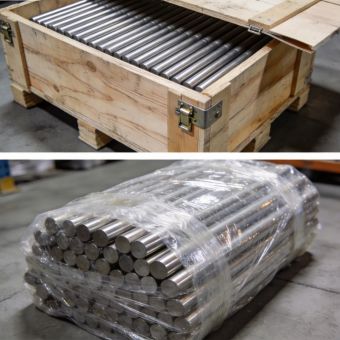
Grade 7 titanium rod, palladium-alloyed for superior corrosion resistance, ideal for chemical processing, marine, and high-corrosion applications.
Applicantion Of Titanium Rod
