

x
Send Your Inquiry Today


    Niobium Crucible

    Niobium Crucible

    Niobium Crucible Description

    Features:
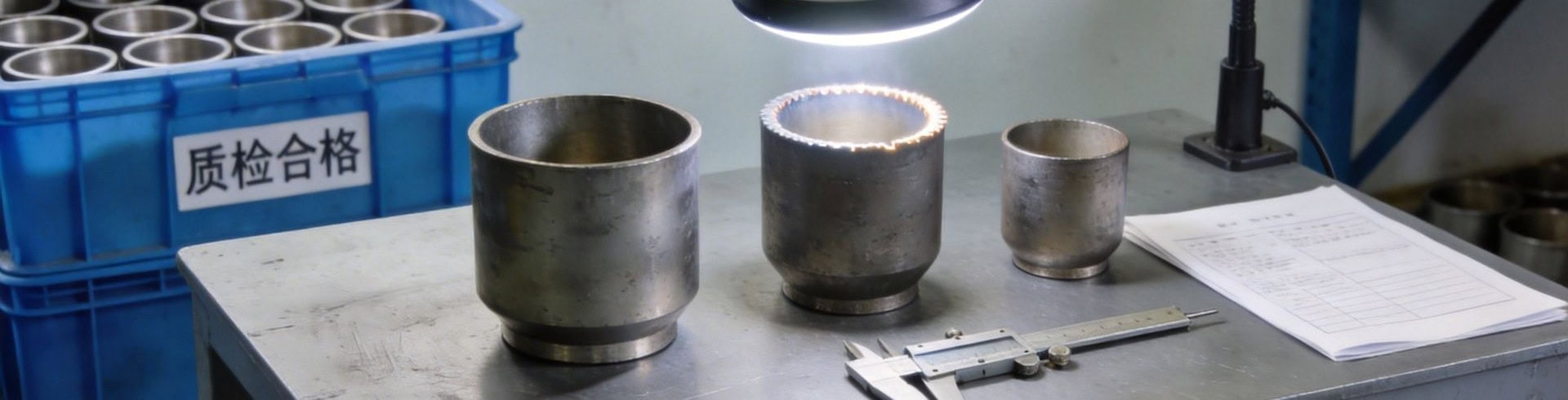
    Niobium crucibles offer excellent high-temperature resistance, corrosion resistance, and outstanding stability in vacuum and inert atmospheres, making them ideal for advanced thermal processing applications. Their strong resistance to chemical attack and oxidation ensures reliable performance in extreme environments. With good ductility and structural integrity, niobium crucibles are suitable for precision melting and material processing.

    Applications:
    Niobium crucibles are widely used in industries such as:

    • Metallurgy: Used for melting and processing reactive and high-purity metals under controlled conditions.
    • Aerospace: Applied in high-temperature material testing and alloy development.
    • Electronics: Suitable for semiconductor processing and crystal growth applications.
    • Chemical Processing: Ideal for handling corrosive materials and high-temperature chemical reactions.

    Miji Magnesium provides a range of niobium crucibles in various specifications and supports custom production according to your requirements. For inquiries, please contact: sales@mijimg.com
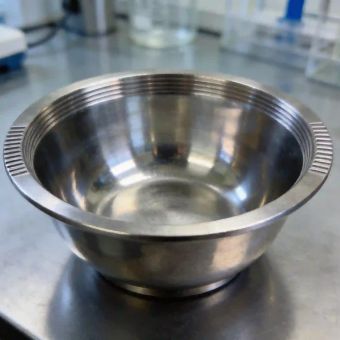
    Niobium Crucible Nb1

    High-purity Nb1 niobium crucible, excellent high-temperature and corrosion resistance, ideal for metal melting, crystal growth, and semiconductor use.
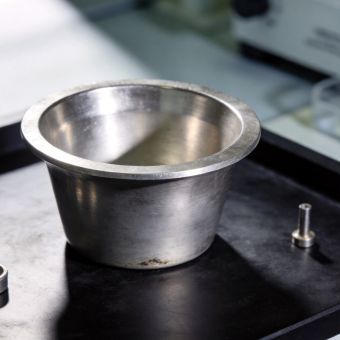
    Niobium Crucible Nb2

    Industrial-grade Nb2 niobium crucible, high-temperature stable and corrosion-resistant, suitable for metallurgy, chemical processing, and material melting.
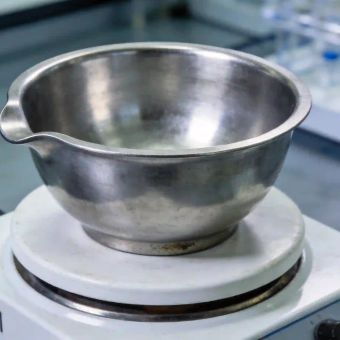
    Niobium Crucible NbTi

    NbTi niobium-titanium crucible, high-strength and heat-resistant, ideal for superconducting materials, advanced metallurgy, and aerospace applications.
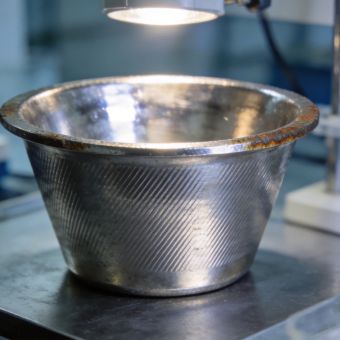
    Niobium Crucible NbZr

    NbZr niobium-zirconium crucible, high-strength and corrosion-resistant, ideal for high-temperature metallurgy, aerospace, and chemical processing.

    Features of Niobium Alloy

    Excellent Corrosion Resistance
    Excellent Corrosion Resistance

    Niobium alloys withstand oxidation, acidic conditions, and harsh corrosive environments, ensuring long-term durability and reliability.

    High Melting Point
    High Melting Point

    Niobium alloys can withstand extreme temperatures, making them suitable for high-temperature applications.

    Non-Magnetic Properties
    Non-Magnetic Properties

    Niobium alloys are non-magnetic, making them suitable for electromagnetic-sensitive environments and precision electronic housings.

    Compatibility with Other Metals
    Compatibility with Other Metals

    Can be alloyed with titanium, molybdenum, or tantalum to enhance specific properties for aerospace, nuclear, and chemical industries.

    High Recyclability
    High Recyclability

    Niobium is fully recyclable without degradation of properties, promoting sustainable manufacturing and cost efficiency.

    Superior Hot Formability
    Superior Hot Formability

    Niobium alloys exhibit excellent formability at elevated temperatures (typically 800–1200°C), allowing complex shaping for advanced components.

    Excellent Thermal Conductivity
    Excellent Thermal Conductivity

    Niobium alloys effectively dissipate heat, supporting high-performance applications in electronics, aerospace, and industrial systems.

    Superior Machinability
    Superior Machinability

    Niobium alloys allow precise machining with tight tolerances, enabling the manufacture of intricate and high-performance parts.

    Applicantion Of Niobium Crucible

    Aerospace Industry
    Aerospace Industry
    Structural Components: Niobium alloys are used for aircraft frames, brackets, and fasteners, providing high strength while reducing weight. Engine Parts: Turbine blades, exhaust components, and high-temperature engine sections benefit from niobium’s heat resistance and mechanical stability. Electronic Systems: Non-magnetic properties make niobium alloys ideal for avionics housings and EMI-sensitive electronics.
    Nuclear Industry
    Nuclear Industry
    In the nuclear industry, niobium is used in reactor components, fuel cladding, and structural parts due to its excellent corrosion resistance and ability to maintain mechanical stability under intense radiation and high-temperature conditions, ensuring safe and long-lasting reactor operation.
    Medical & Specialized Applications
    Medical & Specialized Applications
    Implants & Prosthetics: Biocompatibility allows niobium alloys to be used in orthopedic and dental implants. Scientific Instruments: Non-magnetic and thermally stable, niobium alloys are ideal for laboratory equipment, superconducting magnets, and detectors.
    Custom Metal Letters
    Magnesium plate/sheet supplier

    Our goal is to offer you premium quality magnesium plates while respecting your sourcing priorities, such as quality control, certification, and logistics. For specific inquiries or customized orders, please feel free to contact us directly.

    • MOQ:We are willing to give you the support of 1kg order.

    • Pricing Structure
      AZ31B Magnesium Plates: Starting at $14 per kg for standard sizes.
      Specialty Grades: Prices vary; please inquire for a custom quote.
      Note: Prices are subject to change based on global commodity market fluctuations.

    • Payment and Discounts Payment Terms: 50% upfront, balance before shipment.
      Bulk Orders: Discounts are available for orders exceeding 10,00 kg.

    • Additional Costs Certification: $50 fee applies for third-party quality checks.
      Shipping: Costs depend on the destination and chosen shipping method.

    FAQ

    Q: What are the key properties of niobium alloys?
    A: Niobium alloys are lightweight, corrosion-resistant, non-magnetic, and have excellent weldability, machinability, and thermal performance.
    Q: Which industries use niobium alloys?
    A: They are widely applied in aerospace, automotive, electronics, nuclear, chemical, and industrial equipment for structural, thermal, and electromagnetic-sensitive components.
    Q: Can niobium alloys be welded?
    A: Yes. Niobium alloys support TIG, electron beam, and gas-shielded arc welding, enabling strong, precise, and reliable joints.
    Q: How does niobium alloy perform under vibration?
    A: Niobium alloys absorb energy effectively due to their low elastic modulus, providing superior vibration and noise damping.
    Scroll to Top