

x
Send Your Inquiry Today


    Copper Foils

    Copper Foils

    Copper Foil Description

    Features:
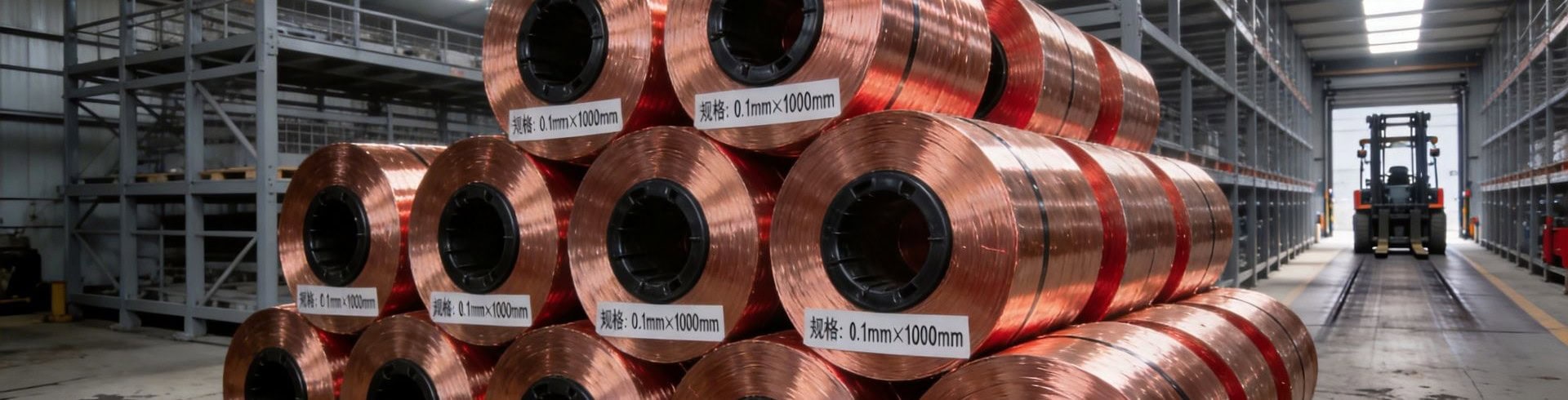
    Copper foils are ultra-thin, highly conductive, and corrosion-resistant materials, ideal for applications requiring precision and high electrical performance. With excellent flexibility, uniform thickness, and superior thermal conductivity, copper foils are easy to process, laminate, and integrate into complex systems. Their stable mechanical and chemical properties ensure reliable performance in demanding environments, making them essential for high-precision and high-efficiency applications.

    Applications:
    Copper foils are widely used in industries such as:

    Electronics: Used in printed circuit boards (PCBs), flexible circuits, and electronic shielding, ensuring high conductivity and signal stability.

    Energy & Battery: Applied in lithium-ion batteries as current collectors, improving energy efficiency and performance.

    Industrial: Used in heat transfer systems, electromagnetic shielding, and precision components requiring conductivity and flexibility.

    Automotive: Utilized in electric vehicles, battery systems, and electronic components, supporting high-performance and lightweight design.

    Miji Copper provides high-quality copper foils in various thicknesses and grades. We also offer customized solutions according to your specifications. If you have any requirements, please contact us at sales@mijimg.com.
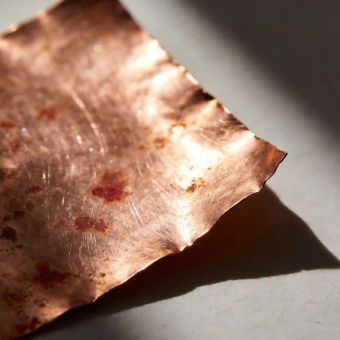
    Copper Foils C11000

    C11000 copper foil offers high conductivity, excellent flexibility, and corrosion resistance, ideal for PCBs, batteries, and electronic applications.
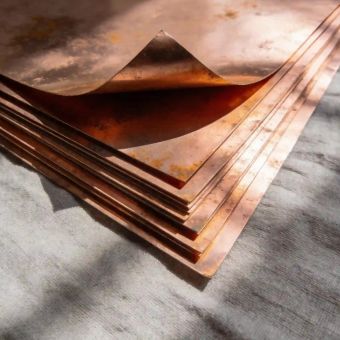
    Copper Foils C10200

    C10200 copper foil features high purity, superior conductivity, and excellent flexibility, ideal for precision electronics and high-performance PCBs.
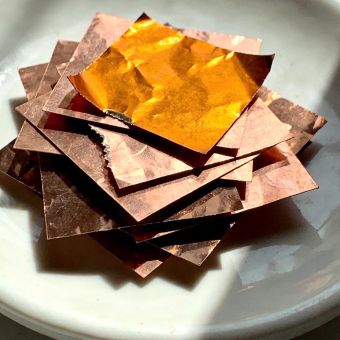
    Copper Foils C10100

    C10100 copper foil offers ultra-high purity, superior conductivity, and excellent flexibility, ideal for high-performance electronics and precision PCBs.
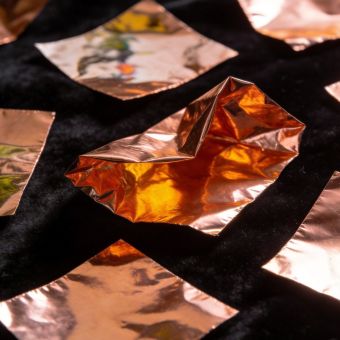
    Copper Foils C19400

    C19400 copper foil offers high strength, good conductivity, and excellent fatigue resistance, ideal for connectors, terminals, and precision electronic components.

    Features of Copper

    Excellent Electrical Conductivity
    Excellent Electrical Conductivity

    Copper naturally resists corrosion, providing durability and long service life in plumbing, roofing, and industrial applications.

    Excellent Weldability
    Excellent Weldability

    Copper supports TIG, MIG, and gas welding, enabling strong, reliable joints in assembly and fabrication.

    Non-Magnetic Properties
    Non-Magnetic Properties

    Copper is non-magnetic, suitable for EMI-sensitive applications and electrical shielding.

    Corrosion Resistance
    Corrosion Resistance

    In the atmosphere, copper forms a dense oxide layer on its surface, which prevents further corrosion.

    High Recyclability
    High Recyclability

    Copper is fully recyclable without loss of performance, reducing material costs and supporting sustainable production.

    Effective Heat Dissipation
    Effective Heat Dissipation

    Copper’s high thermal conductivity efficiently manages heat in electronics, industrial machinery, and cooling systems.

    High Thermal and Electrical Conductivity
    High Thermal and Electrical Conductivity

    Copper is an excellent conductor of heat and electricity, making it ideal for electrical wiring, heat exchangers, and electronic components.

    Good Formability
    Good Formability

    Copper’s ductility supports bending, stamping, and drawing processes, enabling the manufacture of intricate parts.

    Applicantion Of Copper Foils

    Heat Exchange Systems
    Heat Exchange Systems
    Copper is widely used in radiators, condensers, heat exchangers, and AC units due to its high thermal conductivity. Its efficient heat transfer, corrosion resistance, durability, and ease of fabrication enable reliable, compact, and high-performance cooling and heating systems.
    Energy Industry
    Energy Industry
    Copper is essential in the energy sector, used in wind turbines, solar systems, batteries, and grids. Its high electrical conductivity minimizes energy loss, while durability, corrosion resistance, and thermal conductivity ensure efficiency and longevity. Recyclable copper supports sustainable energy solutions.
    Electronics & Electrical Equipment
    Electronics & Electrical Equipment
    Printed Circuit Boards (PCBs): Copper provides high conductivity for traces and connections in electronics. Motors & Transformers: Copper windings improve efficiency, reduce energy losses, and ensure long-term reliability. EMI Shielding: Copper enclosures and films protect sensitive electronics from electromagnetic interference.
    Custom Metal Letters
    Magnesium plate/sheet supplier

    Our goal is to offer you premium quality magnesium plates while respecting your sourcing priorities, such as quality control, certification, and logistics. For specific inquiries or customized orders, please feel free to contact us directly.

    • MOQ:We are willing to give you the support of 1kg order.

    • Pricing Structure
      AZ31B Magnesium Plates: Starting at $14 per kg for standard sizes.
      Specialty Grades: Prices vary; please inquire for a custom quote.
      Note: Prices are subject to change based on global commodity market fluctuations.

    • Payment and Discounts Payment Terms: 50% upfront, balance before shipment.
      Bulk Orders: Discounts are available for orders exceeding 10,00 kg.

    • Additional Costs Certification: $50 fee applies for third-party quality checks.
      Shipping: Costs depend on the destination and chosen shipping method.

    FAQ

    Q: What are the main advantages of copper?
    A: Copper offers excellent electrical and thermal conductivity, corrosion resistance, machinability, formability, and high recyclability.
    Q: Which industries commonly use copper?
    A: Electrical and electronics, plumbing, HVAC, automotive, aerospace, construction, and industrial machinery rely on copper for conductive, structural, and thermal applications.
    Q: Can copper be welded?
    A: Yes, copper supports TIG, MIG, and gas welding. Careful control of heat input is needed to avoid warping or oxidation during welding.
    Q: How does copper perform in heat dissipation?
    A: Copper’s high thermal conductivity makes it ideal for heat sinks, cooling systems, and electronic components, efficiently managing thermal loads.
    Scroll to Top