
Magnesium Rolling
Magnesium Rolling Description
Features:
Magnesium rolling is a key processing method used to produce lightweight, high-strength magnesium sheets and plates with excellent surface quality and uniform thickness. Rolled magnesium materials offer superior mechanical properties, improved ductility, and enhanced dimensional accuracy. With excellent thermal conductivity and corrosion resistance, magnesium rolling ensures consistent performance in demanding engineering and industrial applications. This process is ideal for producing large-scale, high-precision magnesium products with reliable quality.
Applications:
Magnesium rolled products are widely used in industries such as:
Industrial: Used in high-performance machinery, structural panels, and components requiring lightweight strength and dimensional stability.
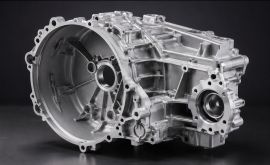
Aerospace: Applied in aircraft skins, structural panels, and lightweight components where weight reduction and performance are critical.
Automotive: Used for body panels, interior structures, and lightweight components to improve fuel efficiency and overall vehicle performance.
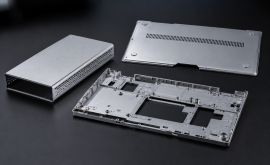
Electronics: Ideal for casings, enclosures, and structural parts in electronic devices, offering lightweight design and efficient heat dissipation.
Miji Magnesium provides high-quality magnesium rolling products across various alloy grades and thicknesses. We also offer customized rolling solutions according to your specifications to meet specific application requirements. If you have any requirements, please contact us at sales@mijimg.com.
- Magnesium Rolling – Precision Flat Products for Lightweight Engineering
Introduction to Magnesium Rolling
As industries continue to push toward lightweight and high-efficiency designs, magnesium rolling has become a critical process in modern material engineering. Unlike casting or machining, rolling transforms magnesium alloys into flat products such as sheets and plates with controlled thickness, improved microstructure, and enhanced mechanical consistency. For manufacturers, this is not just a processing method—it is a foundation for scalable, high-performance production.
Why Rolling Matters in Magnesium Processing
Magnesium alloys, while inherently lightweight, require precise processing to unlock their full potential. Rolling refines the internal grain structure, resulting in improved ductility and uniform mechanical properties. This is particularly important for applications where consistency across large surface areas is critical.
More importantly, rolling enables the production of wide, thin, and high-precision materials that cannot be efficiently achieved through other methods. This positions rolled magnesium as a preferred material form for industries demanding both performance and manufacturability.
Core Advantages of Rolled Magnesium Products
Uniform Thickness and Surface Quality
Rolling ensures consistent thickness and smooth surface finishes, reducing the need for secondary processing and improving downstream efficiency.
Enhanced Mechanical Properties
Through controlled deformation, rolling improves strength, ductility, and structural stability, making the material more reliable under stress.
Lightweight Efficiency at Scale
Rolled magnesium sheets and plates provide a scalable solution for large-area applications where weight reduction directly impacts performance.
Excellent Formability
Compared to other processing methods, rolled magnesium offers better formability, enabling bending, stamping, and shaping for complex applications.
Key Applications Across Industries
Aerospace Structures
Rolled magnesium is widely used in aircraft panels, interior structures, and lightweight assemblies. The ability to maintain strength while reducing weight contributes to improved efficiency and operational performance.
Automotive Body and Structural Parts
In automotive manufacturing, rolled magnesium sheets are used for body panels, interior frames, and structural reinforcements. This supports weight reduction strategies and enhances overall vehicle efficiency.
Electronics and Consumer Devices
For electronics, magnesium sheets provide an ideal balance of strength, weight, and thermal conductivity. They are commonly used in casings, enclosures, and heat-dissipating structures.
Industrial Equipment
Rolled magnesium materials are also used in machinery panels, structural components, and equipment housings where durability and lightweight performance are essential.
Rolling Process and Technical Expertise
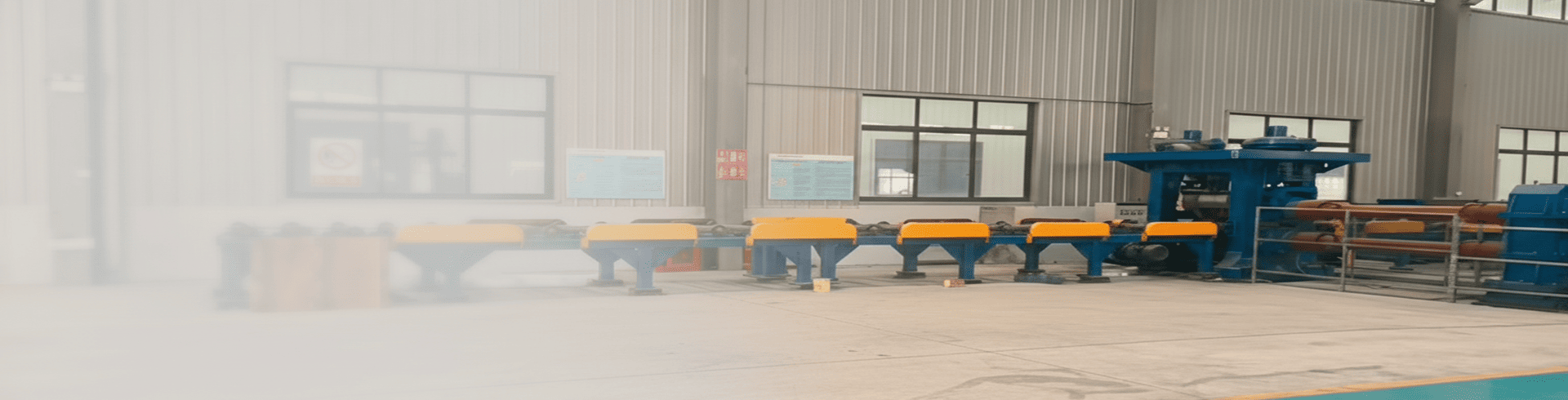
Magnesium rolling involves multiple stages, including hot rolling and cold rolling, each designed to achieve specific material characteristics. Temperature control, rolling speed, and alloy selection play critical roles in determining final performance.
Expertise in rolling is essential to avoid defects such as cracking or uneven thickness. Advanced production lines and strict quality control ensure that rolled magnesium products meet the high standards required by global industries.
Why Choose Miji Magnesium
Miji Magnesium combines advanced rolling technology with deep material expertise to deliver high-quality magnesium sheets and plates. We focus on consistency, surface quality, and mechanical performance, ensuring that every product meets the requirements of demanding applications.
Our customization capabilities allow clients to specify dimensions, alloy grades, and performance characteristics, making us a reliable partner for both standard and specialized projects.
Conclusion
Magnesium rolling is more than a manufacturing process—it is a strategic enabler for lightweight engineering and scalable production. By delivering uniform, high-performance flat products, rolling allows industries to optimize design, improve efficiency, and maintain structural reliability.
With the right expertise and production capabilities, rolled magnesium becomes a powerful solution for modern engineering challenges, offering both performance and long-term value.
Applications & Global Partners


Applicantion Of Magnesium Rolling