
Magnesium alloy welding
Magnesium Alloy Welding Description
Features:
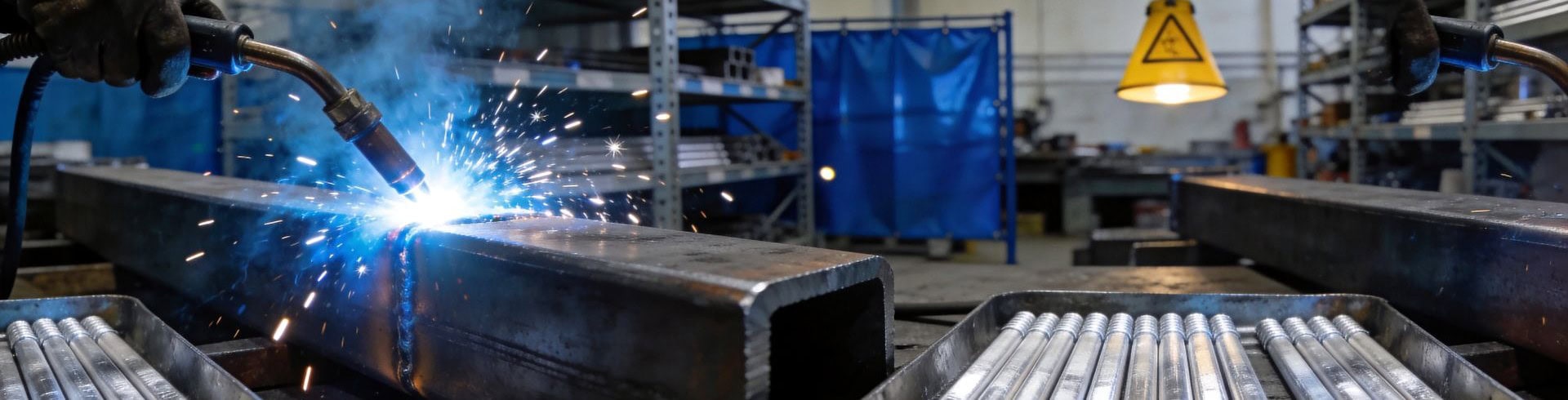
Magnesium alloy welding provides lightweight, high-strength, and corrosion-resistant joining solutions, ideal for precision and structural applications. With excellent weldability and thermal conductivity, magnesium alloys can be effectively welded using TIG, MIG, or arc welding techniques. These welding solutions ensure strong, reliable joints while maintaining the lightweight and mechanical properties of magnesium materials, making them suitable for demanding industrial, automotive, and aerospace environments.
Applications:
Magnesium alloy welding is widely used in industries such as:
Industrial: For welding high-performance machinery components, structural parts, and precision assemblies requiring strength and weight reduction.
Aerospace: Ideal for joining aircraft frames, structural components, and lightweight assemblies where strength and durability are critical.
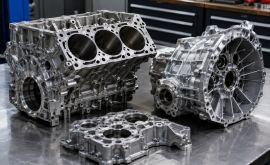
Automotive: Used in welding vehicle frames, engine components, and lightweight structural parts to improve fuel efficiency and overall performance.
Electronics: Suitable for welding magnesium housings, casings, and frames, combining lightweight design with structural integrity.
Miji Magnesium provides high-quality magnesium alloy welding solutions with support for various alloy grades. We can also customize magnesium welding products according to your specifications. If you have any requirements, please contact us at sales@mijimg.com.
- Magnesium Alloy Welding | Expert Lightweight & High-Strength Joining Solutions
Introduction to Magnesium Alloy Welding
In today’s industrial landscape, the demand for lightweight, high-strength materials has never been higher. Magnesium alloys stand out as one of the most effective solutions for reducing weight without compromising strength. However, joining magnesium components requires specialized techniques to ensure structural integrity, durability, and long-term performance. Magnesium alloy welding is the preferred method for creating reliable, high-quality connections in aerospace, automotive, electronics, and precision industrial applications.
Why Magnesium Alloys Require Specialized Welding
Magnesium alloys offer exceptional properties, including low density, high strength-to-weight ratio, and excellent thermal conductivity. These advantages, however, pose unique challenges during welding. Magnesium has a high thermal expansion coefficient, making it sensitive to heat input, and improper welding can lead to cracks, porosity, or weak joints. Expert handling, proper welding techniques, and precise control of heat input are essential to maintain the mechanical properties of the alloy while achieving strong, durable welds.
Key Applications Across Industries
Aerospace
Lightweight structures are critical in aerospace to optimize fuel efficiency and performance. Magnesium alloy welding enables the creation of aircraft frames, structural components, and support elements that maintain strength while minimizing weight.
Automotive
The automotive sector leverages magnesium welding for lightweight chassis parts, engine brackets, and structural supports. Reduced weight directly translates to better fuel efficiency and improved vehicle handling without sacrificing safety or durability.
Electronics and Industrial Equipment
Magnesium welding is also ideal for electronic housings, precision machinery, and industrial equipment where structural integrity and weight reduction are both priorities. Properly welded magnesium components enhance device performance, reduce wear, and support long-term operational reliability.
Welding Techniques for Magnesium Alloys
Common welding methods include TIG (Tungsten Inert Gas) welding, MIG (Metal Inert Gas) welding, and friction stir welding for specific high-performance alloys. Each method is selected based on the alloy type, component thickness, and the desired performance characteristics. Precision and control during welding ensure minimal defects and maintain the corrosion resistance and mechanical strength of the magnesium components.
Benefits of Professional Magnesium Alloy Welding
Weight Reduction – Magnesium welding allows for lighter structures, improving efficiency and performance across applications.
Enhanced Structural Integrity – Properly welded joints maintain the strength of the parent material, reducing risk of failure.
Corrosion Resistance – High-quality welding preserves the protective properties of magnesium alloys.
Design Flexibility – Welding enables complex geometries and integration of multiple components without compromising performance.
Why Choose Miji Magnesium for Magnesium Alloy Welding
Miji Magnesium provides expert magnesium welding solutions backed by decades of material science knowledge and advanced production capabilities. Our team ensures precise heat control, minimal distortion, and durable welds across various magnesium alloy grades. Whether for aerospace, automotive, or industrial applications, we offer custom solutions tailored to your project requirements, ensuring reliability and performance in every joint.
Conclusion
Magnesium alloy welding is more than a joining process—it is a strategic solution for industries demanding lightweight, high-strength, and durable materials. By combining expert techniques with high-quality alloys, businesses can achieve superior performance, extended lifespan, and competitive advantages in manufacturing and product design. Partnering with a trusted provider like Miji Magnesium ensures that every welded component meets the highest standards of quality and reliability.
Applications & Global Partners


Applicantion Of Magnesium alloy welding