

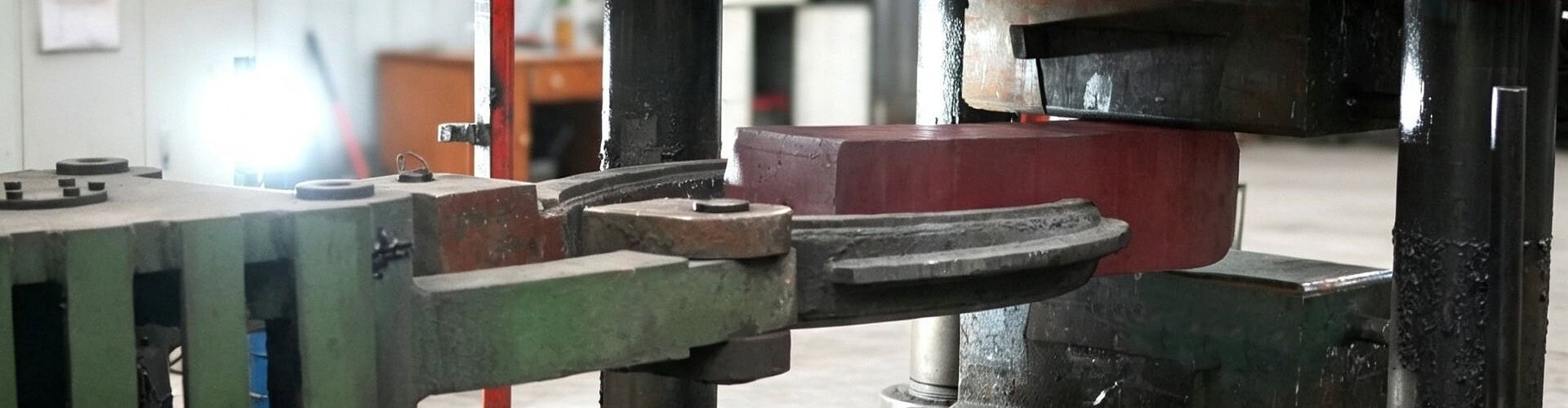
Custom Magnesium Forging Manufacturer & Machining Supplier
Miji Magnesium supplies custom magnesium alloy forgings for lightweight structural and performance-critical applications. We support projects from drawing review and alloy selection through forging, heat treatment, CNC machining, inspection, and export delivery.
- AZ31B, AZ61A, AZ80A, ZK60A, WE43 and project-specific alloy options
- Open-die and closed-die forging options
- Forged blanks, rough-machined preforms, or finished components
- Material certificates and project-specific inspection reports
- Prototype, low-volume, and production project support
Request a Forging Quote Send Your Drawing
For a faster engineering review, send your STEP/PDF drawing, alloy grade, dimensions, quantity, required properties, machining allowance, and inspection requirements.
Magnesium Forging Capabilities at a Glance
The final manufacturing route depends on alloy, geometry, part size, mechanical-property requirements, production volume, and the amount of machining required after forging. The following table should be completed with confirmed production data before publication.
| Capability | Available Options |
|---|---|
| Forging process | Open-die forging, closed-die forging, upset forging [CONFIRM AVAILABLE PROCESSES] |
| Magnesium alloys | AZ31B, AZ61A, AZ80A, ZK60A, WE43 [CONFIRM GRADES] |
| Starting material | Billet, bar, block, or engineered preform |
| Delivery condition | As-forged, heat-treated, rough-machined, or CNC-finished |
| Part weight range | [CONFIRM MINIMUM AND MAXIMUM WEIGHT] |
| Maximum dimensions | [CONFIRM MAXIMUM LENGTH, WIDTH, DIAMETER, AND HEIGHT] |
| Press capacity | [CONFIRM PRESS TYPE, TONNAGE, AND QUANTITY] |
| Production volume | Prototype, low-volume, and production quantities [CONFIRM MOQ] |
| Tooling | Customer tooling or custom die development [CONFIRM IN-HOUSE OR QUALIFIED PARTNER] |
| Heat treatment | [CONFIRM AVAILABLE TEMPERS AND HEAT-TREATMENT ROUTES] |
| CNC machining | Milling, turning, drilling, boring, tapping, and critical-feature finishing |
| Surface finishing | [CONFIRM CONVERSION COATING, PAINTING, PLATING, OR OTHER OPTIONS] |
| Inspection | Dimensional inspection, CMM, mechanical testing, and NDT/UT when specified [CONFIRM] |
| Documentation | Material certificate, dimensional report, FAI, CMM report, and project-specific inspection documents |
| Typical lead time | Tooling: [CONFIRM]; samples: [CONFIRM]; production: [CONFIRM] |
Custom Magnesium Forging Products
Forged Magnesium Blocks and Blanks
Forged stock for subsequent CNC machining, structural components, tooling, supports, and other applications that benefit from controlled material flow and improved integrity. Blanks can be supplied as-forged, saw-cut, heat-treated, or rough-machined.
Closed-Die Magnesium Forgings
Custom near-net-shape forgings for repeatable production. Closed-die forging can reduce material removal and create a part geometry closer to the final component, subject to draft, parting-line, material-flow, and tooling requirements.
Open-Die Magnesium Forgings
Open-die options for simple shapes, blocks, discs, rings, shafts, and low-volume or larger preforms. Final feasibility depends on alloy, dimensions, press capacity, and required mechanical properties.
Forged and CNC-Machined Parts
Forging followed by milling, turning, drilling, tapping, deburring, inspection, and surface finishing. This route is suitable when the final component requires precision mounting faces, bores, threads, sealing surfaces, or assembly interfaces.
Magnesium Alloys for Forging
The correct alloy should be selected from the part function, forging route, service temperature, strength and fatigue requirements, corrosion strategy, machining plan, and specification—not from alloy popularity alone.
| Alloy | Selection Direction | Typical Product Direction |
|---|---|---|
| AZ31B | Practical wrought alloy with good workability and machinability | General forgings, machined structural parts, brackets, and lightweight components |
| AZ61A | Balance of strength, workability, and availability | Industrial and structural forgings |
| AZ80A | Higher-strength wrought-alloy direction | Load-bearing and performance-oriented forgings |
| ZK60A | High specific strength and fatigue-performance direction | High-performance structural components |
| WE43 | Elevated-temperature and demanding performance direction | Aerospace, motorsport, and high-requirement components |
Important: Alloy availability, specification, temper, minimum order, and achievable properties must be confirmed for each project.
Open-Die vs. Closed-Die Magnesium Forging
| Factor | Open-Die Forging | Closed-Die Forging |
|---|---|---|
| Best suited for | Simple shapes, blanks, lower volumes, and larger preforms | Repeatable near-net-shape components and stable production designs |
| Tooling | Lower tooling complexity in many cases | Dedicated dies normally required |
| Geometry | Less complex | More detailed, subject to forging design rules |
| Machining | Usually requires more material removal | Can reduce post-forge material removal |
| Volume | Prototype and lower-volume directions | More attractive for repeat production |
Forging + CNC Machining from One Supply Chain
Most magnesium forgings still require machining of functional features. Miji can supply a forged blank or coordinate post-forge CNC machining according to the final drawing and inspection plan.
- CNC milling and turning
- Drilling, boring, reaming, and tapping
- Datum and mounting-surface machining
- Critical-hole and interface finishing
- Deburring, cleaning, and surface preparation
- Dimensional inspection and project-specific reports
For detailed machining information, see our magnesium alloy CNC machining capabilities.
From Drawing to Finished Magnesium Forging
- Drawing and application review: We review geometry, alloy, load direction, critical properties, quantity, specification, and delivery condition.
- Alloy and process selection: The proposed route is matched to the product form, service environment, forging method, heat treatment, and machining plan.
- DFM and feasibility review: Material flow, draft, parting line, radii, machining allowance, distortion risk, and inspection access are evaluated.
- Tooling and preform planning: Tooling scope and starting-stock geometry are defined when custom dies are required.
- Controlled-temperature forging: Material preparation, heating, deformation, and trimming are managed according to the approved route.
- Heat treatment and secondary processing: Heat treatment, shot blasting, straightening, or other required operations are completed as specified.
- CNC machining: Critical surfaces, holes, threads, and interfaces are machined to the drawing.
- Inspection and delivery: Required documents are reviewed before protective packaging and export delivery.
Forging Equipment and Production Capacity
Replace the following placeholders with photographs and verified equipment data. Procurement teams use these details to determine whether a supplier can manufacture their part.
[CONFIRM PRESS NAME]
- Press type: [CONFIRM]
- Capacity: [CONFIRM TONNAGE]
- Working envelope: [CONFIRM]
- Suitable part range: [CONFIRM]
Tooling and Heating Equipment
- Die development: [IN-HOUSE / QUALIFIED PARTNER]
- Heating equipment: [CONFIRM]
- Temperature monitoring: [CONFIRM]
- Heat treatment: [IN-HOUSE / QUALIFIED PARTNER]
Quality Control for Magnesium Forgings
Inspection is defined according to the drawing, alloy specification, application risk, production volume, and customer requirements. Not every inspection method is required for every order.
| Inspection Item | Available Method or Document |
|---|---|
| Material identity | Material or mill certificate |
| Chemical composition | Supplier certificate or verified test report [CONFIRM] |
| Dimensions | Calipers, micrometers, gauges, and CMM where required |
| Internal quality | Ultrasonic or other NDT when specified [CONFIRM METHODS] |
| Mechanical properties | Tensile, hardness, or project-specific testing [CONFIRM] |
| First article | FAI report when required |
| Final release | Dimensional and project-specific inspection report |
Typical Applications
| Industry | Typical Products | Common Buyer Requirements |
|---|---|---|
| Aerospace and defense | Brackets, supports, structural fittings, and lightweight preforms | Traceability, material certification, NDT, FAI, and controlled machining |
| Automotive and motorsport | Mounts, wheel-related components, structural parts, and performance components | Fatigue performance, repeatability, weight reduction, and production consistency |
| Industrial equipment | Arms, supports, machine components, fixtures, and load-bearing parts | Strength, machining allowance, dimensional stability, and delivery consistency |
| Sports and mobility | Hubs, frame components, suspension-related parts, and lightweight fittings | Low mass, impact resistance, fatigue behavior, and surface protection |
Use aerospace, defense, automotive, or other regulated-industry claims only when the applicable certification, traceability, testing, and project experience can be demonstrated.
What We Need to Quote Your Forging
- STEP/STP 3D model and PDF drawing
- Required magnesium alloy and specification
- Finished-part and forged-preform dimensions
- Prototype quantity and estimated annual volume
- Critical mechanical properties and grain-flow requirements
- Heat-treatment and surface-treatment requirements
- Machining allowance and final dimensional tolerances
- NDT, FAI, CMM, certificate, and traceability requirements
- Delivery country and target delivery date
Frequently Asked Questions
Which magnesium alloys can be forged?
Common forging directions include AZ31B, AZ61A, AZ80A, ZK60A, and selected WE-series alloys. The suitable grade depends on part function, forging route, service temperature, required properties, specification, and availability.
Do magnesium forgings still require CNC machining?
Often, yes. Forging can create a strong preform or near-net shape, while CNC machining is normally used for precision holes, threads, mounting faces, sealing surfaces, datums, and final assembly interfaces.
Can you supply forged blanks instead of finished parts?
Yes, projects may be reviewed for as-forged, heat-treated, saw-cut, rough-machined, or fully machined delivery. The appropriate condition should be stated during quotation.
What information is required for a magnesium forging quote?
Please provide a STEP file and PDF drawing together with alloy, specification, dimensions, quantity, required properties, heat treatment, machining scope, inspection requirements, and delivery destination.
What inspection documents are available?
Available documents may include material certificates, dimensional reports, FAI, CMM reports, mechanical-property reports, and NDT records. The required inspection package must be confirmed before quotation.
How long does custom magnesium forging take?
Lead time depends on material availability, tooling, forging complexity, heat treatment, machining, inspection, and order quantity. Submit the drawing and target schedule for a project-specific estimate.
Request a Magnesium Forging Review
Send your drawing, alloy grade, specifications, quantity, machining requirements, and inspection plan. Our team will review the manufacturing route and confirm feasibility before quotation.
Upload Your Drawing Email: sales@mijimg.com Phone/WhatsApp: +86 137 6119 0361
Applications & Global Partners


Applicantion Of Custom Magnesium Forging Manufacturer & Machining Supplier