

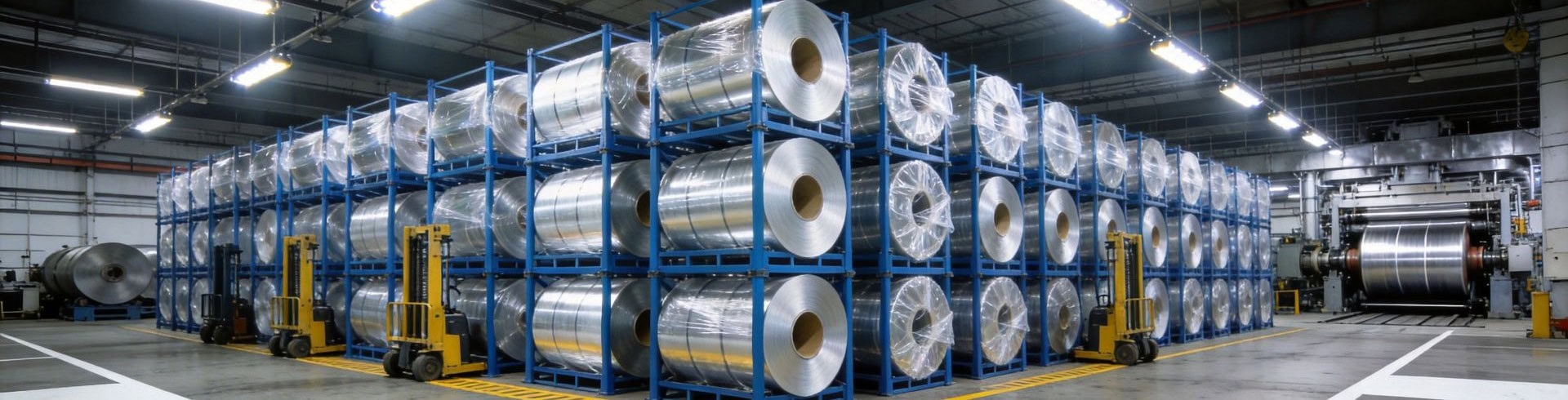
Aluminum Coil
Aluminum Coil Description
Features:
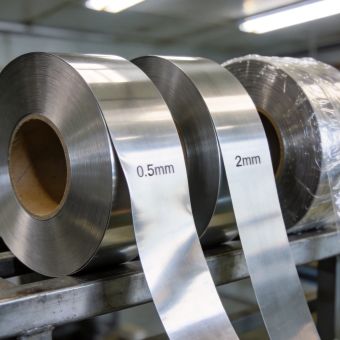
Aluminum coils are lightweight, corrosion-resistant, and highly versatile, offering excellent formability and durability for a wide range of industrial applications. With strong thermal conductivity and good mechanical performance, aluminum coils are easy to process, roll, and fabricate into various components. Their consistent quality and resistance to environmental factors ensure stable performance in demanding conditions, making them a reliable choice for modern manufacturing and engineering needs.
Applications:
Aluminum coils are widely used across industries:
Industrial: Used in machinery, equipment fabrication, and structural components where lightweight and durability are essential.
HVAC & Refrigeration: Ideal for heat exchangers, air conditioning systems, and cooling components due to excellent thermal conductivity.
Automotive: Applied in body panels, heat shields, and structural parts, helping reduce weight and improve fuel efficiency.
Construction: Used in roofing, cladding, insulation, and decorative materials, offering corrosion resistance and long service life.
Electrical & Energy: Utilized in transformers, conductors, and renewable energy systems due to reliable conductivity and performance.
Miji Aluminum provides high-quality aluminum coils in various alloys, thicknesses, and finishes. Customized solutions are available to meet your specifications. If you have any requirements, please contact us at sales@mijimg.com.
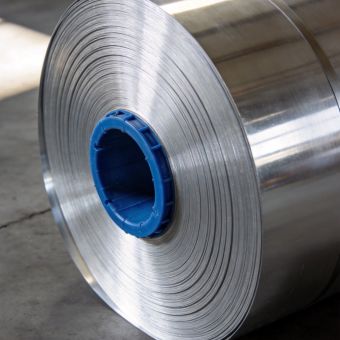
Aluminum Coil 1050 offers high purity, excellent conductivity, and corrosion resistance, ideal for electrical, chemical, and industrial applications.
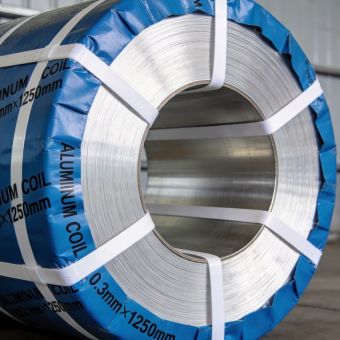
Aluminum Coil 1060 offers high conductivity, excellent formability, and corrosion resistance, ideal for electrical, HVAC, and industrial applications.
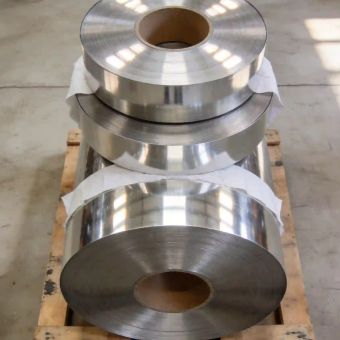
Aluminum Coil 3003 offers excellent corrosion resistance, good formability, and moderate strength, ideal for roofing, heat exchangers, and industrial applications.
Aluminum Coil 5052 offers excellent corrosion resistance, good strength, and formability, ideal for marine, automotive, and industrial applications.
Applicantion Of Aluminum Coil
