

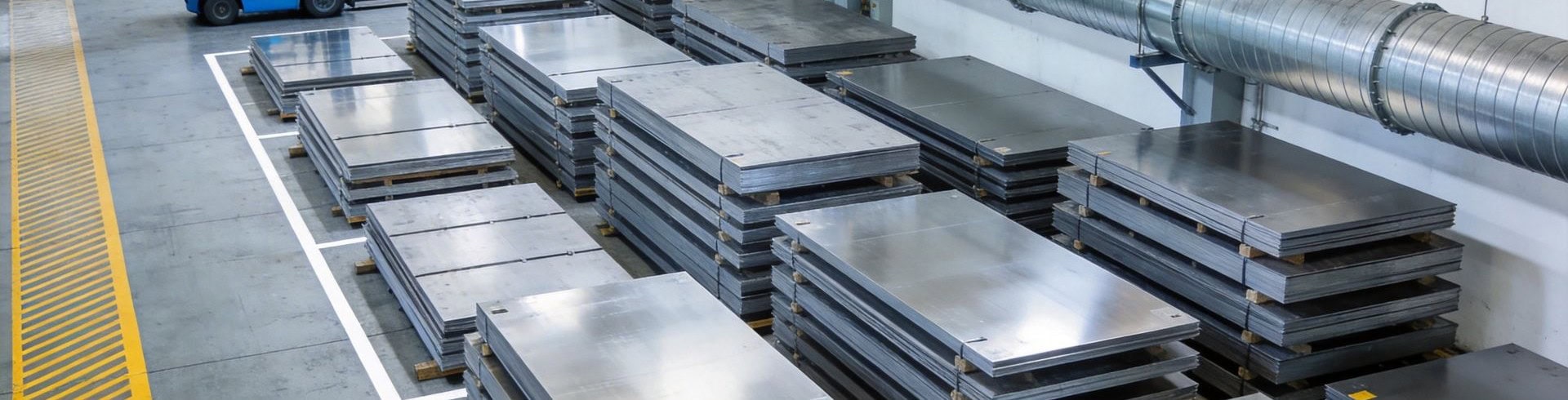
Niobium Plate
Niobium Plate Description
Features:
Niobium plates offer excellent high-temperature resistance, corrosion resistance, and strong mechanical stability, making them suitable for demanding industrial and engineering applications. Their good ductility and machinability allow precise fabrication into complex components. With outstanding resistance to chemical attack and oxidation, niobium plates perform reliably in extreme environments, especially under high heat and vacuum conditions.
Applications:
Niobium plates are widely used in industries such as:
- Industrial: Used in high-performance machinery and equipment requiring durability and stability under extreme conditions.
- Aerospace: Applied in high-temperature structural components and advanced alloy systems.
- Electronics: Suitable for superconducting materials, capacitors, and specialized electronic components.
- Chemical Processing: Ideal for corrosion-resistant equipment, reactors, and components exposed to aggressive media.
Miji Magnesium provides a variety of niobium plates in different grades and specifications, and we can also custom-produce niobium alloy products according to your requirements. For inquiries, please contact: sales@mijimg.com.
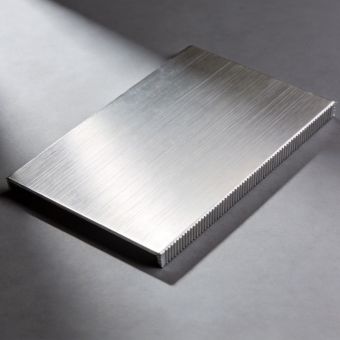
High-purity Nb1 niobium plate, corrosion-resistant and ductile, ideal for chemical processing, electronics, and superconducting applications.
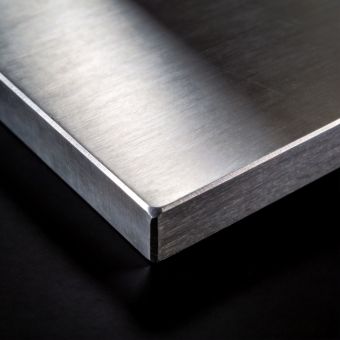
Industrial-grade Nb2 niobium plate, corrosion-resistant and high-temperature stable, suitable for chemical, aerospace, and structural applications.
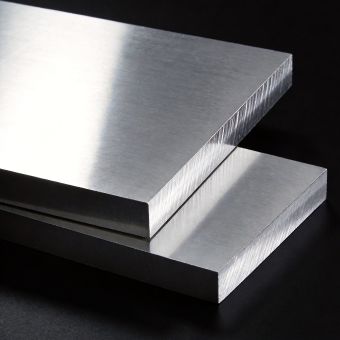
NbTi niobium-titanium plate, high-strength and superconducting, ideal for magnets, MRI systems, and advanced aerospace applications.
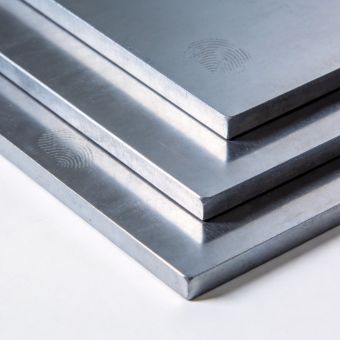
NbZr niobium-zirconium plate, high-strength and corrosion-resistant, ideal for aerospace, high-temperature, and chemical processing applications.
Applicantion Of Niobium Plate
