

x
Send Your Inquiry Today


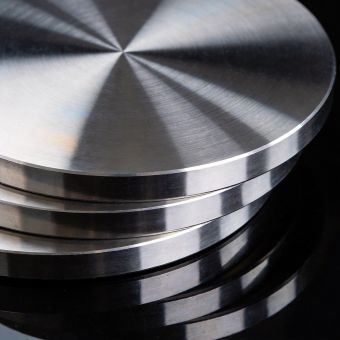
    Titanium Sputtering Target

    Titanium Sputtering Target

    Titanium Sputtering Target Description

    Features:
    Titanium sputtering targets offer high purity, excellent corrosion resistance, and superior conductivity, making them ideal for a range of advanced applications in electronics, optics, and coatings. Titanium’s strength and excellent machinability ensure consistent deposition and high-quality thin films. These sputtering targets are specifically designed for use in high-performance environments, providing reliable and stable performance in demanding conditions.

    Applications:
    Titanium sputtering targets are widely used in industries such as:

    • Electronics: Used for thin-film deposition in semiconductors, capacitors, and microelectronics to enhance electrical performance and reliability.
    • Aerospace: Applied in the production of durable, corrosion-resistant coatings for aircraft components and high-performance alloys.
    • Optical Coatings: Ideal for coatings in optical instruments, lenses, and mirrors, providing enhanced reflectivity and durability.
    • Solar Cells: Used for the deposition of titanium layers in photovoltaic devices, contributing to energy-efficient technologies.

    Miji Magnesium provides a variety of titanium sputtering targets in different grades and specifications, and we can also custom-produce titanium alloy products according to your requirements. For inquiries, please contact: sales@mijimg.com.
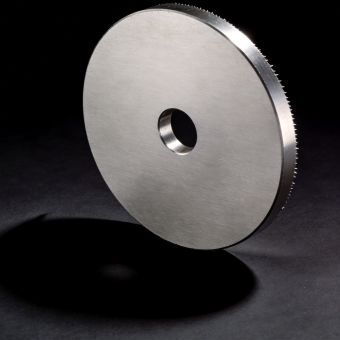
    Titanium Sputtering Target Ti Grade 1

    Ti Grade 1 sputtering target, high-purity and corrosion-resistant, ideal for thin films, electronics, and optical coating applications.
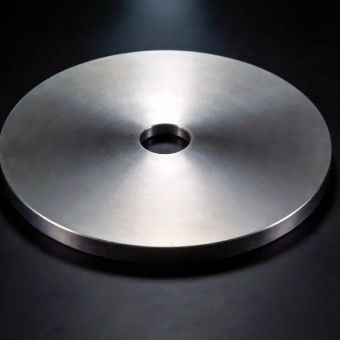
    Titanium Sputtering Target Ti Grade 2

    Ti Grade 2 sputtering target, strong and corrosion-resistant, ideal for semiconductor, aerospace coatings, and high-performance thin-film deposition.
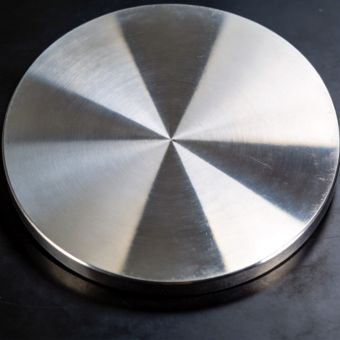
    Titanium Sputtering Target Ti Grade 5

    Ti Grade 5 sputtering target (Ti-6Al-4V), high strength and wear-resistant, ideal for aerospace coatings and advanced thin-film applications.
    Titanium Sputtering Target Ti Grade 7

    Ti Grade 7 sputtering target, palladium-alloyed for superior corrosion resistance, ideal for chemical processing, electronics, and thin-film coatings.

    Features of Titanium Alloy

    Outstanding Corrosion Resistance
    Outstanding Corrosion Resistance

    Resists seawater, chlorides, and many aggressive chemical environments.

    High Temperature Resistance
    High Temperature Resistance

    Titanium alloys retain strength and stability at elevated temperatures, ensuring reliable performance in demanding thermal environments.

    Non-Magnetic Properties
    Non-Magnetic Properties

    Titanium alloys are non-magnetic, making them suitable for electromagnetic-sensitive applications, including electronic housings, aerospace instrumentation, and medical devices.

    Excellent Biocompatibility
    Excellent Biocompatibility

    Non-toxic and compatible with human tissue, ideal for medical applications.

    High Recyclability
    High Recyclability

    Titanium is fully recyclable without compromising material properties, promoting sustainability while reducing costs and material waste.

    Superior Hot Formability
    Superior Hot Formability

    Titanium alloys maintain excellent hot formability. While more challenging at room temperature, they can be shaped and formed at elevated temperatures without losing mechanical strength.

    Excellent Heat Dissipation
    Excellent Heat Dissipation

    Titanium alloys offer good heat resistance and thermal stability, addressing heat dissipation needs in electronics, aerospace, and industrial components.

    Outstanding Machinability
    Outstanding Machinability

    Titanium alloys can be precisely machined to tight tolerances, enabling faster production of complex components without compromising quality or performance.

    Applicantion Of Titanium Sputtering Target

    Aerospace Industry
    Aerospace Industry
    Airframes and Structural Components: Titanium alloys are used for fuselage frames, wing spars, and landing gear components, providing high strength while reducing aircraft weight. Engine Parts: Turbine blades, compressor disks, and exhaust systems benefit from titanium’s high-temperature stability and corrosion resistance. Fasteners and Connectors: Lightweight, high-strength fasteners reduce overall aircraft mass, improving fuel efficiency and payload capacity.
    Automotive Industry
    Automotive Industry
    Chassis and Structural Supports: Titanium alloy components improve vehicle safety and reduce weight, enhancing fuel efficiency and handling. Exhaust Systems: Titanium resists high-temperature corrosion, making it ideal for performance and racing vehicles. Engine Components: Valve springs, connecting rods, and other high-stress parts benefit from titanium’s fatigue resistance and strength-to-weight ratio.
    Industrial and Energy
    Industrial and Energy
    Chemical Processing Equipment: Tanks, piping, and heat exchangers leverage titanium’s corrosion resistance in aggressive chemical environments. Power Generation: Components for nuclear reactors, steam turbines, and high-temperature machinery.
    Custom Metal Letters
    Magnesium plate/sheet supplier

    Our goal is to offer you premium quality magnesium plates while respecting your sourcing priorities, such as quality control, certification, and logistics. For specific inquiries or customized orders, please feel free to contact us directly.

    • MOQ:We are willing to give you the support of 1kg order.

    • Pricing Structure
      AZ31B Magnesium Plates: Starting at $14 per kg for standard sizes.
      Specialty Grades: Prices vary; please inquire for a custom quote.
      Note: Prices are subject to change based on global commodity market fluctuations.

    • Payment and Discounts Payment Terms: 50% upfront, balance before shipment.
      Bulk Orders: Discounts are available for orders exceeding 10,00 kg.

    • Additional Costs Certification: $50 fee applies for third-party quality checks.
      Shipping: Costs depend on the destination and chosen shipping method.

    FAQ

    Q: What is Titanium Alloy?
    A: Titanium alloy is a metallic material composed primarily of titanium, often alloyed with aluminum, vanadium, or other elements, offering superior strength, low density, corrosion resistance, and high-temperature performance.
    Q: What are the key benefits of Titanium Alloy?
    A: High strength-to-weight ratio for lightweight structural components. Excellent corrosion resistance in oxidizing, saline, and acidic environments. Non-magnetic and biocompatible, suitable for sensitive electronics and medical devices. High fatigue resistance and vibration damping for dynamic applications. Good thermal stability and heat resistance for high-temperature operations.
    Q: Which industries commonly use Titanium Alloy?
    A: Aerospace: airframes, turbine components, and structural parts. Automotive: chassis supports, exhaust systems, and lightweight components. Medical: implants, surgical instruments, and prosthetics. Electronics: housings, EMI shielding, and heat-dissipating components. Industrial: chemical processing equipment, machinery, and precision tools.
    Q: Can Titanium Alloy be welded or machined?
    A: Yes. Titanium alloys support TIG, electron beam, and gas-shielded welding. They can also be machined to tight tolerances, though specialized tooling and techniques are recommended due to work-hardening tendencies.
    Scroll to Top