
x
Send Your Inquiry Today


    Magnesium Extrusion

    Magnesium Extrusion

    Magnesium Extrusion Description

    Features:
    Magnesium extrusion produces lightweight, high-strength components with precise cross-sectional shapes and excellent surface quality. This process offers superior dimensional accuracy, good mechanical properties, and enhanced structural consistency. With excellent machinability and thermal conductivity, extruded magnesium products are ideal for complex designs requiring both strength and weight reduction. Magnesium extrusion enables efficient production of customized profiles with stable performance in demanding environments.

    Applications:
    Extruded magnesium products are widely used in industries such as:

    Industrial: Used for structural frames, supports, and customized components in high-performance machinery and equipment.

    Aerospace: Applied in lightweight structural parts, frames, and profile components where strength and weight reduction are critical.

    Automotive: Used for structural components, brackets, and lightweight frames to improve fuel efficiency and overall vehicle performance.

    Electronics: Ideal for housings, frames, and structural parts in electronic devices, offering lightweight design and efficient heat dissipation.

    Miji Magnesium provides high-quality magnesium extrusion products in various alloy grades and profile designs. We can also customize extrusion solutions according to your specifications. If you have any requirements, please contact us at sales@mijimg.com.

     Introduction to Magnesium Extrusion

    Magnesium extrusion is a highly controlled thermomechanical process that converts magnesium alloys into precision-engineered profiles with optimized mechanical properties. By combining alloy design, temperature control, and deformation mechanics, extrusion enhances grain structure and strength while maintaining magnesium’s inherent advantages—low density, high specific strength, and excellent thermal conductivity. This makes extruded magnesium components particularly valuable in weight-critical and performance-driven industries.


     Key Features of Magnesium Extrusion

    Lightweight with High Specific Strength
    Magnesium alloys offer one of the highest strength-to-weight ratios among structural metals. Through extrusion, the refined grain structure further improves mechanical performance, making components suitable for load-bearing applications while achieving significant weight reduction.

    Dimensional Precision and Process Stability
    Modern extrusion systems enable tight tolerance control and consistent cross-sectional geometry across long production runs. This reduces secondary machining requirements and ensures compatibility with high-precision assemblies, particularly in aerospace and electronics manufacturing.

    Superior Surface Integrity
    Extrusion produces uniform, defect-minimized surfaces with low roughness. When combined with advanced surface treatments (e.g., anodizing or micro-arc oxidation), this enhances corrosion resistance and long-term durability, especially in aggressive environments.

    Improved Microstructure and Mechanical Performance
    The extrusion process refines grain size and eliminates casting defects such as porosity, resulting in improved fatigue resistance, ductility, and overall structural reliability.


    Applications Across Industries

    Aerospace
    Extruded magnesium profiles are used in non-critical structural components, interior frameworks, and lightweight support structures. Their use contributes to overall mass reduction, improving fuel efficiency and payload capacity while maintaining compliance with strict aerospace standards.

    Automotive
    In automotive engineering, magnesium extrusion supports lightweighting strategies in chassis systems, seat frames, and structural reinforcements. This directly contributes to reduced emissions, improved energy efficiency, and enhanced vehicle dynamics.

    Electronics and Industrial Equipment
    Magnesium extrusions are widely applied in electronic housings, heat sinks, and structural frames due to their thermal conductivity and electromagnetic shielding properties. In industrial equipment, they enable lightweight yet durable designs, improving installation efficiency and operational performance.


     Customization Capabilities

    Advanced extrusion technology allows for a high degree of customization, including complex cross-sectional geometries and tailored alloy compositions. Miji Magnesium provides integrated solutions covering die design, alloy optimization, and post-processing, ensuring that each profile meets specific mechanical, thermal, and structural requirements.


     Quality Assurance and Process Control

    A robust quality management system is essential in magnesium extrusion. Key controls include:

    • Alloy composition verification to ensure consistency and performance
    • Process parameter control (temperature, الضغط, extrusion speed) to maintain microstructural integrity
    • Non-destructive testing (NDT) to detect internal defects
    • Dimensional inspection using precision metrology systems

    Compliance with international standards (ASTM, ISO) ensures reliability and repeatability across production batches.


    Sustainability and Engineering Efficiency

    Magnesium extrusion supports sustainable engineering by enabling significant weight reduction in transportation systems, directly lowering fuel consumption and emissions. Additionally, magnesium is recyclable, and modern extrusion processes are increasingly optimized for energy efficiency and material utilization.


    Conclusion

    Magnesium extrusion represents a convergence of advanced materials engineering and precision manufacturing. Its ability to deliver lightweight, high-strength, and dimensionally accurate components makes it a critical solution for next-generation industrial applications. With deep process expertise and strict quality control, Miji Magnesium enables customers to achieve optimal performance, reliability, and cost-efficiency across aerospace, automotive, electronics, and industrial sectors.

    Features of Magnesium Process

    Lightest
    Lightest

    At 23% the density of steel and 67% of aluminum, magnesium is the lightest structural metal.

    Excellent Weldability
    Excellent Weldability

    Magnesium offers great weldability, supporting various methods like gas, argon arc, and TIG.

    Non-Magnetic
    Non-Magnetic

    Excellent EMI shielding makes magnesium ideal for electromagnetic-sensitive housings.

    Absorb Vibration
    Absorb Vibration

    Its low elastic modulus enables high energy absorption for superior noise and vibration damping.

    High Recyclability
    High Recyclability

    As a safe, recyclable metal, magnesium reduces costs while promoting resource sustainability.

    Excellent Warm Formability
    Excellent Warm Formability

    Brittle at room temperature due to HCP structure, magnesium excels in molding at 200-400°C.

    Excellent Heat Dissipation
    Excellent Heat Dissipation

    Effectively addresses the heat dissipation challenges of highly integrated electronic devices.

    Excellent machinability
    Excellent machinability

    Magnesium’s machinability enables faster cutting and tighter tolerances for complex components

    Surface Treatment & Protection

    Surface treatment is essential for extending the service life of magnesium products. Advanced processes like MAO provide high-end protection, while conversion coatings and painting offer cost-effective solutions for large-scale industrial use. Selecting the appropriate treatment ensures optimal performance across aerospace, automotive, and electronics applications.

    Surface Treatment & Protection
    Quality Control & Testing

    Quality Control & Testing

    A comprehensive quality control and testing system is essential to ensure magnesium products meet demanding performance and safety requirements. From raw material verification to final inspection, each stage plays a critical role in delivering high-quality, reliable components for advanced industrial applications.

    Applicantion Of Magnesium Extrusion

    Aerospace Industry
    Aerospace Industry
    Aircraft structural components (brackets, frames, housings) Helicopter gearbox parts Benefits: weight reduction, high strength-to-weight ratio, improved fuel efficiency
    Automotive Industry
    Automotive Industry
    Steering wheels, seat frames, transmission housings Suspension and chassis components Benefits: lightweight design, improved fuel economy, reduced emissions
    Electronics & 3C Products
    Electronics & 3C Products
    Laptop frames, mobile device structures Heat dissipation components Benefits: excellent thermal conductivity, lightweight, structural rigidity
    Medical Equipment
    Medical Equipment
    Lightweight structural parts for medical devices Rehabilitation and mobility equipment Benefits: strength, lightweight handling, reliability
    Custom Metal Letters
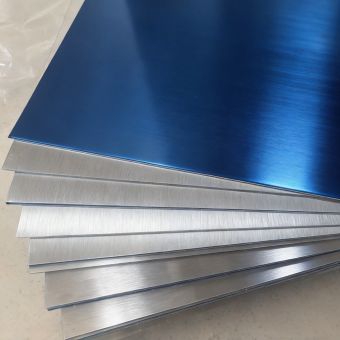
    Magnesium plate/sheet supplier

    Our goal is to offer you premium quality magnesium plates while respecting your sourcing priorities, such as quality control, certification, and logistics. For specific inquiries or customized orders, please feel free to contact us directly.

    • MOQ:We are willing to give you the support of 1kg order.

    • Pricing Structure
      AZ31B Magnesium Plates: Starting at $14 per kg for standard sizes.
      Specialty Grades: Prices vary; please inquire for a custom quote.
      Note: Prices are subject to change based on global commodity market fluctuations.

    • Payment and Discounts Payment Terms: 50% upfront, balance before shipment.
      Bulk Orders: Discounts are available for orders exceeding 10,00 kg.

    • Additional Costs Certification: $50 fee applies for third-party quality checks.
      Shipping: Costs depend on the destination and chosen shipping method.

    FAQ


    Warning: Undefined array key "desc" in /www/wwwroot/mijimg.com/wp-content/themes/v1/template-parts/single/single-product.php on line 724
    Q: What is the magnesium processing workflow?
    A:

    Warning: Undefined array key "desc" in /www/wwwroot/mijimg.com/wp-content/themes/v1/template-parts/single/single-product.php on line 724
    Q: Why is protective atmosphere required during melting?
    A:

    Warning: Undefined array key "desc" in /www/wwwroot/mijimg.com/wp-content/themes/v1/template-parts/single/single-product.php on line 724
    Q: What casting methods are used for magnesium?
    A:

    Warning: Undefined array key "desc" in /www/wwwroot/mijimg.com/wp-content/themes/v1/template-parts/single/single-product.php on line 724
    Q: What forming processes are applicable?
    A:

    Warning: Undefined array key "desc" in /www/wwwroot/mijimg.com/wp-content/themes/v1/template-parts/single/single-product.php on line 724
    Q: Is magnesium easy to machine?
    A:
    Scroll to Top