

Magnesium Rolling Explained Simply
Magnesium is often introduced as a lightweight metal, but in real manufacturing, the value of magnesium depends heavily on how it is processed. A magnesium alloy may have strong potential on paper, yet it only becomes useful when it is turned into the right form for the job.
That is where magnesium rolling matters.
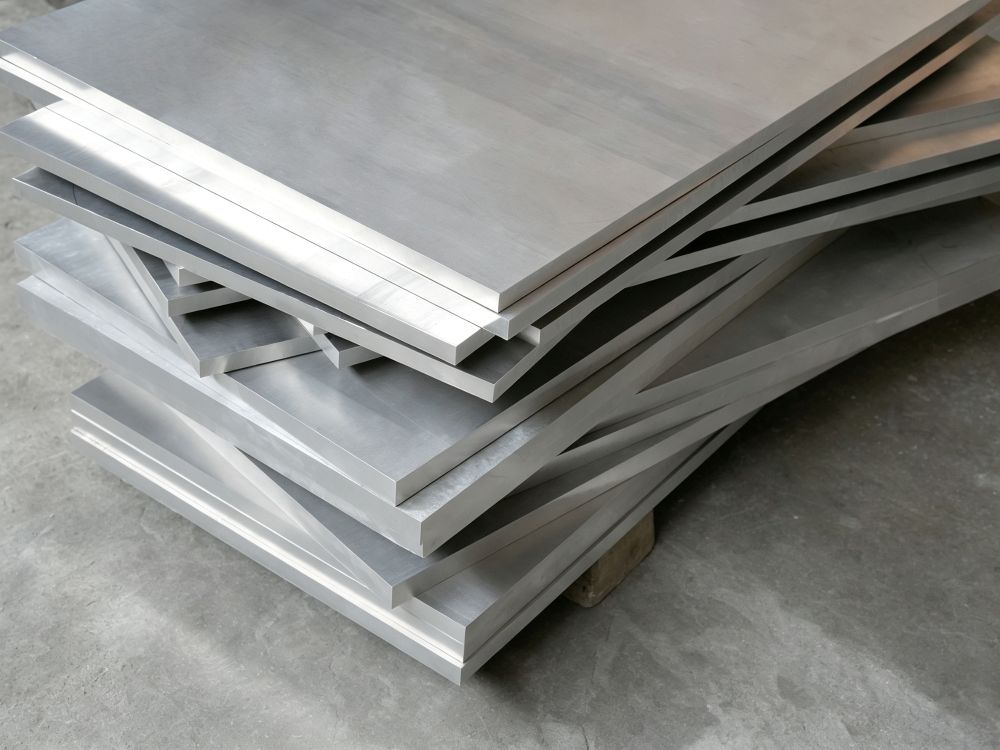
Rolling is the process that transforms magnesium alloy into practical flat products such as plate, sheet, strip, and foil. These materials are used when manufacturers need lightweight flat stock for machining, forming, engraving, structural panels, electronics parts, and specialized industrial applications.
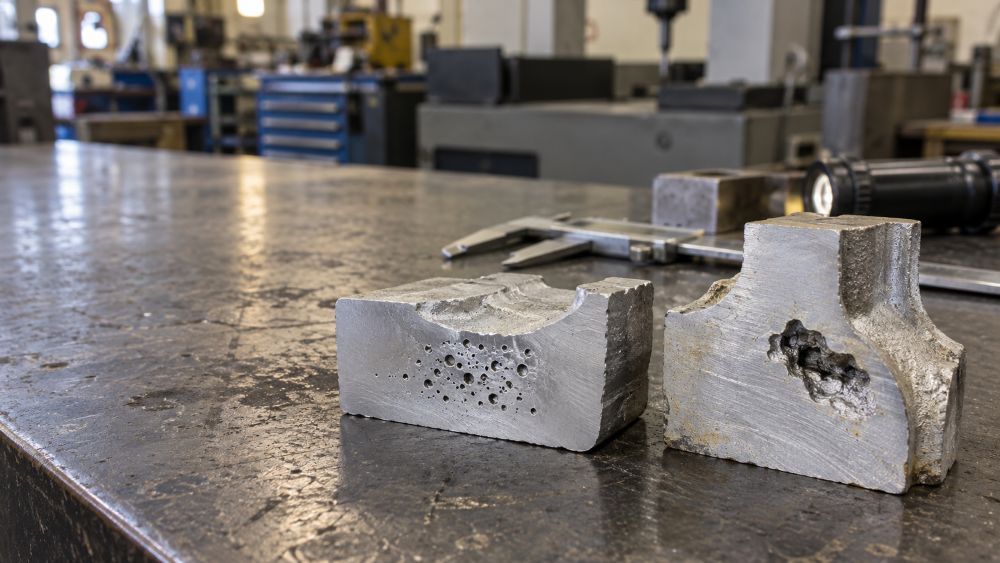
But magnesium rolling is not just about making metal thinner. It affects flatness, thickness consistency, surface quality, internal material condition, downstream machining confidence, and final application performance. A well-rolled magnesium product can help a project move smoothly. A poorly matched rolled product can create waste, rework, and sourcing problems later.
For buyers evaluating rolled magnesium products, Miji Magnesium helps connect alloy selection, rolled product form, and real application needs instead of treating magnesium rolling as a simple size request.
Key Takeaways
- Magnesium rolling turns magnesium alloys into flat products such as plate, sheet, strip, and foil.
- Rolled magnesium is valuable when buyers need lightweight flat material for machining, forming, engraving, or structural use.
- Rolling quality affects flatness, surface condition, thickness consistency, and downstream processing confidence.
- Magnesium plate, sheet, strip, and foil should not be selected only by thickness. Application fit matters.
- A capable supplier should understand alloy grade, rolling route, product form, and final use conditions.
1. What Is Magnesium Rolling?
Magnesium rolling is a manufacturing process used to reduce magnesium alloy thickness and produce flat material. The material passes through rolling equipment under controlled conditions until it reaches the required form and usability.
The process may involve heating, multiple rolling passes, intermediate treatment, trimming, surface handling, and final inspection. The exact route depends on the alloy, thickness range, final product form, and application requirement.
| Term | Simple Explanation | Why It Matters |
|---|---|---|
| Rolling | Passing magnesium alloy through rollers to reduce thickness and create flat material. | It produces usable magnesium plate, sheet, strip, and foil. |
| Rolled Magnesium | Magnesium alloy processed into a flat product form. | It is used for machining, forming, engraving, and lightweight structures. |
| Flatness | How even and level the rolled material is. | Important for machining, assembly, engraving, and precision applications. |
| Surface Quality | The condition of the visible or usable surface after rolling and finishing. | Affects appearance, finishing, engraving, and downstream production. |
| Thickness Consistency | How stable the material thickness remains across the rolled product. | Important for predictable processing and final part quality. |
Tip: Magnesium rolling should be evaluated by application, not only by thickness. A magnesium sheet for forming and a magnesium plate for machining may require very different sourcing logic.
2. Why Magnesium Rolling Matters
Magnesium rolling matters because many industrial applications need flat lightweight material rather than cast shapes or general stock forms. Rolled magnesium allows engineers to use magnesium in designs where plate, sheet, strip, or foil is the most practical starting point.
In real production, the rolled condition can influence how the material behaves during cutting, machining, forming, surface finishing, and assembly. This is why buyers should consider rolling quality as part of the material decision.
| Buyer Need | How Magnesium Rolling Helps |
|---|---|
| Lightweight flat material | Rolling creates plate, sheet, strip, and foil forms suitable for industrial use. |
| Machining preparation | Rolled plate can provide a practical starting material for machined components. |
| Thin-section design | Rolled sheet, strip, and foil support lighter and thinner product structures. |
| Surface-sensitive applications | Controlled rolling and finishing can support better surface usability. |
| Repeat production | Consistent rolling quality supports more stable sourcing and manufacturing planning. |
3. Main Rolled Magnesium Product Forms
Rolled magnesium is not a single product. It includes several flat material forms, and each one fits a different type of application.
3.1 Magnesium Plate
Magnesium plate is usually selected when the buyer needs thicker flat material for machining, structural components, industrial fixtures, lightweight panels, or custom parts. Plate selection should consider alloy grade, flatness, surface condition, and machining expectations.
3.2 Magnesium Sheet
Magnesium sheet is used where thinner flat material is required. It may be suitable for covers, enclosures, formed parts, lightweight panels, electronics structures, and compact industrial components.
3.3 Magnesium Strip
Magnesium strip is used when a narrower rolled format is needed. It may support specialized workflows where consistent width, surface condition, and flat material supply are important.
3.4 Magnesium Foil
Magnesium foil is used for thin-section technical applications. Because foil is thin, small variations in rolling and handling can become more important.
3.5 Magnesium Photoengraving Plate
Magnesium photoengraving plate requires attention to surface quality, flatness, and material consistency. It is a specialized rolled magnesium application where the surface condition plays a major role.
4. Magnesium Plate vs Sheet vs Foil
Many buyers use the terms plate, sheet, and foil casually, but they are not the same in sourcing practice. The best choice depends on the final application and processing method.
| Product Form | Typical Use Logic | Buyer Should Focus On |
|---|---|---|
| Magnesium Plate | Machined parts, structural panels, industrial components, custom plates. | Flatness, thickness consistency, alloy grade, machining suitability. |
| Magnesium Sheet | Lightweight covers, formed parts, enclosures, thinner panels. | Formability, surface condition, flatness, downstream processing. |
| Magnesium Strip | Narrow rolled material for application-specific production needs. | Width consistency, surface quality, supply repeatability. |
| Magnesium Foil | Thin technical or specialized applications. | Handling, thickness control, surface condition, packaging protection. |
| Photoengraving Plate | Engraving and printing-related applications. | Surface quality, flatness, clean finish, consistent behavior. |
Note: The right rolled magnesium product is not simply the thinnest or thickest option. It is the form that best supports the way the material will be processed and used.
5. Where Rolled Magnesium Is Used
Rolled magnesium products are used where lightweight flat material creates practical value. The applications vary, but they usually share one common need: the material must be light, usable, and suitable for downstream processing.
5.1 Aerospace and Lightweight Structures
Rolled magnesium plate and sheet may be considered for selected aerospace-related applications where reduced weight supports broader engineering goals. In these cases, consistency and material form are especially important.
5.2 Automotive and Transportation
Transportation applications often look for ways to reduce mass without adding unnecessary design complexity. Rolled magnesium may support lightweight panels, covers, brackets, machined parts, and selected structural elements.
5.3 Electronics and 3C Products
Magnesium sheet and plate can be useful in compact electronic products where light weight, product feel, and structural refinement matter. Material surface and consistency are especially important in these applications.
5.4 Industrial Machining
Rolled magnesium plate can support machined lightweight components. For machining projects, the starting material quality has a direct effect on workflow confidence and final part consistency.
5.5 Photoengraving and Printing
Magnesium photoengraving plates require flatness and surface stability. This application highlights why rolling quality is more than a background process.
5.6 Custom Industrial Applications
Some customers need rolled magnesium for specialized parts, lightweight fixtures, prototype development, or custom engineering projects. In these cases, supplier communication becomes especially important.
6. How to Choose Rolled Magnesium Products
Choosing rolled magnesium becomes easier when buyers start with the application instead of the product name.
6.1 Step 1: Define the Final Use
Confirm whether the material will be machined, formed, engraved, assembled, finished, or used as a lightweight structural part.
6.2 Step 2: Choose the Right Product Form
Decide whether the project needs plate, sheet, strip, foil, or photoengraving plate. Each form has a different production and application logic.
6.3 Step 3: Select the Suitable Alloy Grade
Different magnesium alloys behave differently during rolling and use. The alloy should match the product requirement, not only the available stock.
6.4 Step 4: Clarify Flatness and Surface Needs
For precision machining, engraving, electronics, or visible parts, flatness and surface condition should be discussed early.
6.5 Step 5: Confirm Supplier Capability
A capable magnesium rolling supplier should understand product form, alloy behavior, rolling control, and downstream application needs.
7. Quick Buyer Checklist
Use this checklist before ordering rolled magnesium.
- Confirm whether you need magnesium plate, sheet, strip, foil, or photoengraving plate.
- Check whether the material will be machined, formed, engraved, or finished.
- Clarify alloy grade requirements before confirming the product form.
- Discuss flatness, surface quality, and thickness consistency early.
- Ask whether custom dimensions are needed to reduce waste or improve production flow.
- Confirm packaging and handling needs for thin or surface-sensitive material.
- Work with a supplier who understands magnesium rolling, not only stock availability.
8. Common Mistakes in Magnesium Rolling Projects
Many sourcing problems happen because buyers treat rolled magnesium like ordinary flat metal. These are the mistakes to avoid.
| Mistake | Why It Creates Risk | Better Approach |
|---|---|---|
| Choosing only by thickness | Thickness alone does not define usability. | Review flatness, surface quality, alloy grade, and final process. |
| Treating plate and sheet the same | Different product forms serve different applications. | Match the rolled form to the part function. |
| Ignoring downstream machining or forming | The material may be difficult to process later. | Discuss the final manufacturing route before ordering. |
| Overlooking surface condition | Surface issues can affect engraving, finishing, and visible parts. | Clarify surface expectations with the supplier early. |
| Buying from a stock-only supplier | The supplier may not understand rolling quality or application fit. | Choose a supplier with magnesium rolling and application knowledge. |
9. Why Supplier Capability Matters
Magnesium rolling is process-sensitive. The supplier must understand how alloy grade, rolling route, thickness control, surface quality, and final use conditions work together.
At Miji Magnesium, rolled magnesium products are approached through application logic. Customers may need magnesium plate, magnesium sheet, magnesium foil, photoengraving plate, or custom rolled magnesium material depending on their project.
A strong supplier should help buyers evaluate:
- Which rolled product form is suitable for the application.
- Which magnesium alloy grade fits the process and final use.
- Whether the material will be machined, formed, engraved, or finished.
- How flatness and surface quality affect downstream work.
- Whether custom dimensions can improve production efficiency.
- How repeat supply should be managed for future production.
This support turns magnesium rolling from a simple material purchase into a stronger manufacturing decision.
10. Final Insight: Rolling Is a Material Strategy
Magnesium rolling matters because it turns lightweight alloy potential into usable industrial material.
A well-rolled magnesium plate, sheet, strip, or foil can support better machining, lighter structures, thinner product designs, clean surface applications, and custom industrial projects. But the value only appears when the rolled product is matched to the right alloy, process route, and end use.
The smartest buyers do not ask only, “Can you supply rolled magnesium?”
They ask, “Can you provide the rolled magnesium form that helps this application succeed?”
For companies evaluating magnesium rolling solutions, Miji Magnesium can help connect alloy selection, rolled product form, and industrial application requirements.
FAQ
1. What is magnesium rolling?
Magnesium rolling is a process used to reduce magnesium alloy thickness and produce flat products such as plate, sheet, strip, or foil. It helps convert magnesium alloy into practical forms for industrial use.
2. What products are made by magnesium rolling?
Common rolled magnesium products include magnesium plate, magnesium sheet, magnesium strip, magnesium foil, and magnesium photoengraving plate.
3. Why is rolling important for magnesium alloys?
Rolling helps create flat magnesium products with useful thickness, surface condition, and application suitability. It makes magnesium more practical for machining, forming, engraving, and lightweight structures.
4. What industries use rolled magnesium?
Rolled magnesium may be used in aerospace, automotive, electronics, industrial machining, photoengraving, transportation, and custom lightweight applications.
5. Is rolled magnesium suitable for machining?
Yes, rolled magnesium plate can be suitable for machining when the alloy, flatness, surface quality, and material consistency are matched to the application.
6. How should buyers choose a magnesium rolling supplier?
Buyers should choose a supplier that understands magnesium rolling, alloy selection, product form, surface quality, flatness requirements, and downstream application needs.