
Magnesium Casting Explained Simply
Magnesium casting sounds like a manufacturing process, but for engineers and buyers, it is really a design decision.
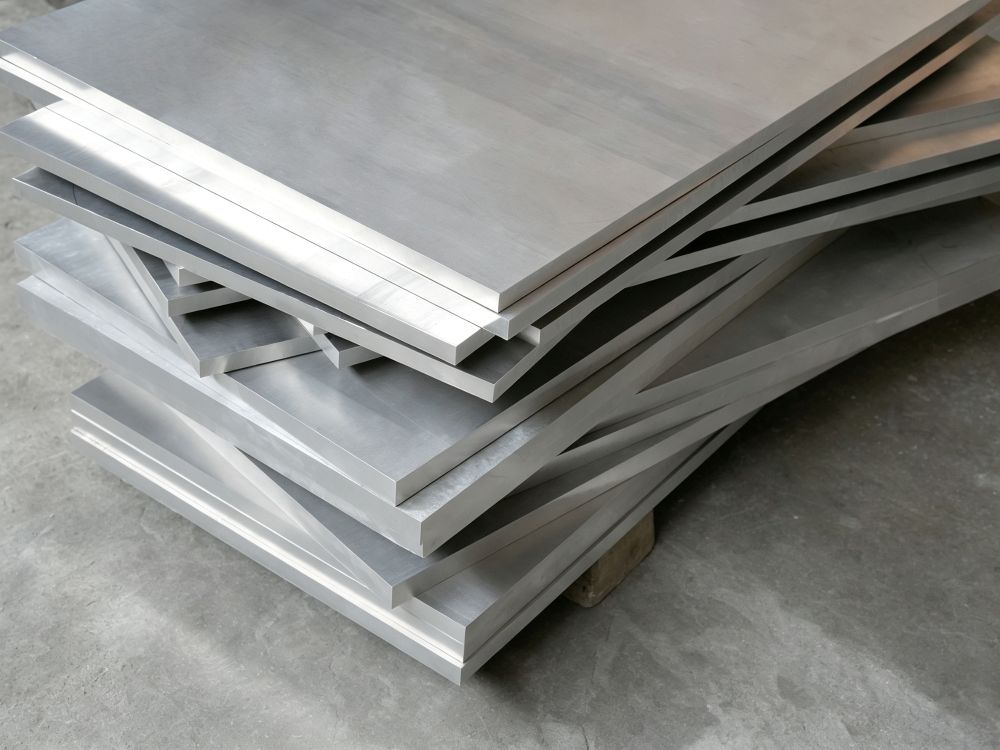
When a part needs to be light, compact, and shaped with integrated features, machining everything from a solid block is not always the smartest route. Magnesium casting allows manufacturers to create complex lightweight parts more directly. It can support housings, covers, frames, brackets, enclosures, and structural shells that would be difficult, slow, or wasteful to produce only from plate or bar stock.
That is why magnesium casting is important in modern lightweight manufacturing. It is not only about making a part lighter. It is about giving the part the right shape, the right function, and the right production logic from the beginning.
For buyers comparing magnesium casting, machined magnesium, forged magnesium, or extruded magnesium, Miji Magnesium helps evaluate which material form and process route fit the real application.
Key Takeaways
- Magnesium casting is used to create lightweight parts with complex shapes and integrated features.
- Cast magnesium is often useful for housings, covers, brackets, frames, enclosures, and structural shells.
- The best casting result depends on alloy selection, part design, mold planning, machining allowance, and surface treatment.
- Magnesium casting is different from machining, forging, rolling, and extrusion. Each process fits a different type of part.
- A good supplier should help buyers review design, process route, surface requirements, and final application before production.
1. What Is Magnesium Casting?
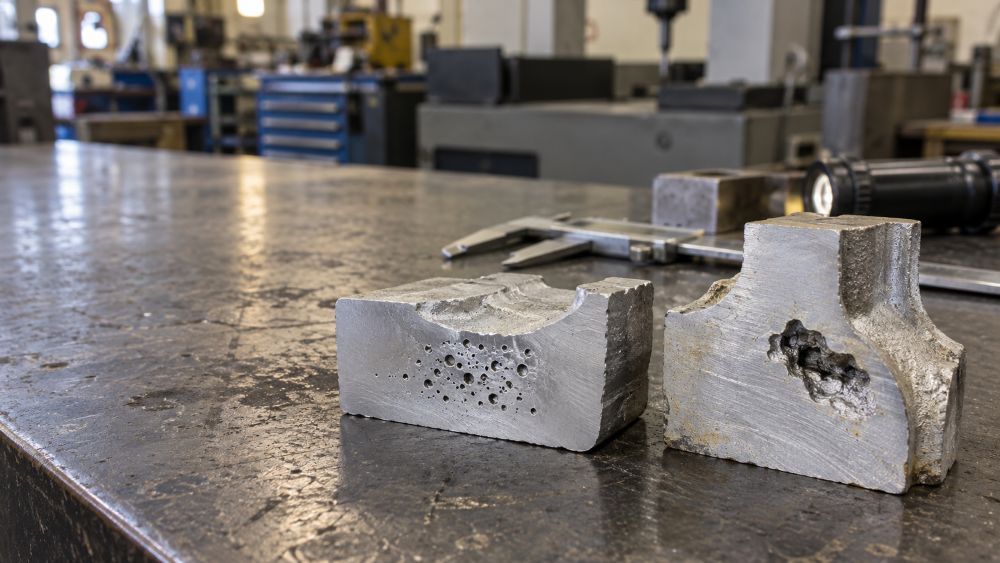
Magnesium casting is a manufacturing process that forms molten magnesium alloy into a designed shape using a mold or die. After the part solidifies, it may be trimmed, machined, inspected, finished, coated, or assembled depending on the final use.
The goal is usually to create a near-net-shape part. This means the casting is already close to the final shape, so less material needs to be removed later compared with machining the whole part from solid stock.
| Term | Simple Explanation | Why It Matters |
|---|---|---|
| Magnesium Casting | A process that forms molten magnesium alloy into a required shape. | It helps create lightweight parts with complex geometry. |
| Cast Magnesium | Magnesium alloy shaped directly through a casting process. | It is often used for housings, covers, brackets, and integrated parts. |
| Near-Net Shape | A part shape that is close to the final design after casting. | It can reduce unnecessary machining and material removal. |
| Draft Angle | A slight angle added to help remove the casting from the mold or die. | It helps avoid production problems and surface damage. |
| Secondary Machining | Machining performed after casting on critical surfaces or holes. | It improves precision where casting alone is not enough. |
Tip: A cast part should be designed for casting from the beginning. If the design was originally made for machining, it may need to be adjusted before casting.
2. Why Magnesium Casting Matters
Magnesium casting matters because many industrial parts need both lightweight performance and complex geometry. Magnesium offers the weight advantage, while casting provides shape flexibility.
This combination is valuable when engineers want to reduce weight, simplify assembly, or create a part with ribs, bosses, mounting points, covers, thin-wall sections, and functional features built into one design.
| Buyer Need | How Magnesium Casting Helps |
|---|---|
| Lower component weight | Magnesium alloy helps reduce mass in selected lightweight parts. |
| Complex geometry | Casting can form ribs, shells, covers, mounting points, and integrated shapes. |
| Reduced assembly complexity | Multiple features can sometimes be combined into one cast part. |
| Better material use | Casting can reduce excessive material removal for complex parts. |
| Production repeatability | A suitable casting route can support repeated shaped parts after tooling is ready. |
3. Common Magnesium Casting Methods
Different casting methods are used for different part types. Buyers do not need to master every casting detail, but they should understand the basic differences before choosing a route.
| Casting Method | Best Used For | Buyer Should Focus On |
|---|---|---|
| Magnesium Die Casting | Repeatable complex parts, housings, covers, and thin-wall components. | Tooling design, part geometry, surface quality, and production consistency. |
| Sand Casting | Larger parts, custom parts, development work, or lower-volume projects. | Design flexibility, machining allowance, and surface expectations. |
| Permanent Mold Casting | Selected parts needing repeatability and controlled mold use. | Part shape, mold planning, and quality stability. |
| Investment Casting | Selected precision or detailed parts where refined geometry matters. | Feature detail, tolerance needs, and post-casting finishing. |
Note: The best casting method depends on geometry, production needs, surface requirements, machining allowance, and final application. It should not be chosen only by familiarity.
4. Where Magnesium Casting Is Used
Magnesium casting is useful in industries where lightweight complex parts create practical value. The strongest applications are usually geometry-driven rather than simple stock-driven parts.
4.1 Automotive and EV Components
Magnesium casting may be used for selected housings, covers, brackets, frames, support structures, and lightweight components in automotive and electric vehicle applications. The value comes from reducing weight while supporting integrated part design.
4.2 Electronics and 3C Products
Cast magnesium can be useful for device frames, compact housings, covers, shells, and structural enclosures. These parts often need light weight, clean geometry, and a premium product feel.
4.3 Aerospace-Related Parts
In aerospace-related applications, magnesium casting may be considered for selected lightweight components where geometry and weight reduction matter. Material quality, process control, and supplier knowledge become especially important in these projects.
4.4 Industrial Equipment
Industrial equipment may use cast magnesium parts where lighter components improve handling, assembly, movement, or usability. Casting can also support built-in ribs, mounting areas, and support features.
4.5 Fixtures and Handling Components
Some fixtures, supports, and handling components benefit from lower weight. Magnesium casting may be practical when the part shape is complex and repeated production is needed.
4.6 Portable and Mobility Systems
Portable systems often reward lightweight integrated design. Cast magnesium can help reduce weight while allowing designers to create compact and functional part shapes.
5. Magnesium Casting vs Machined Magnesium
Magnesium casting and machined magnesium are not the same solution. Both can be useful, but they fit different manufacturing goals.
| Decision Factor | Magnesium Casting | Machined Magnesium | Best-Fit Logic |
|---|---|---|---|
| Geometry | Best for complex shapes and integrated features. | Best for parts made from plate, bar, or billet stock. | Choose casting when shape complexity drives the design. |
| Material Use | Can reduce unnecessary material removal for suitable parts. | May require more cutting when the shape is complex. | Choose casting when machining from solid stock would be inefficient. |
| Precision Surfaces | Often needs secondary machining for critical surfaces. | Can directly produce precision surfaces from stock. | Choose based on which features need final accuracy. |
| Production Planning | Strong for repeatable shaped parts after tooling is established. | Strong for prototypes, flexible production, and precision machined work. | Match the route to project stage and production plan. |
| Design Freedom | High design freedom for housings, shells, ribs, and covers. | Limited by stock size and machining access. | Choose casting when integrated design matters. |
In many projects, casting and machining work together. A part may be cast first, then machined on holes, mounting faces, sealing areas, or precision interfaces.
6. How to Choose a Magnesium Casting Route
A successful casting project starts with the part’s function. Buyers should define what the part must do before choosing the process route.
6.1 Step 1: Define the Part Function
Decide whether the part is a housing, bracket, cover, frame, support component, structural shell, or protective enclosure. Function determines how much strength, precision, and finishing the part needs.
6.2 Step 2: Review the Geometry
Look at wall transitions, ribs, bosses, holes, draft angles, fillets, internal corners, and mounting areas. These details affect casting success.
6.3 Step 3: Choose the Casting Method
Die casting, sand casting, permanent mold casting, and investment casting serve different needs. The method should match geometry, production plan, and quality expectations.
6.4 Step 4: Plan Secondary Machining
Identify which surfaces, holes, and interfaces require machining after casting. This avoids confusion later in production.
6.5 Step 5: Confirm Surface Treatment Needs
Surface protection, coating, finishing, and appearance requirements should be discussed early, especially for visible or demanding parts.
6.6 Step 6: Review Supplier Capability
A capable cast magnesium supplier should understand both material behavior and casting design logic.
7. Quick Buyer Checklist
Use this checklist before starting a magnesium casting project.
- Confirm whether the part is truly suitable for casting.
- Review whether the design includes ribs, bosses, thin walls, covers, shells, or integrated features.
- Decide which surfaces need secondary machining.
- Clarify surface treatment and finishing requirements early.
- Choose the casting route based on application, not only production habit.
- Confirm whether the alloy grade fits the part’s mechanical and environmental needs.
- Work with a supplier who understands magnesium casting, machining, and application fit.
8. Common Mistakes in Magnesium Casting Projects
Many casting issues happen before production begins. These mistakes are worth avoiding early.
| Mistake | Why It Creates Risk | Better Approach |
|---|---|---|
| Treating casting as only a shape request | The part may ignore draft, wall transitions, ribs, and machining allowance. | Review the design for casting before production. |
| Choosing magnesium only because it is light | Weight reduction may not create real value if the application does not benefit. | Confirm the engineering reason for using magnesium. |
| Ignoring secondary machining | Critical surfaces may not meet final requirements directly after casting. | Plan machining areas before tooling and production. |
| Discussing surface treatment too late | Finishing and coating issues may appear after parts are already made. | Include surface requirements during early review. |
| Working with a supplier without casting knowledge | The supplier may not identify design or process risks early enough. | Choose a supplier with magnesium material and process experience. |
9. Why Supplier Capability Matters
Magnesium casting is process-sensitive. A strong supplier should help buyers connect material selection, casting method, geometry review, machining allowance, surface treatment, and application requirements.
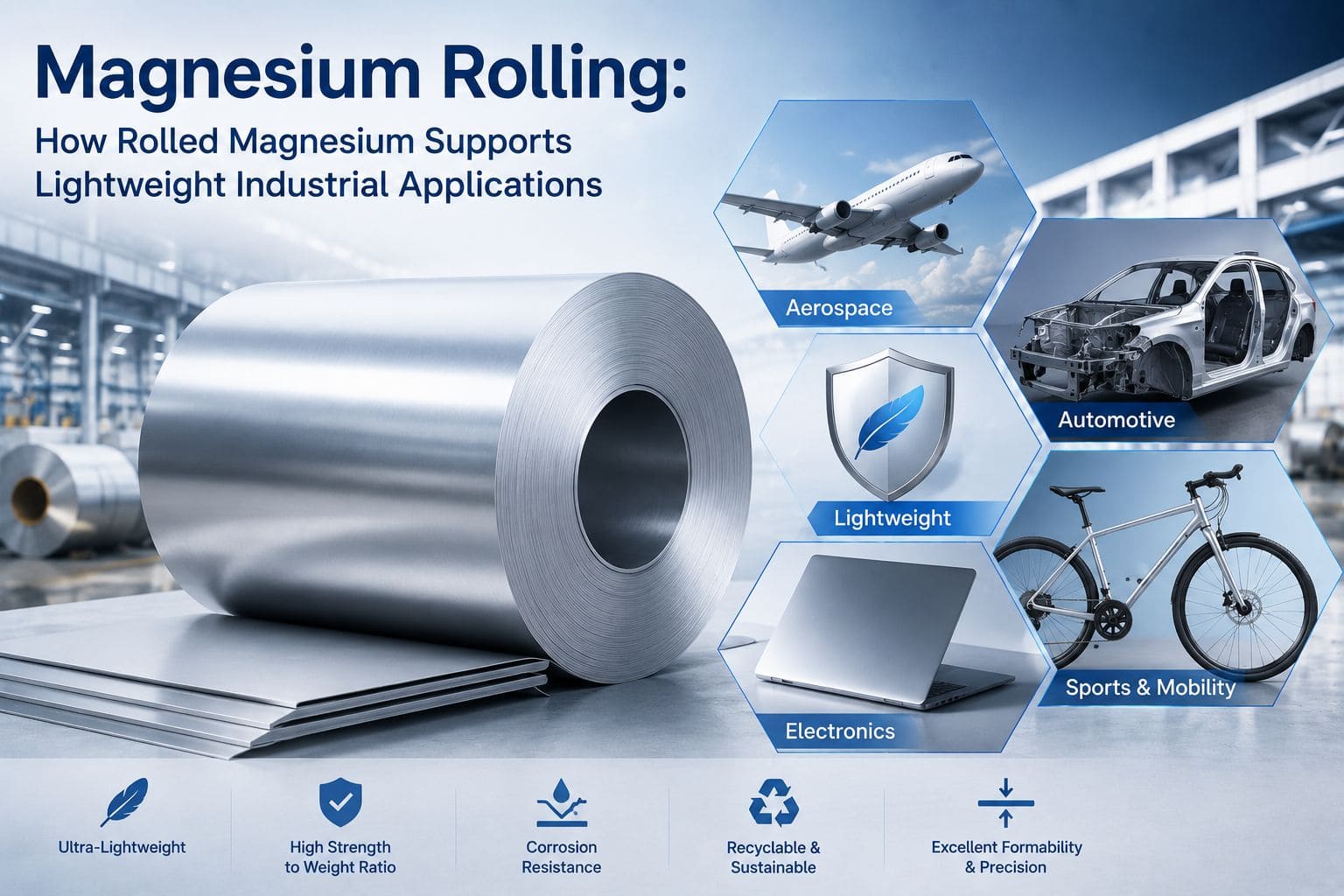
At Miji Magnesium, customers often evaluate magnesium casting together with other magnesium process routes such as machining, extrusion, forging, and rolling. The goal is to choose the process that helps the part succeed, not simply to promote one method.
A capable magnesium casting supplier should help buyers evaluate:
- Whether casting is the right route for the part.
- Which magnesium alloy is suitable for the application.
- Whether die casting, sand casting, or another method makes sense.
- Which surfaces need secondary machining.
- How surface treatment should be planned.
- How the design can be improved for casting success.
- How repeat supply and quality consistency will be supported.
10. Final Insight: Casting Works Best When Design and Process Align
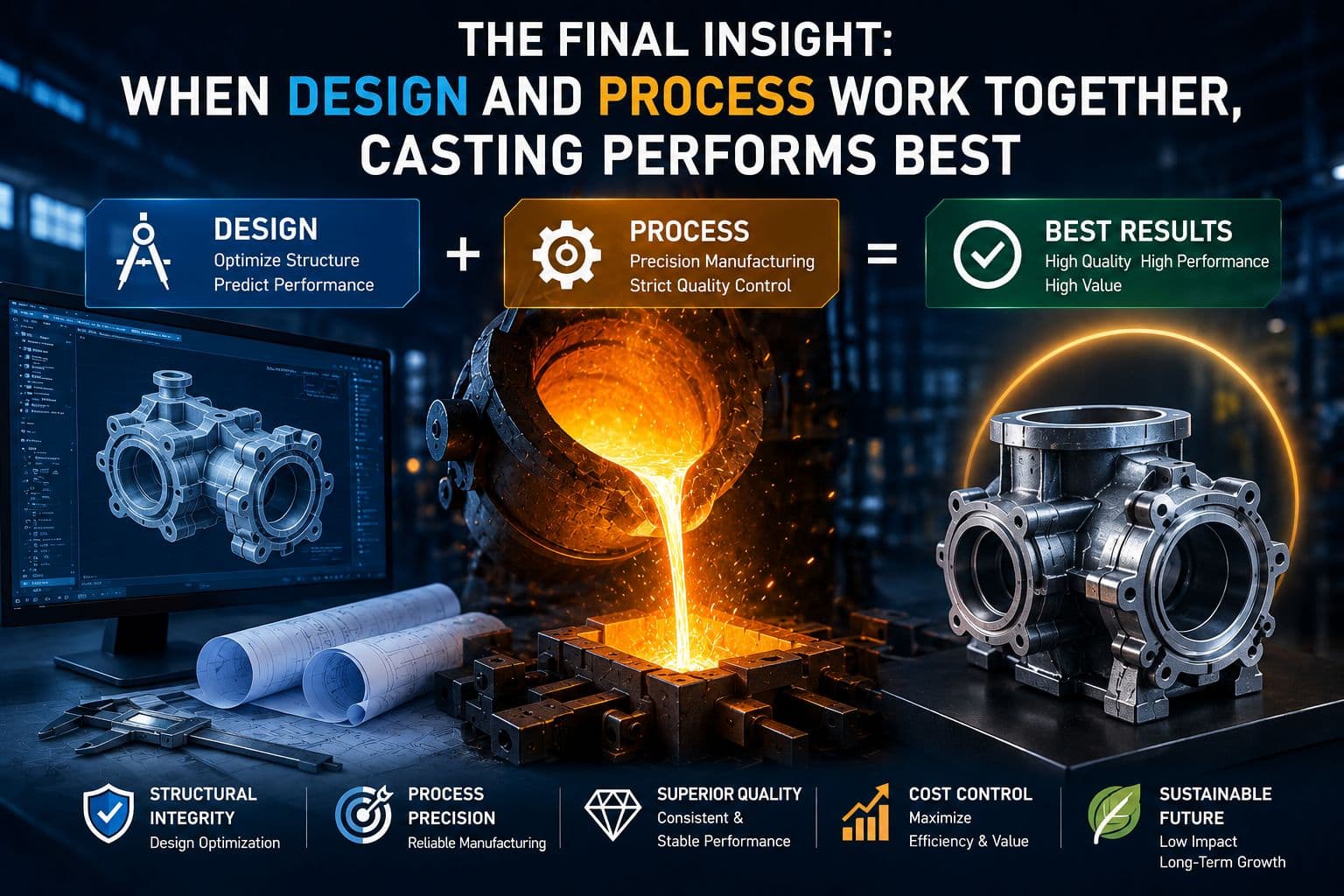
Magnesium casting can be a powerful route for lightweight industrial parts. It offers design freedom, part integration, and efficient shape creation when the application is right.
But casting creates the most value when it is planned early. The alloy, geometry, casting method, machining plan, surface requirements, and supplier capability all need to work together.
The smartest buyers do not ask only, “Can this part be cast?”
They ask, “Can casting help this part become lighter, smarter, and easier to manufacture?”
For companies evaluating magnesium casting solutions, Miji Magnesium can help connect material selection, process planning, and application requirements.
FAQ
1. What is magnesium casting?
Magnesium casting is a process that forms molten magnesium alloy into a specific shape using a mold or die. It is often used for lightweight parts with complex geometry.
2. What are the main benefits of magnesium casting?
The main benefits include lightweight design, complex geometry, integrated features, reduced assembly potential, and efficient shape creation for suitable part families.
3. What industries use magnesium casting?
Magnesium casting is used in automotive, electronics, aerospace-related applications, industrial equipment, mobility systems, tooling, fixtures, and specialized lightweight components.
4. Is magnesium casting better than machining?
Neither process is always better. Casting is often better for complex shapes and integrated parts, while machining is often better for prototypes, flexible production, and precision parts made from plate or bar stock.
5. Does cast magnesium still need machining?
Often, yes. Cast magnesium parts may require secondary machining for holes, mounting surfaces, sealing faces, interfaces, or other precision features.
6. How should buyers choose a magnesium casting supplier?
Buyers should choose a supplier that understands magnesium alloys, casting design, process route selection, surface treatment, inspection needs, and downstream machining requirements.