
AZ31B magnesium plate is attractive because it gives engineers a rare combination: low weight, useful strength, clean machinability, and practical industrial availability. But magnesium machining is not a casual job-shop decision. The same material that helps reduce part weight can also create serious risk if chips, dust, heat, tooling, housekeeping, and fire protection are handled poorly.
The real danger is not usually the solid AZ31B plate sitting on the table. The risk increases during machining, when fine chips, dust, dry swarf, heat, sparks, and poor chip management enter the picture. That is why serious buyers do not only ask, “Can this supplier provide AZ31B magnesium plate?” They ask, “Can this material be supplied, handled, and machined in a way that protects the part, the machine, and the people around it?”
This guide explains safe machining of AZ31B magnesium plates from an engineering and sourcing perspective. It is written for buyers, CNC teams, aerospace suppliers, automotive part manufacturers, precision shops, and industrial companies that need lightweight magnesium parts without turning machining safety into an afterthought.
At Miji Magnesium, AZ31B plate discussions often include more than size and delivery. Buyers also need material consistency, surface condition, machining suitability, custom plate options, and practical guidance on how the plate will behave in real production.
Direct Answer: How Do You Machine AZ31B Magnesium Plates Safely?
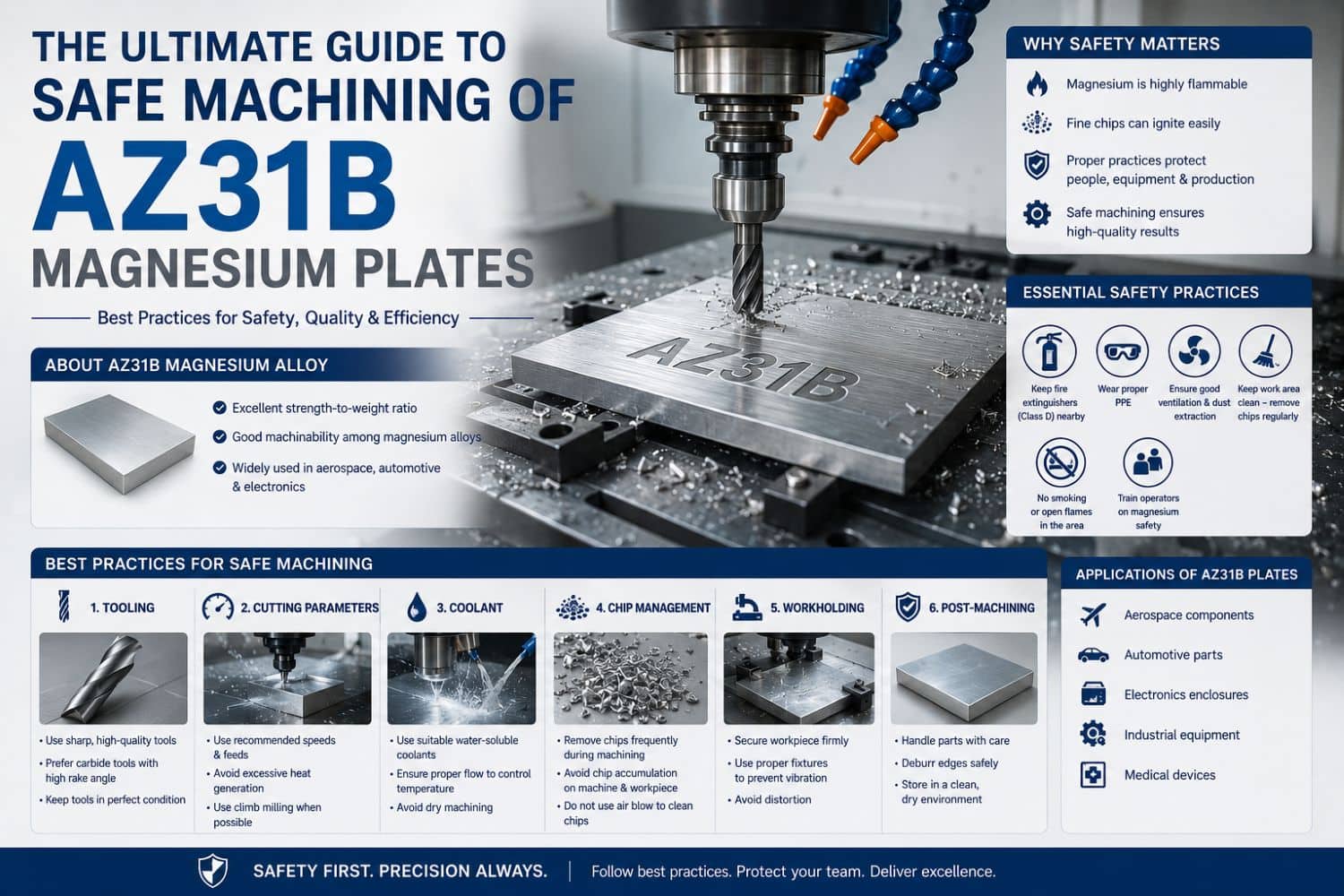
AZ31B magnesium plates can be machined safely when the process controls heat, prevents fine chip and dust accumulation, uses suitable tooling and stable cutting conditions, separates magnesium waste from incompatible materials, keeps proper Class D fire response equipment available, and follows applicable combustible metal and combustible dust safety standards. The key is not fear of magnesium. The key is disciplined chip control, housekeeping, coolant or dry-machining strategy review, fire planning, and supplier-quality consistency.
Key Takeaways
- AZ31B magnesium plate is widely used for lightweight machined components, but machining safety must be planned before production.
- The main hazard comes from fine chips, dust, swarf, heat, sparks, poor housekeeping, and improper fire response.
- Magnesium machining should be reviewed with OSHA combustible dust guidance, NFPA combustible metal principles, and local fire-safety requirements.
- Ohio machining shops should pay special attention to milling safety, dust collection, chip evacuation, and fire prevention planning.
- Illinois buyers sourcing high-tolerance custom AZ31B plates should align plate quality, flatness, surface condition, and machining expectations early.
- Preventing magnesium chip oxidation and ignition depends on fast chip removal, clean storage, segregation, and process discipline.
- A capable AZ31B magnesium plate supplier should understand application use, plate form, machining route, and repeat production needs.
1. What Makes AZ31B Magnesium Plate Valuable?
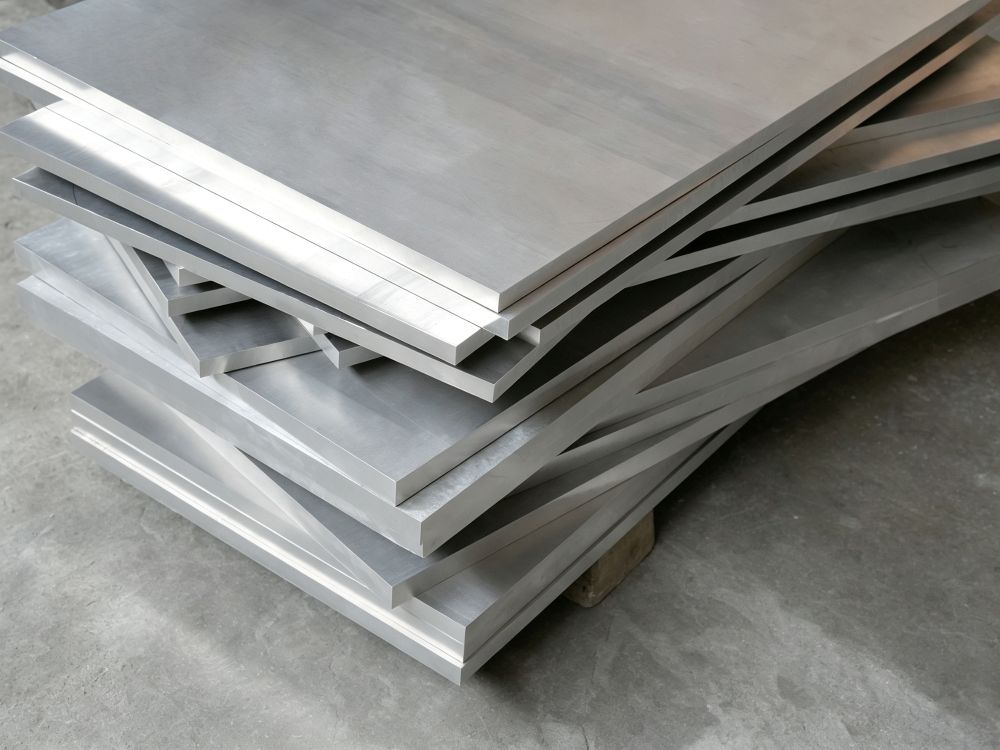
AZ31B is one of the most practical wrought magnesium alloys for plate and sheet applications. It is often selected when engineers need lightweight flat material for machining, structural panels, prototype components, aerospace-related parts, electronics housings, fixtures, and industrial lightweight assemblies.
The value of AZ31B is not only that it is light. It is useful because it can be supplied in plate form, machined into custom geometry, and integrated into engineering programs where reduced mass improves the final product.
| AZ31B Plate Feature | Why Engineers Care | Buyer Note |
|---|---|---|
| Lightweight material | Supports weight reduction in aerospace, automotive, electronics, and industrial components. | Best used where reduced mass creates real product value. |
| Wrought plate form | Useful for CNC machining, cutting, forming, and custom plate-based parts. | Plate quality affects machining confidence. |
| Practical machinability | Can support efficient part production when process controls are correct. | Machining safety and chip management must be planned. |
| Industrial availability | Commonly requested for custom lightweight projects. | Supplier consistency matters for repeat orders. |
For buyers reviewing AZ31B magnesium plate, the best starting point is to define both the part requirement and the machining environment.
2. Why AZ31B Magnesium Machining Needs Safety Planning
Magnesium is not unsafe by default. Solid magnesium alloy plate can be handled and machined successfully in professional environments. The problem begins when machining produces fine particles, heat, dry chips, dust clouds, or accumulated swarf near ignition sources.
OSHA identifies combustible dust hazards across many industries, including metalworking with metals such as magnesium and aluminum. The practical lesson is clear: dust and fine chips must be treated as a serious process hazard, not ordinary shop waste.
| Machining Risk | What It Means | Practical Control Logic |
|---|---|---|
| Fine magnesium dust | Fine particles can create combustible dust risk when dispersed in air. | Use proper dust control, housekeeping, and qualified safety review. |
| Chip accumulation | Dry chips and swarf can become ignition fuel if left unmanaged. | Remove chips frequently and store them properly. |
| Heat generation | Excessive heat can increase ignition risk. | Maintain stable cutting conditions and sharp tooling. |
| Incorrect fire response | Improper extinguishing methods can make metal fires more dangerous. | Plan Class D fire response with qualified safety personnel. |
| Mixed metal waste | Mixed waste can create unpredictable hazards. | Segregate magnesium chips from other shop waste. |
Safety note: This article is an engineering buyer guide, not a substitute for OSHA, NFPA, local fire code, machine builder guidance, or a qualified EHS review. Magnesium machining procedures should be approved by responsible safety professionals.
3. Milling Safety: Explosion-Proof Thinking for AZ31B Magnesium
Has a deep manufacturing base, from aerospace suppliers and automotive shops to precision CNC facilities and industrial part makers. For Ohio shops milling AZ31B magnesium plate, the safety conversation should focus on combustible dust, chip evacuation, fire planning, and machine-area discipline.
“Explosion-proof” is often used casually in machining conversations, but the more professional way to think about it is hazard control. Magnesium milling should be reviewed for combustible metal dust risk, ignition sources, electrical equipment suitability, dust collection design, housekeeping, and emergency response.
3.1 AZ31B Milling Pain Point: Fine Chips and Dust
During milling, AZ31B can create chips and fine particles depending on tool condition, cutting strategy, feed stability, and chip evacuation. The finer the material becomes, the more serious the housekeeping and dust-control discussion becomes.
A safe magnesium milling program should evaluate:
- Whether the machine enclosure is suitable for magnesium work.
- How chips are evacuated from the cutting zone.
- Whether dust collection is appropriate for combustible metal dust.
- Whether magnesium waste is segregated from other materials.
- Whether Class D fire response equipment and training are in place.
- Whether local fire officials or EHS professionals need to review the setup.
3.2 Buyer Answer Block
For CNC shops machining AZ31B magnesium plate: the safest strategy is to control chip size, prevent fine dust accumulation, remove magnesium swarf frequently, keep ignition sources controlled, use qualified combustible-metal fire protection, and align the process with OSHA and NFPA combustible metal guidance.
4. High-Tolerance Custom AZ31B Plate Needs
Buyers often operate in demanding industrial sectors: precision machining, automation, aerospace supply, medical-adjacent manufacturing, advanced equipment, and high-value custom parts. For these companies, the issue is not only safety. It is also tolerance confidence.
High-tolerance machining starts before the cutter touches the plate. It starts with the supplied AZ31B material: flatness, thickness consistency, surface condition, internal quality, packaging, and custom sizing.
4.1 AZ31B Custom Plate Pain Point: Material Stability
If the incoming plate is poorly matched to the machining plan, even a good shop can waste time compensating. High-tolerance custom projects require better alignment between buyer, supplier, and machining team.
| Illinois Buyer Requirement | Why It Matters | What to Confirm With Supplier |
|---|---|---|
| Custom plate size | Reduces unnecessary material removal and improves workflow. | Can the supplier support project-specific dimensions? |
| Flatness expectation | Affects fixturing, machining accuracy, and final part confidence. | How is plate flatness controlled and inspected? |
| Surface condition | Important for visible parts, finishing, and precision machining. | What surface quality is suitable for the application? |
| Repeat supply | Supports stable production over multiple orders. | Can the same plate requirement be repeated reliably? |
| Machining suitability | Reduces production uncertainty. | Does the supplier understand the final machining route? |
4.2 Buyer Answer Block
For Illinois buyers sourcing high-tolerance AZ31B magnesium plates: the best supplier is not only the one that can quote AZ31B. It is the one that can discuss custom plate size, flatness, surface condition, machining route, packaging, repeat consistency, and application fit before production begins.
5. Preventing Magnesium Chip Oxidation and Ignition Risk
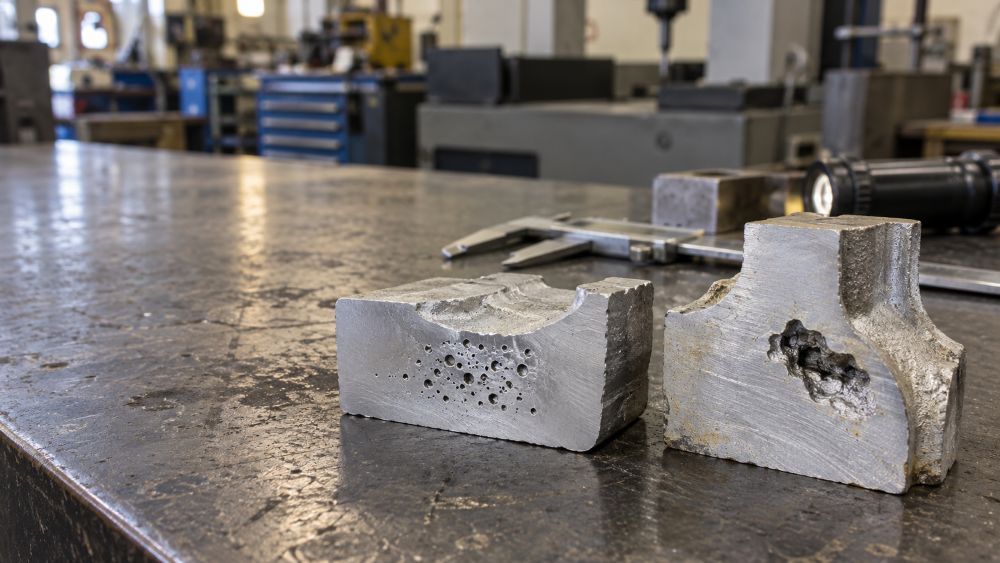
Magnesium chips are not ordinary waste. During machining, chips and swarf have more exposed surface area than solid plate. That means they can react more readily with heat, oxygen, contamination, sparks, or improper storage conditions.
Preventing chip oxidation and ignition is about process discipline. It is not one single trick. It is a system of chip control, housekeeping, storage, separation, and fire readiness.
5.1 Practical Chip-Control Principles
- Keep chips from accumulating around the tool, enclosure, and work area.
- Remove magnesium swarf on a defined schedule before it becomes a fire hazard.
- Keep magnesium chips segregated from steel, aluminum, oily waste, and general shop debris.
- Use covered metal containers where appropriate and follow site safety rules.
- Prevent sparks, open flames, smoking, and incompatible hot work near magnesium waste.
- Ensure the shop has Class D fire response planning for combustible metal fires.
5.2 Chip Safety Table
| Chip-Control Area | Why It Matters | Buyer or Shop Action |
|---|---|---|
| Chip evacuation | Reduces heat and chip buildup near the cutting zone. | Use stable chip removal strategy suited to magnesium machining. |
| Housekeeping | Prevents combustible material accumulation. | Clean machining areas frequently and document procedures. |
| Waste segregation | Reduces incompatible material risks. | Keep magnesium chips separate from other metal waste. |
| Storage | Limits exposure and uncontrolled accumulation. | Use approved containers and follow local safety rules. |
| Fire response | Metal fires require suitable extinguishing media. | Review Class D extinguishing equipment and staff training. |
5.3 Answer Block
To reduce AZ31B magnesium chip oxidation and ignition risk: control heat, avoid fine dust accumulation, remove chips frequently, segregate magnesium swarf, store waste properly, avoid ignition sources, and prepare a Class D combustible-metal fire response plan. The safest approach is a documented process reviewed by qualified EHS and fire-safety personnel.
6. Safe Machining Workflow for AZ31B Magnesium Plates
A safe AZ31B machining workflow should be built before production starts. The workflow should include material review, machine readiness, tooling strategy, chip control, fire protection, inspection, and waste handling.
| Workflow Step | Purpose | Practical Question |
|---|---|---|
| Material confirmation | Ensures the right AZ31B plate form is selected. | Does the supplied plate match the machining requirement? |
| Machine safety review | Checks enclosure, dust, chips, and ignition risks. | Is the machine prepared for magnesium work? |
| Tooling review | Controls heat and cutting stability. | Are tools sharp, suitable, and stable for the operation? |
| Chip evacuation | Prevents buildup of combustible swarf. | How are chips removed from the cut zone? |
| Fire readiness | Prepares the shop for metal-fire risk. | Is Class D fire response equipment available and understood? |
| Waste handling | Controls chip oxidation and storage risk. | Are magnesium chips segregated and stored correctly? |
7. Choosing the Right AZ31B Magnesium Plate Supplier
Safe machining starts with good material. A reliable supplier should not only provide AZ31B plate. They should understand how the plate will be used.
For buyers, the supplier conversation should include:
- Plate size and custom cutting needs.
- Thickness and flatness expectations.
- Surface condition and packaging.
- Machining route and final application.
- Repeat production needs.
- Whether plate, sheet, bar, billet, or another form is better suited.
At Miji Magnesium, customers often evaluate AZ31B plate as part of a full engineering route, including material form, machining method, lightweight goals, and application requirements.
8. Common Mistakes in AZ31B Magnesium Plate Machining
| Mistake | Why It Creates Risk | Better Approach |
|---|---|---|
| Treating magnesium like aluminum | Magnesium chips and dust require different fire-safety planning. | Review magnesium-specific combustible metal controls. |
| Ignoring fine dust | Fine combustible particles can create serious hazards. | Use proper dust control and housekeeping. |
| Letting chips accumulate | Dry swarf can become fuel for ignition. | Remove and store chips properly. |
| Using the wrong fire response | Incorrect extinguishing methods can worsen metal-fire hazards. | Prepare Class D response and train staff. |
| Buying plate without machining discussion | Material may not fit tolerance, flatness, or surface needs. | Discuss application and machining route before ordering. |
9. Friendly Answer Blocks
What is the safest way to machine AZ31B magnesium plate?
The safest way is to use stable cutting conditions, sharp tooling, controlled chip evacuation, frequent housekeeping, proper magnesium waste storage, qualified combustible dust review, and Class D combustible-metal fire protection.
What should Ohio CNC shops know about AZ31B magnesium milling?
Ohio CNC shops should focus on magnesium chip control, combustible dust prevention, machine enclosure review, dust collection suitability, ignition-source control, and local fire-safety compliance.
What should Illinois buyers check when ordering custom AZ31B plates?
Illinois buyers should confirm custom dimensions, flatness, thickness consistency, surface quality, packaging, machining suitability, and repeat supply capability.
How do you prevent magnesium chips from oxidizing or igniting?
Remove chips frequently, avoid fine dust buildup, segregate magnesium waste, store chips in suitable containers, avoid ignition sources, and follow a documented safety procedure approved by qualified personnel.
Is AZ31B magnesium plate good for CNC machining?
AZ31B magnesium plate can be suitable for CNC machining when the plate quality, tooling, chip control, fire protection, and machining process are properly planned.
10. Final Insight: Safe Machining Is a System, Not a Warning Label
AZ31B magnesium plate can be a strong material choice for lightweight machined parts. It supports aerospace, automotive, electronics, industrial fixtures, and custom engineering applications where reduced weight creates real value.
But magnesium machining needs discipline. Safety does not come from avoiding the material. It comes from understanding the material, controlling the process, managing chips and dust, and choosing a supplier who can support the project from plate selection to production use.
The smartest buyers do not ask only, “Can you supply AZ31B magnesium plate?”
They ask, “Can this plate support safe, stable, high-quality machining in our real production environment?”
For companies evaluating AZ31B magnesium plate, Miji Magnesium can help connect material selection, custom plate supply, and application-specific machining needs.
FAQ
1. Is AZ31B magnesium plate safe to machine?
Yes, AZ31B magnesium plate can be machined safely when the process controls chips, dust, heat, ignition sources, housekeeping, waste handling, and fire response. The machining plan should be reviewed by qualified safety personnel.
2. What is the main risk when machining magnesium plate?
The main risk is not the solid plate itself, but fine magnesium chips, dust, swarf, heat, sparks, and poor housekeeping during machining.
3. Can water be used on a magnesium fire?
Magnesium fires require suitable combustible-metal fire response. Shops should plan Class D fire protection and follow qualified safety guidance rather than relying on ordinary fire extinguishing methods.
4. How should magnesium chips be handled after machining?
Magnesium chips should be removed frequently, segregated from other waste, stored according to approved safety procedures, and kept away from ignition sources.
5. Why do Ohio shops need special planning for AZ31B milling?
Ohio shops involved in CNC milling should evaluate combustible dust risk, chip evacuation, machine enclosure suitability, fire protection, and local safety compliance before machining AZ31B magnesium plate.
6. What should Illinois buyers ask before ordering high-tolerance AZ31B plates?
Illinois buyers should ask about custom dimensions, flatness, thickness consistency, surface condition, packaging, machining suitability, and repeat supply consistency.