
CNC machining looks simple from the outside. Upload a drawing, choose a material, cut the part, ship it out.
Real production is not that clean.
A good machined part depends on material behavior, toolpath planning, workholding, tolerance control, surface finish, and the supplier’s ability to read the drawing like an engineer. That is why CNC machining is not just a manufacturing method. It is a decision-making system for turning design intent into usable parts.
1. What Is CNC Machining?
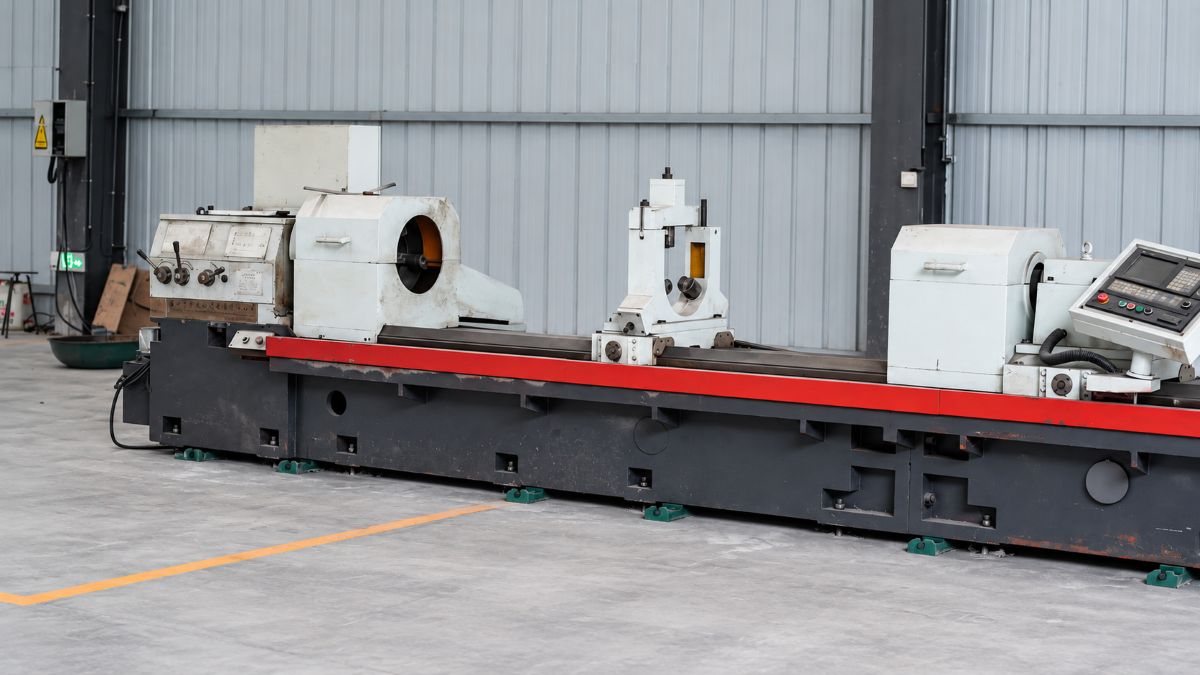
CNC machining means Computer Numerical Control machining.
It is a subtractive manufacturing process. A machine removes material from a solid block, bar, plate, or casting until the final shape is reached.
The cutting movement is controlled by programmed instructions. These instructions tell the machine where to move, how fast to cut, which tool to use, and how deep each pass should go.
In simple terms, CNC machining turns a digital design into a physical part.
2. How CNC Machining Works
Most projects start with a CAD file.
That file shows the part shape, dimensions, holes, threads, surfaces, and tolerances. The design is then prepared in CAM software, where toolpaths are created.
After that, the machine follows the program.
The cutting tool removes material step by step. The operator still matters. A skilled machinist checks setup, workholding, tool wear, coolant, vibration, and measurement.
That human judgment is often what separates a clean part from a rejected one.
3. Main Types of CNC Machining
CNC Milling
CNC milling uses rotating cutting tools.
It is often used for flat surfaces, pockets, slots, holes, contours, brackets, housings, and complex shapes. A milling machine can cut from several directions, depending on the axis setup.
For many custom metal and plastic parts, milling is the first process engineers consider.
CNC Turning
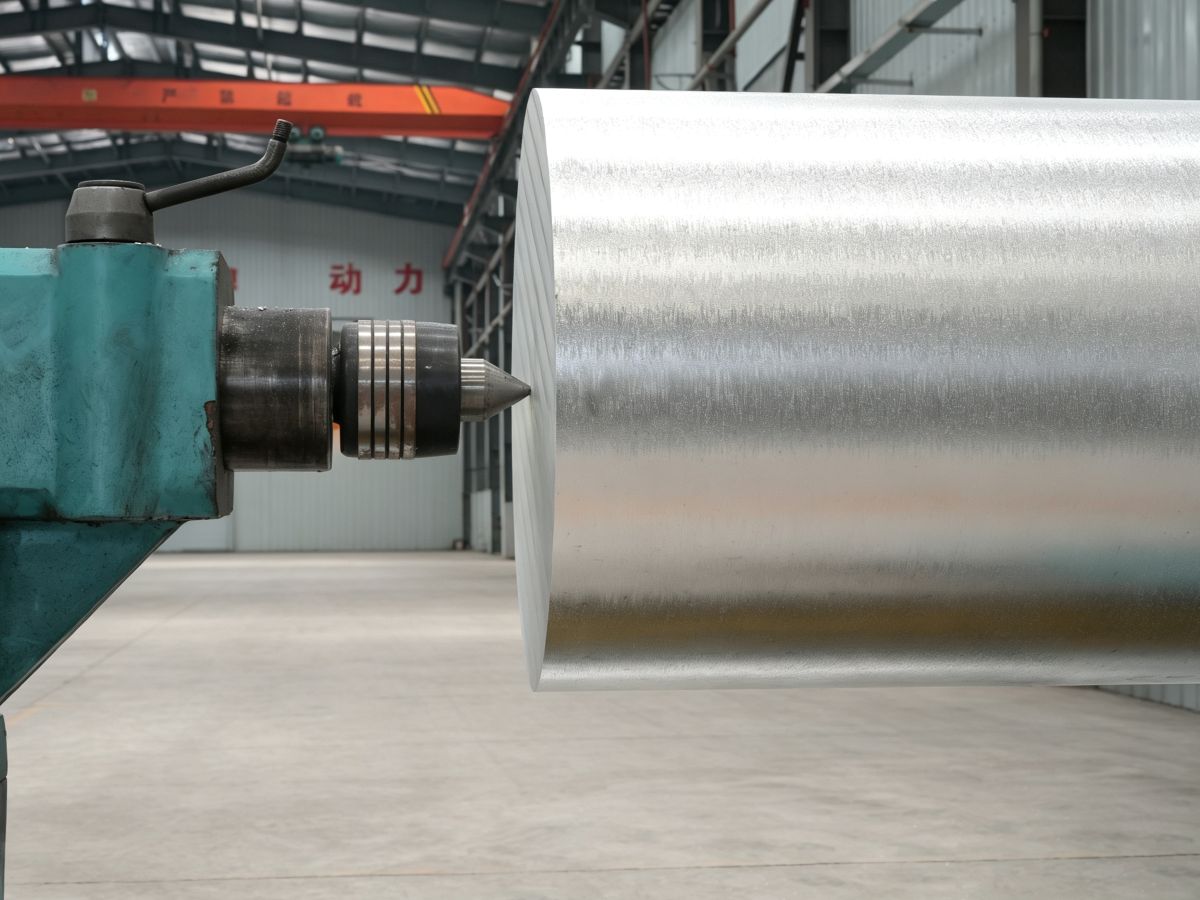
CNC turning is used for round parts.
The workpiece rotates while the cutting tool shapes the outside or inside diameter. Shafts, bushings, spacers, threaded parts, pins, and sleeves are common examples.
If the part is mainly cylindrical, turning is usually more efficient than milling.
CNC Drilling and Tapping
Drilling creates holes.
Tapping cuts internal threads. These operations look basic, but they can affect assembly quality. Poor hole position, weak thread depth, or bad burr control can create real problems later.
Multi-Axis CNC Machining
Multi-axis machines can reach more sides of the part in fewer setups.
This helps with complex geometry, tight alignment, and reduced fixture error. It is useful for aerospace, medical, automotive, electronics, and high-value industrial components.
4. What Materials Can Be CNC Machined?
CNC machining can process many metals and plastics.
Common metals include aluminum, stainless steel, carbon steel, brass, copper, titanium, and magnesium alloys. Common plastics include POM, PEEK, nylon, PTFE, ABS, acrylic, and polycarbonate.
Material choice should never be random.
For example, aluminum is easy to machine and widely used. Stainless steel offers strength and corrosion resistance. Copper conducts heat and electricity well. Magnesium alloy is chosen when weight reduction matters.
If your project involves lightweight metal parts, Miji Magnesium can help evaluate material suitability before machining begins.
5. Why Engineers Choose CNC Machining
CNC machining is popular because it gives control.
It can produce tight features, clean surfaces, accurate holes, and repeatable geometry. It also works well for prototypes, small batches, bridge production, and end-use parts.
The biggest advantage is flexibility.
You can change the design, adjust the toolpath, switch materials, or improve a feature without building a new mold. That makes CNC useful when the product is still moving.
6. CNC Machining Is Not Always the Best Choice
CNC machining is powerful, but it is not magic.
If the part has deep narrow pockets, very thin walls, sharp internal corners, or unrealistic tolerances, the process becomes harder. Cost can rise fast when the design fights the tool.
Some shapes are better made by casting, extrusion, sheet metal forming, or injection molding.
A smart supplier should not only quote the drawing. They should tell you where the design may create risk.
7. Where CNC Machining Can Go Wrong
Most CNC problems are not caused by the machine alone.
They often come from weak setup planning.
A thin wall may deflect during cutting. A soft plastic may move under clamping pressure. A magnesium alloy part may need strict chip and fire control. A copper part may smear if tool geometry is wrong.
Surface finish can also fail if the feed, speed, tool condition, or material behavior is poorly controlled.
This is why buying CNC parts only by price is risky.
8. CNC Machining Applications
CNC machining is used across many industries.
It supports aerospace brackets, automotive components, EV housings, electronic enclosures, medical fixtures, robotic parts, heat sinks, shafts, tooling plates, and industrial machine parts.
For lightweight engineering, CNC machining is often used after plate cutting, casting, extrusion, or forging.
That is common with magnesium alloy components, where the final part may need both weight reduction and accurate geometry.
FAQ
1. What does CNC machining mean?
CNC machining means Computer Numerical Control machining. It uses programmed machine tools to remove material from a workpiece and create a finished part.
2. Is CNC machining good for metal parts?
Yes. CNC machining is widely used for aluminum, steel, stainless steel, copper, brass, titanium, and magnesium alloy parts.
3. What is the difference between CNC milling and CNC turning?
Milling uses rotating tools to cut fixed material. Turning rotates the workpiece and is usually better for round parts.
4. Is CNC machining only for prototypes?
No. It is used for prototypes, low-volume production, custom parts, replacement components, and end-use industrial products.
5. What affects CNC machining cost?
Material, tolerance, part complexity, setup time, tool access, surface finish, batch size, and inspection requirements all affect cost.
6. What should I send for a CNC machining quote?
Send a 3D model, 2D drawing, material grade, tolerance requirements, surface finish needs, and application details.