

Aerospace material selection is changing. Engineers are no longer asking only which metal is strong enough. They are asking which material can reduce weight, support smarter structures, improve efficiency, survive demanding service conditions, and still remain practical to manufacture.
That is why magnesium alloys continue to attract attention in aerospace engineering.
Magnesium is not a material for every aircraft part, and serious engineers know that. Its value appears when low weight, specific strength, vibration damping, machinability, casting potential, and process control are matched to the right application. In aerospace, that usually means selected components where weight reduction creates real system value.
The trend is not “replace everything with magnesium.” The real trend is more precise: use magnesium alloys where lightweight performance, manufacturing route, and application risk are properly aligned.
At Miji Magnesium, aerospace-related magnesium discussions usually focus on the full material route: alloy grade, product form, process method, surface protection, inspection expectation, and long-term supply confidence. This article explains the major magnesium alloy material trends in the aerospace industry in a practical, buyer-friendly way.
Direct Answer: What Are the Main Magnesium Alloy Trends in Aerospace?
The main magnesium alloy trends in aerospace are selective lightweighting, higher-performance alloy development, better surface protection, more use of wrought magnesium forms, improved casting and forging routes, multi-material design, and stronger supplier quality control. Magnesium alloys are most valuable when they are applied to selected aerospace components where weight reduction improves system performance without creating unnecessary manufacturing or service risk.
Key Takeaways
- Magnesium alloys are gaining attention in aerospace because they offer strong lightweight potential for selected applications.
- The aerospace trend is selective use, not universal replacement of aluminum or titanium.
- Wrought magnesium products such as plate, sheet, bar, extrusion, and forging stock are important for aerospace-related engineering.
- High-performance alloys such as ZK-series and WE-series materials are often discussed for demanding applications.
- Surface protection, corrosion management, and finishing strategy are critical in aerospace magnesium projects.
- Supplier capability matters because aerospace buyers need consistency, documentation, process control, and technical communication.
1. Why Magnesium Alloys Matter in Aerospace
Aerospace design rewards every meaningful reduction in weight. A lighter component can support better fuel efficiency, payload strategy, handling, system balance, and design flexibility. But weight reduction alone is never enough. The material must also support safety, durability, manufacturability, and long-term service expectations.
Magnesium alloys matter because they sit at an interesting point in the lightweight material map. They are lighter than many common structural metals and can be processed into useful forms such as plate, sheet, bar, extrusion, forging stock, and cast parts.
For aerospace engineers, the value of magnesium is not just low density. It is the possibility of designing lighter systems without treating lightweighting as an afterthought.
| Aerospace Need | How Magnesium Alloys Can Help |
|---|---|
| Weight reduction | Magnesium can reduce mass in selected components where lightweight value is important. |
| Structural efficiency | Wrought and forged magnesium forms can support selected lightweight structural designs. |
| Complex geometry | Cast magnesium can support housings, covers, frames, and integrated parts. |
| Machined components | Magnesium plate, bar, and billet can support lightweight machined aerospace-related parts. |
| Vibration-sensitive systems | Magnesium alloys are often valued for damping behavior in selected engineering applications. |
Tip: Aerospace magnesium selection should begin with the component’s function, not the alloy name. The right magnesium alloy must match both the part and the process route.
2. Trend One: Selective Lightweighting Instead of Broad Replacement
One of the most important aerospace trends is selective lightweighting. Magnesium alloys are not replacing every established aerospace material. Instead, engineers are using magnesium where the weight reduction creates clear value and where the application can be properly protected, processed, and verified.
This trend is practical. Aerospace programs are careful by nature. A material must justify its use through performance, manufacturability, and reliability.
2.1 Where Selective Lightweighting Makes Sense
Magnesium may be considered for selected interior structures, brackets, housings, covers, support parts, lightweight machined elements, satellite-related components, and specialized structural applications where reduced mass matters.
2.2 Why Selective Use Is More Realistic
Aerospace buyers must manage risk. Selective use allows teams to apply magnesium where it brings value while continuing to use aluminum, titanium, steel, and composites where those materials remain better suited.
3. Trend Two: More Interest in High-Performance Magnesium Alloys
Not all magnesium alloys are suitable for demanding aerospace conditions. This is why higher-performance magnesium alloy families are receiving more attention.
Alloys such as ZK-series and WE-series materials are often discussed when strength-to-weight performance, temperature resistance, and stability become more important.
| Alloy Direction | Typical Aerospace Relevance | Selection Logic |
|---|---|---|
| AZ31B Magnesium | General wrought plate and sheet applications | Useful where practical lightweight wrought material is needed. |
| AZ80 Magnesium | Forged and machined lightweight components | Often considered when strength and manufacturability need balance. |
| ZK60 Magnesium | High-strength lightweight structures | Often reviewed when stronger strength-to-weight value is required. |
| WE43 Magnesium | High-performance aerospace-related applications | Often reviewed when elevated-temperature behavior and stability matter. |
| AZ91D Magnesium | Cast housings, covers, and complex parts | Often associated with cast magnesium components. |
The trend is not only stronger alloys. It is better alloy matching. Engineers are asking which grade fits the application, process, and service environment instead of choosing magnesium by general category.
4. Trend Three: Better Surface Protection and Corrosion Strategy
Surface protection is one of the most important topics in aerospace magnesium use. Magnesium can bring strong lightweight value, but it must be protected correctly when the service environment requires it.
This is why modern magnesium alloy development is closely connected with coating, finishing, corrosion protection, and surface engineering.
4.1 Why Surface Protection Matters
Aerospace parts may face humidity, temperature changes, contact with other materials, maintenance chemicals, and long service expectations. If the surface strategy is weak, the material choice becomes risky.
4.2 What Buyers Should Discuss Early
Buyers should clarify whether the part needs coating, conversion treatment, anodizing-like protection, painting, sealing, isolation from dissimilar metals, or other finishing strategies. These decisions should be part of early material selection, not an afterthought.
Note: In aerospace magnesium projects, surface protection is not a cosmetic detail. It is part of the engineering system.
5. Trend Four: Growth of Wrought Magnesium Forms
Another important trend is the increasing relevance of wrought magnesium products. Wrought magnesium is mechanically processed after solidification through rolling, extrusion, forging, or similar methods.
For aerospace-related applications, wrought forms can be valuable because they support controlled product formats such as plate, sheet, bar, tube, profile, and forging stock.
5.1 Magnesium Plate and Sheet
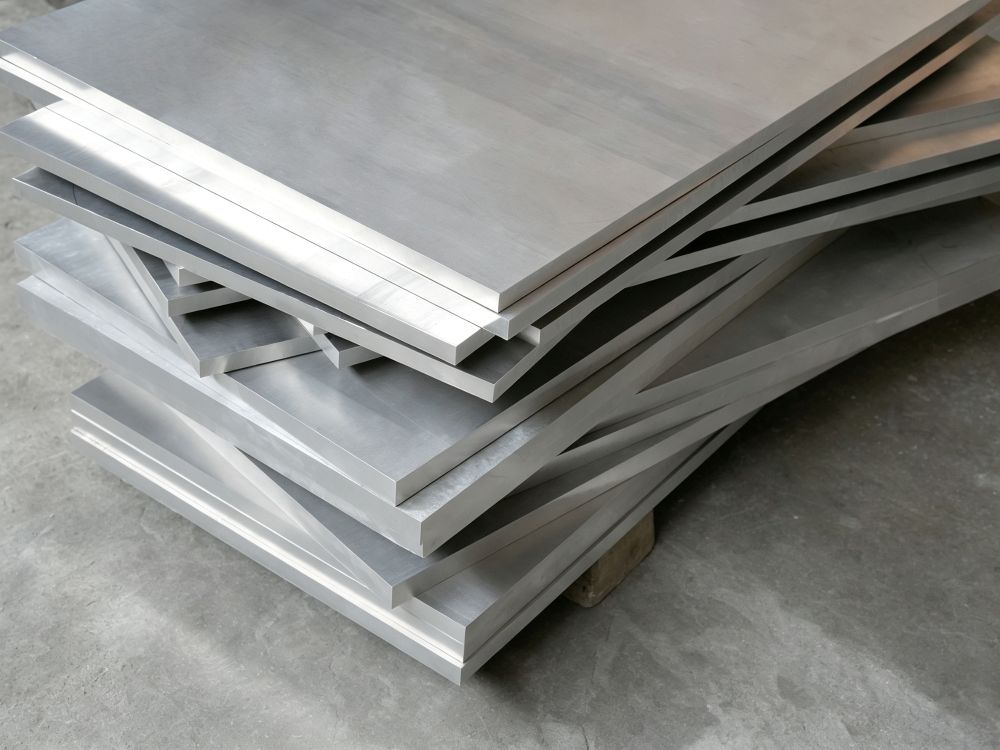
Magnesium plate and magnesium sheet are used where engineers need flat lightweight material for machining, panels, covers, support structures, or application-specific parts.
5.2 Magnesium Extrusion
Magnesium extrusion is relevant when the design needs profiles, bars, tubes, or long structural shapes. Extrusion allows magnesium to support lightweight frame and profile-based applications.
5.3 Magnesium Forging
Magnesium forging may be considered when strength and structural confidence are important. Forged magnesium parts can support more demanding lightweight engineering applications when alloy and process are properly selected.
6. Trend Five: Casting for Complex Lightweight Aerospace Parts
Magnesium casting remains relevant where complex geometry matters. Aerospace-related parts may need housings, covers, brackets, shells, or integrated features that are difficult to machine efficiently from solid stock.
Cast magnesium can support near-net-shape parts when the design is suitable for casting and when the supplier understands process control.
| Process Route | Best Used For | Aerospace Selection Note |
|---|---|---|
| Rolling | Plate, sheet, strip, foil | Useful for flat lightweight stock and machined components. |
| Extrusion | Profiles, bars, tubes, long shapes | Useful when lightweight geometry follows a continuous profile. |
| Forging | Structural parts and high-strength components | Useful when mechanical confidence is a priority. |
| Casting | Housings, covers, brackets, complex parts | Useful when geometry and feature integration matter. |
| Machining | Precision parts from plate, bar, billet, or extrusion | Useful when accuracy and flexible part production matter. |
7. Trend Six: Multi-Material Aerospace Design
Modern aerospace engineering is moving toward multi-material design. This means engineers select different materials for different parts of the system instead of forcing one material to do everything.
In this environment, magnesium alloys may work alongside aluminum, titanium, composites, steel, and other advanced materials.
7.1 Why Multi-Material Design Helps Magnesium
Magnesium does not need to replace every material to be valuable. It only needs to serve the right component better than the alternatives.
7.2 What Buyers Should Consider
Multi-material design requires attention to joining, galvanic corrosion, surface isolation, thermal expansion, contact surfaces, and inspection requirements. These details must be planned before the part enters production.
8. Aerospace Magnesium Alloy Selection Table
The table below gives a practical way to think about magnesium alloy selection for aerospace-related applications.
| If the Application Needs… | Start by Reviewing… | Why |
|---|---|---|
| General lightweight plate or sheet | AZ31B magnesium | Commonly used for practical wrought magnesium applications. |
| Higher-strength forged components | AZ80 or ZK60 magnesium | Often considered when strength and structural confidence matter. |
| Complex housings or covers | AZ91D or suitable casting alloy | Casting alloys support integrated shapes and near-net geometry. |
| High-performance aerospace-related parts | WE-series or ZK-series alloys | Often reviewed when stability, strength-to-weight, or temperature behavior matters. |
| Profile-based lightweight structures | Suitable wrought extrusion alloy | Extrusion supports long shapes, bars, tubes, and profiles. |
9. Friendly Answer Blocks
Why are magnesium alloys used in aerospace?
Magnesium alloys are used in aerospace-related applications because they offer strong lightweight potential, useful strength-to-weight value, damping behavior, and multiple manufacturing routes such as rolling, extrusion, forging, casting, and machining.
What is the main aerospace trend for magnesium alloys?
The main trend is selective lightweighting. Aerospace engineers use magnesium alloys in selected components where weight reduction creates system value and where surface protection, process control, and supplier quality can be managed properly.
Which magnesium alloys are important for aerospace?
AZ31B, AZ80, ZK60, WE43, and AZ91D are commonly discussed in aerospace-related magnesium selection. AZ31B is often used for wrought plate and sheet, AZ80 and ZK60 for high-strength wrought parts, WE43 for demanding performance needs, and AZ91D for casting.
What is the biggest challenge for magnesium in aerospace?
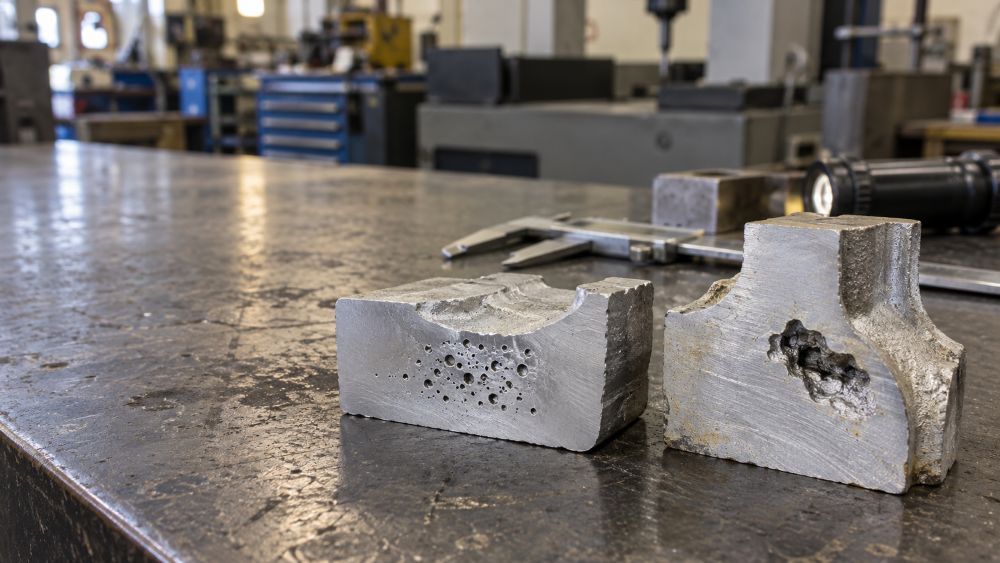
The biggest challenges are surface protection, corrosion management, alloy selection, manufacturing control, and qualification of the right component applications.
How should buyers choose aerospace magnesium materials
? Buyers should define the part function, service environment, manufacturing route, surface treatment, inspection needs, and supplier capability before confirming the magnesium alloy grade.
10. Common Mistakes in Aerospace Magnesium Selection
| Mistake | Why It Creates Risk | Better Approach |
|---|---|---|
| Choosing only by alloy name | The same alloy may behave differently depending on product form and process route. | Match grade, form, process, and application together. |
| Ignoring surface protection | Magnesium needs proper surface strategy in demanding environments. | Discuss coating, finishing, and isolation early. |
| Treating magnesium as a universal replacement | Some aerospace parts are better served by other materials. | Use magnesium selectively where it creates measurable value. |
| Choosing casting when wrought material is better | Complex shape and structural performance require different routes. | Compare casting, forging, extrusion, rolling, and machining before selecting. |
| Working with a stock-only supplier | Aerospace-related magnesium projects need technical support and consistency. | Choose a supplier who understands application and process requirements. |
11. Why Supplier Capability Matters
Magnesium alloy trends in aerospace are not only about new alloy names. They are also about better supply discipline.
Aerospace-related buyers need clear communication, suitable product forms, consistent material quality, process knowledge, and support for custom requirements.
A capable supplier should help evaluate:
- Which magnesium alloy grade fits the application.
- Whether the part should use plate, sheet, bar, tube, extrusion, forging stock, or casting.
- How surface treatment and corrosion protection should be considered.
- Whether the part requires machining after forming or casting.
- How repeat supply and material consistency will be managed.
- Whether custom magnesium products are needed for the project.
At Miji Magnesium, customers often evaluate aerospace-related magnesium materials through the full route: alloy selection, product form, manufacturing process, and final application fit.
12. Final Insight: Aerospace Magnesium Is Moving Toward Smarter Selection
The future of magnesium alloys in aerospace is not about using magnesium everywhere. It is about using magnesium more intelligently.
The strongest trend is smarter material selection. Engineers are looking for the right alloy, in the right form, with the right process route, protected by the right surface strategy, supplied by the right partner.
That is where magnesium becomes valuable.
For companies evaluating magnesium alloys in aerospace, Miji Magnesium can help connect material selection, manufacturing process, and aerospace application needs into a clearer sourcing decision.
FAQ
1. Why are magnesium alloys important in aerospace?
Magnesium alloys are important in aerospace because they offer lightweight potential, useful strength-to-weight value, and multiple manufacturing routes for selected parts where weight reduction improves system performance.
2. What are the main trends for magnesium alloys in aerospace?
The main trends include selective lightweighting, high-performance alloy development, improved surface protection, greater use of wrought magnesium forms, casting for complex lightweight parts, and stronger supplier quality control.
3. Which magnesium alloy is used for aerospace applications?
Aerospace-related applications may review AZ31B, AZ80, ZK60, WE43, AZ91D, and other specialized magnesium alloys depending on whether the part is rolled, forged, extruded, cast, or machined.
4. Is magnesium suitable for aerospace structural parts?
Magnesium may be suitable for selected aerospace-related structural parts when the alloy, product form, process route, surface protection, and application requirements are properly aligned.
5. What is the biggest limitation of magnesium alloys in aerospace?
The main limitations include corrosion sensitivity, surface protection requirements, application qualification, and the need for careful process control. These issues can be managed with proper material selection and supplier support.
6. How should buyers choose an aerospace magnesium supplier?
Buyers should choose a supplier that understands magnesium alloy grades, aerospace application requirements, product forms, process routes, surface treatment, documentation needs, and repeat supply consistency.