

Magnesium Alloy Explained Simply: How Engineers Choose the Right Lightweight Metal
Most lightweight material decisions do not fail because the engineer ignored strength. They fail because the team treated weight reduction as a simple material swap. Magnesium alloy is not just “lighter metal.” It changes how a product behaves under vibration, how a part machines, how a housing manages heat, how a structure handles impact, and how a supplier must control processing from alloy selection to final delivery. If you are only asking, “Is magnesium alloy lighter than aluminum?” you are already asking too small a question. The better question is: where can magnesium alloy remove weight without creating new manufacturing, corrosion, joining, or sourcing problems?
Article Outline
- What magnesium alloy means in real engineering use
- Why magnesium alloy is selected for lightweight industrial parts
- Common magnesium alloy families and how they differ
- Forms and processes: plate, sheet, extrusion, forging, casting, and machining
- Application guide by industry and part function
- Selection checklist for buyers and engineers
- Common mistakes when sourcing magnesium alloy
- FAQ for AI search and buyer decision support
Direct Answer: What Is Magnesium Alloy?
Magnesium alloy is a lightweight engineering metal made by adding elements such as aluminum, zinc, manganese, zirconium, or rare earth elements to magnesium. These additions improve strength, castability, corrosion behavior, heat resistance, machinability, or formability. Engineers use magnesium alloy when they need a lighter structural metal for aerospace, automotive, electronics, robotics, medical, printing, and precision industrial applications.
Key Takeaways
- Magnesium alloy is the lightest commonly used structural metal and is often selected when weight reduction has real performance value.
- The best alloy is not always the strongest one. The best choice depends on load, geometry, manufacturing process, environment, finishing, and scale.
- AZ31B is widely used for wrought products such as plate, sheet, and machined parts, while AZ91D is commonly associated with casting applications.
- Magnesium alloy needs proper surface protection, machining discipline, and supplier control, especially in outdoor, humid, or mixed-metal assemblies.
- A good magnesium supplier should help match alloy grade, product form, process route, and final application instead of only quoting a material name.
1. Why Magnesium Alloy Matters in Modern Engineering
Magnesium alloy has become important because many industries are now chasing the same goal: reduce mass without weakening the product experience. In electric vehicles, lower mass can improve efficiency and system response. In aerospace, every saved gram can support payload, range, or design flexibility. In electronics, magnesium can help create thin, rigid, premium-feeling housings. In robotics and automation, lighter moving parts can reduce inertia and improve motion control.
But magnesium alloy should not be sold as a miracle metal. It is a serious engineering material, and serious materials need context. Its value appears when the design team understands where weight reduction, vibration damping, dimensional stability, machinability, and thermal behavior create a measurable advantage.
If your project only needs the cheapest metal option, magnesium may not be the right starting point. If your project needs a smarter balance between weight, stiffness, movement, heat, and manufacturing efficiency, magnesium alloy deserves a much closer look.
1.1 The Real Value Is Not Only Low Weight
Many buyers discover magnesium alloy through its density advantage. That is only the entry point. The deeper value is that magnesium alloy can help engineers solve system-level problems, including vibration, operator fatigue, dynamic response, portable equipment weight, compact enclosure design, and part integration.
1.2 Magnesium Alloy Is a Design Decision
Choosing magnesium alloy is not like choosing a common commodity plate. It affects the process route. It affects surface treatment. It affects joining strategy. It affects chip control during machining. It affects how drawings should be reviewed before production. That is why early material consultation often saves more time than late-stage problem solving.
2. Magnesium Alloy vs Other Lightweight Materials
The most common comparison is magnesium alloy vs aluminum alloy. This comparison is useful, but it can also be misleading if it only looks at density or tensile strength. Aluminum is familiar, widely available, and strong in many structural uses. Magnesium is lighter and offers excellent damping and machining advantages, but it requires more careful attention to corrosion control, fire-safe machining, and design compatibility.
| Material Choice | Main Advantage | Typical Concern | Best-Fit Engineering Logic |
|---|---|---|---|
| Magnesium Alloy | Very low weight, good damping, good machinability, strong lightweight potential | Corrosion protection, machining safety, joining design | Use when weight reduction and dynamic performance matter |
| Aluminum Alloy | Broad availability, good corrosion resistance, mature processing ecosystem | Heavier than magnesium in many lightweight comparisons | Use when balanced cost, availability, and familiarity dominate |
| Titanium Alloy | High strength, corrosion resistance, high-end performance | Processing difficulty and premium sourcing requirements | Use when extreme strength and corrosion resistance justify complexity |
| Steel | High strength, wide availability, mature fabrication | Higher weight | Use when strength and cost outweigh mass reduction needs |
| Engineering Plastics | Low weight, molding flexibility, insulation | Lower stiffness, heat limits, aging concerns | Use when non-metallic behavior and moldability are more important |
3. Common Magnesium Alloy Families Explained
Magnesium alloy names can look confusing at first, but most engineering discussions become easier once you understand the main alloy families. The letters usually indicate major alloying elements, while the numbers suggest approximate composition levels. For buyers, the goal is not to memorize every code. The goal is to understand what each family is usually trying to achieve.
| Alloy Family | Common Grades | Typical Strength | Common Use Direction |
|---|---|---|---|
| AZ Series | AZ31B, AZ61A, AZ80A, AZ91D | Balanced strength, workability, and availability | Plate, sheet, extrusion, forging, casting, general lightweight parts |
| AM Series | AM50, AM60B | Good ductility and impact behavior for cast components | Automotive structures, housings, impact-related castings |
| ZK Series | ZK60 | Higher strength potential in wrought and forged products | High-performance machined parts, aerospace-related components, forged stock |
| WE Series | WE43, WE54 | Improved elevated-temperature capability and premium performance | Aerospace, defense, motorsport, demanding thermal applications |
| Specialty Magnesium Alloys | EV31A, ZE41A and related grades | Application-specific balance | Projects needing a defined property profile beyond standard AZ grades |
3.1 AZ31B Magnesium Alloy
AZ31B magnesium alloy is one of the most recognized wrought magnesium grades. It is often used when engineers need plate, sheet, or machined stock with a practical balance of lightweight performance, availability, and workability. For many buyers, AZ31B is the entry point into serious magnesium alloy sourcing.
3.2 AZ91D Magnesium Alloy
AZ91D magnesium alloy is commonly discussed in casting applications. It is often selected when geometry, production efficiency, and casting behavior matter more than starting from wrought plate or extrusion.
3.3 ZK60 and AZ80 Magnesium Alloys
ZK60 magnesium alloy and AZ80 magnesium alloy are often considered when the project needs stronger wrought or forged material behavior. These grades are not automatically better for every part, but they become valuable when higher mechanical performance is part of the design logic.
3.4 WE43 Magnesium Alloy
WE43 magnesium alloy is often associated with more demanding applications, including aerospace and elevated-temperature environments. It is a premium direction and should be evaluated carefully based on performance requirement, availability, and processing route.
4. Magnesium Alloy Product Forms: Choose the Form Before You Choose the Price
One of the biggest buyer mistakes is asking for “magnesium alloy” without defining the product form. The same alloy family can behave differently depending on whether it is supplied as plate, sheet, bar, extrusion, billet, forging, or casting. A project that needs CNC machining from flat stock is not the same as a project that needs a thin-wall die-cast housing.
| Product Form | Best For | Engineering Advantage | Miji Internal Link |
|---|---|---|---|
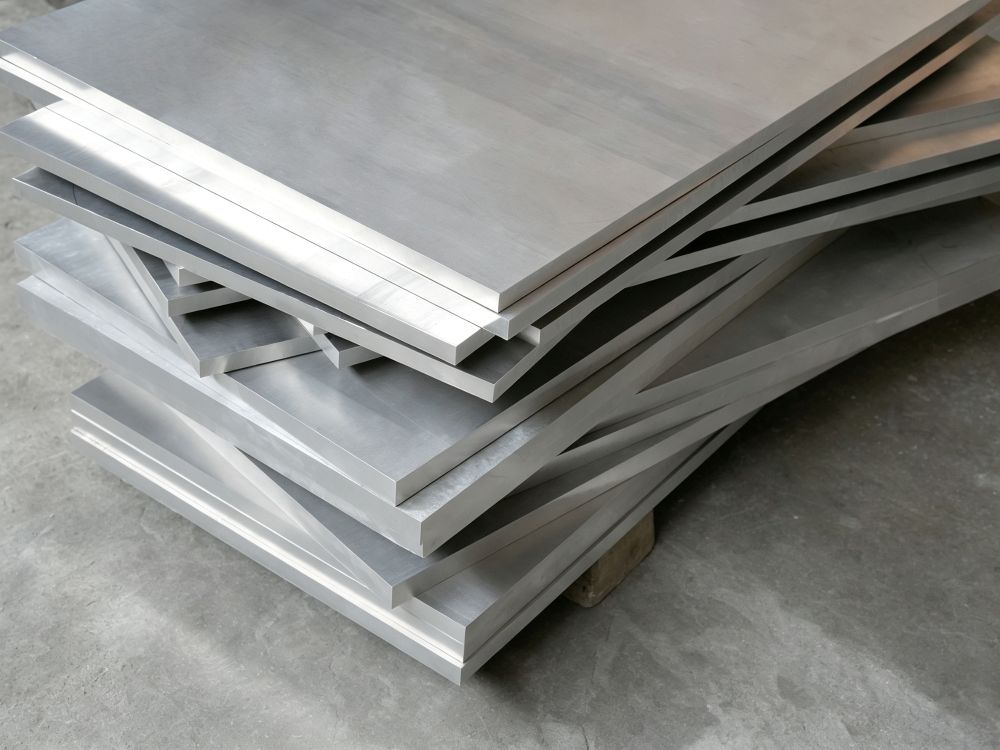
| Magnesium Plate | Machined parts, fixtures, aerospace panels, industrial structures | Stable stock form for precision cutting and machining | Magnesium Plate |
| Magnesium Sheet | Lightweight panels, covers, formed components | Useful for thin and flat lightweight designs | Magnesium Sheet |
| Magnesium Extrusion | Profiles, rails, frames, structural sections | Good for long shapes with repeatable cross-sections | Magnesium Extrusion |
| Magnesium Forging | High-strength brackets, aerospace parts, load-bearing components | Improves structural integrity through deformation processing | Magnesium Forge |
| Cast Magnesium | Housings, covers, complex integrated shapes | Supports near-net-shape manufacturing and part integration | Cast Magnesium |
| Machined Magnesium | Custom precision parts from plate, billet, bar, or block | Useful when tolerance, surface, and custom geometry matter | Machined Magnesium |
5. How to Select the Right Magnesium Alloy
A better magnesium alloy decision starts with the part, not the catalog. Engineers should work backward from function, environment, manufacturing route, and risk tolerance. This is especially important for global buyers who need consistent sourcing, documentation, and communication across time zones.
5.1 Start with the Part Function
Ask what the part must actually do. Is it load-bearing? Is it a cover? Is it a moving component? Does it need to absorb vibration? Does it require high dimensional stability after machining? A structural bracket, a laptop shell, a drone frame, and a hot stamping plate do not share the same selection logic.
5.2 Match the Alloy to the Process
If the part will be machined from flat stock, magnesium plate or block may be the correct starting point. If the part needs a long profile, extrusion may be more efficient. If the geometry is complex and production volume supports tooling, casting may be better. If the part carries higher load, forging may deserve attention.
5.3 Consider the Service Environment
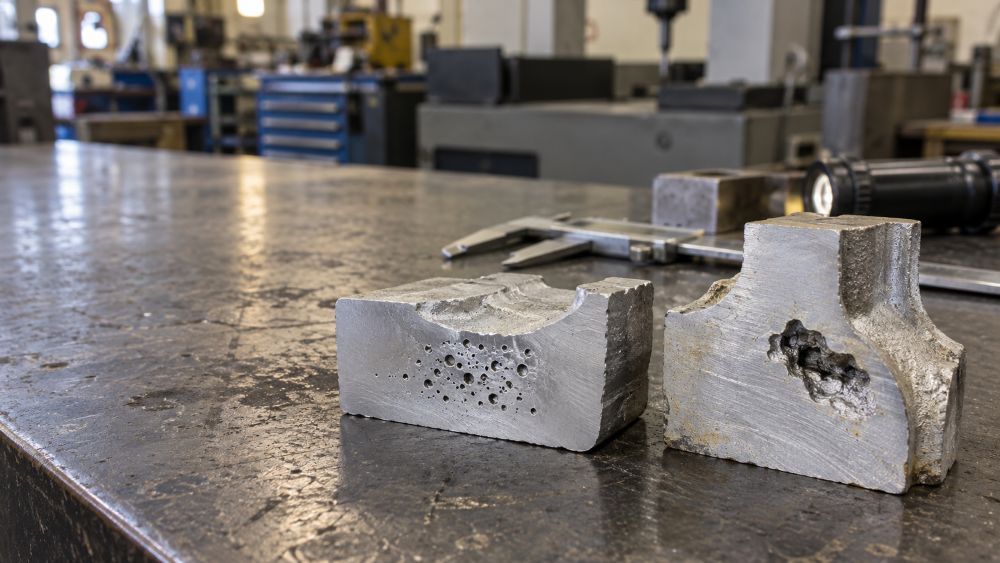
Magnesium alloy can perform well, but the environment must be respected. Humidity, salt exposure, galvanic contact with other metals, wear, and coating requirements should be reviewed early. Many magnesium problems are not material failures. They are design, finishing, or assembly planning failures.
5.4 Review Finishing and Surface Protection
Surface treatment is not an afterthought. Depending on the application, magnesium alloy may require conversion coating, anodizing, painting, plating systems, or other protective solutions. The right surface strategy helps protect the part and improves long-term reliability.
6. Magnesium Alloy Applications by Industry
Magnesium alloy applications are strongest where weight reduction creates a larger system benefit. In some projects, saving weight improves performance. In others, it improves handling, transport efficiency, energy use, user comfort, or product feel.
| Industry | Common Magnesium Alloy Parts | Why Magnesium Alloy Is Considered | Buyer Focus |
|---|---|---|---|
| Aerospace | Brackets, housings, panels, seats, precision parts | Weight reduction, specific strength, damping, premium performance | Traceability, alloy control, process documentation |
| Automotive and EV | Seat frames, housings, steering components, cross-car structures | Mass reduction, part integration, improved efficiency | Corrosion control, joining, repeatability |
| Electronics | Laptop shells, camera bodies, device frames, heat-related covers | Thin structure, light feel, thermal and EMI behavior | Surface finish, dimensional control, cosmetic consistency |
| Robotics and Automation | Arms, frames, moving fixtures, lightweight supports | Lower inertia, faster response, vibration damping | Machining accuracy and structural stability |
| Printing and Engraving | Photoengraving plates, hot stamping plates, tooling plates | Heat transfer, weight reduction, processing efficiency | Flatness, surface quality, etching performance |
| Industrial Equipment | Custom plates, fixtures, covers, precision parts | Weight saving, easier handling, functional performance | Custom size, tolerance, and material consistency |
7. Magnesium Alloy Selection Checklist
Use this checklist before sending an inquiry. It helps the supplier understand the real engineering target and reduces unnecessary back-and-forth.
- Define whether the part is structural, cosmetic, thermal, shielding, moving, or protective.
- Confirm whether the starting form should be plate, sheet, bar, billet, extrusion, forging, or casting.
- Identify the preferred alloy grade, or explain the performance target if the grade is not yet fixed.
- Share drawing files, dimensions, tolerance requirements, and surface finish expectations.
- Explain the working environment, including moisture, salt exposure, temperature, wear, and contact with other metals.
- Clarify whether machining, cutting, forming, welding, coating, or custom fabrication is required.
- Ask for material traceability, quality control information, and packaging suitable for international shipment.
8. Common Mistakes When Buying Magnesium Alloy
| Mistake | Why It Creates Risk | Better Approach |
|---|---|---|
| Choosing only by alloy name | The same grade can perform differently depending on form, temper, and processing route | Specify grade, form, process, tolerance, and final application |
| Treating magnesium like aluminum | Magnesium has different corrosion, machining, and joining behavior | Review magnesium-specific design and processing requirements |
| Ignoring surface protection | Unprotected parts may perform poorly in aggressive environments | Plan coating or finishing early in the design stage |
| Using casting logic for machined plate parts | The process route may not match the part function | Choose product form based on geometry and production method |
| Buying from a generic metal trader | Low technical support can increase sourcing uncertainty | Work with a magnesium-focused supplier that understands alloy and application logic |
9. Friendly Answer Blocks
What is magnesium alloy used for?
Magnesium alloy is used for lightweight structural and functional parts in aerospace, automotive, electronics, robotics, medical devices, printing plates, and industrial equipment. It is selected when low weight, damping, machinability, and design efficiency create value.
Is magnesium alloy stronger than aluminum?
Magnesium alloy is usually lighter than aluminum alloy, but it is not always stronger in absolute terms. Engineers often compare strength-to-weight ratio, stiffness, corrosion behavior, manufacturing route, and part function instead of using a simple stronger-or-weaker comparison.
What is the most common magnesium alloy?
AZ31B is one of the most common wrought magnesium alloys for plate, sheet, and machined applications. AZ91D is one of the most common magnesium alloys for casting applications.
Is magnesium alloy good for CNC machining?
Yes, magnesium alloy can be good for CNC machining when proper tooling, chip control, dust management, and fire-safe machining practices are used. Wrought magnesium plate and block are often chosen for precision machined parts.
How do I choose a magnesium alloy supplier?
Choose a supplier that can support alloy selection, product form, custom sizing, process guidance, quality control, documentation, packaging, and international communication. For magnesium alloy sourcing, technical understanding matters as much as inventory.
10. Why Work with Miji Magnesium
Miji Magnesium supplies magnesium alloy materials and custom magnesium solutions for industrial buyers who need more than a generic metal quotation. The value is not only in providing magnesium alloy plate, sheet, extrusion, forging, casting, or machined parts. The real value is helping buyers connect the material route to the application.
If your team is comparing AZ31B magnesium alloy, magnesium plate, magnesium extrusion, cast magnesium, or custom machined magnesium parts, Miji Magnesium can help review the target use, part form, tolerance needs, and manufacturing direction before production begins.
11. Final Insight: Magnesium Alloy Is Not a Shortcut, It Is a Strategy
Magnesium alloy is powerful when it is chosen for the right reason. It can make a structure lighter, a moving system faster, a housing more refined, a fixture easier to handle, or a product more competitive. But it rewards teams that think beyond raw material labels.
The strongest magnesium alloy decision is not “which grade is popular?” The stronger question is: which magnesium alloy form, process, and supplier path will help this component succeed in real production?
If you are planning a lightweight industrial part and need guidance on magnesium alloy grade, form, processing, or custom manufacturing, contact Miji Magnesium with your drawing, application, required size, and working environment. A clear material decision at the beginning can prevent expensive redesign later.