

Introduction: The Hardware Challenge of “Thinner and Faster”
In the 3C sector (Computer, Communication, Consumer Electronics), the design brief is deceptively simple: make it thinner, make it faster, and keep it cool. As internal processors push toward higher wattages and consumers demand extreme portability, traditional plastics and even aluminum are hitting their physical limits.
Magnesium alloys have emerged as the strategic bridge in this gap. By offering the lowest density of all structural metals alongside high thermal conductivity and EMI shielding, magnesium allows brands to achieve a “premium feel” and structural rigidity that composites simply cannot match. Shanghai Miji Magnesium Industry Co., Ltd. supports this high-precision market by providing the specific alloys and semi-finished components required for the tight tolerances of modern device assembly.
Why Magnesium? The Engineering Logic for 3C Devices
Specific Stiffness and the “Thin-Wall” Advantage
While aluminum is often the default “premium” metal, magnesium’s density is roughly 33% lower. For a laptop chassis or a tablet frame, this allows engineers to increase the wall thickness slightly—improving overall rigidity and “hand feel”—while still weighing less than a thinner, flex-prone aluminum equivalent.
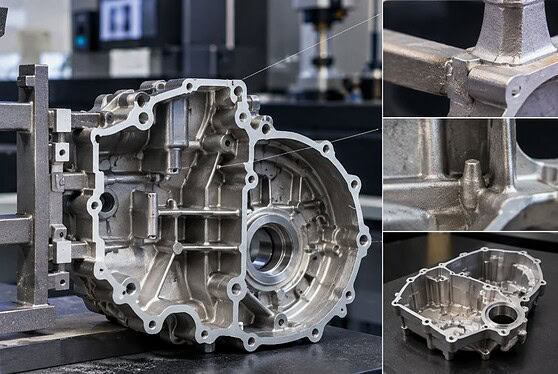
- Part Consolidation: Magnesium’s excellent flow characteristics during high-pressure die casting (HPDC) allow for the creation of incredibly complex, single-piece internal frames that incorporate bosses, ribs, and mounting points, reducing the need for secondary assembly.
- Dimensional Stability: Unlike plastics, magnesium maintains its shape under thermal stress, ensuring that tight-fitting internal components—like battery cells and logic boards—remain secure over the life of the product.
EMI Shielding and Signal Integrity
As 5G and high-frequency Wi-Fi become standard, internal electromagnetic interference (EMI) is a major design hurdle. Magnesium alloys provide inherent conductive shielding. This reduces the need for heavy, expensive EMI gaskets or metallic sprays often required for plastic housings, simplifying the Bill of Materials (BOM).
Core Applications in 3C Architecture
1. Ultrabooks and High-End Laptops
Magnesium is the standard for the “C-cover” (keyboard deck) and “D-cover” (bottom chassis) of professional-grade laptops.
- The Benefit: It prevents keyboard flex and provides a stable thermal sink for the motherboard.
- Tactile Quality: Advanced surface treatments allow for a “soft-touch” metallic feel that distinguishes flagship models from mid-range plastic alternatives.
2. Internal Smartphone Structural Frames
While the exterior of a phone may be glass or titanium, the “mid-frame”—the skeleton that holds the screen, battery, and logic board together—is increasingly magnesium. Its high strength-to-weight ratio protects delicate OLED screens from torsional stress (bending) without making the device bulky.
3. Wearables: Wearability via Mass Reduction
For smartwatches and VR/AR headsets, weight is the primary metric for user comfort. Magnesium alloys enable durable, metallic enclosures for wearables that are light enough for 24/7 use, often using AZ91D for its superior casting detail.
Thermal Management: Preventing Throttling in Compact Spaces
Heat is the enemy of performance. As SoCs (System on a Chip) become more powerful, they generate localized “hot spots.”
- Heat Spreading: Magnesium’s thermal conductivity allows it to act as a chassis-wide heat spreader, diffusing heat away from the processor and toward the outer skin of the device.
- Active Cooling Support: Magnesium is frequently used for fan housings and mounting brackets within thermal modules because it withstands the constant vibration of high-RPM fans without fatigue.
Alloy Selection for the Electronics Lifecycle
Choosing an alloy depends on the manufacturing path (CNC vs. Casting) and the required durability.
| Alloy Grade | Manufacturing Process | Ideal Use Case |
| AZ31B | CNC Machining / Stamping | High-end laptop lids and structural plates requiring high surface finish. |
| AZ91D | Die Casting | Complex internal frames and housings with intricate geometric details. |
| AM60B | Die Casting | Components requiring high impact resistance and ductility (e.g., tablet frames). |
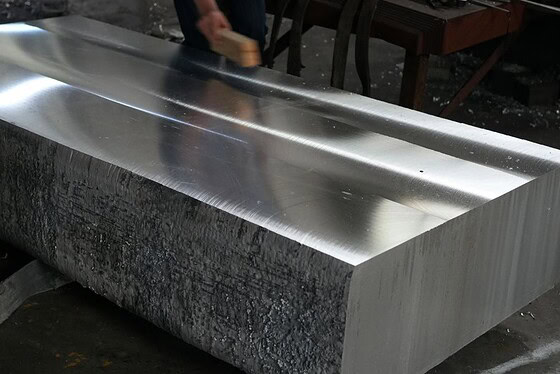
Shanghai Miji Magnesium Industry provides these alloys in formats—plates, rods, and custom-cut profiles—that align with the rapid prototyping cycles typical of the electronics industry.
Manufacturing Reality: From Raw Metal to Aesthetic Finish
For 3C products, “precision” isn’t just a buzzword; it’s a requirement for assembly.
- High-Speed CNC: Magnesium’s machinability allows for incredibly fast cycle times, but requires expert handling to manage chips and ensure safety.
- Surface Aesthetics: To meet consumer expectations, magnesium components undergo sophisticated finishing, including Micro-Arc Oxidation (MAO), PVD coating, or specialized powder coating. These treatments provide the necessary corrosion resistance while allowing for a wide range of colors and textures.
Conclusion: Material-Driven Innovation
In a crowded 3C market, material choice is often the deciding factor in a product’s success. Magnesium alloys enable the “impossible” geometry and extreme lightweighting that consumers now expect.
By integrating high-performance materials from a specialized partner like Shanghai Miji Magnesium Industry Co., Ltd., hardware engineers can push the boundaries of device thickness and thermal performance, turning material science into a measurable competitive advantage.
Warning: Undefined variable $current_category_id in /www/wwwroot/mijimg.com/wp-content/themes/v1/template-parts/single/products.php on line 47
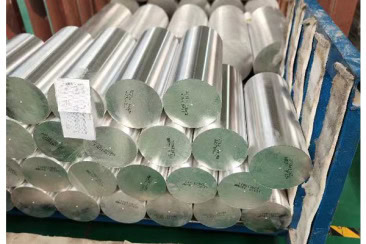
AZ91E magnesium alloy certification and quality document support from Miji Magnesium.
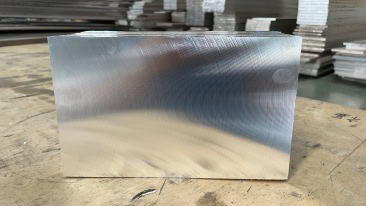
The company has advanced imported testing instruments such as spectrometer, tensile tester, and metallographic inspection to ensure the quality of products.
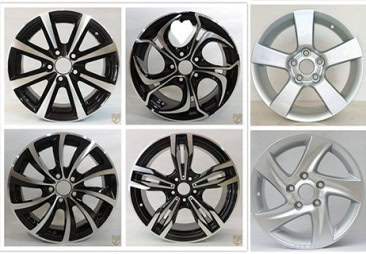
Casting magnesium alloy wheels is an advanced manufacturing process that offers several benefits for automotive applications.
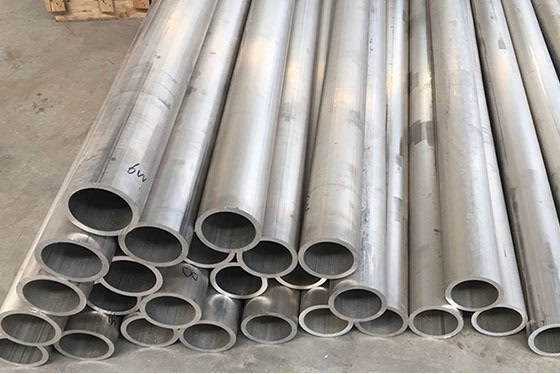
Miji Magnesium proudly introduces our line of Pure Magnesium Tubes, meticulously crafted to meet and exceed the most stringent quality benchmarks. Ideal for specialized applications requiring the highest purity levels, our product offers a range of unique advantages over alloy variants.
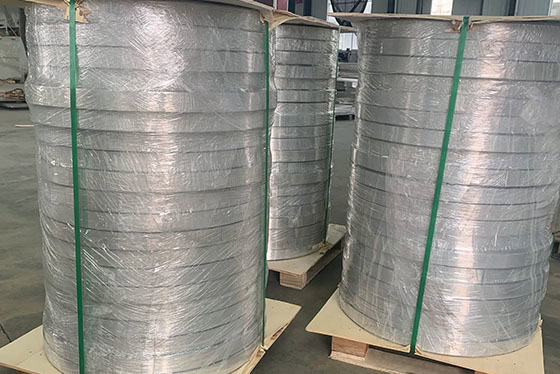
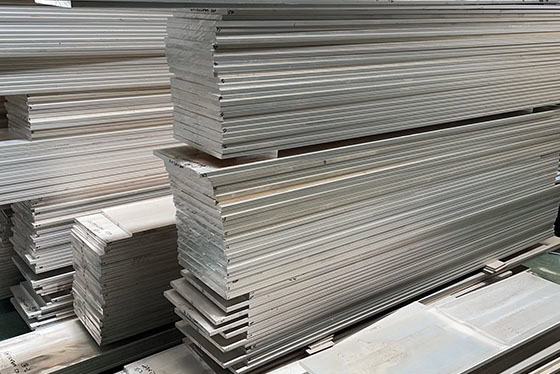
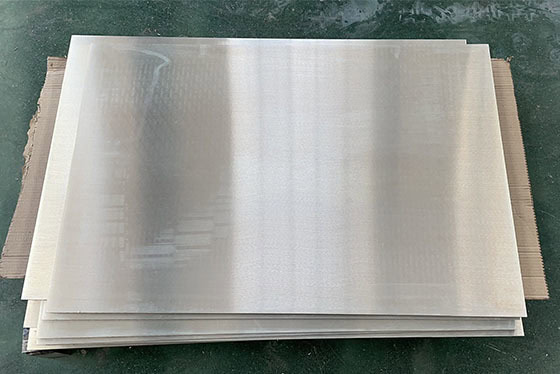
Size:600*900*(1.75-10)T Magnesium plates are revolutionizing the letterpress printing industry with their precision, durability, and exceptional quality. Specially crafted for the demands of letterpress, these plates offer an unmatched level of detail and consistency in printing
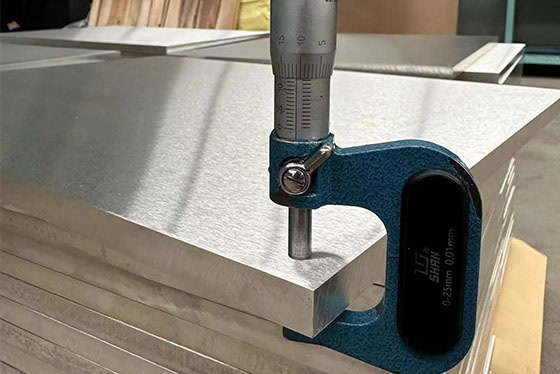
Miji magnesium provide AZ31B magnesium alloy in various forms, including plates, bars, profiles, and machined parts, and we can also custom-produce magnesium alloy products according to your drawings.

Choosing a magnesium extrusion alloy starts with the pr […]

AZ61A magnesium extrusion is a good fit when you need a […]

The gating ratio for aluminum and magnesium castings is […]

AZ80A magnesium forging is a practical option for light […]
AZ80A-T5 vs AZ80A-T6 is mainly a question about the rou […]

CNC machining AZ80A magnesium is usually straightforwar […]

AZ80A is usually the better candidate when a wrought ma […]

AZ31B is usually the easier starting point when a light […]
Ingate placement changes more than where metal enters a […]

Thixomolding vs magnesium die casting can both produce […]