

Introduction: The Shift from Incrementalism to Systemic Weight Reduction
The automotive industry is no longer in a phase of gradual evolution; it is undergoing a total architectural shift. As electrification and stringent emissions targets become the primary drivers of design, “lightweighting” has transitioned from a premium feature to a core requirement. In this landscape, magnesium alloys have emerged as a critical tool for engineers who have already exhausted the traditional limits of high-strength steel and aluminum.
Rather than viewing magnesium as a niche replacement, forward-thinking manufacturers are using it as a targeted solution to improve vehicle dynamics and battery range. Companies like Shanghai Miji Magnesium Industry Co., Ltd. are supporting this shift by moving beyond raw material supply, providing the precision-machined components and specialized alloys necessary for high-volume automotive production.
The Strategic Case for Magnesium in Modern Vehicle Architecture
Beyond Aluminum: Achieving the Next Tier of Efficiency
While aluminum has been the standard for lightweighting for decades, magnesium offers a roughly 33% weight reduction over aluminum and 75% over steel. In the context of Electric Vehicles (EVs), this weight saving is vital to offset the substantial mass of battery packs.
Magnesium’s value proposition is centered on:
- Specific Stiffness: It allows for the design of thin-walled, complex castings that maintain structural rigidity.
- Part Consolidation: Its excellent fluid flow during casting enables engineers to replace multi-part steel assemblies with a single, complex magnesium die-cast, reducing both mass and assembly costs.
- Reduced Unsprung Mass: When used in steering and suspension components, magnesium improves handling and reduces the load on damping systems.
Damping and NVH Performance
One of magnesium’s “hidden” advantages is its high damping capacity. It absorbs energy more efficiently than aluminum or steel, which is critical for NVH (Noise, Vibration, and Harshness) management. By using magnesium for interior frames and powertrain housings, manufacturers can create a quieter cabin environment—a major selling point for premium EVs where engine noise no longer masks mechanical vibrations.
Core Automotive Applications
1. Interior Systems and Safety
Magnesium is the material of choice for high-pressure die-cast interior components.
- Dashboard and IP Beams: The cross-car beam is often the largest magnesium casting in a vehicle, providing a stiff mounting point for steering columns and electronics while saving several kilograms.
- Seat Frames: Using magnesium alloys allows for high-strength, low-profile seat designs that increase passenger legroom without sacrificing crash safety.
2. Powertrain and EV Battery Integration
As drivetrains shift from ICE to electric, magnesium’s role is evolving:
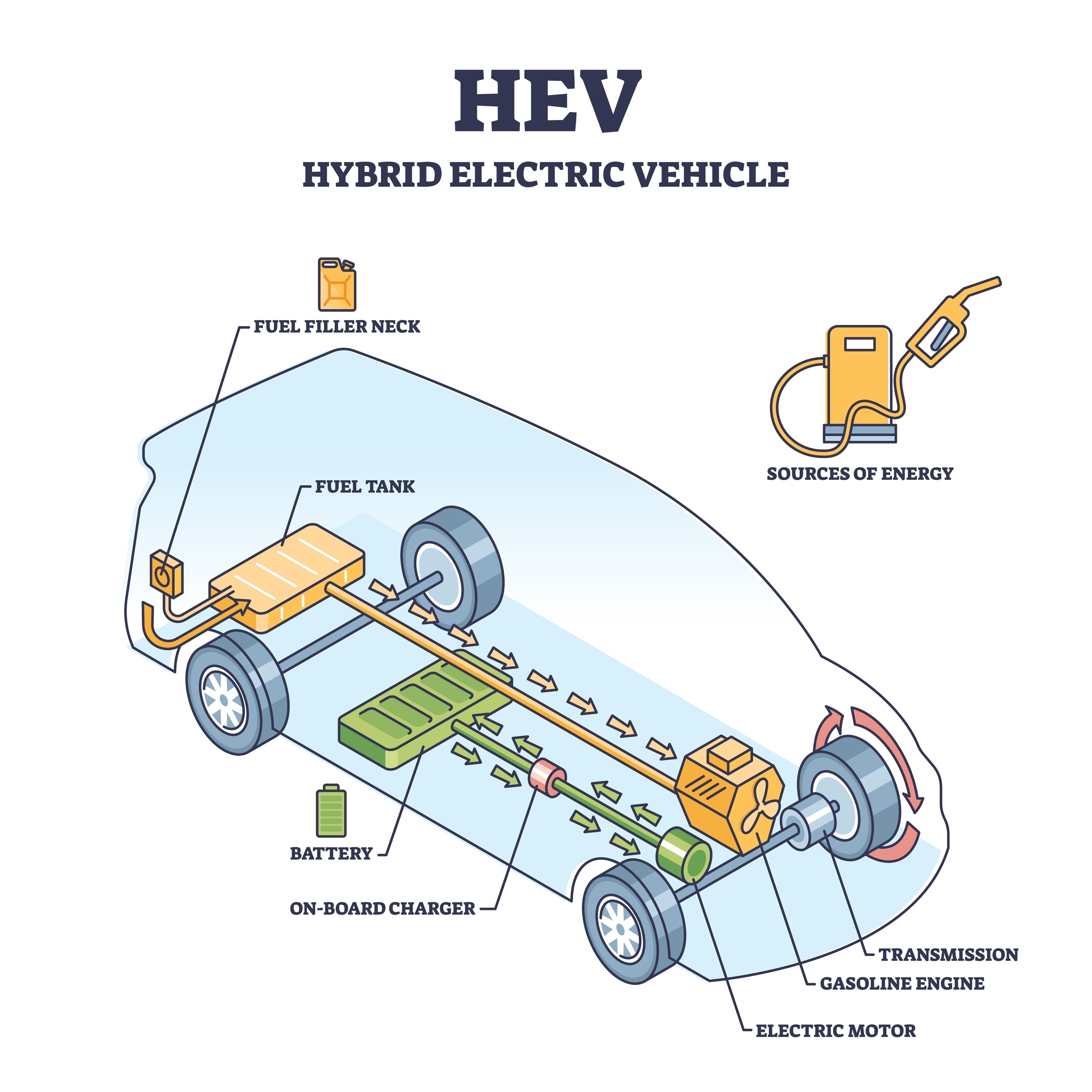
- Housing and Casings: Transmission housings, gearbox covers, and EV motor enclosures benefit from magnesium’s thermal conductivity and light weight.
- Battery Enclosures: For hybrid systems and modular battery components, magnesium provides electromagnetic shielding and heat dissipation with minimal weight penalty.
3. Steering and Chassis Components
Magnesium’s high specific strength makes it ideal for steering wheel cores, column brackets, and pedal boxes—areas where weight reduction directly impacts the driver’s tactile experience and vehicle responsiveness.
Alloy Selection: Matching Material to Function
Choosing the right alloy is a balance between ductility, strength, and environmental resistance.
| Alloy Series | Engineering Characteristic | Typical Application |
| AM50 / AM60 | High ductility and energy absorption. | Crash-relevant parts (Steering wheels, seat frames). |
| AZ91D | Excellent castability and corrosion resistance. | Powertrain housings and brackets. |
| AZ31B | Superior machinability and stiffness. | Precision-machined prototypes and structural plates. |
| AS/AE Series | Enhanced creep resistance at high temperatures. | Engine and transmission components. |
Shanghai Miji Magnesium Industry facilitates this selection process by providing a comprehensive inventory—from standard plates and rods to custom-forged components—ensuring that the material properties align with the specific stress-state of the part.
Manufacturing Reality: Efficiency and Scalability
Magnesium is often more efficient to process than aluminum in a mass-production environment:
- Faster Cycle Times: Magnesium has a lower heat content per unit volume, meaning it cools faster in the die, allowing for more “shots” per hour in die-casting.
- Tool Longevity: Magnesium has a low affinity for iron, which significantly reduces “soldering” to the die and extends the life of expensive tooling.
- Machining Speed: It is arguably the easiest structural metal to machine, allowing for higher feed rates and lower energy consumption during finishing.
Mitigating Environmental and Durability Risks
The two historical hurdles for magnesium—corrosion and flammability—are managed through modern chemical engineering:
- Corrosion: High-purity alloys and advanced surface treatments (such as Keronite or PEO coatings) ensure that magnesium components can withstand the harsh underbody environments of northern winters.
- Safety: In solid form, automotive-grade magnesium alloys are not a fire hazard. They are rigorously tested and used globally in steering and seating systems without safety concerns.
Conclusion: A System-Level Competitive Advantage
In the modern automotive market, magnesium is no longer an “alternative” material—it is a strategic necessity for hitting weight and range targets. Its ability to simplify assemblies through part consolidation while simultaneously lowering vehicle mass provides a double-edged advantage in cost and performance.
For OEMs and Tier-1 suppliers, success depends on material consistency and engineering support. Partnering with a specialized supplier like Shanghai Miji Magnesium Industry Co., Ltd. ensures that manufacturers can transition from prototype to high-volume production with a stable, high-quality supply chain.
Warning: Undefined variable $current_category_id in /www/wwwroot/mijimg.com/wp-content/themes/v1/template-parts/single/products.php on line 47
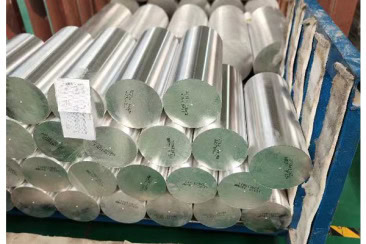
AZ91E magnesium alloy certification and quality document support from Miji Magnesium.
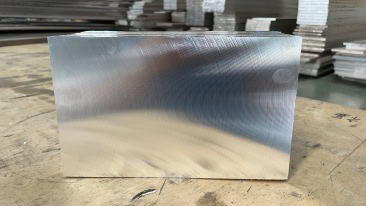
The company has advanced imported testing instruments such as spectrometer, tensile tester, and metallographic inspection to ensure the quality of products.
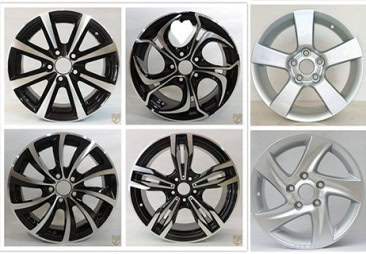
Casting magnesium alloy wheels is an advanced manufacturing process that offers several benefits for automotive applications.
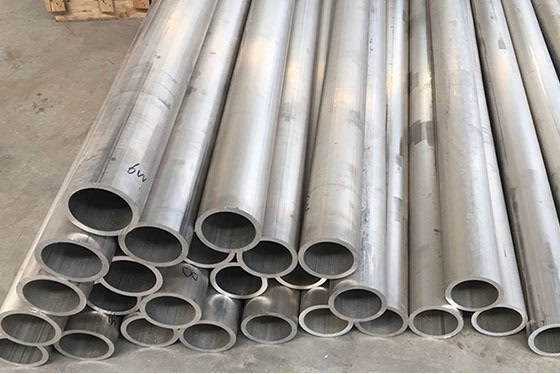
Miji Magnesium proudly introduces our line of Pure Magnesium Tubes, meticulously crafted to meet and exceed the most stringent quality benchmarks. Ideal for specialized applications requiring the highest purity levels, our product offers a range of unique advantages over alloy variants.
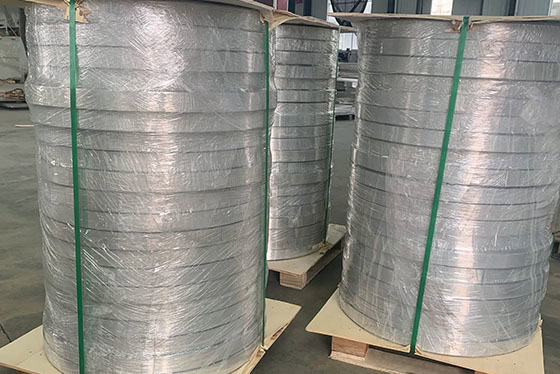
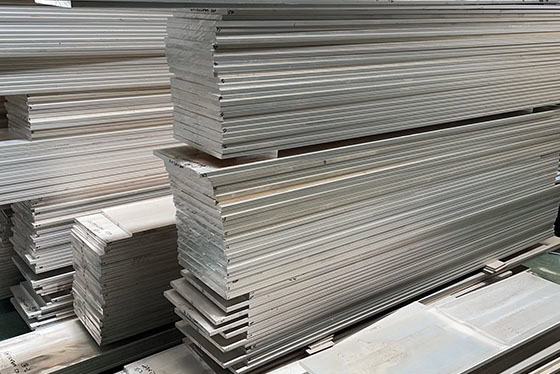
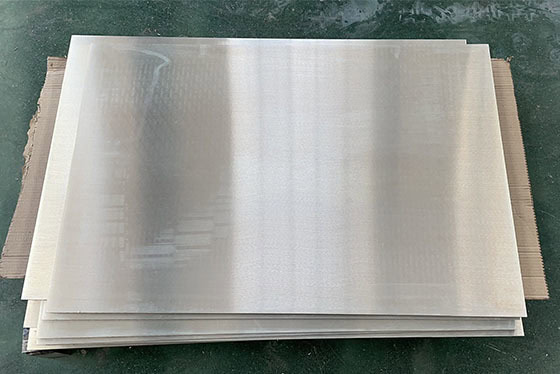
Size:600*900*(1.75-10)T Magnesium plates are revolutionizing the letterpress printing industry with their precision, durability, and exceptional quality. Specially crafted for the demands of letterpress, these plates offer an unmatched level of detail and consistency in printing
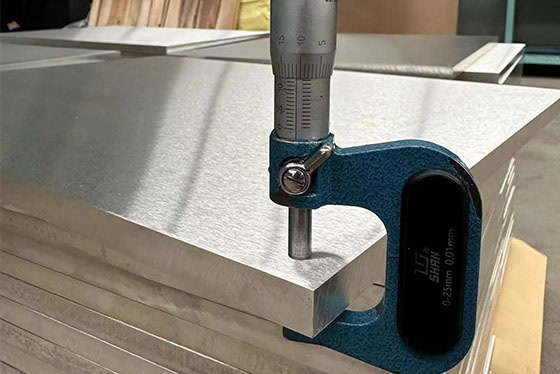
Miji magnesium provide AZ31B magnesium alloy in various forms, including plates, bars, profiles, and machined parts, and we can also custom-produce magnesium alloy products according to your drawings.

Choosing a magnesium extrusion alloy starts with the pr […]

AZ61A magnesium extrusion is a good fit when you need a […]

The gating ratio for aluminum and magnesium castings is […]

AZ80A magnesium forging is a practical option for light […]
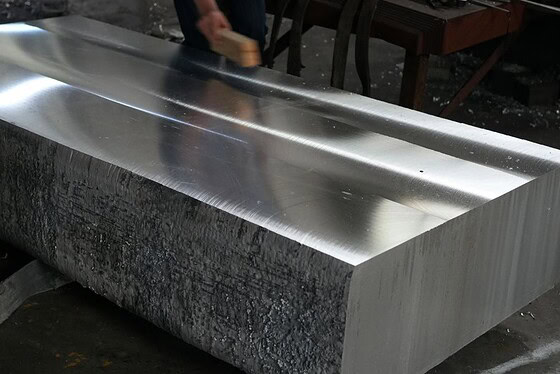
AZ80A-T5 vs AZ80A-T6 is mainly a question about the rou […]

CNC machining AZ80A magnesium is usually straightforwar […]

AZ80A is usually the better candidate when a wrought ma […]

AZ31B is usually the easier starting point when a light […]
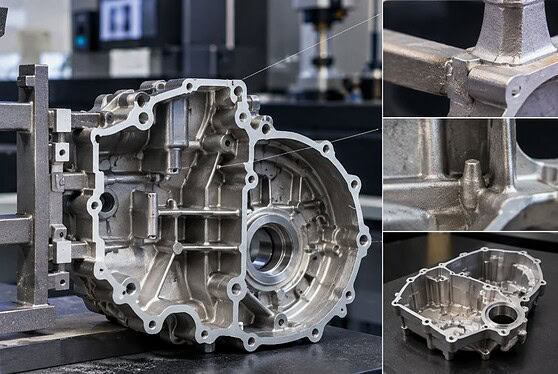
Ingate placement changes more than where metal enters a […]

Thixomolding vs magnesium die casting can both produce […]