
Engineers often ask a simple question: is magnesium lighter than aluminum? The answer is easy, but the real decision is not. In actual manufacturing, weight reduction is not only about choosing the lighter metal. It is about choosing the material that helps the part perform better, machine better, assemble better, and support the final product with less compromise.
Both magnesium and aluminum are important lightweight metals. Aluminum is familiar, widely used, and easy for many teams to specify. Magnesium offers stronger lightweight potential when the application is selected carefully. The best choice depends on the part, the production route, the working environment, and the value that weight reduction brings to the whole system.
For companies comparing lightweight material options, Miji Magnesium helps buyers evaluate where magnesium alloys can create real engineering value and where a material transition should be planned carefully.
Key Takeaways
- Magnesium can offer stronger weight reduction value than aluminum when the application is truly weight-sensitive.
- Aluminum remains a practical choice when existing production systems are already optimized around it.
- The best lightweight material is not always the lightest one. It is the one that improves the whole product system.
- Magnesium often works best when the part is designed around its strengths rather than treated as a direct drop-in replacement.
- Supplier knowledge matters because magnesium projects require material form, machining, finishing, and application support.
1. What Does Weight Reduction Really Mean?
Weight reduction is often discussed too casually. In serious engineering, a lighter component only matters when it improves something important. That may include mobility, energy efficiency, handling, assembly, product feel, or system performance.
When comparing magnesium and aluminum, buyers should ask what weight reduction is supposed to achieve. If the lighter material does not improve the application, the project may not need a material change. If weight reduction affects the product’s performance or competitiveness, magnesium deserves a closer look.
| Question | Why It Matters |
|---|---|
| Does lower weight improve product performance? | If yes, magnesium may create stronger engineering value. |
| Is the part moving, portable, or load-sensitive? | Weight reduction becomes more valuable in these cases. |
| Will the part be machined, cast, forged, or formed? | The manufacturing route affects material choice. |
| Can the design be adjusted for magnesium? | Magnesium performs best when the design uses its strengths. |
Tip: Do not compare magnesium and aluminum only by material name. Compare how each one supports the final part, the production process, and the customer’s real performance goal.
2. Magnesium vs Aluminum: Basic Engineering Comparison
Magnesium and aluminum are both lightweight metals, but they create value in different ways. Aluminum is often chosen because it is familiar and broadly available. Magnesium is often considered when the project needs stronger lightweight performance and the design can benefit from lower mass.
| Factor | Magnesium | Aluminum | Best-Fit Logic |
|---|---|---|---|
| Weight Reduction | Stronger lightweight advantage | Good lightweight option | Choose magnesium when weight reduction drives product value. |
| Design Strategy | Best when the part can be redesigned around lightweight geometry | Best when the design is already built around aluminum | Choose magnesium when design improvement is possible. |
| Machining | Useful for precision lightweight parts with controlled plate or bar quality | Very familiar in most machining environments | Choose based on machining goals and supplier support. |
| Supply Chain | Requires more application-aware supplier support | Broad and mature supplier base | Choose magnesium with a supplier who understands the project. |
| Product Feel | Excellent for premium lightweight feel | Durable and widely accepted | Choose magnesium when lighter feel improves user experience. |
3. Where Magnesium Creates Stronger Weight Reduction Value

Magnesium becomes especially attractive when weight reduction is not just a material preference, but part of the product’s competitive advantage.
3.1 Portable and Moving Systems
If a part moves, is carried, or affects system balance, lower weight can make a real difference. Magnesium can help reduce the burden on moving assemblies, handheld devices, transport systems, and lightweight structures.
3.2 Precision Machined Components
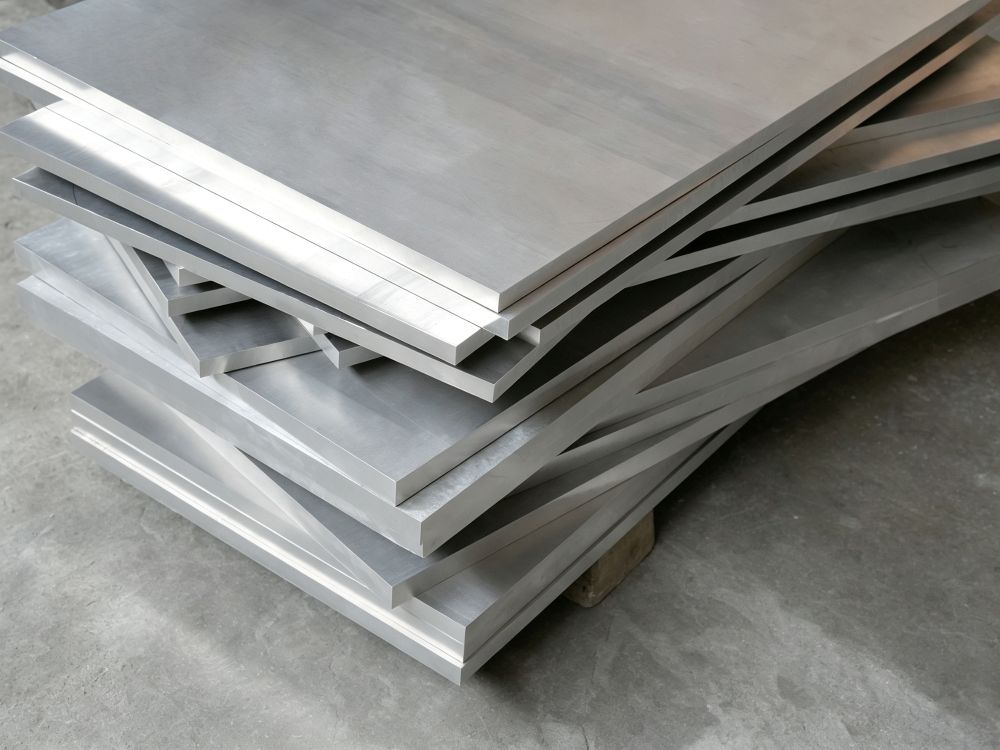
Magnesium plate and bar can be useful for machined components where weight reduction, material handling, and part performance all matter. In this case, the quality of the starting material is important. A knowledgeable magnesium alloy supplier can help buyers match plate, bar, or extrusion to the machining route.
3.3 Electronics and 3C Products
In electronics, material choice affects more than strength. It affects product feel, portability, structure, and premium positioning. Magnesium can support compact lightweight housings and refined product designs when the manufacturing route is planned well.
3.4 Automotive and EV Applications
In automotive and electric vehicle systems, magnesium may be considered for selected housings, supports, brackets, frames, and lightweight structural parts. The value is strongest when reduced mass contributes to efficiency, handling, or component integration.
3.5 Aerospace and Advanced Engineering
In aerospace-related applications, every material decision has broader consequences. Magnesium may be suitable where lower mass supports performance goals, but the material must be matched carefully to the application and manufacturing process.
4. Where Aluminum May Still Be the Better Choice
A good comparison should be honest. Magnesium is not the answer for every part. Aluminum may remain the better option when familiarity, existing production systems, or current performance requirements already meet the project’s needs.
| Situation | Why Aluminum May Work Better |
|---|---|
| The current aluminum design already performs well | A material change may not create enough added value. |
| The production line is fully optimized for aluminum | Switching materials may require new machining, finishing, or joining plans. |
| Weight reduction has limited effect on the product | The lightest material is not always the most effective choice. |
| The project needs the lowest technical transition risk | Aluminum may be easier for teams already familiar with it. |
Note: Magnesium should be chosen when it improves the product, not simply because it is lighter.
5. Engineering Snapshot: Magnesium vs Aluminum
The following table gives buyers a practical way to judge where magnesium may create stronger value and where aluminum may remain the more convenient material.
| Engineering Factor | Magnesium | Aluminum | Decision Guide |
|---|---|---|---|
| Weight Reduction Potential | Strong advantage for aggressive lightweight goals | Good lightweight performance | Use magnesium when reduced mass directly improves performance. |
| Machining Strategy | Suitable for lightweight machined parts with controlled material quality | Familiar and widely used in machining shops | Use magnesium when lightweight machining value is important. |
| Design Flexibility | Strong when the part can be redesigned for lighter geometry | Strong when the current design is already aluminum-based | Use magnesium when design improvement is part of the goal. |
| Product Experience | Excellent for lighter feel and premium compact structures | Durable and familiar to customers | Use magnesium when lighter handling improves user value. |
| Supplier Requirement | Needs technical supplier support | Easier to source broadly | Use magnesium with a capable application-focused supplier. |
6. Step-by-Step: How to Decide Between Magnesium and Aluminum
Choosing between magnesium and aluminum becomes easier when the decision follows the actual project logic.
6.1 Step 1: Define the Part Function
Decide whether the part is structural, protective, cosmetic, moving, portable, machined, cast, or integrated into a larger assembly.
6.2 Step 2: Identify the Real Value of Weight Reduction
Ask whether lower weight improves performance, handling, assembly, energy efficiency, or customer experience.
6.3 Step 3: Match the Manufacturing Route
Choose the material form based on how the part will be made. Magnesium plate, sheet, bar, extrusion, forging stock, and cast magnesium all serve different purposes.
6.4 Step 4: Evaluate Surface and Finishing Needs
Magnesium and aluminum may require different finishing plans. This should be considered early, especially for visible or demanding parts.
6.5 Step 5: Confirm Supplier Capability
The supplier should understand the application, not just the material name. For magnesium projects, supplier support can strongly affect project confidence.
7. Common Mistakes When Comparing Magnesium and Aluminum
- Comparing only material weight and ignoring the full application.
- Treating magnesium as a simple drop-in replacement for aluminum.
- Choosing aluminum only because the team is familiar with it.
- Ignoring machining, finishing, or joining requirements.
- Waiting too long to consider material strategy during product design.
- Working with a supplier who cannot support magnesium application planning.
These mistakes can lead to extra rework, unclear material expectations, and weaker project outcomes. A better material decision starts earlier and includes both design and manufacturing logic.
8. Why Supplier Support Matters in Magnesium Projects
Magnesium projects often need more than material availability. Buyers need support in choosing the right product form, understanding the manufacturing route, and planning the transition from aluminum when needed.
At Miji Magnesium, customers often evaluate magnesium plate, sheet, bar, extrusion, forging stock, and cast-related options based on the real application. The goal is not just to provide magnesium, but to help customers identify where magnesium creates practical value.
A capable magnesium supplier should help buyers evaluate:
- Whether magnesium is the right alternative to aluminum
- Which magnesium form fits the part
- Whether plate, sheet, extrusion, forging, or casting is more suitable
- How machining and finishing should be considered
- What supply consistency is needed for future production
9. Final Insight: Choose the Material That Improves the Product
Magnesium and aluminum are both valuable lightweight metals. Aluminum remains a strong choice when familiarity, established processing, and stable production routines are the main priorities. Magnesium becomes powerful when weight reduction creates real engineering value and the design can take advantage of the material’s strengths.
The smartest buyers do not choose magnesium only because it is lighter. They choose it because it helps the product perform better, move better, handle better, or compete better.
For companies evaluating lightweight material options, Miji Magnesium can help identify where magnesium alloys create practical value and where a carefully planned material transition can support stronger industrial results.
FAQ
1. Is magnesium lighter than aluminum?
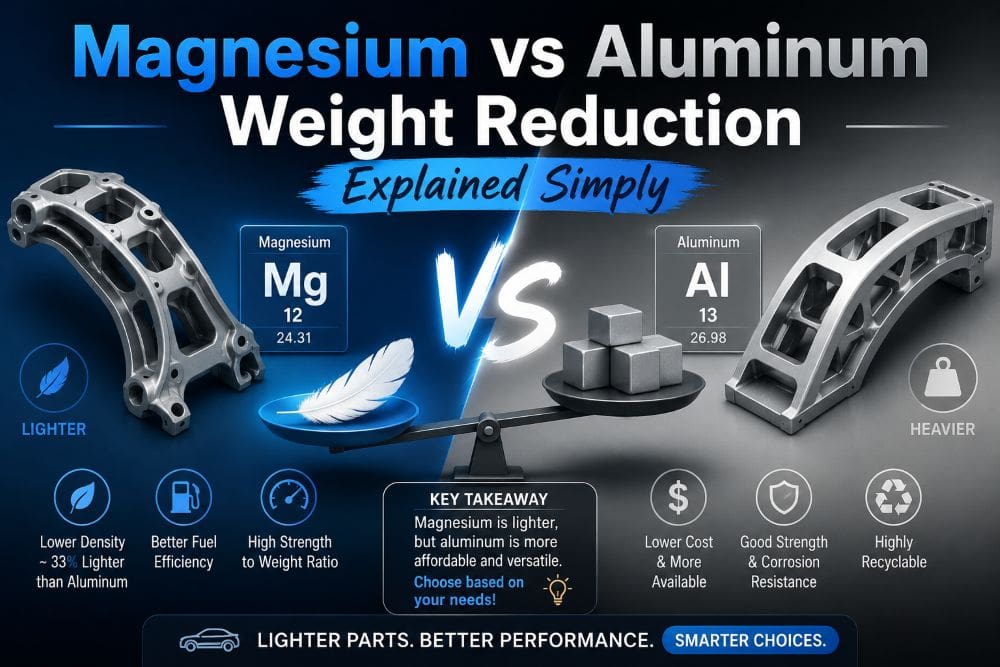
Yes, magnesium is generally known as a lighter engineering metal than aluminum. However, the more important question is whether that weight reduction creates real value in the specific application.
2. When should engineers choose magnesium instead of aluminum?
Engineers should consider magnesium when weight reduction improves performance, handling, efficiency, portability, or product competitiveness, and when the manufacturing route can support magnesium properly.
3. Is aluminum still a good lightweight metal?
Yes. Aluminum remains a strong and widely used lightweight material. It is often the better choice when existing designs, production systems, or application requirements are already well suited to aluminum.
4. Can magnesium replace aluminum in automotive applications?
In selected components, yes. Magnesium can be considered where lightweighting creates practical value, especially in housings, supports, brackets, and EV-related components. The application should be evaluated carefully before replacement.
5. Is magnesium suitable for electronics and 3C products?
Yes, magnesium can be suitable for electronics and 3C applications where lightweight feel, structural refinement, and compact design are important.
6. What should buyers check before switching from aluminum to magnesium?
Buyers should evaluate component function, manufacturing route, finishing requirements, supply stability, design changes, and whether the weight reduction creates enough value to justify the transition.