
1. Hook: Why Magnesium Alloy Grades Matter More Than Most Buyers Realize
Many companies think magnesium alloy selection is simple: choose a lightweight metal and move forward. But experienced engineers know the reality is far more complex.
Two magnesium alloys may appear similar on a specification sheet, yet behave completely differently in machining, thermal environments, structural loading, or corrosion exposure. In many projects, the difference between long-term reliability and unexpected failure begins with one overlooked detail — the alloy grade.
That is why understanding magnesium alloy grades is not just a technical requirement. It is a strategic advantage for manufacturers, product designers, and procurement teams. In modern industries where lightweight performance defines competitiveness, magnesium alloy grades are becoming increasingly important across aerospace, automotive, electronics, medical devices, and precision engineering.
2. What Are Magnesium Alloy Grades?
Magnesium alloy grades are standardized material systems created by combining magnesium with different alloying elements such as aluminum, zinc, manganese, zirconium, or rare earth metals.
These combinations are carefully engineered to achieve specific goals:
- Higher strength
- Better corrosion resistance
- Improved heat stability
- Enhanced machinability
- Superior formability
Unlike general-purpose metals, magnesium alloys are highly application-driven. Every grade exists because a particular industry problem needed solving.
2.1 Understanding The Naming System
Most magnesium alloy grades use letter and number combinations. For example: AZ31B, AZ91D, ZK60, WE43, AM60.
The letters usually represent major alloying elements:
- A = Aluminum
- Z = Zinc
- M = Manganese
- K = Zirconium
- W = Rare Earth Elements
The numbers indicate approximate composition relationships. To engineers, these codes immediately signal how the material will behave during manufacturing and real-world use.
3. AZ Series: The Most Widely Used Magnesium Alloys
Among all magnesium alloy types, the AZ series is the most common.
3.1 AZ31B Magnesium Alloy
AZ31B is one of the most versatile wrought magnesium alloys available today.
- Key Advantages: Excellent formability, good weldability, lightweight structure, stable mechanical behavior.
- Typical Applications: Aerospace sheet materials, electronics housings, structural panels, extruded profiles.
3.2 AZ91D Magnesium Alloy
AZ91D is widely used in die-casting applications.
- Why Manufacturers Choose It: Excellent castability, good corrosion resistance, strong dimensional stability.
- Common Uses: Automotive housings, industrial components, electronic frames.
4. ZK Series: High Strength Engineering Alloys
When strength becomes more important than general-purpose flexibility, engineers often turn to the ZK series for their industrial magnesium materials needs.
4.1 ZK60 Magnesium Alloy
ZK60 is known for:
- High mechanical strength
- Fine grain structure
- Excellent fatigue resistance
Where It Is Used: Aerospace structural parts, performance engineering components, precision mechanical systems. Compared with AZ series alloys, ZK60 delivers higher structural performance under demanding conditions.
5. WE Series: Advanced High-Temperature Magnesium Alloys
The WE series represents high-end magnesium engineering.
5.1 WE43 Magnesium Alloy
WE43 is one of the most respected aerospace magnesium alloys.
- Why It Matters: Excellent heat resistance, superior creep resistance, stable performance under stress.
- Typical Industries: Aerospace systems, defense applications, high-performance engineering.
6. AM Series: Magnesium Alloys For Safety And Impact Resistance
The AM series is designed with ductility and impact performance in mind.
6.1 AM60 Magnesium Alloy
AM60 is especially valued in automotive safety systems.
- Key Benefits: Good energy absorption, excellent toughness, lightweight structural performance.
- Common Applications: Automotive seat frames, steering structures, safety-related components.
7. How To Choose The Right Magnesium Alloy Grades
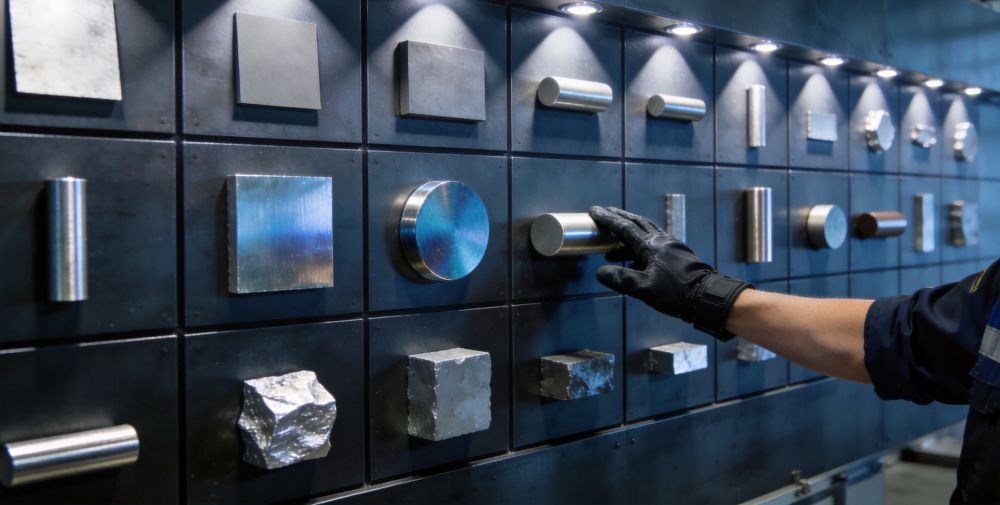
The “best” magnesium alloy does not exist universally. The correct choice depends entirely on:
- Operating conditions
- Manufacturing method
- Structural requirements
- Environmental exposure
- For Lightweight Structural Design: AZ31B often provides the best balance.
- For High-Strength Components: ZK60 is preferred for mechanical applications.
- For Elevated Temperature Environments: WE43 offers superior thermal stability.
- For Impact Resistance: AM60 performs well in safety systems.
8. Why Magnesium Alloy Applications Matter In Modern Manufacturing
As industries push toward electrification, lightweight transportation, and sustainable engineering, magnesium alloy applications are becoming central to future manufacturing strategies. This is especially true in EV battery systems, aerospace lightweighting, and portable electronics.
9. Common Mistakes Buyers Make When Choosing Magnesium Alloys
- Choosing Based Only On Weight
- Ignoring Manufacturing Compatibility
- Overlooking Environmental Conditions
- Treating All Magnesium Alloys The Same
10. Why Experienced Suppliers Matter
Reliable suppliers such as mijimg.com do more than provide materials. A professional magnesium alloy supplier helps manufacturers:
- Select suitable grades
- Match alloy to process
- Improve production consistency
- Reduce engineering risk
11. FAQ: Magnesium Alloy Grades
Q1: Which magnesium alloy grade is most common?
AZ series alloys are among the most widely used due to their balanced performance.
Q2: Which magnesium alloy is best for aerospace?
WE43 and ZK60 are commonly used in aerospace-related applications.
Q3: What magnesium alloy is easiest to form?
AZ31B offers excellent formability among wrought magnesium alloys.
Q4: Are magnesium alloys corrosion resistant?
Some grades provide good corrosion resistance, especially with proper surface treatment.
Q5: How do engineers select magnesium alloy grades?
Selection depends on structural load, temperature, manufacturing process, and environmental conditions.
12. Conclusion: Magnesium Alloy Grades Define Engineering Possibilities
Understanding magnesium alloy grades is not simply about memorizing material names. It is about understanding how structure, composition, and performance interact in real industrial environments.
By working with a knowledgeable magnesium alloy manufacturer, companies can build smarter, stronger, and more competitive products.