
1. Hook: Why Choosing The Wrong Magnesium Alloy Grade Costs More Than You Think
In industrial manufacturing, material selection is often treated as a technical step—but in reality, it is a strategic decision. The difference between a successful product and a failed one can come down to a single choice: which alloy grade you select.
Magnesium alloys are not interchangeable. Two materials may look similar on paper, yet behave completely differently under stress, heat, or machining conditions. Engineers who understand composition and grades don’t just avoid mistakes—they unlock performance advantages their competitors miss.
This guide is not about listing chemical percentages. It’s about helping you understand how composition shapes performance, and how to choose the right magnesium alloy with confidence.
2. What “Magnesium Alloy Composition” Really Means

Magnesium alloy composition refers to the combination of base magnesium with specific alloying elements. Each element is introduced for a reason—it changes how the material behaves in real-world conditions.
2.1 The Base: Magnesium As A Lightweight Platform
Magnesium itself provides:
- Low density
- Good machinability
- Natural vibration damping
However, pure magnesium is rarely used in engineering due to limited strength and stability.
2.2 Alloying Elements: Small Additions, Big Impact
- Aluminum (Al): Enhances strength, improves casting performance. Widely used in general-purpose alloys.
- Zinc (Zn): Improves mechanical strength and supports grain refinement.
- Manganese (Mn): Improves corrosion resistance and stabilizes microstructure.
- Zirconium (Zr): Refines grain structure and improves mechanical performance in wrought alloys.
- Rare Earth Elements (RE): Improve high-temperature stability and enhance creep resistance. Critical for aerospace-grade materials.
The key takeaway:Magnesium alloy compositionis not about adding elements—it’s about engineering performance at the microstructural level.
3. Understanding Magnesium Alloy Grades Systems
Magnesium alloy grades are not random names. They follow structured naming conventions that reflect composition and intended use.
3.1 The AZ Series (Aluminum + Zinc)
- Examples: AZ31B, AZ61, AZ91
- Characteristics: Balanced strength and formability; good corrosion resistance.
- Best for: General engineering, electronics, automotive parts.
3.2 The ZK Series (Zinc + Zirconium)
- Example: ZK60
- Characteristics: Higher strength than AZ series; better grain refinement.
- Best for: High-performance mechanical parts.
3.3 The WE Series (Rare Earth Alloys)
- Examples: WE43, WE54
- Characteristics: Excellent high-temperature performance; strong creep resistance.
- Best for: Aerospace, defense, high-end applications.
3.4 AM Series (Aluminum + Manganese)
- Examples: AM50, AM60
- Characteristics: Good ductility; excellent impact resistance.
- Best for: Automotive safety components.
4. How Composition Influences Real-World Performance
Understanding grades is only useful if you understand what they mean in practice.
- 4.1 Strength vs Weight Optimization: Different compositions allow engineers to optimize structural integrity and load-bearing performance.
- 4.2 Formability and Processing Behavior: Some alloys are better for rolling (sheet production), extrusion (profiles), or forging (high-strength parts).
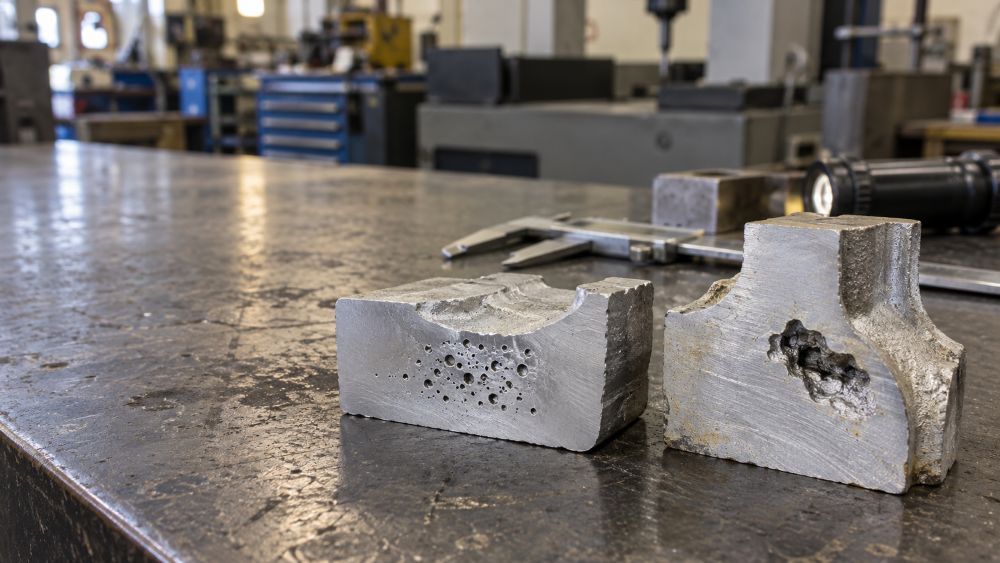
- Risk: Choosing the wrong grade can lead to cracking during processing or increased manufacturing cost.
- 4.3 Corrosion Resistance: Certain compositions perform better in humid environments or marine applications.
- 4.4 Thermal Stability: High-performance alloys maintain strength at elevated temperatures, critical for aerospace and power systems.
5. How To Choose The Right Magnesium Alloy Grade
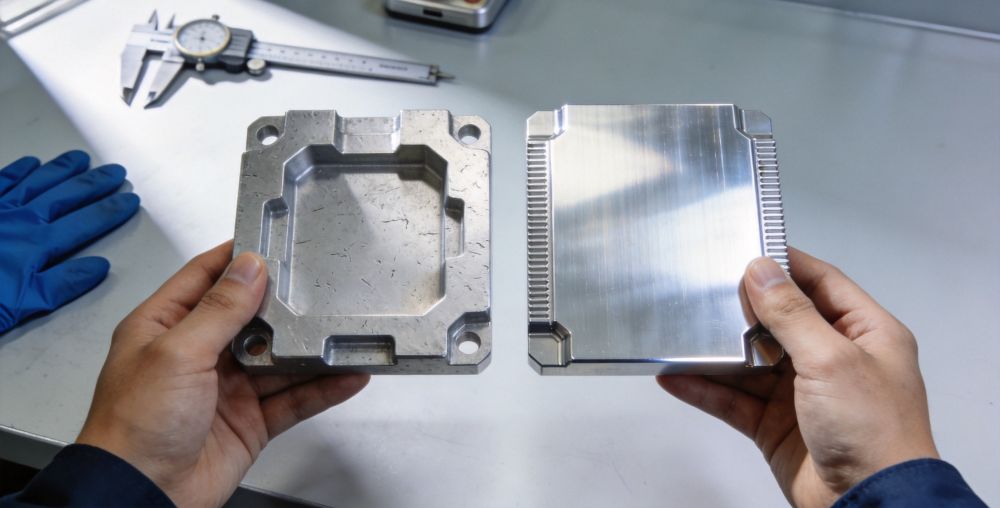
Selecting the correct alloy is about matching material behavior to application needs.
- Define The Application First: Is weight reduction critical? Will the part face high temperatures? Is corrosion a concern?
- Match Process To Material:
- Extrusion → good ductility
- Forging → high strength
- Machining → stable microstructure
- Consider Lifecycle Performance: Think beyond production regarding durability and environmental exposure.
- Work With Experienced Suppliers: Reliable suppliers such as mijimg.com play a critical role in recommending suitable grades and ensuring consistent quality.
6. Common Mistakes Buyers Make
- 6.1 Choosing Based On Price Alone: Lower-cost materials often lead to higher long-term costs due to failure.
- 6.2 Ignoring Processing Compatibility: A material may look good on paper but fail during manufacturing.
- 6.3 Over-Specifying Performance: Using aerospace-grade materials where unnecessary increases cost without adding value.
- 6.4 Lack Of Technical Consultation: Material selection without expert input increases risk.
7. The Strategic Value Of Understanding Alloy Grades
For engineers and procurement teams, mastering magnesium alloy grades means:
- Better product performance
- Reduced manufacturing risk
- Improved cost efficiency
- Stronger competitive positioning
8. FAQ: Magnesium Alloy Composition and Magnesium Alloy Grades
Q1: What is the most commonly used magnesium alloy?
AZ series alloys are widely used due to their balance of strength and processability.
Q2: Which magnesium alloy is best for high temperature?
WE series alloys are designed for high-temperature environments.
Q3: Are all magnesium alloys lightweight?
Yes, but their performance varies depending on composition.
Q4: Can magnesium alloy be customized?
Yes, composition and processing can be tailored for specific applications.
Q5: How do I choose the right alloy for my project?
Start with application requirements, then match composition and processing method with a qualified magnesium alloy manufacturer.
9. Conclusion: Composition Is The Foundation Of Performance
Understanding magnesium alloy composition and magnesium alloy grades is not just a technical skill—it is a competitive advantage.
When you understand how alloying elements shape behavior, and how grades align with applications, you move from trial-and-error to precision engineering. In a market where performance, efficiency, and innovation define success, magnesium alloy is not just a material—it is a strategic tool.