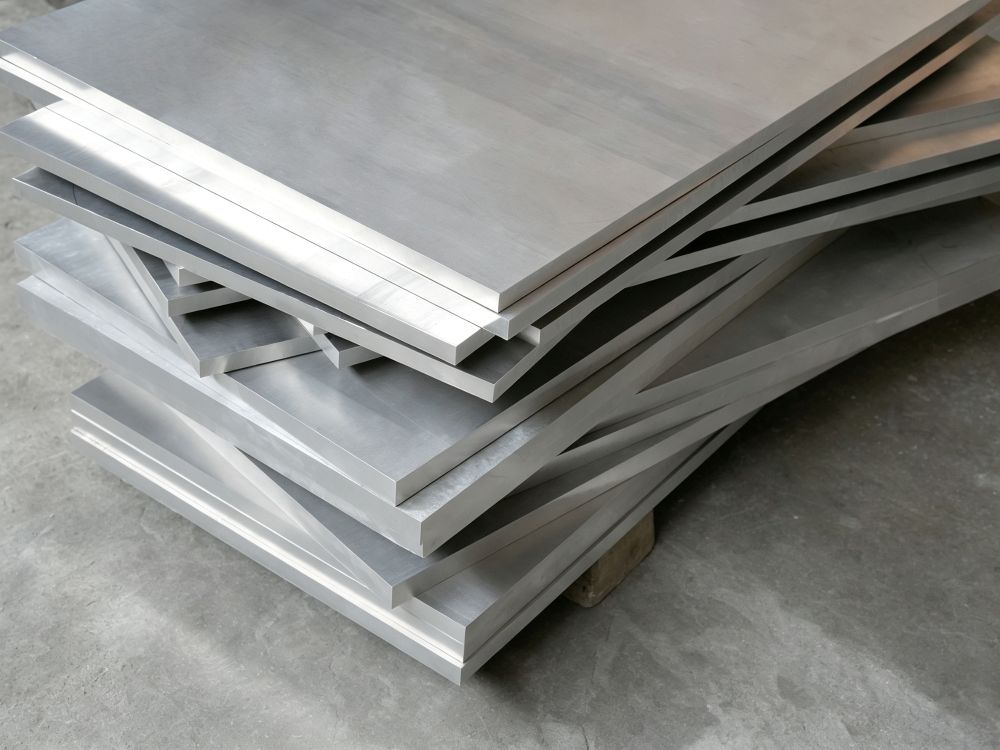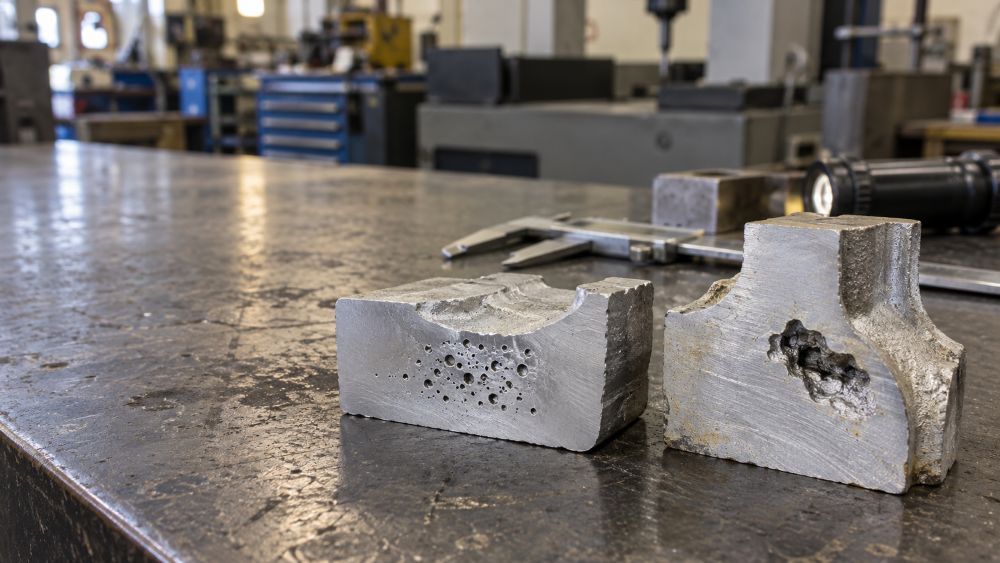

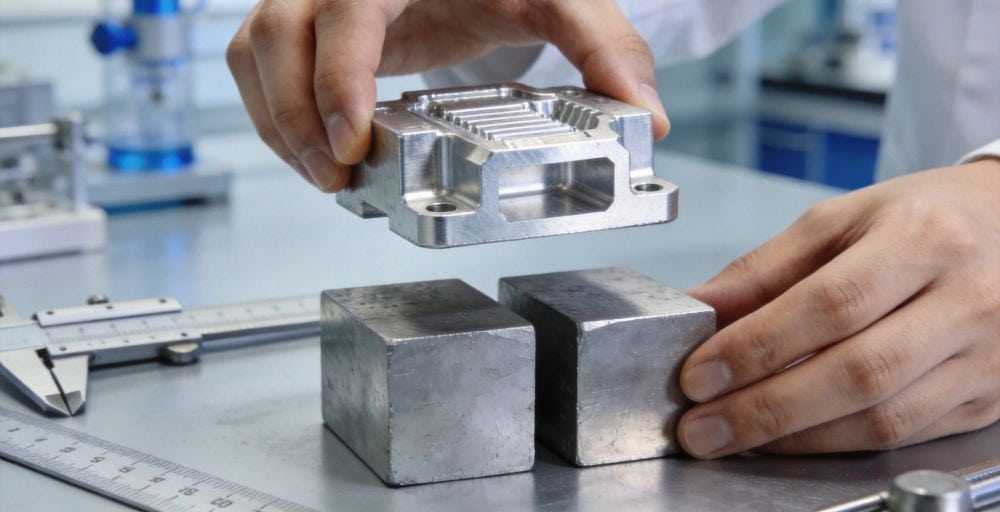
Most people first hear about magnesium alloys in the same simplified way: they are light, modern, and useful for advanced industries. That is true, but it is also incomplete.
The real reason magnesium alloys matter is not just because they are lighter than many traditional engineering metals. They matter because they allow designers, engineers, and manufacturers to rethink what a part can do. A lighter material changes more than weight. It can influence structural efficiency, machining strategy, product handling, thermal behavior, manufacturing logic, and even the commercial competitiveness of the final product.
That is why magnesium alloys continue to attract attention across aerospace, automotive, electronics, medical technology, and industrial manufacturing. They are not simply an alternative metal. In the right application, they can be a strategic material choice.
Still, many buyers approach magnesium with only a partial understanding. Some focus too much on the idea of weight reduction and too little on how the material should actually be selected, processed, and matched to application needs. Others treat magnesium as a niche specialty rather than a practical engineering option with growing industrial relevance.
A better starting point is to understand magnesium alloy basics not as a trend, but as a material system. Once that perspective changes, the conversation becomes more useful. Instead of asking whether magnesium is “light,” the better questions become: where does it create value, what forms does it take, what trade-offs matter, and how can the right supplier help turn material potential into production success?
For industrial buyers evaluating magnesium alloy solutions, those are the questions that lead to smarter decisions.
1. Why Magnesium Alloys Matter More Than Most Buyers Realize
A lot of material decisions begin too late. By the time the sourcing team starts comparing metals, the design assumptions may already be fixed. That often limits the opportunity to choose a material that could improve the product more fundamentally.
Magnesium alloys deserve earlier attention because they can influence product design from the start. They matter in industries where the following priorities are common:
- Weight reduction without giving up engineering usefulness
- Better design efficiency in mobile or structural systems
- Improved handling in assemblies or portable products
- Opportunities for precision machining, casting, or formed components
- Competitive advantage through lighter, smarter product architecture
The value of magnesium is not always obvious in a simple material table. Its importance becomes clearer when the application demands a combination of low mass, practical manufacturability, and strong engineering logic. This is why magnesium alloys are increasingly relevant not only for highly specialized sectors, but also for broader industrial programs looking for more efficient material platforms.
2. What Magnesium Alloys Actually Are
Magnesium alloy is a metal material based on magnesium combined with other alloying elements to improve performance and usability in industrial conditions. Pure magnesium on its own has limited engineering use in many demanding applications. Alloying allows the material to become more suitable for structural parts, machined products, rolled plate, extrusions, cast components, and other industrial magnesium materials.
2.1 Why Alloying Matters
Alloying changes how the material behaves in real manufacturing and service environments. Depending on the alloy family, the material can be adjusted to support different priorities such as:
- Better strength balance
- Improved formability
- More suitable castability
- Better machinability
- Enhanced heat response
- Better fit for specific industries
This is why “magnesium alloy” is not one product. It is a broader family of material options, each with different industrial logic.
2.2 Magnesium Alloy Is More Than a Lightweight Substitute
One of the biggest mistakes buyers make is treating magnesium alloy as if it only exists to replace a heavier material. In reality, magnesium often changes how the part should be designed in the first place.
A well-selected magnesium alloy can do more than reduce mass. It can support a more efficient manufacturing route, simplify component design, or create better overall system balance.
3. Why Magnesium Is Known as a Lightweight Metal
The word “lightweight” is often used too casually in industrial content. In serious engineering, lightweight is not just a selling point. It is a design strategy.
3.1 Lower Weight Can Change Product Performance
In many sectors, reducing component mass can help improve:
- Mobility
- Energy efficiency
- System responsiveness
- Ease of assembly
- Operator handling
- Design flexibility in compact structures
This is especially important in aerospace, automotive, consumer electronics, precision tooling, and transport systems, where excess weight often creates broader performance penalties.
3.2 Lightweight Does Not Mean Low Value
There is sometimes a misconception that lighter materials are somehow less serious or less structurally meaningful. In fact, lightweight materials often require more thoughtful engineering, not less. The reason magnesium remains attractive is that it allows engineers to reduce weight while still pursuing practical product performance. The value lies in achieving that balance intelligently.
3.3 Magnesium Supports More Efficient Material Thinking
In traditional product development, materials are often chosen after geometry. Magnesium encourages a better approach: aligning material, shape, manufacturing, and use conditions earlier in the project. That is where lightweight becomes a strategic advantage rather than a marketing phrase.
4. The Main Types of Magnesium Alloys and Why They Matter
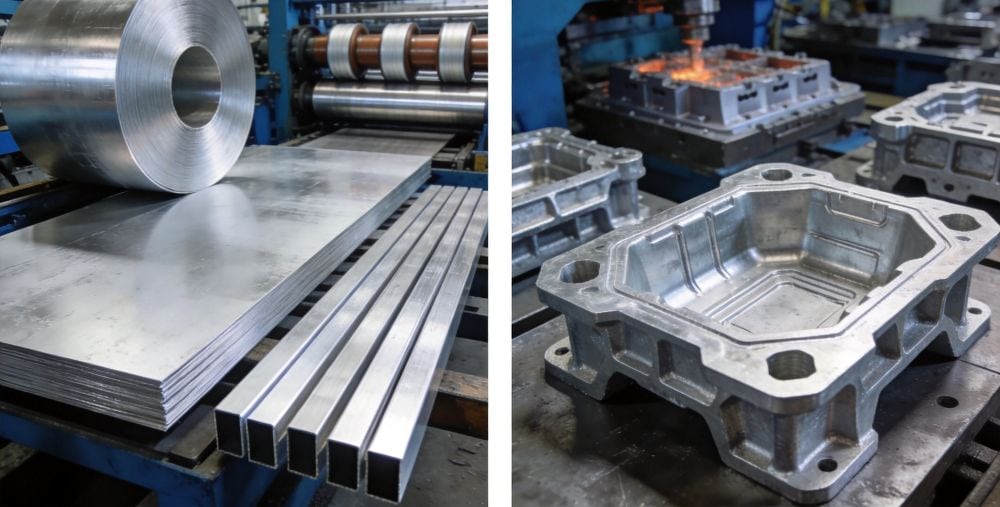
To understand magnesium alloy basics, it helps to know that not all magnesium materials are intended for the same route or the same application.
4.1 Wrought Magnesium Alloys
Wrought magnesium alloys are mechanically processed through rolling, extrusion, or forging after solidification. These materials are often selected for plate, sheet, bar, rod, profile, and structural components where controlled material behavior matters. They are commonly relevant where engineers care about:
- Structural confidence
- Precision machining
- Plate and sheet applications
- Extruded profiles
- High-performance industrial parts
4.2 Cast Magnesium Alloys
Cast magnesium alloys are shaped through casting processes and are especially useful when the design requires more geometric complexity or efficient near-net-shape production. They are often suitable for:
- Housings
- Covers
- Integrated structural shapes
- Lightweight enclosures
- Design-led industrial components
4.3 Why the Difference Matters
This distinction is not just technical classification. It directly affects how the material should be sourced, processed, and applied. A part designed for machining from plate should not be evaluated the same way as a part designed for casting. Likewise, a lightweight structural bracket and a thin-wall housing may both use magnesium, but they do not call for the same material logic.
This is why working with an experienced magnesium alloy manufacturer can help buyers avoid applying the right material in the wrong form.
5. Where Magnesium Alloy Applications Create Real Industrial Value
The best way to understand magnesium is to look at where it creates value in actual industries.
5.1 Aerospace and High-Performance Transport
In sectors where mass reduction affects efficiency, responsiveness, and structural strategy, magnesium alloys can become highly attractive. Lightweight engineering is not only about saving weight. It is about enabling better system-level performance.
5.2 Automotive and Mobility Systems
As mobility platforms evolve, manufacturers continue to search for ways to reduce weight without giving up function or manufacturability. Magnesium alloys can support that goal in selected components, especially where lighter systems contribute to overall performance improvement.
5.3 Electronics and Precision Enclosures
Magnesium alloys are also relevant where light structure, compact design, and product refinement matter. Certain applications benefit not just from reduced mass, but from how magnesium can support more optimized part design.
5.4 Industrial Machining and Tooling
In industrial settings, magnesium alloys may also be used where machinability, lightweight handling, or application-specific material behavior adds process value. This is often overlooked by buyers who associate magnesium only with finished end-use products.
5.5 Medical and Specialized Technical Fields
Some magnesium alloy applications extend into highly specialized fields where the relationship between material behavior, product design, and engineering purpose becomes even more important.
6. What Engineers Should Evaluate Before Choosing Magnesium
A magnesium alloy overview is only useful if it leads to better selection decisions.
- Application Role: Is it structural, protective, cosmetic, machined, load-bearing, design-integrated, or precision-dependent?
- Manufacturing Route: Will the part begin from plate, bar, sheet, or extrusion? Will it be cast?
- Performance Priorities: Not every project values the same things equally. Some prioritize weight, some prioritize geometry.
- Supplier Capability: This part matters more than many buyers expect. Technical communication and manufacturing understanding influence the success of the order.
That is why buyers often benefit from working with a knowledgeable magnesium alloy supplier rather than treating sourcing as a commodity transaction.
7. Common Misunderstandings About Magnesium Alloys
- “Magnesium Is Only About Being Light”: This is too narrow. Magnesium becomes far more interesting when considered as a design and manufacturing material.
- “All Magnesium Alloys Are Basically the Same”: They are not. Different alloy families and product forms serve very different functions.
- “If the Material Is Available, It Is Good Enough”: Availability is not the same as suitability.
- “Material Choice Is a Late-Stage Purchasing Issue”: In stronger industrial organizations, material choice is part of engineering strategy, not just procurement timing.
8. Why Material Knowledge Matters in Supplier Selection
A supplier should not only deliver metal. A good supplier should help buyers understand which metal form makes sense for the job.
At Miji Magnesium, the real value of a supplier relationship often begins with better material clarity. Buyers may come in asking for magnesium plate, magnesium bar, magnesium extrusion, or cast magnesium components, but what they actually need is confidence that the selected route supports their product goals.
A capable magnesium alloy supplier should help answer questions like:
- Which magnesium form fits the application best?
- Is the project better suited to wrought or cast material?
- What manufacturing route should influence the sourcing decision?
- How should material choice support long-term production stability?
- Where can magnesium create the most practical value in the design?
9. Final Insight: Lightweight Is Only the Beginning
Magnesium alloy basics are important, but the basics should lead somewhere useful.
The real takeaway is that magnesium is not valuable simply because it is lighter. It is valuable because, in the right form and the right application, it helps manufacturers build smarter products. It can support better structural logic, more efficient design decisions, and a more refined balance between performance and manufacturability.
That is why serious buyers do not stop at the phrase “lightweight metal.” They go further. They ask how magnesium behaves, where it fits, what form it should take, and which magnesium alloy manufacturer can help turn that material potential into a real production outcome.
FAQ
1. What is a magnesium alloy?
A magnesium alloy is a metal material based on magnesium combined with other elements to improve its engineering performance and suitability for industrial use.
2. Why are magnesium alloys considered lightweight metals?
They are considered lightweight because magnesium offers low mass compared with many commonly used engineering metals, making it attractive where weight reduction matters.
3. What are magnesium alloys used for?
Magnesium alloys are used in aerospace, automotive, electronics, industrial machining, transport systems, specialized enclosures, and other applications where lightweight design and engineering efficiency are important.
4. What is the difference between wrought and cast magnesium alloys? Wrought magnesium alloys are mechanically processed into forms such as plate, sheet, bar, or extrusion, while cast magnesium alloys are shaped directly through casting and are often used for more complex geometries.
5. Are magnesium alloys only used in high-end industries? No. While they are important in advanced sectors, magnesium alloys are also increasingly relevant in broader industrial manufacturing where lighter and more efficient material solutions are needed.
6. How should buyers choose a magnesium alloy supplier? Buyers should look for a magnesium alloy supplier with technical understanding, material process knowledge, consistent manufacturing capability, and the ability to match magnesium forms to real industrial applications.