
1. Introduction: Why Engineers Are Re-Evaluating Magnesium Alloy
In modern engineering, weight reduction is no longer just an optimization goal—it is a structural requirement. Whether in aerospace systems, electric vehicles, or compact consumer electronics, every gram matters. Among all structural metals, magnesium alloy has become one of the most discussed materials in advanced manufacturing.
Unlike traditional metals that prioritize only strength or durability, magnesium alloy represents a balance between lightweight design, functional performance, and industrial adaptability. At a materials level, choosing a magnesium alloy supplier is a structural decision that influences efficiency, energy consumption, and product design freedom.
2. What Is Magnesium Alloy? (Fundamental Understanding)
Magnesium alloy is a metallic material primarily composed of magnesium combined with elements such as aluminum, zinc, manganese, or rare earth metals. These additions are engineered to improve strength, corrosion resistance, and thermal stability.
2.1 Key Material Characteristics
- Extremely low density among structural metals.
- High strength-to-weight ratio.
- Excellent machinability.
- Strong vibration damping capability.
- Good thermal conductivity.
2.2 Why Alloying Matters
Pure magnesium is limited in mechanical performance. Alloying transforms it into a usable engineering material. For example, aluminum improves strength and castability, while zinc enhances mechanical properties. This makes industrial magnesium alloy a customizable engineering platform.
3. Why Magnesium Alloy Matters in Modern Industry
The importance of magnesium alloy is not theoretical—it is structural and strategic.
3.1 Weight Reduction Drives System Efficiency
In transportation and electronics, reducing weight directly impacts energy consumption, heat management, and structural load distribution.
3.2 Enabling Next-Generation Design
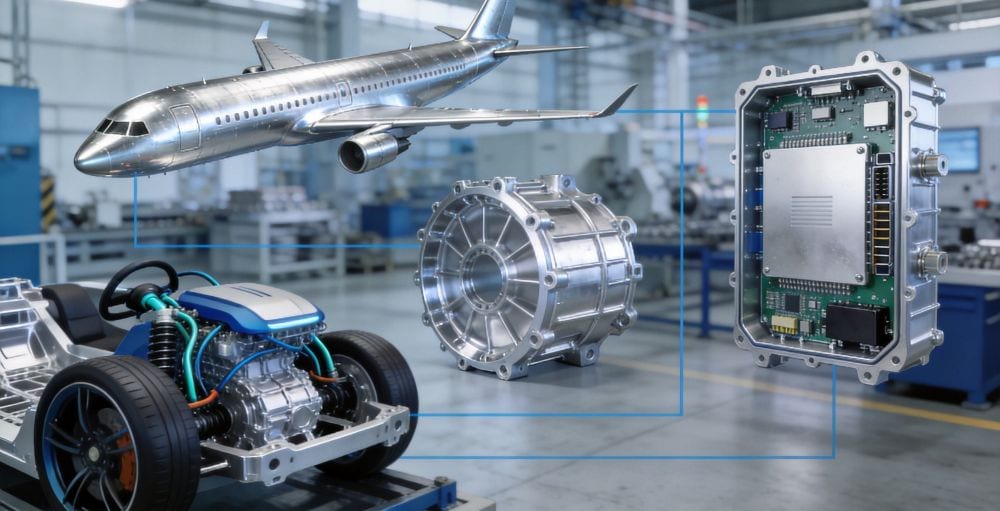
Magnesium alloy allows engineers to design thinner, more compact, and more integrated components. This is especially important in magnesium alloy in 3C applications like electric vehicle housings and portable electronics frames.
4. Where Magnesium Alloy Is Used Today
4.1 Aerospace Engineering
Used in interior structural components and gearbox housings to reduce aircraft weight without compromising functional integrity.
4.2 Automotive Industry
Modern vehicles, especially EVs, require magnesium forged parts and extrusions for steering components and seat frames to extend driving range.
4.3 Consumer Electronics (3C Industry)
Widely used in laptop housings and smartphone internal frames. Its combination of strength and lightness makes it ideal for premium devices.
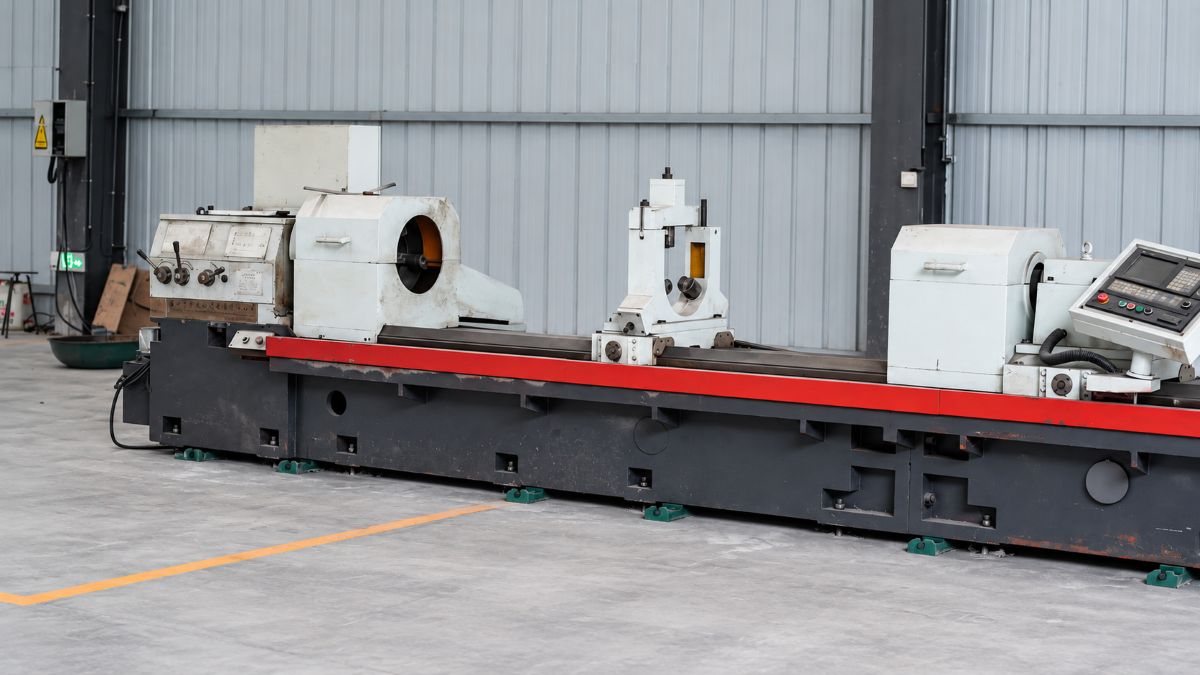
5. How Magnesium Alloy Is Processed in Industry
Understanding magnesium alloy also requires understanding how it is shaped:
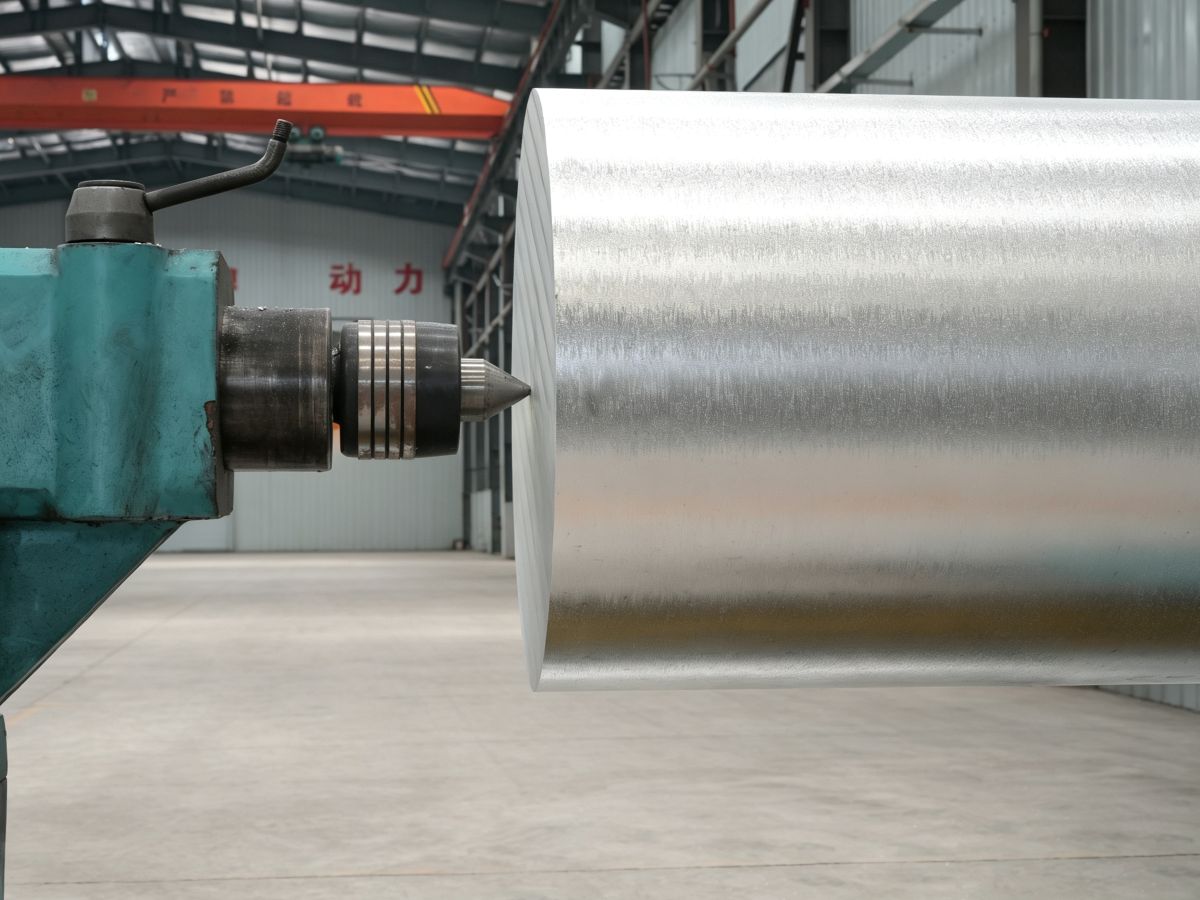
- Magnesium Extrusion: Used to produce structural profiles, bars, and rods.
- Magnesium Rolling: Essential for producing high-quality AZ31B sheets and plates.
- Forging: Improves density and mechanical integrity for high-stress components.
6. Challenges and Engineering Considerations
While offering many advantages, it requires careful handling regarding corrosion sensitivity and manufacturing control. These are part of the engineering discipline required to use the material effectively.
7. Future of Magnesium Alloy in Engineering
The future is tied to the electrification of transportation, miniaturization of electronics, and sustainable material engineering.
8. Why Engineering Buyers and Manufacturers Should Pay Attention
Choosing magnesium alloy can reduce system-level weight and enable advanced product design. This is why professional manufacturers like mijimg.com focus on providing industrial-grade magnesium materials that support modern engineering requirements.
9. Frequently Asked Questions (FAQ)
- Q: Is magnesium alloy stronger than aluminum?
- It offers a much better strength-to-weight ratio in many applications.
- Q: Why use it in electronics?
- It is lightweight, rigid, and helps improve heat dissipation.
- Q: Is it difficult to machine?
- No, it is one of the most machinable structural metals.
Conclusion
Magnesium alloy represents a shift in how modern industries think about performance and efficiency. Understanding the capabilities of a magnesium alloy manufacturer is the first step toward the future of lightweight engineering.