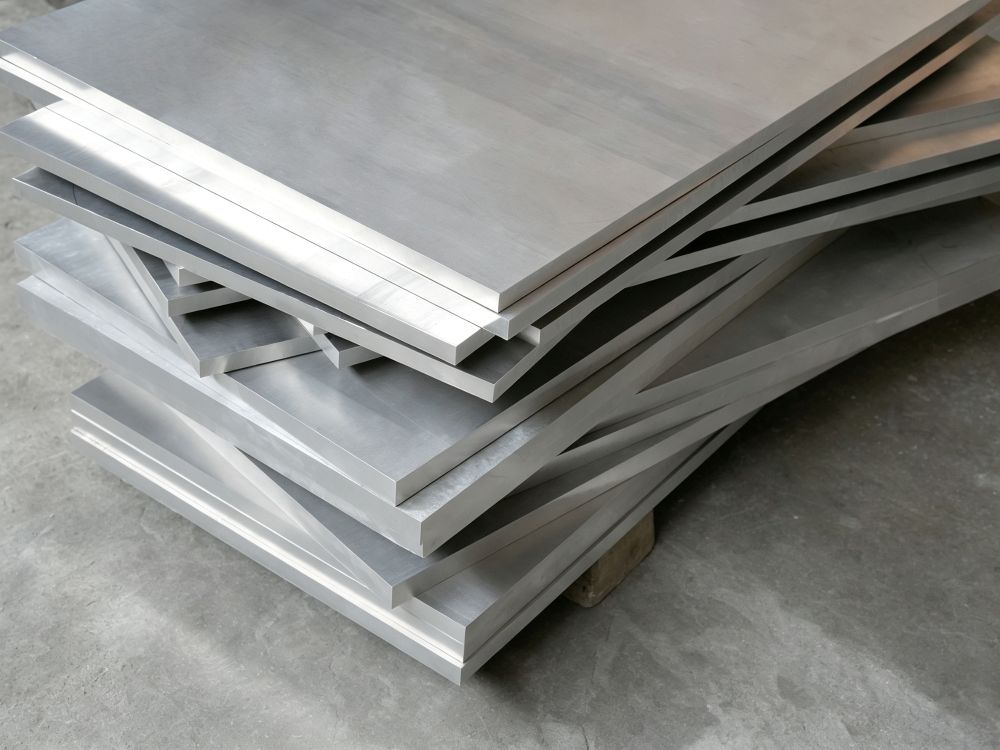

Many industrial projects do not fail because the design was weak. They fail because the material strategy was too generic.
That is especially true when magnesium plate manufacturing is involved.
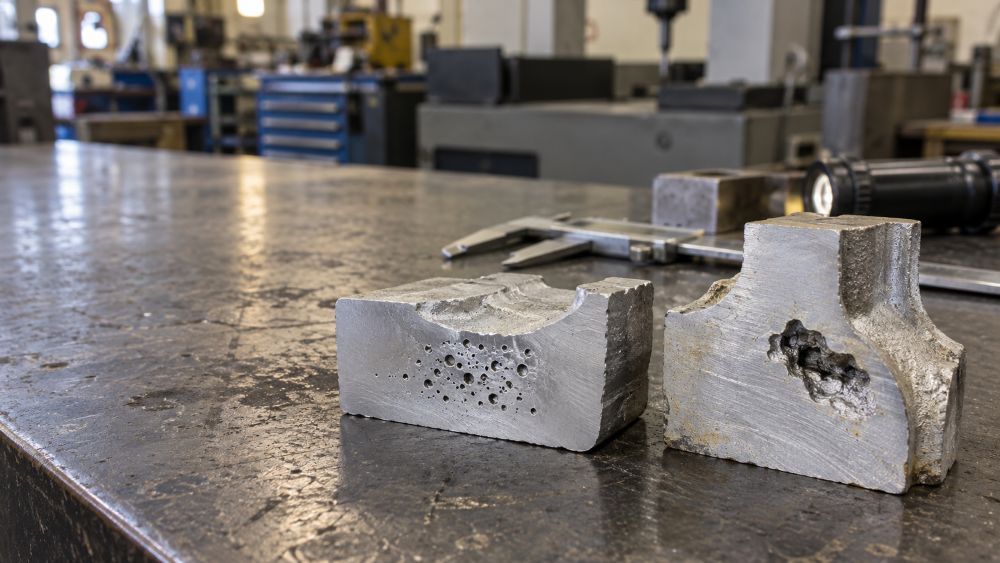
On paper, a standard plate may appear to solve the problem. The alloy name looks acceptable. The dimensions look close enough. The quote seems straightforward. But once that plate enters real manufacturing, the hidden compromises begin to show. Machining becomes less predictable. Material utilization becomes less efficient. Tolerance planning gets tighter in the wrong places. Surface expectations become harder to maintain. What looked like a simple material purchase slowly turns into a process burden.
This is why custom magnesium plate manufacturing is far more important than many buyers initially realize.
A custom plate is not only about changing size. It is about aligning the starting material with the actual logic of the application. It is about making sure the plate is not merely available, but truly suitable for the job it is supposed to support. In lightweight industrial systems, precision machining, aerospace components, electronics housings, transport structures, and specialized engineering assemblies, that distinction matters.
The strongest buyers in the market do not ask only, “Can you supply magnesium plate?” They ask a much better question: “Can you manufacture the right magnesium plate for the way this part will actually be built and used?”
That is where real value begins.
At Miji Magnesium, custom manufacturing discussions often go beyond raw material supply. Customers are usually trying to solve a broader challenge involving consistency, weight reduction, machining performance, dimensional suitability, and long-term manufacturing confidence. The plate is just the starting point. The real goal is a more stable industrial result.
This article explores custom magnesium plate manufacturing from that perspective: not as a generic product category, but as a strategic manufacturing decision.
1. Why Custom Magnesium Plate Manufacturing Matters More Than Most Buyers Think
A standard buying mindset often treats metal plate like a basic commodity. If the alloy is correct and the dimensions are close, the order seems complete. That approach may work in simpler applications. It rarely works as well in higher-value manufacturing.
Custom magnesium plate manufacturing matters because industrial applications are rarely generic. Even when two buyers ask for magnesium plate, the real requirements behind the request may be completely different.
One customer may need plate optimized for machining stability. Another may care more about lightweight structural use. Another may need a plate that integrates smoothly into downstream forming, finishing, or assembly. Another may be trying to reduce waste and improve yield by aligning the incoming plate format with the final part strategy.
That is why custom manufacturing should not be viewed as a premium extra. It should be viewed as part of serious production planning.
In many cases, the material itself is not the problem. The mismatch between the material format and the manufacturing reality is the real issue.
2. What Custom Magnesium Plate Manufacturing Really Means
The word “custom” is used loosely in the market, and that often creates confusion. Some suppliers call it custom when they simply cut standard stock to a different shape. Real custom magnesium plate manufacturing goes much further than that.
2.1 Custom Means Application-Driven, Not Stock-Driven
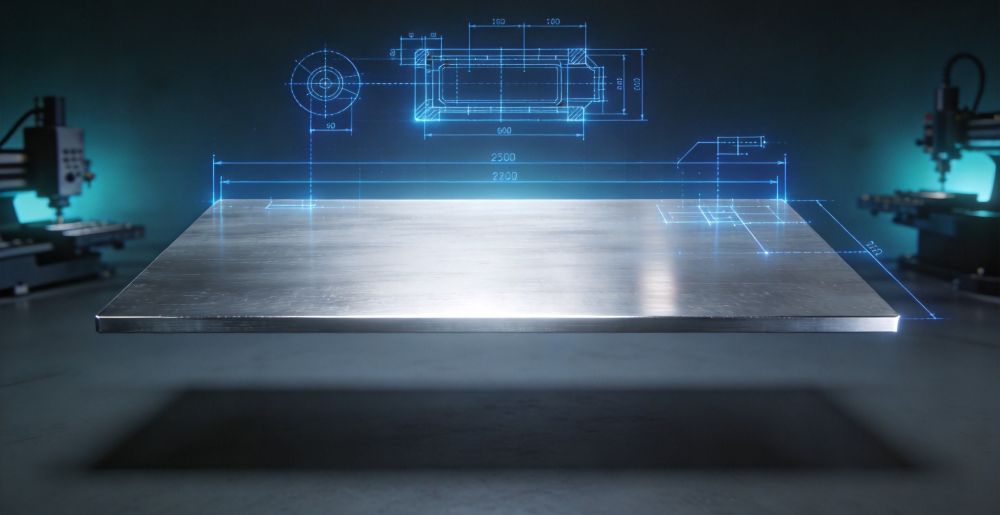
A true custom manufacturing process starts by understanding how the plate will be used.
Questions that matter include:
- Is the plate intended for heavy machining or light finishing?
- Is the final component structural, cosmetic, or mixed-function?
- Will the application prioritize flatness, consistency, weight, or downstream processing compatibility?
- Is the buyer optimizing for yield, precision, handling, or assembly performance?
Once the use case is understood, the material strategy becomes more accurate.
2.2 Custom Includes More Than Dimensions
Size is only one part of the conversation. A meaningful custom plate solution may involve:
- Alloy selection
- Plate thickness planning
- Width and length optimization
- Flatness expectations
- Surface quality planning
- Edge condition control
- Machining suitability
- Application-specific consistency
- Packaging and shipping protection for sensitive industrial use
This is why strong buyers do not reduce custom manufacturing to a cutting service. They treat it as a way to reduce friction across the whole project.
2.3 Custom Manufacturing Should Improve Efficiency
If the custom route only adds complexity, then it is not doing its job. Good customization should simplify production, support material utilization, and make downstream work more predictable.
That is one reason many buyers prefer working with an experienced magnesium plate manufacturer rather than relying on a general stock supplier.
3. Why Standard Plate Supply Often Falls Short
Standard plate supply is useful in some situations. For general sourcing, basic trial work, or lower-precision applications, it may be enough. But in demanding industrial work, “enough” often turns out to be expensive in hidden ways.
3.1 Standard Supply Can Create Downstream Waste
A plate may be technically available and still be operationally wrong.
If it forces unnecessary machining removal, creates poor material utilization, introduces handling inefficiency, or complicates fixture planning, then the true cost of the plate is being paid later in the process.
3.2 Standard Supply Often Ignores the Real Manufacturing Route
Industrial manufacturing is not just about having the right alloy. It is about having the right starting condition for the part.
A buyer may need magnesium plate for:
- Precision machined components
- Lightweight transport assemblies
- Aerospace support elements
- Electronics housings
- Tooling structures
- Engineered industrial parts
Each of these uses can have very different requirements even if they all begin with “magnesium plate.”
3.3 Standard Material Can Weaken Process Confidence
When plate quality, dimensions, or consistency do not align well with the application, the result is not always immediate failure. More often, it is a gradual decline in process confidence. Teams spend more time compensating, checking, adjusting, and re-planning.
That is why custom manufacturing creates value. It reduces the need for compensation.
4. The Real Industrial Value of Custom Magnesium Plate Solutions
The strongest value of custom manufacturing is not that it sounds more specialized. It is that it improves how industrial work gets done.
4.1 Better Material-to-Use Alignment
A custom plate is designed around how it will be processed and applied, not just what the warehouse happens to carry.
That changes the entire sourcing logic from reactive to application-focused.
4.2 Better Machining Performance
Many magnesium plate projects involve significant machining. In those cases, material suitability directly affects processing behavior, consistency, workflow planning, and final part confidence.
A better starting plate supports a better machining outcome.
4.3 Better Lightweight Engineering Results
Magnesium is often selected because weight matters. But lightweight only creates true value when the material supports the application cleanly. Custom manufacturing helps preserve that value by making the starting material more appropriate.
4.4 Better Planning Across the Production Chain
A well-planned plate solution can support:
- More efficient nesting or part extraction
- Reduced avoidable waste
- Smoother machining planning
- Better workflow consistency
- Improved part repeatability
- Cleaner coordination between engineering and purchasing
4.5 Better Long-Term Commercial Value
Experienced buyers understand that real value is not only about what the plate costs at the moment of purchase. It is about what the plate allows the production system to do afterward.
This is where custom magnesium plate solutions often outperform generic sourcing strategies.
5. Key Applications That Benefit from Custom Magnesium Plates
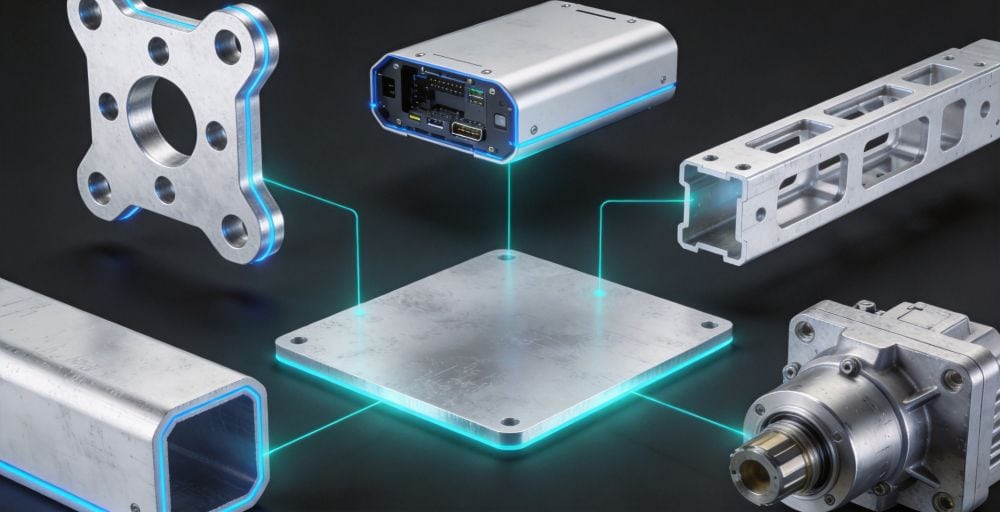
Not every project requires customization. But many serious industrial applications do benefit from it.
5.1 Aerospace and High-Performance Engineering
Where structural relevance, lightweight design, and manufacturing confidence intersect, custom plate planning becomes highly valuable. Aerospace-related applications often require more than general material availability.
5.2 Precision Machining Applications
If the part is going to be machined extensively from plate, the quality and suitability of the starting material can influence the entire process. These are often the applications where custom manufacturing shows its value most clearly.
5.3 Electronics and High-End Enclosures
Where dimensional quality, appearance expectations, and lightweight performance must work together, custom magnesium plate can support a more refined end result.
5.4 Transportation and Mobility Systems
Lightweight transport-related applications often benefit from better material planning, especially where the final part needs to balance low mass, manufacturability, and structural usefulness.
5.5 Specialized Industrial Assemblies
Some industrial assemblies rely on magnesium plate not because it is fashionable, but because it serves a practical engineering purpose. In those situations, the more closely the plate is aligned with the task, the more value it delivers.
6. How Engineers and Buyers Should Evaluate a Custom Plate Partner
This is where many sourcing decisions become too shallow. A supplier should not be judged only by whether they can say yes to a request.
6.1 Can They Understand the Application?
The supplier should be able to discuss the role of the plate, not just the format of the order.
6.2 Can They Support True Customization?
There is a meaningful difference between modifying stock and supporting a genuinely tailored magnesium plate strategy.
6.3 Do They Think About Downstream Use?
Good suppliers understand that their job is not only to deliver plate. It is to support the project that depends on the plate.
6.4 Do They Communicate Like an Engineering Partner?
Strong suppliers ask useful questions. They help identify risk early. They clarify what matters before production begins.
6.5 Can They Support Long-Term Consistency?
Industrial buyers should think beyond the current order. If the project grows, can the supplier still support consistent quality and repeatable results?
That is why working with a serious magnesium alloy supplier is often a strategic decision, not just a purchasing action.
7. Common Mistakes in Custom Magnesium Plate Sourcing
Even experienced teams can make poor sourcing decisions when they reduce the conversation too quickly.
7.1 Treating Custom as a Simple Cutting Request
This is one of the most common mistakes. Real customization starts with application fit, not just size adjustment.
7.2 Buying for Availability Instead of Suitability
Fast supply of the wrong plate is still the wrong outcome.
7.3 Ignoring Downstream Manufacturing Impact
A plate that seems acceptable at the quote stage may create unnecessary burden later in machining, finishing, fixturing, or quality control.
7.4 Underestimating the Value of Consistency
Industrial manufacturing depends on repeatable behavior. Any instability in the incoming material tends to multiply as the process continues.
7.5 Leaving Material Strategy Too Late
The strongest projects usually involve material planning earlier, not later. That gives the team more control over how the part will actually be manufactured.
8. Why Technical Support Matters as Much as Production Capability
A supplier may have production capability and still fail to support the customer well if the technical conversation is weak.
That is especially true in magnesium.
Magnesium plate is rarely chosen in isolation. It is chosen as part of an engineering route. The supplier should be able to discuss not only what they can produce, but why a certain plate strategy may be more suitable than another.
At Miji Magnesium, customers often need support in areas such as:
- Matching plate format to machining goals
- Choosing the right alloy direction
- Understanding when a custom route is justified
- Aligning the material with application-specific priorities
- Reducing manufacturing risk through better planning
That is the kind of support that turns supply into value.
9. Final Insight: The Best Material Starts with the Right Manufacturing Strategy
Custom magnesium plate manufacturing is not about making a project sound more advanced. It is about removing unnecessary compromise from the material stage before that compromise spreads into the rest of the production chain.
The right plate helps the right process happen more smoothly.
It supports cleaner machining, clearer planning, better use of material, stronger application fit, and more stable manufacturing outcomes. In the best cases, it helps the entire project move with more confidence from engineering intent to finished product.
That is why the smartest buyers do not ask only whether magnesium plate can be supplied.
They ask whether the right magnesium plate can be manufactured for the way their application actually works.
For companies looking for custom magnesium plate manufacturing, that question leads to better sourcing decisions and better industrial results.
FAQ
1. What is custom magnesium plate manufacturing?
Custom magnesium plate manufacturing means producing magnesium plate based on the actual needs of the application, including dimensions, alloy direction, machining suitability, and production-specific requirements, rather than only supplying standard stock material.
2. Why do industrial buyers choose custom magnesium plates?
Industrial buyers often choose custom magnesium plates because their applications require better alignment with machining, structural use, dimensional planning, lightweight objectives, or production workflow efficiency.
3. Is custom magnesium plate better than standard plate?
Not in every situation. Standard plate may work well for general applications. But where the project has tighter or more specialized demands, custom manufacturing often creates better long-term value.
4. Which industries use custom magnesium plate manufacturing?
It is commonly relevant in aerospace, electronics, industrial machining, transportation systems, tooling, and specialized engineering applications where plate quality and application fit matter.
5. What should buyers look for in a custom magnesium plate supplier?
Buyers should look for a supplier with technical understanding, customization capability, process consistency, and the ability to connect the plate specification to real manufacturing goals.
6. How can custom plate manufacturing improve production efficiency?
It can improve production efficiency by reducing mismatch between the raw plate and the final application, which may support cleaner machining, better material utilization, more stable workflows, and fewer avoidable process adjustments.