
A lot of people still talk about magnesium alloys as if they were simply “light metals.” That description is technically true, but in real engineering it misses the point.
No serious manufacturer chooses magnesium only because it sounds advanced or because it reduces weight in theory. Magnesium alloys matter because, in the right application, they help products perform differently, move differently, assemble differently, and compete differently. They can influence how a component is designed, how a system responds under load, how a housing is integrated, how a machined part is handled, and how efficiently a final product reaches its performance target.
That is why magnesium alloy applications deserve more attention than they usually get.
The conversation should not begin with the material in isolation. It should begin with the problem the product is trying to solve. Is the goal to reduce system mass? Improve structural efficiency? Simplify a complex geometry? Support precision machining? Enhance portability? Upgrade design flexibility? Create a better balance between performance and manufacturability?
Once that question becomes clear, magnesium alloys often become much more relevant.
At Miji Magnesium, the most valuable discussions with customers usually do not start with “Can you supply magnesium?” They start with a deeper question: “Where does magnesium make sense in this application, and what form of material should we actually be using?”
That is the right way to approach magnesium.
This article takes a broader and more practical look at magnesium alloy applications across modern industry. Instead of repeating generic material claims, it focuses on where magnesium creates real value and why certain applications benefit more than others.
1. Why Magnesium Alloy Applications Matter More Than Material Specs Alone
Many industrial articles stop too early. They list properties, mention lightweight performance, and assume the value is self-evident. In practice, buyers and engineers need a more useful framework.
Material choice only matters when it improves the application.
That means magnesium alloy applications should be evaluated through questions like:
- What function does the part serve?
- What kind of weight reduction actually matters here?
- Is the part structural, protective, cosmetic, or integrated?
- Will it be machined, forged, extruded, rolled, or cast?
- Does the design benefit from lighter mass, better geometry, or both?
- Can the material support the manufacturing route without introducing instability?
Those are application questions, not just material questions.
Magnesium becomes valuable when its material advantages connect directly to product logic. That is what makes application analysis more important than a simple specification summary.
2. What Makes Magnesium Alloys So Valuable Across Industries
Before looking at specific sectors, it helps to understand why magnesium appears in so many engineering conversations.
2.1 Lightweight Potential with Practical Design Impact
The most obvious benefit is lower mass. But the real value of weight reduction is what it unlocks downstream. It can improve handling, reduce structural burden, enhance movement efficiency, and support more refined product architecture.
2.2 Flexibility Across Product Forms
Magnesium alloys can support different manufacturing routes, including:
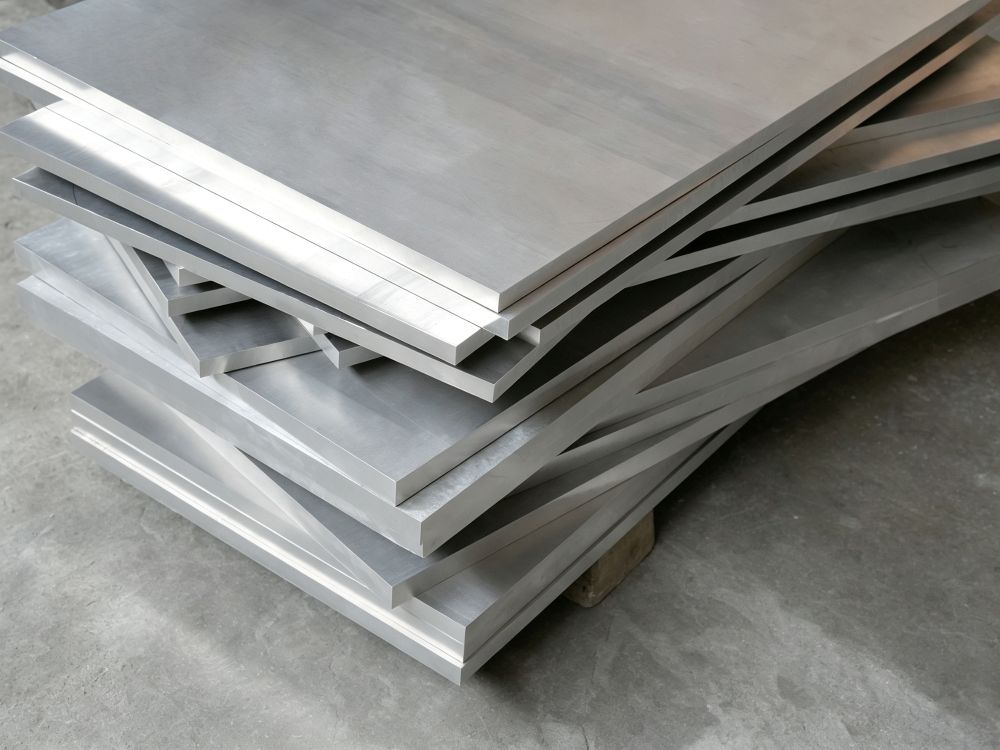
- Plate and sheet
- Bar and rod
- Extruded profiles
- Forged components
- Cast parts
- Application-specific machined products
This flexibility allows magnesium to serve very different industries in very different ways.
2.3 Strong Relevance in Modern Engineering Priorities
Today’s products are under pressure to do more with less. Less mass, less wasted space, less assembly complexity, less inefficiency. Magnesium alloys align naturally with that direction when the application is properly selected.
2.4 Real Value Depends on the Right Form
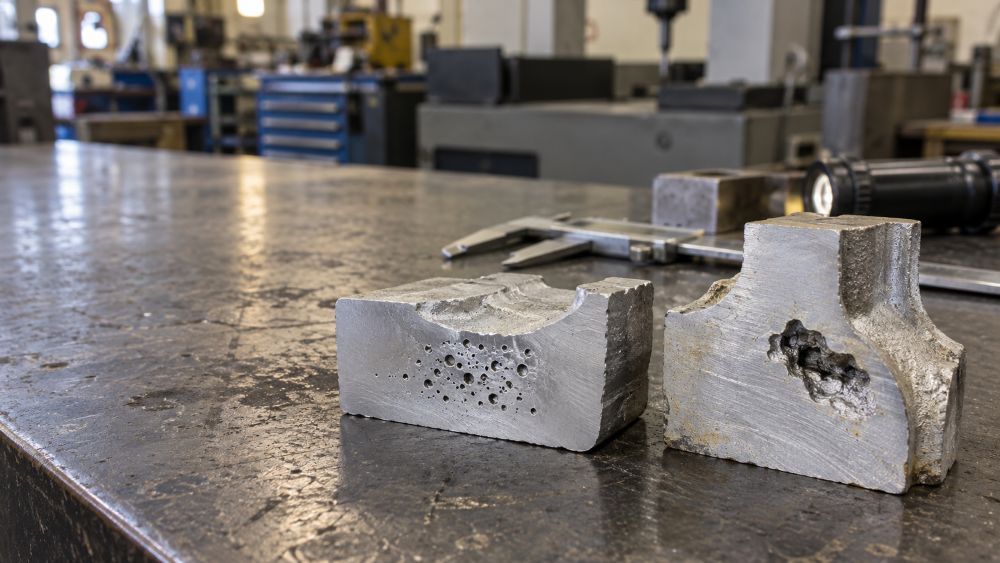
Not every magnesium alloy application uses the same product form. Some applications are better served by wrought plate or extruded stock. Others benefit from cast magnesium for complex geometries. This is why application success depends heavily on choosing the right route, not just the right alloy name.
3. Aerospace Applications: Lightweight Performance with Engineering Purpose
Aerospace remains one of the most important categories for magnesium alloy applications because weight reduction there is never just cosmetic. Every material decision has system-level implications.
3.1 Why Magnesium Matters in Aerospace Thinking
In aerospace design, reducing unnecessary mass can improve efficiency, balance, and structural optimization. But the real challenge is not simply choosing a lighter material. It is choosing a material that still supports reliability, manufacturability, and engineering purpose.
Magnesium alloys can be attractive for selected aerospace applications where those priorities align.
3.2 Typical Aerospace-Relevant Magnesium Applications
These may include:
- Lightweight structural subcomponents
- Interior support parts
- Machined lightweight elements
- Application-specific forged parts
- Plate-based precision components
The exact route depends on whether the component is load-sensitive, geometry-driven, or manufacturing-constrained.
3.3 Where Buyers Need to Be Careful
Aerospace applications demand more than marketing language. Material form, process discipline, and supply consistency all matter. A supplier must understand that aerospace-oriented magnesium use is usually application-led, not inventory-led.
That is why application knowledge matters just as much as supply availability.
4. Automotive Applications: More Than Just Weight Reduction
Automotive magnesium alloy applications are often discussed in terms of lightweighting alone. That is a good starting point, but it is not the full story.
4.1 Why Automotive Teams Look at Magnesium
In automotive systems, lower component mass can influence fuel efficiency, vehicle balance, handling, and broader system optimization. But magnesium also matters because it can support smarter component design when used correctly.
4.2 Common Automotive Application Directions
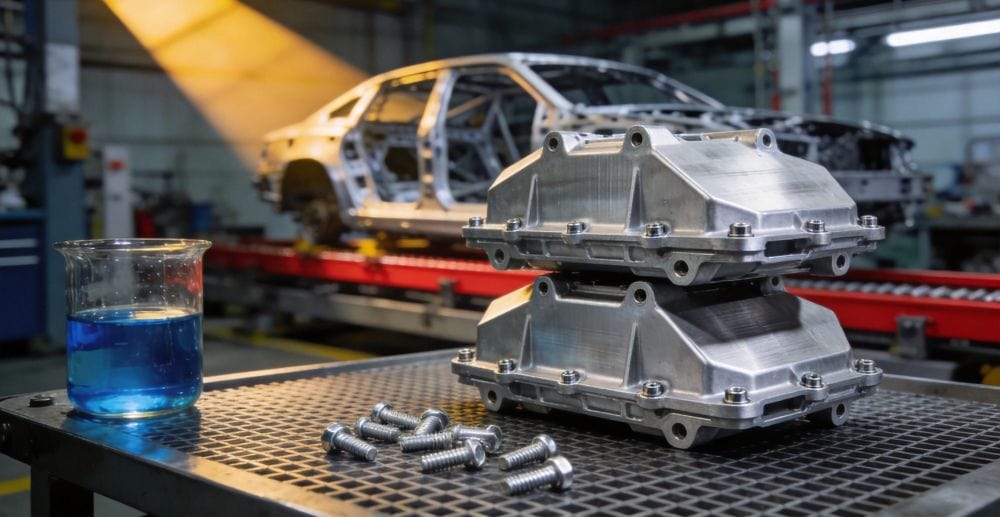
Magnesium alloys may be relevant in:
- Structural support elements
- Lightweight housings
- Enclosures and covers
- Seat-related structures
- Steering and support components
- Specialized lightweight assemblies
The value often depends on whether the material helps the part do its job more efficiently without creating downstream manufacturing problems.
4.3 Magnesium in EV Development
Magnesium becomes especially interesting in electric vehicle development because weight reduction affects broader system efficiency. Even when the part itself seems secondary, its material selection can influence how the full product platform behaves.
That is why magnesium alloy solutions are increasingly relevant in automotive and EV design discussions.
5. Electronics and 3C Applications: Precision, Form, and Functional Efficiency
This is one of the most commercially interesting areas for magnesium alloy applications because the benefits are visible both technically and physically.
5.1 Why Magnesium Fits Electronics and 3C
In electronics and related compact devices, designers often need a material that supports:
- Lightweight product feel
- Clean structural form
- Compact integration
- Functional enclosure performance
- High-end engineering presentation
Magnesium can help support that combination when the design and manufacturing process are aligned.
5.2 Typical Application Areas
Common use directions may include:
- Precision housings
- Device enclosures
- Frame structures
- Support shells
- Application-specific machined or cast components
5.3 Why This Area Requires Good Manufacturing Alignment
Electronics-related applications are sensitive to detail. The supplier must understand not only the material, but also the downstream expectations around dimensional control, appearance, consistency, and manufacturability.
That is where application knowledge begins to separate serious suppliers from general material sellers.
6. Medical and Specialized Technical Applications
Medical and specialized technical applications often demand a higher level of material awareness. Magnesium alloys are relevant here not because they are fashionable, but because they may align with specific design, performance, and material-handling goals in selected contexts.
6.1 Why Magnesium Draws Attention in Specialized Fields
The interest usually comes from a combination of lightweight performance, engineering flexibility, and specialized material behavior that can support technical product needs.
6.2 Application Logic Matters More Than Material Hype
In medical and technical sectors, it is especially important not to oversimplify the value of magnesium. These are not applications where buyers should choose material based on broad claims. They should choose it because the form, function, and manufacturing route are clearly aligned.
6.3 Specialized Fields Reward Better Material Planning
This is where a knowledgeable magnesium alloy supplier can add real value, because the decision often depends on nuanced application fit rather than broad market availability.
7. Industrial Manufacturing Applications Beyond the Obvious
Some of the best magnesium alloy applications are not always the most visible ones.
7.1 Machined Industrial Components
Magnesium plate, bar, and extruded stock can be highly relevant where machined components benefit from reduced weight and manageable material behavior.
7.2 Tooling and Fixture Applications
In some industrial scenarios, magnesium is useful not as the final commercial product, but as part of the manufacturing process itself. Lightweight tooling or fixture-related applications can create operational advantages that are easy to overlook.
7.3 Precision Industrial Assemblies
Where multiple components interact in a controlled assembly, reducing unnecessary weight while preserving practical function can improve overall system usability and efficiency.
7.4 Design-Led Industrial Products
Not every industrial product is purely structural. Some are judged on handling, portability, integration, or manufacturing simplicity. Magnesium alloys can help support these goals when the application is selected intelligently.
8. How Engineers Choose the Right Magnesium Alloy Application Route
A good magnesium application does not happen by accident. It comes from asking the right questions before production begins.
8.1 Start with Component Role
Is the part structural, decorative, protective, machined, load-bearing, or geometry-driven? This decides whether magnesium should even be under consideration.
8.2 Match the Material Form to the Manufacturing Method
Different applications call for different magnesium forms:
- Plate for machined or structural use
- Sheet for formed or lighter-section needs
- Extrusion for profile-driven designs
- Forging for targeted strength applications
- Casting for complex geometry and integrated part logic
8.3 Think Beyond the Prototype Stage
An application that works once is not enough. Engineers should consider whether the material choice supports repeatability, supply stability, and future project scaling.
8.4 Evaluate the Supplier as Part of the Application Strategy
The supplier should not only provide magnesium. They should help clarify whether the application is better served by wrought stock, cast parts, custom plate, or another route entirely.
That is where Miji Magnesium can create practical value for buyers who need more than a catalog answer.
9. Why Supplier Capability Matters in Application Success
The wrong supplier can weaken even a smart material decision.
Magnesium alloy applications often depend on:
- Correct material form selection
- Process consistency
- Understanding of end use
- Clear technical communication
- Reliable customization support when needed
A supplier that only focuses on generic availability may still leave the customer with the wrong route for the application.
A more capable supplier helps evaluate:
- Whether magnesium is the right material in the first place
- Which alloy family best fits the use case
- Whether plate, bar, extrusion, forging, or casting is the better route
- How supply should support downstream manufacturing
- How application priorities should guide procurement decisions
That kind of support improves not only material choice, but project quality.
10. Final Insight: The Best Applications Start with Better Material Strategy
Magnesium alloy applications are not important because they sound innovative. They are important because they create real industrial advantage when they are matched to the right problem.
In aerospace, the value may come from system-level weight logic.
In automotive, it may come from more efficient lightweight design.
In electronics, it may come from compact structural refinement.
In industrial machining, it may come from better handling and smarter material use.
In specialized technical fields, it may come from precise application fit.
The pattern is always the same.
The material works best when the application comes first.
That is why advanced buyers do not ask only, “Where can magnesium be used?”
They ask, “Where can magnesium create the most value in this product?”
For companies exploring magnesium alloy applications in real manufacturing environments, that question leads to better sourcing, better engineering decisions, and better long-term results.
FAQ
1. What are magnesium alloys commonly used for?
Magnesium alloys are commonly used in aerospace, automotive, electronics, medical technology, industrial machining, lightweight structural parts, and specialized enclosures where reduced weight and engineering efficiency are important.
2. Why are magnesium alloys used in aerospace applications?
They are used because lower component mass can support broader performance goals, including efficiency, structural optimization, and improved system design logic in selected aerospace applications.
3. Are magnesium alloys suitable for automotive parts?
Yes, in the right applications. Magnesium alloys are often considered for lightweight automotive components, housings, structural parts, and selected EV-related applications where reduced mass contributes to overall vehicle efficiency.
4. What makes magnesium useful in electronics and 3C products?
Magnesium can help support lightweight design, structural refinement, compact enclosures, and efficient product integration, which makes it attractive in selected electronics and 3C applications.
5. Do all magnesium alloy applications use the same material form?
No. Some applications require plate, some need sheet, some use extrusions or forged stock, and others are better served by cast magnesium components. The right form depends on the design and manufacturing route.
6. How should buyers choose the right magnesium alloy supplier?
Buyers should choose a supplier that understands not only magnesium materials, but also the real application, manufacturing process, and product goals behind the order.