
Introduction: When Weight Reduction Becomes the Baseline for Survival

In modern transportation engineering, weight reduction is no longer an elective—it is a survival calculation. Whether it is to offset the “overflow weight” of EV batteries, increase the effective payload of wide-body aircraft, or lower the axle load of high-power locomotives, the transition of materials is at the forefront of the industry.
As the “greenest engineering metal of the 21st century,” magnesium alloys are undergoing a leap from “aerospace specialty materials” to “universal transportation materials.” This transition is not merely about physical mass reduction; it is a systemic reconstruction of vehicle design logic, manufacturing processes, and supply chain philosophy. As a deep participant in this process, Shanghai Miji Magnesium Industry Co., Ltd. has witnessed how material performance translates directly into terminal market competitiveness.
The Evolution of Engineering Logic: Why Transportation Cannot Ignore Magnesium
Balancing “Absolute Strength” with “Specific Strength and Stiffness”
Traditional engineering mindsets often fall into the trap of “the harder, the better.” However, in mobile carriers, Specific Strength (strength-to-density ratio) and Specific Stiffness are the golden indicators of efficiency. Magnesium’s density is approximately 2/3 that of aluminum and 1/4 that of steel. When meeting equivalent structural strength requirements, magnesium components typically offer a weight reduction of 15%–25% over aluminum.
This reduction is not linear. In automotive engineering, every 1kg reduction in unsprung mass contributes to handling agility and energy optimization equivalent to a 5kg–10kg reduction in sprung mass. This “mass decoupling” effect is the irreplaceable value point of magnesium alloys in chassis and powertrain applications.
Damping Characteristics: The Underrated Source of “Premium Driving Feel”
Beyond its lightness, magnesium alloys possess an exceptionally high internal friction coefficient. This means they absorb mechanical vibration and noise more effectively than other metals.
- NVH Optimization: In high-end vehicles and rail transit, magnesium control arms or dashboard brackets significantly reduce the transmission of road noise, enhancing cabin tranquility.
- Electronic Component Protection: In complex vibration environments, magnesium enclosures act as a natural “shock-absorbing layer” for precision sensors and controllers.
Core Application Scenarios: Reshaping Land, Sea, and Air
Passenger Vehicles: The “Range Extender” of the EV Era
For Battery Electric Vehicles (BEVs), range anxiety is fundamentally tied to the heavy burden of the battery pack.
- Integrated E-Drive Systems: Magnesium battery trays and motor housings provide weight savings and superior thermal conductivity, ensuring the thermal stability of the battery during high-rate charging and discharging.
- Large-scale Integrated Die Casting: Leveraging frontier integrated casting processes, magnesium can consolidate dozens of stamped steel parts into a single large casting (such as CCB cross-car beams). This not only sheds weight but drastically improves the torsional rigidity of the vehicle body.
Rail Transit: The Challenge of Hypersonic Speeds and Axle Loads
In high-speed rail and urban transit, as speeds approach or exceed 400 km/h, the control of axle load becomes nearly surgical.
- Interiors and Structures: Magnesium extrusions are widely used in seat frames, berth platforms, and HVAC systems.
- Lightweight Bogies: Exploring the use of magnesium in bogie sub-components is key to reducing track wear and improving operational stability at high speeds.
Aerospace: From Secondary Structures to Core Engine Casings
In commercial aviation, fuel efficiency equals profit. Beyond the well-known interior applications, Rare Earth magnesium alloys (such as the WE43 series) are moving into small engine casings and gearbox housings due to their excellent creep resistance and high-temperature stability.
Alloy Selection Strategy: “Tailored Solutions” in the Eyes of Experts
Material application has no “panacea”; it requires precise adaptation to specific working conditions. Miji Magnesium has developed a mature application matrix:
| Operating Condition | Recommended Alloy | Core Advantage |
| High Wear / Powertrain | AS / AE Series | Exceptional creep resistance; maintains structural stability at 150°C–200°C. |
| High Toughness / Crash Safety | AM50 / AM60 | High elongation and energy absorption, ideal for steering wheels and seat bases. |
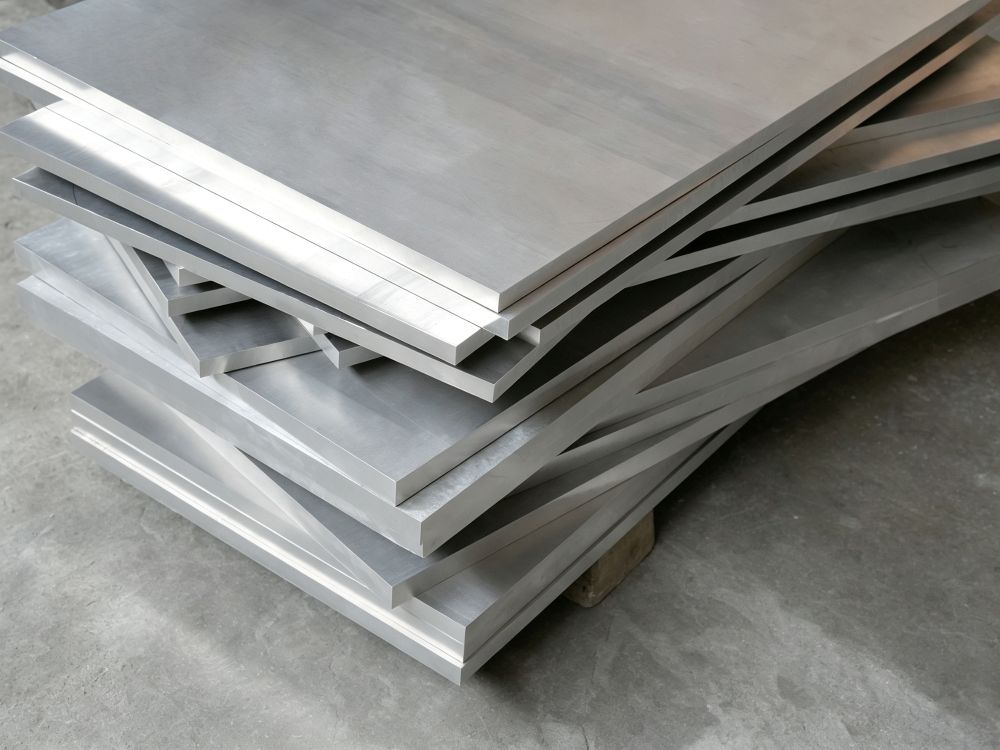
| General Structure / CNC | AZ31B / AZ61 | Balanced strength and formability, suitable for plate stamping and extrusions. |
| Extreme Env / Aerospace | Rare Earth (WE43) | Superior corrosion resistance and tensile strength, meeting rigorous aerospace standards. |
Manufacturing Revolution: From “Raw Materials” to “System Solutions”
Transportation clients no longer require just magnesium plates or rods; they need “assembly-ready” components.
Precision Extrusion and Forging: Breaking the Limits of Casting
Through high-deformation processing, the grain structure of magnesium alloys is refined, leading to a leap in fatigue life and impact toughness. This makes the mass production of magnesium alloy wheels and control arms—parts subjected to complex stresses—a reality.
Surface Engineering: Conquering the “Final Frontier”
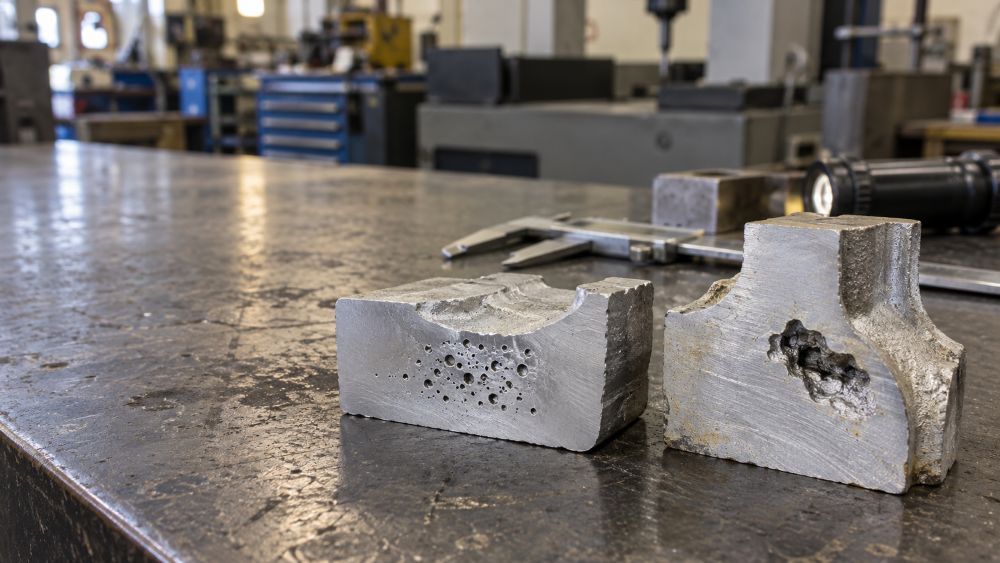
Corrosion resistance was once the technical bottleneck of magnesium. Modern processes such as Micro-Arc Oxidation (MAO), electrophoresis, and nano-sealing have allowed magnesium to match or exceed the performance of anti-rust aluminum in salt spray tests. This means it is now fully capable of serving in “exposed” areas like the vehicle chassis.
Value-Driven: Why Partner with Shanghai Miji Magnesium?
In the transportation supply chain, stability and response speed are more critical than unit cost.
- Full Chain Integration: From material selection and extrusion to precision CNC post-processing, we provide a one-stop closed-loop service that minimizes cumulative errors from cross-factory collaboration.
- Engineering Consultation (DfM): Our technical team does more than sell materials; we embed ourselves in the client’s R&D phase to assist in topology optimization, ensuring that structural weight reduction does not compromise safety margins.
- Scalable & Flexible Supply: Whether it is single-piece prototyping or large-scale mass production, Miji ensures the consistency of material properties across every batch.
Conclusion: Embracing the Magnesium Era for a Lighter Future
The future of transportation is a game of efficiency, sustainability, and experience. Magnesium alloy, as a key variable in this equation, has a value that transcends “lightness” itself. It represents an engineering attitude—the relentless pursuit of efficiency.
For engineers and procurement decision-makers, the application of magnesium is no longer a technical hurdle but a matter of strategic vision. By partnering with suppliers who possess deep technical foundations, you can transform material potential into a premium product advantage. This is the definitive path for the transportation industry toward high-end transformation.