
Imagine you are holding a part that is light but strong. This is what magnesium forged parts are like. These parts are used in cars and airplanes. Every bit of weight is important in these vehicles. Magnesium forged parts make things lighter and stronger. They also help take in shocks. You can find them in engines, gearboxes, and steering wheels. The market for these parts is growing quickly. People want better materials to keep vehicles and planes strong and working well.
| Industry | Application Description | Specific Use Cases |
|---|---|---|
| Aerospace | Magnesium alloys make aircraft parts lighter. | Engines, propellers, gearboxes |
| Automotive | Lighter cars use less fuel and work better. | Dashboard crossbeams, steering wheel arms |
| Electronics | Strong, light parts are used inside devices. | Inside electronic devices |
Key Takeaways
- Magnesium forged parts are light and strong. They are great for cars and planes. These parts take in shocks well. This helps them last longer and work better in hard places. Forging lowers inside holes. This makes magnesium parts more dependable than cast parts. New technology makes forging better. This gives higher quality and strength. Magnesium forged parts can be recycled. This helps protect the environment.
Magnesium Forged Parts Explained
Definition and Key Features
You find magnesium forged parts in many modern industries. These parts are made from magnesium, which is a metal that is light and strong. Using magnesium alloys makes the parts work even better. Magnesium forged parts are special because they are tough and easy to lift. They do not bend or break easily. This is why they are great for cars and planes.
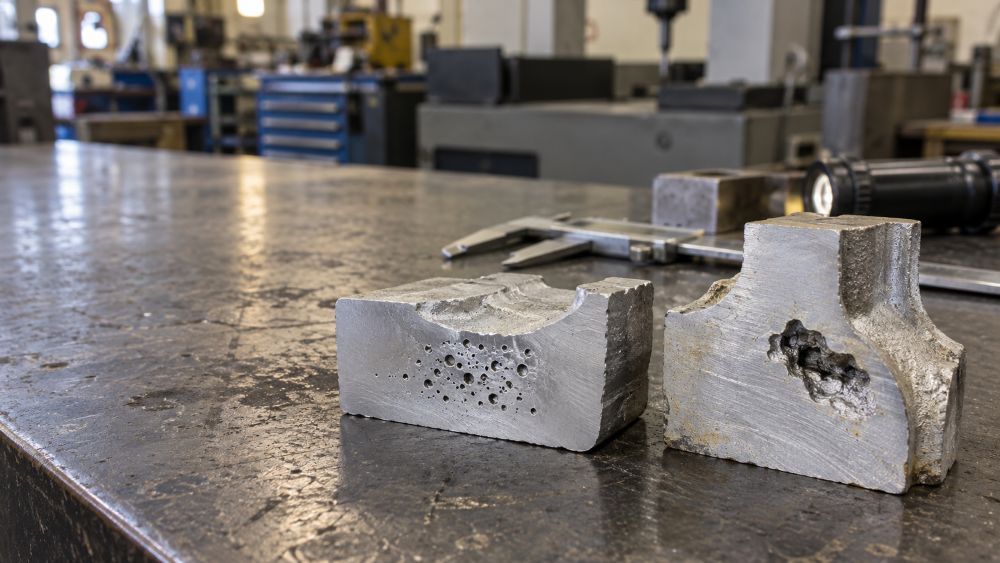
Magnesium forged parts have many important features. They last a long time even when used over and over. They can take hits and protect other parts. Forged parts have fewer holes inside than cast parts. This makes them stronger and more dependable. You can use them where safety matters most.
Let’s look at how magnesium forged parts compare to other metals. The table below shows the differences:
| Characteristic | Magnesium Forged Parts | Other Forged Metals |
|---|---|---|
| Porosity | Lower | Higher |
| Strength-to-Weight Ratio | Higher | Varies |
| Fatigue Resistance | Superior | Varies |
| Impact Resistance | Excellent | Varies |
Magnesium forged parts weigh less than aluminum, titanium, or steel. This helps cars go faster and use less gas. Magnesium alloys stay strong for a long time. Cast parts can get weak because of holes inside.
Magnesium forged parts also have great mechanical properties. Here are some important numbers:
| Property | Value |
|---|---|
| Density | Approximately 1.74 g/cm³ |
| Tensile Strength | 200–350 MPa |
| Yield Strength | 120–200 MPa |
You get a part that is strong and light. It weighs much less than steel or aluminum. This is good when every bit of weight matters.
Magnesium alloys make these features even better. New alloys, like Mg-9Gd-3Y-0.6Zn-0.5Zr, are very strong and light. These alloys help make magnesium forged parts even better. You can use them in fast cars and planes.
Tip: Magnesium forged parts are both light and tough. You can use them to make things lighter without losing strength.
Forging Process Overview
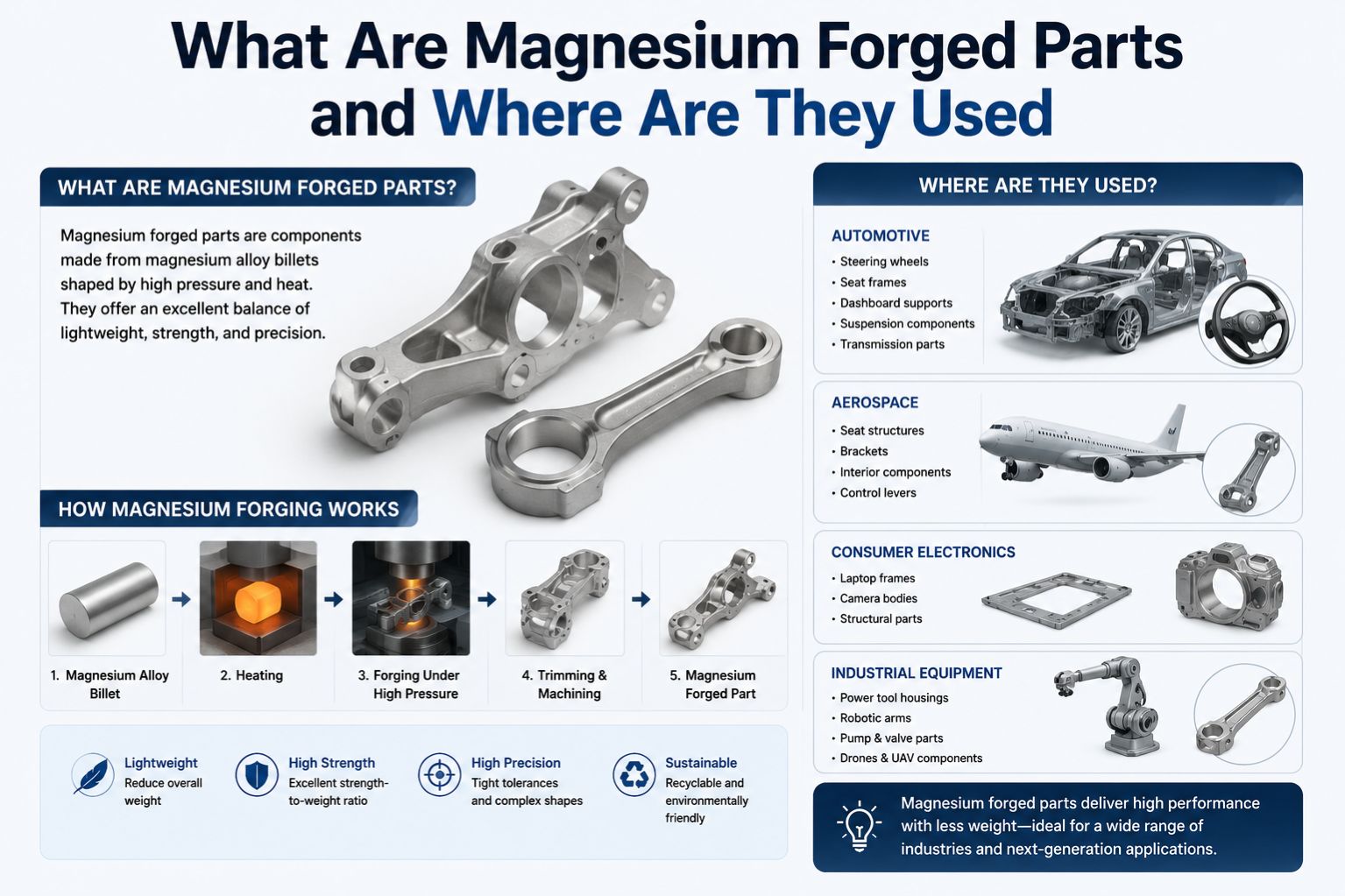
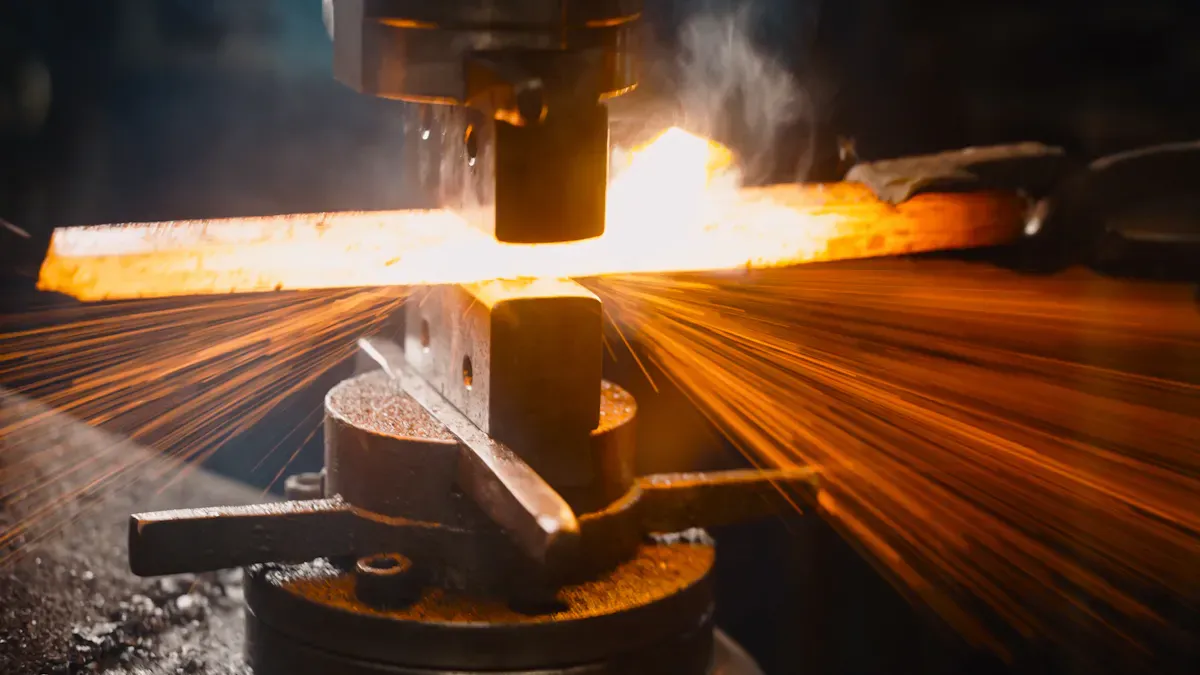
You need to know how magnesium forged parts are made. The forging process shapes magnesium into strong parts. You start with a billet, which is a round bar of magnesium or magnesium alloys. You cut the billet to the right size. For example, it might be 100 mm wide and 93 mm tall.
Here are the main steps in the forging process:
- Cut the billet to the right size.
- Heat the billet so it is easier to shape.
- Start forging to make the basic shape.
- Check if the part is good.
- Heat the part again for more shaping.
- Forge the part in the final mold.
- Remove extra material called flash.
- Make the part stronger by heating and cooling.
- Check the part for quality.
- Test the part to make sure it is strong.
- Machine the part to make it precise.
Each step makes magnesium forged parts better. Heating and shaping make the metal strong and less likely to have holes. Quality checks make sure the parts are always good.
New technology has made forging even better. Isothermal forging helps fix problems with cracking and bending. Multi-directional forging makes the parts more even and strong. Precision die forging helps make parts with fewer mistakes. New alloys, like Mg-9Gd-3Y-0.6Zn-0.5Zr, make parts strong and light.
| Technique | Benefits |
|---|---|
| Isothermal Forging | Fixes problems with bending and cracking. Makes strong parts. |
| Multi-Directional Forging | Makes magnesium alloys more even and strong. |
| Precision Die Forging | Helps make parts with fewer mistakes. Improves quality. |
| Mg-9Gd-3Y-0.6Zn-0.5Zr | Makes parts strong (371MPa) and light (25% of steel). |
Making magnesium forged parts can be hard. It is tough to make lots of them at once. You also need to think about how well they resist rust. Costs are not just about weight but about the whole part or car. You must balance these things when picking magnesium forged parts.
- Magnesium forged parts are lighter than other metals. They are great for cars and planes.
- Magnesium alloys make parts stronger and last longer.
- Forging makes parts less likely to have holes and more reliable.
- New technology makes magnesium forged parts even better.
- You need to solve problems like rust and making lots of parts.
Note: You can use magnesium forged parts to make things work better in many industries. Forging makes parts strong, light, and dependable.
Now you know why magnesium forged parts are so useful. Their special features and new forging methods make them the best for tough jobs.
Advantages of Magnesium Forged Parts
Lightweight and Strength Benefits
Magnesium forged parts are special because they are light and strong. They have a better strength to weight ratio than other metals. Their density is only 1.74 g/cm³. This makes them much lighter than aluminum or steel. In cars, you can see how much lighter they are:
- Magnesium forged parts weigh 33% less than aluminum.
- They are 50% lighter than titanium.
- They are 75% lighter than steel.
- Magnesium wheels can be up to 40% lighter than other alloys. This helps lower unsprung and rotational mass.
Because they are so light, vehicles use less fuel and move faster. Car makers like BMW and Chevrolet use magnesium alloys in engines and frames. This makes cars lighter and more efficient. You get faster acceleration and better fuel economy.
Shock Absorption and Durability
Magnesium forged parts do more than just make things lighter. They also help absorb shocks and vibrations. Magnesium alloys like AM60B and AZ91D are good at damping. When you use magnesium forged wheels, you hear less road noise and feel smoother rides. These parts can take hits and protect other parts.
Forged magnesium parts are also very durable. They have fewer holes inside than cast parts, so they resist cracking and wear. This makes them reliable in tough places. But their lifespan can be affected by surface or subsurface inclusions. This happens when parts face repeated stress. Always check the quality of the parts for best results.
Comparison With Other Materials
When you compare magnesium forged parts to other metals, you see clear benefits. Forged magnesium parts are lighter and stronger than aluminum. They also have a better strength to weight ratio than steel. Here is a quick look at recyclability and other features:
| Metal | Recycling Efficiency | Energy Consumption | Corrosion Resistance |
|---|---|---|---|
| Aluminum | High | Low | High |
| Magnesium | Lower | Higher | Lower |
Forged magnesium parts resist fatigue better than cast parts. The forging process packs the material tightly, making it stronger and more durable. Cast magnesium parts have more holes inside, so they are more likely to crack or wear out. You get more reliable performance from forged parts, especially in cars and planes.
Tip: Pick magnesium forged parts when you need high strength, light weight, and durability for tough jobs.
Applications in Automotive and Aerospace
Automotive Components and Wheels
Magnesium forged parts are used in many car parts today. Car makers pick these parts to make cars lighter and stronger. They want cars to be more reliable too. Forged wheels are found in fast cars where weight matters a lot. Magnesium forged wheels help cars go faster and handle better. These wheels weigh less than other types, so cars feel quicker and easier to drive.
Some common car parts made with magnesium forging are:
- Wheels
- Gearboxes and covers
- Corner nodes for hybrid subframes
- Corner nodes for EV battery boxes
- Frame nodes for the body-in-white
- Steering columns
- Suspension arms and links
Forged magnesium wheels are strong for their weight. They do not crack easily, even when you drive hard. You notice they last longer during tough driving. Magnesium alloy wheels weigh less than cast wheels. This means cars speed up faster and stop better. Lower rotating mass helps cars steer quickly. You feel sharper handling and better suspension on rough roads.
Performance wheels made from magnesium alloys give drivers an advantage. Race cars and fast vehicles use them. Magnesium forged wheels help you get the best from your car, on the street or track.
Aerospace Structural Uses
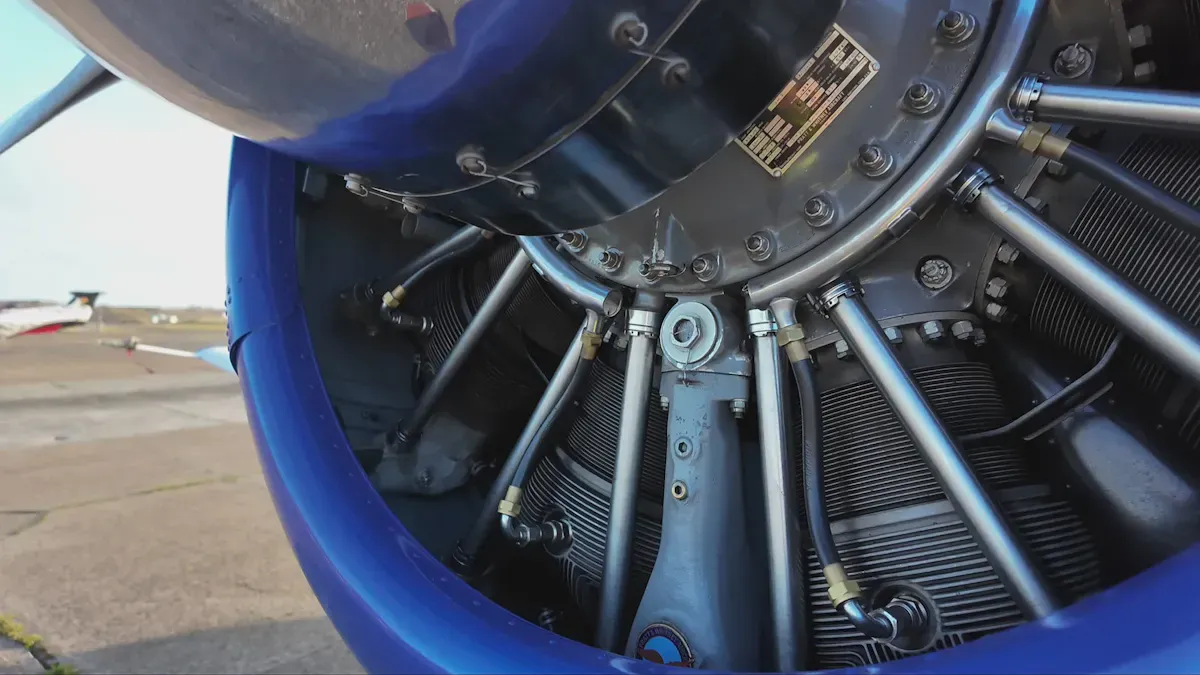
Magnesium forged parts are important in aerospace engineering. They are used where saving weight is very important. Magnesium alloys are used in engine parts that are not gas turbines, like gearboxes and helicopter transmission housings. These parts must be strong and light to keep planes safe.
New rules now let magnesium alloys be used in passenger aircraft seat frames. This means planes can have lighter and stronger seats. Magnesium forged parts help make planes weigh less overall. Lighter planes use less fuel and can carry more people or cargo.
Magnesium is easy to find. It is much more common than aluminum. This makes it a good choice for aerospace uses. Magnesium forged parts help keep planes light and reliable for a long time.
Impact on Performance and Efficiency
Using magnesium forged wheels and other parts makes cars and planes work better. Magnesium alloys are much lighter than aluminum, titanium, and steel. This helps save fuel and makes cars go faster.
In cars, forged wheels lower inertia when speeding up or slowing down. You need less energy to move the car. The suspension works faster over bumps, giving smoother rides. You feel more control with sharper steering. Magnesium forged wheels also help with steady braking because they spin with less energy.
Here is what you get with forged magnesium wheels in fast cars:
- Faster acceleration from lower rotating mass
- Better braking from less rotational inertia
- Sharper steering when changing direction quickly
- More responsive suspension on rough roads
- Stronger wheels that resist cracking under stress
- A more agile and connected driving experience
In planes, magnesium forged parts help lower the total weight. Lighter planes use less fuel, which saves money and helps the planet. Planes can carry more cargo or passengers. Magnesium alloy wheels and other forged parts make planes more efficient and dependable.
Magnesium forged parts are used in many places because they give real benefits. They make cars and planes lighter, stronger, and more efficient. You get better performance, improved safety, and lower costs. Magnesium forged wheels and other parts are important in modern automotive and aerospace engineering.
Other Industry Uses
Electronics and Consumer Devices
Magnesium forged parts are used in many electronics. Phones, laptops, and cameras use them to stay light and strong. Magnesium alloys like AZ91D and AM60B make products easier to carry. They also help devices last longer. Your device feels lighter because of magnesium. It also gets protection from drops and bumps.
Here is a table showing how magnesium helps devices:
| Property/Characteristic | Description |
|---|---|
| Lightweight | Magnesium is the lightest material for making things. This helps keep products easy to carry. |
| Strength-to-weight ratio | Magnesium alloys like AZ91D are strong but still light. This makes devices tougher. |
| Corrosion resistance | AZ91D resists rust, so devices last longer. This is important for things you use every day. |
| Ductility | AM60B bends without breaking. This helps devices take hits and stay safe. |
Magnesium’s corrosion resistance helps your device last longer. Even if it gets wet, it does not rust fast. AM60B’s ductility means your device can take a hit. It will not break easily. Magnesium forged parts help make safer and more reliable products.
Tip: Devices with magnesium forged parts are lighter and last longer. You get better use and stronger devices.
Chemical and Industrial Equipment
Magnesium forged parts are used in chemical and industrial machines. You find them in pumps, valves, and housings. These parts must not rust and must stay strong. Magnesium alloys like Ca-Mn do not rust easily. Special coatings and small grains help these alloys last longer than some aluminum alloys.
Here is a table about corrosion resistance:
| Alloy Composition | Corrosion Resistance Properties |
|---|---|
| Ca-Mn Alloys | Very low rust rates because of special coatings and small grains. They can last as long as or longer than aluminum alloys. |
| 0.2–1.5 wt.% Ca and 0.1–1.0 wt.% Mn | These alloys do not rust much and are very strong. Forging in different directions makes the grains even smaller and the part stronger. |
You need to be careful when working with magnesium forged parts. Magnesium can catch fire easily. Do not smoke near these parts. Always wear safety glasses, gloves, and fireproof clothes. Keep magnesium dry and in closed boxes. Use Class D fire extinguishers or sand for fires. Machines should make small chips to keep cool. Do not use water-based coolants. Use special vacuums to clean up dust.
- Magnesium forged parts help machines stay strong and not rust.
- You must be careful to stop fires when using magnesium.
Note: Magnesium forged parts help machines work better in tough places. They make equipment safer and last longer.
You now know magnesium forged parts are strong and light. They last a long time and work in many industries. Cars and planes use them to be safer and more efficient. The table below shows why they are good for performance:
| Benefit | Description |
|---|---|
| Strength | They are stronger than aluminum. They are great for vehicles and aircraft. |
| Lightweight | Less weight helps save fuel and makes handling easier. |
| Durability | Tough parts last longer and resist damage. |
| Environmental | They help save fuel and lower pollution. |
| Recyclability | They are easy to recycle and help the planet. |
- More industries will use magnesium forged parts because they want lighter and stronger materials.
- New technology and research will make these parts even better.
Think about magnesium forging when you need reliable parts for advanced designs.
FAQ
What makes magnesium forged parts better than cast parts?
Forged magnesium parts are stronger and last longer. They have fewer holes inside than cast parts. This means they do not crack as easily. You can depend on them more.
Are magnesium forged parts safe to use in cars and planes?
Magnesium forged parts are safe for cars and planes. They absorb shocks and stay strong under stress. Makers use them in important places like wheels and seat frames.
How do magnesium forged parts help improve fuel efficiency?
Magnesium forged parts weigh less than other metals. Lighter cars and planes use less energy to move. This helps you drive farther and makes less pollution.
Can you recycle magnesium forged parts?
Magnesium forged parts can be recycled. Recycling saves resources and keeps the environment clean. Many industries reuse magnesium alloys for new products.