
CNC machining is usually the better choice for repeat parts, complex geometry, and features that must stay in the same relationship from one part to the next. Manual machining can be the smarter route for a simple one-off repair, a quick alteration, or a job where setting up a program would take longer than making the feature by hand. Cost and accuracy depend on the part, not just the machine label.
Both routes remove material with real cutting tools. The difference is how the tool movement is controlled and how easily the same process can be repeated. For a buyer, the right question is less about which method is “better” and more about what has to be delivered: one changed shaft tomorrow, a ten-piece test run, or a hundred identical housings over the next year.
The job decides the process
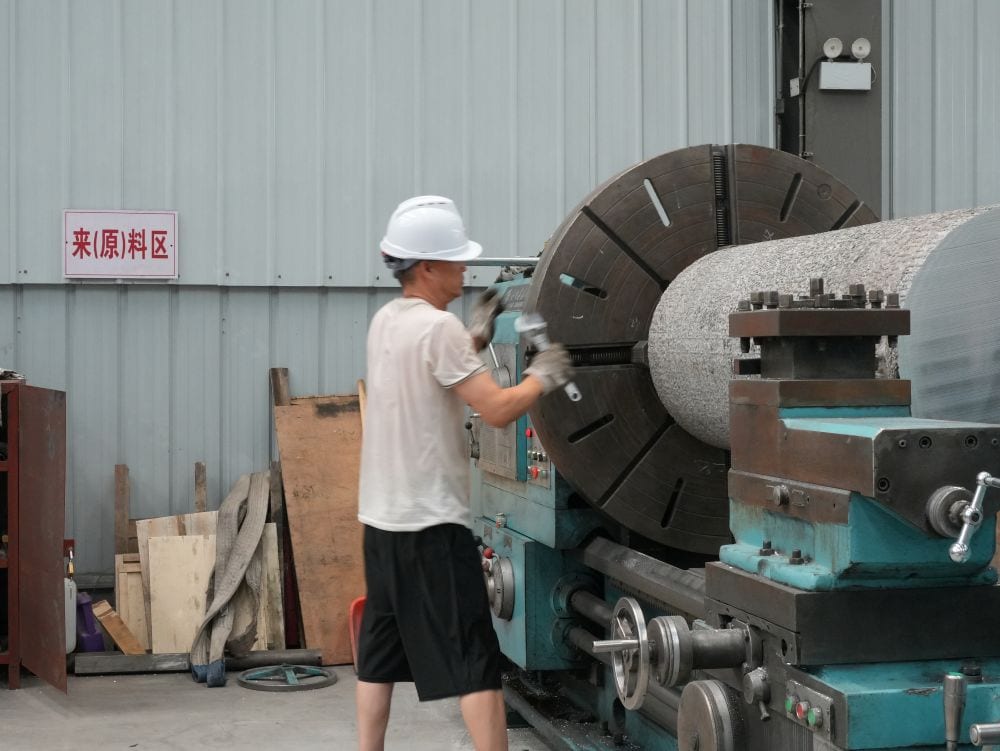
On a manual mill or lathe, the machinist controls the feed, position, and cut through handwheels, levers, and measuring tools. The work relies heavily on the operator’s setup choices and experience. That is valuable on work that changes as it is being made: repair work, modification of an existing component, or a simple feature added to a part that is already on the bench.
A CNC machine follows a programmed toolpath. The program does not remove the need for a skilled machinist. Someone still has to select the tooling, hold the part, set offsets, prove the program, manage chips, and inspect the result. The advantage is that the movement can be repeated after the first setup is proven.
The distinction becomes clearer when the part has several faces, a circular pocket, a detailed hole pattern, or dimensions tied to a common datum. A good manual machinist can make many of those features. CNC generally becomes easier to justify when the same geometry must be made again without relying on hand positioning for every feature.
If you need the basic process behind the term, our guide explains what CNC means in manufacturing. This article stays focused on choosing a route.
Cost is more than the hourly rate
Manual machining can look less expensive on a simple, urgent job because there may be no CAM programming or postprocessing step. A machinist can face a spacer, turn a diameter, drill a hole, and inspect it without building a full digital process. For a one-off repair, that is often a practical answer.
CNC takes planning at the beginning. The shop may need a model or drawing review, CAM programming, tool selection, fixture preparation, setup, and a first-part check. Those costs do not disappear because the order is small. This is why a single CNC part may feel costly even when the actual cutting time is short.
Once an order repeats, the picture can change quickly. A proven program, recorded offsets, known cutting tools, and stable workholding reduce the amount of fresh thinking required for each release. The machine can run a repeatable cycle while the operator handles inspection, another setup, or more than one machine.
| Cost item | Manual machining | CNC machining |
|---|---|---|
| Initial preparation | Often low for a simple one-off | Programming and setup can be significant |
| Repeat parts | Operator time repeats on each part | Proven process can be reused |
| Complex geometry | More bench time and layout work | CAM time up front; repeat cycle after approval |
| Fixture investment | Can be minimal for simple work | May use soft jaws or dedicated fixtures |
| Long-term unit cost | Can rise with repeated handling | Often improves as quantity and process stability increase |
There is no fixed quantity where CNC always wins. A batch of twenty plain spacers may be quicker by hand. Ten complicated plates with matched hole patterns may belong on CNC. The quote needs the actual dimensions, material, finish, and delivery requirement before that call can be made honestly.
For a broader breakdown of setup, cycle time, material, inspection, and finishing, see CNC machining cost factors.
Accuracy comes from the complete setup
It is common to hear that CNC is more accurate than manual machining. In repeat work, that is usually the useful part of the statement: a CNC machine can return to programmed locations and execute the same path after the process is controlled. It can also use probing, tool offsets, and inspection routines that support a repeatable job.
That does not mean every CNC part is automatically more accurate. Machine condition, thermal movement, tool wear, material stress, fixture stiffness, cutting force, and measurement method still matter. A poor fixture can move a CNC part just as surely as it can move a manually machined part.
For a simple feature, an experienced manual machinist can produce a close dimension and verify it with a micrometer or bore gauge. The difficulty grows when several dimensions need to agree with each other, when a part must be removed and returned to the fixture, or when the same result is required across repeated lots.
| Requirement | Manual machining may suit | CNC machining is usually the stronger route |
|---|---|---|
| One repaired bore or shaft diameter | Yes, if the part can be indicated and measured clearly | Useful when the same repair repeats |
| Simple facing, drilling, or turning | Often | Also possible; judge the setup cost |
| Repeating hole pattern and pocket geometry | Possible, but layout takes time | Yes, especially across several parts |
| Multi-face relationship or angled features | Can require several careful setups | Often better with programmed positioning or multi-axis access |
| Controlled repeat production | Difficult to sustain entirely by hand | Usually preferred |
The numbers on a drawing should drive the decision. If a surface only needs to clear another part, do not ask for a precision finish by habit. If two holes locate an assembly, give them clear datums and a meaningful positional requirement. Our CNC machining tolerance chart covers the factors that affect a realistic tolerance plan.
Volume changes the answer
Manual work is at its best when flexibility matters more than repetition. A maintenance team may bring in a worn machine component with no CAD model, no usable print, and an urgent need to get a line running. The machinist can inspect the existing part, discuss the fit, and make a repair or replacement without waiting for a full CAM process.
Prototype work sometimes fits the same pattern. An early test part may have a simple shape and a design that will change after assembly. Manual work can be a sensible way to answer a narrow question quickly. It is not a shortcut around engineering; it is simply a different production route.
CNC earns its place once repetition, geometry, and documentation become important. A customer may need parts delivered in several releases, or may want the same program used after a revision is frozen. In that setting, stable datums, fixture locations, tool lists, inspection instructions, and controlled revisions matter as much as the machine cycle.
This is why the first good prototype should trigger a production review, not just a larger purchase order. Our article on CNC prototype vs. production machining explains what usually changes between those stages: stock form, workholding, inspection scope, and the outside processes around the cut.
Geometry and material can rule out the easy answer
A long shaft, bushing, plain flange, or basic repair feature can be well suited to manual turning or milling. A simple part does not become better because someone puts it on a five-axis machine.
Other parts become hard to manage by hand. Deep pockets, a pattern of closely located holes, compound curves, side features, and surfaces that need to align after several operations all add risk. CNC is useful because it reduces repeated layout work and gives the shop a controlled path for the cutter. If tool access from several directions is the issue, compare 3-axis vs. 5-axis CNC machining before specifying a machine type on the purchase order.
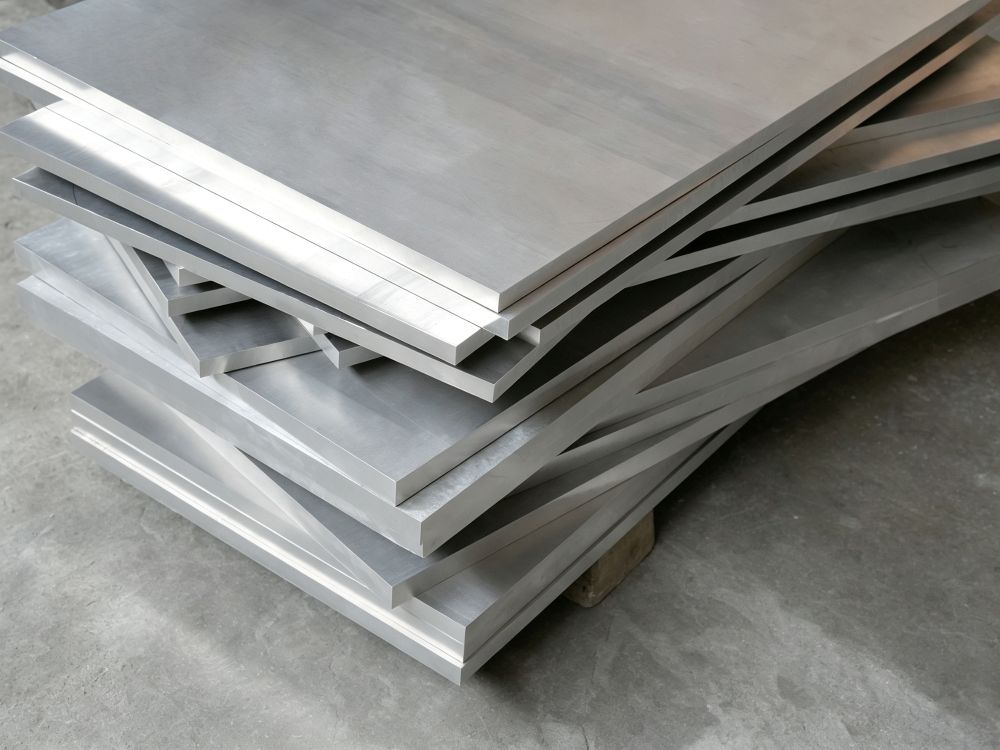
Material changes the practical choice too. Copper can leave long, soft chips. Thin aluminum can move when a clamp is released. Stainless steel can work-harden when the cutting strategy is poor. Magnesium requires a planned chip-handling and housekeeping procedure. These are not reasons to avoid CNC or manual work; they are reasons to let the shop choose a process it can control.
The material form matters as well. A simple repair made from bar stock is not the same manufacturing problem as a thin casting or a hollow extrusion. If the final production part will use a different form, make that clear during early quoting.
What a buyer should send before asking for a recommendation
The strongest request is not a sentence saying “CNC only” or “manual only.” Send the information that lets the supplier see the job: a 2D drawing or marked sketch, a 3D model when one exists, material and stock form, quantity, critical fit features, required finish, and delivery date.
For a repair, photos, measurements from the mating part, and an explanation of the failure can be more useful than a formal drawing. For repeat production, revision control and inspection requirements carry more weight. Let the supplier know whether the first order is a prototype, a bridge run, or the beginning of regular production.
One practical detail is worth stating early: what happens if the supplier sees a better route? A buyer may want the first pieces quickly but be open to a fixture or process change after the design is approved. That gives the shop room to quote the immediate need without hiding the next step.
Questions about CNC and manual machining
Is manual machining cheaper than CNC?
It can be cheaper for a simple one-off, repair, or small alteration because preparation is limited. For repeat parts or detailed geometry, CNC often provides a better total route after setup has been proven.
Can manual machining hold close tolerances?
Yes, on features that can be set up and measured reliably. The harder task is holding the same relationships and results over repeated parts, setups, and deliveries. That is where CNC process control is usually valuable.
Is CNC always better for prototypes?
No. A simple early prototype can be made well with manual machining. CNC is often preferred when the prototype has complex geometry, multiple related features, or a likely path into repeat production.
Should I tell the supplier which process to use?
You can state a preference or an approved process requirement. Otherwise, provide the functional requirements and let the supplier recommend a route. A request for “CNC” does not solve an access, tolerance, or material-handling problem by itself.