
CNC machining cost comes from the whole route required to make a good part: material and blank size, programming, setups, machine time, geometry, tolerance, finish, inspection, quantity, and delivery timing. Raw material matters, but it is not always the biggest number. A low-cost material can still produce an expensive part when it needs several setups, long-reach tools, tight inspection, or a rushed delivery.
If you are new to the process, start with our guide to what CNC means in manufacturing. It explains what happens between a CAD model and a finished part. This page looks at the cost decisions inside that route.
How a CNC quote is built
There is no honest universal online price for a machined part. A quote is a plan: the shop picks the stock form, decides how the part will be held, selects the machine and tools, estimates cycle time, and allows for the finishing and inspection your drawing calls for.
Total order cost =
material + programming and setup + machine cycle time + tooling
+ secondary operations + inspection + packaging and logistics

Unit cost = total order cost ÷ acceptable finished quantity
That is a way to understand the quote, not a substitute for a supplier review. Two parts with the same outside dimensions can take very different routes. One may sit in a vise for a single operation. The other may need custom jaws, a flip, a long tool, deburring by hand, and a CMM report.
Material and starting stock
1. Material grade. Aluminum, stainless steel, copper, titanium, engineering plastics, and magnesium alloys do not buy or cut the same way. A drawing that simply says “aluminum” or “magnesium” leaves the estimator with an important unanswered question. Grade, temper, certification, and availability all affect the material route.
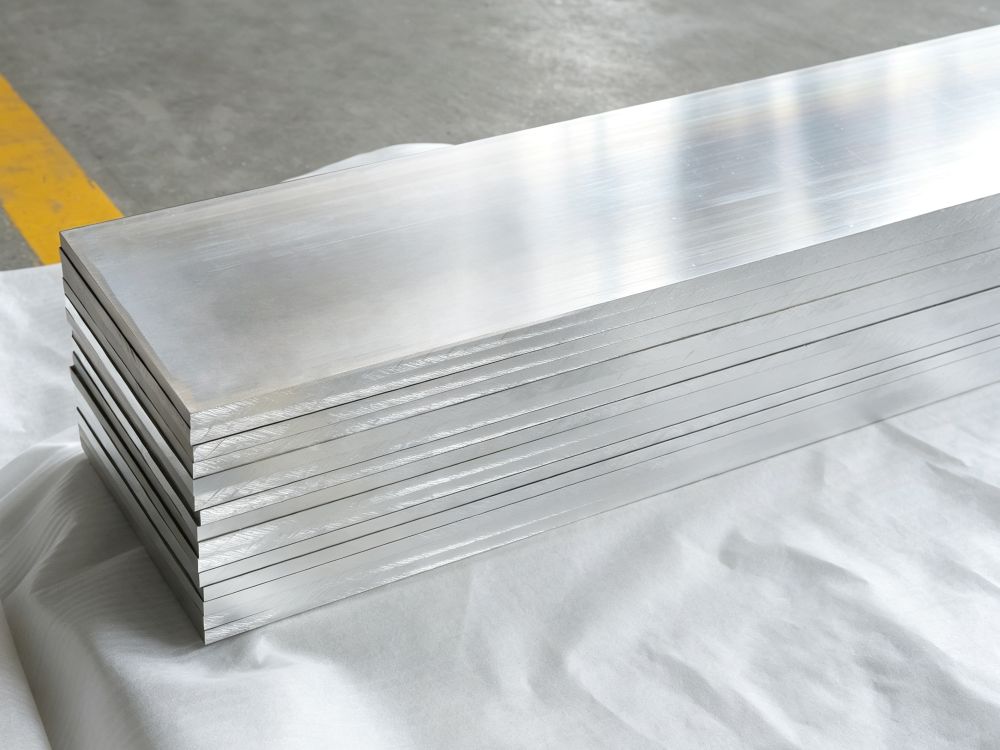
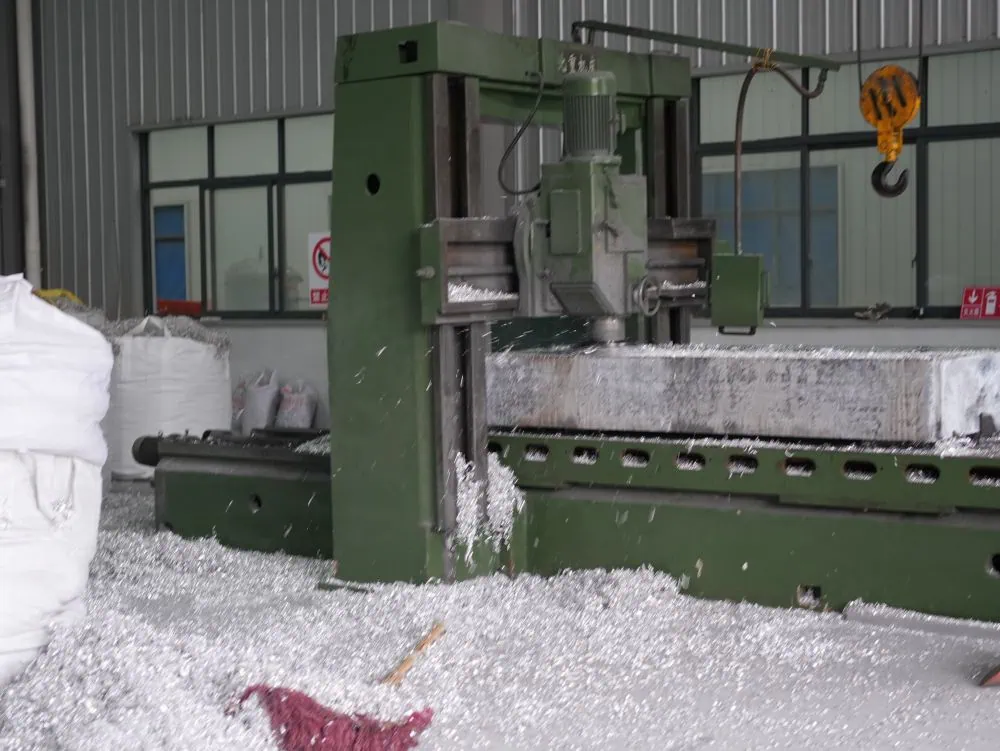
2. Stock size and stock form. The finished part may weigh very little, but the shop has to buy a workable blank. A wide part cut from an oversized plate can leave a lot of paid-for material in the chip bin. A near-net forging, casting, or extrusion can reduce removal, although it may add its own tooling, lead-time, or quality considerations.
For a lightweight component, magnesium alloy CNC machining can be a good route when the part needs a low mass and the quantity does not justify dedicated forming tooling. Grade and form still need to be agreed before the quote. A magnesium plate, extrusion, and forging do not behave exactly alike once they go into a fixture.
A simple change in overall dimensions can sometimes let a buyer use standard plate or bar instead of a special cut size. It is worth asking about before a drawing is frozen, especially when the part starts as a large block and ends up as a thin frame.
Programming, setups, and machine choice
3. Programming and setup time. Before the first part is cut, someone has to create a process, prepare the CAM program, choose tools, set work offsets, prove the toolpaths, and check the first article. Those hours are real whether the order is one part or one hundred.
Small orders feel this most. A five-piece order may carry nearly the same planning work as a fifty-piece order. Repeat production can be different when the program and fixture are already proven, but a revision to the drawing can put some of that work back on the table.
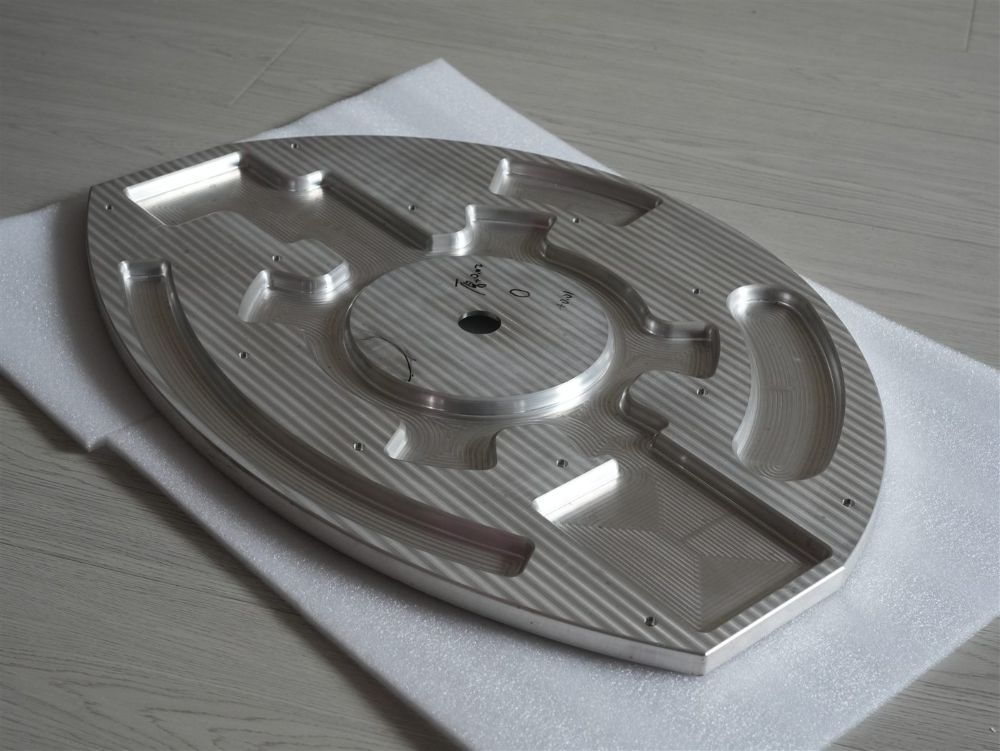
4. Machine type. A simple plate with holes and pockets may run well on a three-axis mill. A housing with angled bores and features around several faces can cost less overall on a five-axis machine if it avoids repeated re-clamping. The hourly rate is only one part of the comparison.
That decision is usually about access and setup count, not prestige. Our guide to 3-axis vs. 5-axis CNC machining explains where the extra axes earn their keep—and where they do not.
The same part can sometimes be made on either machine. A good quote compares the complete route. If a five-axis setup removes two flips and protects the relationship between critical faces, its higher machine rate may be a fair trade. If every feature is open from the top, putting it on a five-axis machine may simply add cost.
Cycle time and part geometry
5. Cutting time. This is the cost driver people usually notice first, and it is more than minutes under the spindle. It includes roughing, finishing, drilling, tapping, tool changes, probing, part handling, deburring, and checks done during the run.
Removing a large amount of material takes time. So do deep holes, deep narrow pockets, tight internal radii, and finishing passes on surfaces that must be smooth or flat. A long tool can reach a deep feature, but it may need lighter cuts to stay stable. That is where an innocent-looking pocket starts moving the price.
6. Geometry and tool access. Inside sharp corners are a common example. A milling cutter leaves a radius; making that radius very small requires a smaller tool. The tool removes less material on each pass and may need more reach. Neither fact shows up as a red warning on a CAD screen.
Thin walls are another one. The wall can look fine while supported in a fixture, then relax after unclamping. The shop may need staged roughing, light finishing passes, temporary support, or more inspection time. If that is your situation, see thin-wall CNC machining and deflection control.
Holes from several sides, hard-to-reach features, and a lot of unrelated datum faces also add handling. None of them automatically makes a part “bad for CNC.” They just need to be priced with the actual manufacturing route in mind.
Tolerance, finish, and inspection
7. Tolerances and GD&T. Tight dimensions can add finishing passes, probing, temperature control, specialized gauges, or a slower inspection routine. Position, flatness, concentricity, and profile requirements affect cost in different ways because they are verified differently.
Do not relax a tolerance that protects fit, sealing, alignment, or safety. On the other hand, it rarely helps to give every noncritical exterior face the same tight tolerance as a locating bore. A drawing is easier to make and inspect when critical features are obvious. Our CNC machining tolerance chart shows the sort of factors a shop will review before committing to a tolerance.
8. Surface finish. Surface requirements are not limited to a roughness number. Tool-mark direction can matter on a seal. A visible cover may need a uniform appearance. A contact surface may need a controlled edge break instead of a polished edge. Deburring is often a small line item until the part has many holes, slots, or delicate threads.
Then there are outside processes: anodizing, conversion coating, plating, blasting, polishing, passivation, or paint. Each has handling, masking, lead-time, and dimensional implications. Our CNC machining surface finish guide helps separate a functional finish requirement from a broad “make it look good” note.
9. Inspection and documents. A basic dimensional check is different from a first-article layout, CMM program, full dimensional report, material certificate package, batch traceability, or coating certification. The part may run on the same machine either way, but the documentation and measurement effort change.
Ask for the evidence the project actually needs. For example, a few critical dimensions may need a full report while general dimensions are checked to the drawing and released under normal shop controls. That scope should be settled before production, not when the parts are packed.
Quantity, lead time, and outside work
10. Order quantity. Setup and programming do not divide evenly until the order has enough parts. At low quantity, those fixed activities can be a large part of the unit price. At higher quantity, material yield, cycle time, fixture design, and repeatability become more important.
| Quantity range | What usually drives the CNC machining cost |
|---|---|
| 1–5 parts | Programming, setup, material minimums, and first-piece checks often dominate. |
| Small batch | Setup starts spreading across the order; fixture simplicity and toolpath time become easier to see. |
| Repeat production | Cycle time, tool life, material yield, and process consistency carry more weight. |
| Higher volume | Dedicated fixtures, automation, stock planning, and release schedule deserve a closer review. |
If you expect to buy the part repeatedly, say so. A supplier may quote the first release one way and suggest a better fixture or stock route for later releases. Asking for several quantity breaks—rather than one arbitrary number—often gives a much more useful picture.
11. Lead time. A normal delivery window lets the shop group similar work, buy material through its usual channels, and schedule outside finishing in sequence. An expedited request can mean material rush charges, schedule changes, overtime, premium freight, or a surface-treatment vendor fitting the job into an already full week.
12. Secondary operations. Heat treatment, grinding, EDM, laser marking, assembly, washing, special packaging, and export paperwork can all sit outside the main machining cycle. They may be essential. They also need to be listed in the quote scope. A part that looks inexpensive before coating or grinding is not necessarily inexpensive when delivered.
Unclear drawings create project risk
Some quotes rise because the drawing does not give the shop enough to make a stable plan. That might be an unspecified material condition, a tolerance that conflicts with the general note, a visible surface with no appearance standard, or a datum scheme that does not match how the part can be held.
Workholding deserves attention here. A thin cover, a copper contact plate, or a lightweight magnesium housing can be damaged by clamping before cutting begins. The right fixture locates the part, supports it near the cut, and leaves the tool room to work. CNC workholding is not an add-on once geometry gets flexible or multi-sided.
For first production runs, the supplier has to make choices where the drawing is quiet. That uncertainty shows up as extra engineering time, a conservative process, or a request for clarification. Neither is a bad response. It is better than silently guessing and producing parts that pass one interpretation but fail yours.
Ways to reduce CNC machining cost without weakening the part
The most productive cost conversation starts with the features that must stay. A sealing land, a press fit, a structural wall, or a safety-critical interface may have no room to move. Leave those alone. Review the rest of the drawing with the supplier.
- Apply tight tolerances only to features that control fit or function.
- Use a larger internal radius where the mating part allows it.
- Avoid very deep, narrow pockets when an open pocket or assembled design will work.
- Keep standard holes and thread sizes where possible.
- Mark visible, sealing, electrical-contact, and ordinary surfaces differently.
- Consider a stock form closer to the final shape.
- Share annual quantity and expected releases, not only the first purchase order.
- Send both a STEP model and a controlled PDF drawing.
The goal is not to strip cost from a part at any price. It is to stop paying for precision, finishing, or handling where the product does not use it. On one drawing, increasing a corner radius can save time. On another, the smartest move is combining two operations in one setup. It depends on the part.
What helps a supplier quote accurately
For a clean first quote, send the 3D model and the 2D drawing together. Identify the material grade and condition, order quantity, any annual demand you can share, critical tolerances, finish or coating, inspection documents, delivery location, and required date.
If a particular face must be cosmetic, flat after unclamping, electrically clean, or protected during handling, write that down. A short note is more useful than a supplier trying to infer intent from a shaded CAD view.
Questions buyers ask about CNC machining cost
How much does CNC machining cost per part?
It depends on the actual process plan and quantity. One-off parts usually carry more setup and programming cost per unit. A useful quote separates any one-time engineering or fixture charge from the recurring unit price where possible.
Why are one-off CNC parts expensive?
The shop still needs to plan, program, set up, prove, and inspect the first part. Those activities are divided by one part instead of a production run.
Is five-axis CNC always more expensive?
No. The machine rate may be higher, but fewer setups can reduce handling time and position stack-up. For a simple one-face part, it may offer no cost benefit at all.
Do tighter tolerances increase CNC machining price?
They can. The cost increase usually comes from the additional process control and inspection required to hold the dimension reliably, rather than from the tolerance number by itself.
Can a different material reduce the cost?
Sometimes. The answer depends on material price, stock availability, machining behavior, weight target, corrosion requirements, and how much material must be removed. Any substitution needs engineering approval.
What files are needed for a CNC quote?
A STEP model and 2D PDF drawing are a strong start. The drawing should carry material, quantity, tolerances, finish, and inspection requirements that are not obvious from the model.