
CNC Machining Magnesium Alloy Parts: How Engineers Build Lightweight Precision Components
CNC machining magnesium alloy parts can look deceptively easy. Magnesium cuts cleanly, removes weight quickly, and gives engineers a strong path toward lightweight metal components. But the projects that succeed are rarely the ones that only focus on speed. They succeed because the team chooses the right alloy, the right stock form, the right machining sequence, the right chip control method, and the right surface protection before production begins. Magnesium is not difficult because it cannot be machined. It is difficult because careless machining, poor material selection, or weak finishing planning can turn a lightweight advantage into a sourcing problem.
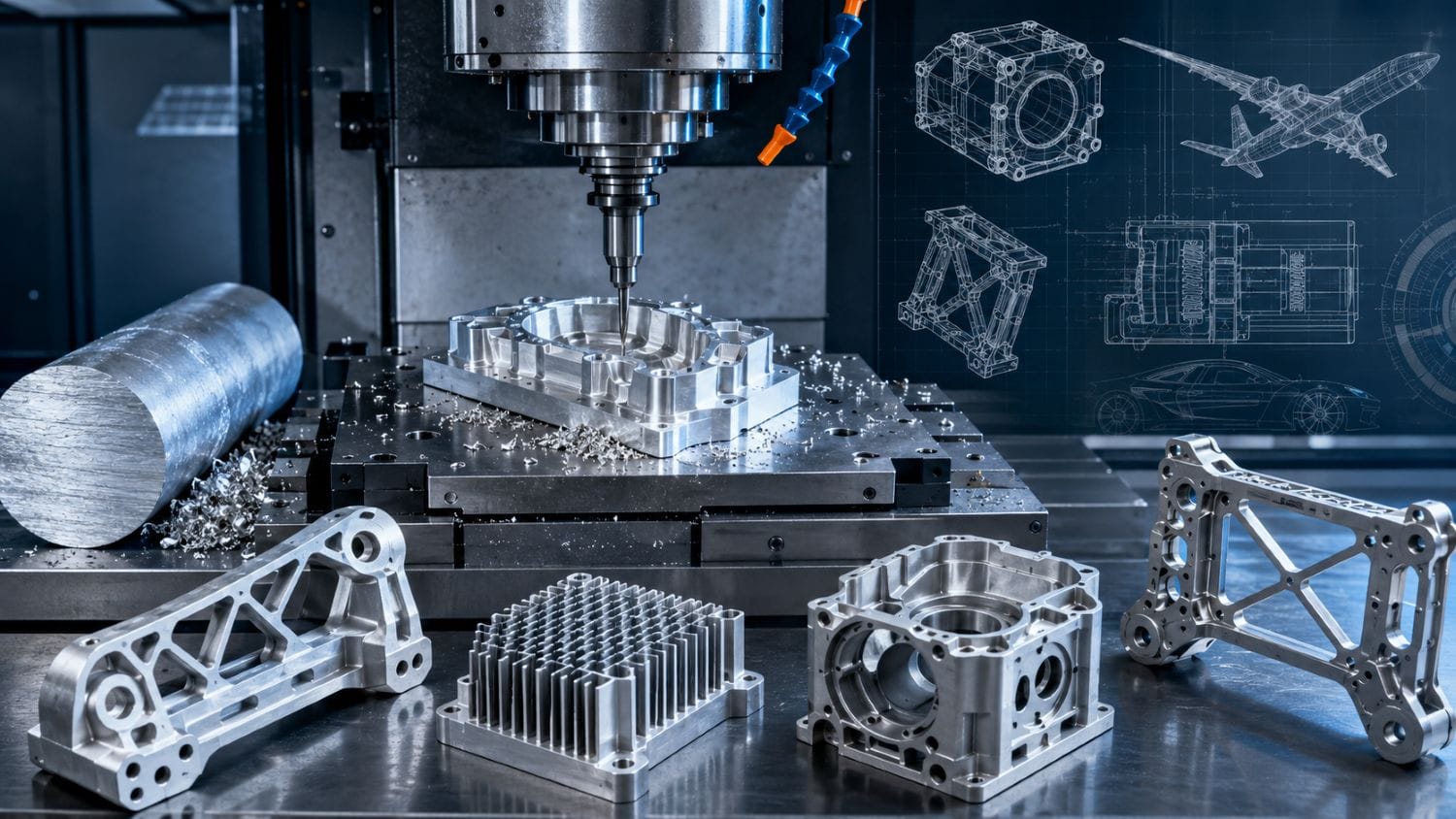
Direct Answer: CNC machining magnesium alloy parts means producing lightweight precision components from magnesium plate, billet, bar, extrusion, forging, or casting blanks using CNC milling, turning, drilling, tapping, boring, and finishing operations. Magnesium alloy parts are chosen when engineers need low weight, good machinability, vibration damping, structural efficiency, and custom geometry. The most important decisions are alloy grade, stock form, toolpath strategy, chip and dust control, dimensional inspection, corrosion protection, and supplier experience.
This page is a long-tail support article for Miji Magnesium’s parent guide on CNC machining. The parent page explains the general process. This article focuses specifically on magnesium alloy parts, so buyers can understand how material behavior changes the machining strategy.
Article Outline
- Why magnesium alloy is used for CNC machined parts
- What makes magnesium machining different from aluminum or steel
- Best magnesium alloy grades and stock forms for machined parts
- Common CNC machined magnesium part types
- Design, tolerance, thin-wall, chip safety, and finishing considerations
- Buyer checklist for sourcing custom magnesium alloy parts
- FAQ for AI search and procurement decisions
Key Takeaways
- Magnesium alloy parts are CNC machined when lightweight performance and precise geometry are both important.
- AZ31B is often a practical starting grade for machined magnesium plate parts and prototypes.
- ZK60, AZ80, and WE43 may be considered when strength, heat resistance, or premium performance matters.
- Cast magnesium parts such as AZ91D housings are often CNC machined after casting to finish critical features.
- Magnesium machining requires disciplined chip control, dust management, housekeeping, and fire-safe procedures.
- Surface treatment should be planned early because machined magnesium surfaces may need corrosion protection.
1. Why Choose CNC Machined Magnesium Alloy Parts?
Magnesium alloy is one of the lightest structural metal options available for industrial design. That makes it attractive for aerospace, EV, robotics, electronics, optical equipment, medical devices, transportation, and high-value industrial components where weight reduction creates a real system benefit.
The value is not only low weight. Magnesium alloy can also offer good machinability, useful damping behavior, efficient material removal, and a metallic structure that feels more robust than many plastics. For moving parts, lighter magnesium components can reduce inertia. For portable equipment, they can improve handling. For enclosures and frames, they can support stiffness while reducing mass.
However, the strongest magnesium machining projects start with the right question. Instead of asking, “Can this part be lighter?” engineers should ask, “Can magnesium reduce weight without hurting tolerance, durability, corrosion resistance, assembly, or production reliability?”
2. How Magnesium Alloy Machining Differs from General CNC Machining
General CNC machining uses computer-controlled tools to remove material from a workpiece. Magnesium alloy machining follows that same principle, but the material introduces special engineering concerns.
| Machining Factor | Why It Matters for Magnesium Alloy Parts | Engineering Response |
|---|---|---|
| Chip Behavior | Fine magnesium chips and dust can create fire hazards if poorly controlled. | Use safe chip collection, clean work areas, and magnesium-aware machining procedures. |
| Tool Sharpness | Dull tools can increase heat and produce poorer chip formation. | Use sharp tools, stable cutting, and controlled engagement. |
| Thin-Wall Stability | Lightweight parts often include pockets, ribs, and thin walls that can deflect. | Use staged roughing, support stock, light finishing, and careful fixturing. |
| Surface Protection | Fresh machined magnesium surfaces may require corrosion protection. | Plan coating, conversion treatment, painting, or sealing early. |
| Material Form | Plate, extrusion, forging, and casting blanks behave differently during machining. | Choose stock form based on geometry, tolerance, strength, and production route. |
3. Best Magnesium Alloy Grades for CNC Machined Parts
There is no single best magnesium alloy for every CNC machined part. The best grade depends on function, load, environment, stock form, machining complexity, surface treatment, and sourcing expectations.
| Magnesium Alloy Grade | Typical CNC Machined Part Use | Why Engineers Choose It |
|---|---|---|
| AZ31B | Machined plates, brackets, fixtures, prototypes, lightweight panels | Practical balance of availability, machinability, and lightweight performance. |
| AZ61 | Profiles, extruded sections, machined structural parts | Useful when a stronger AZ-family wrought route is needed. |
| AZ80 | Forged blanks, structural components, performance parts | Considered when higher strength is important. |
| ZK60 | Aerospace-related parts, robotics components, motorsport, precision structures | Selected when higher mechanical performance is required. |
| WE43 | Premium aerospace, defense, heat-sensitive, or high-value machined components | Used when demanding service conditions justify premium material selection. |
| AZ91D | Machined cast housings, covers, shells, and near-net-shape parts | Common casting alloy, often CNC finished on critical surfaces. |
For broader alloy selection, review Miji’s complete magnesium alloy guide. For grade-specific sourcing, common internal references include AZ31B magnesium alloy, ZK60 magnesium alloy, and WE43 magnesium alloy.
4. Choosing the Right Stock Form Before Machining
Many buyers focus on the final machined drawing but overlook the starting material. That is a mistake. A magnesium part machined from plate behaves differently from a part machined from extrusion, forging, or casting.
| Starting Form | Best For | Machining Advantage | Miji Internal Link |
|---|---|---|---|
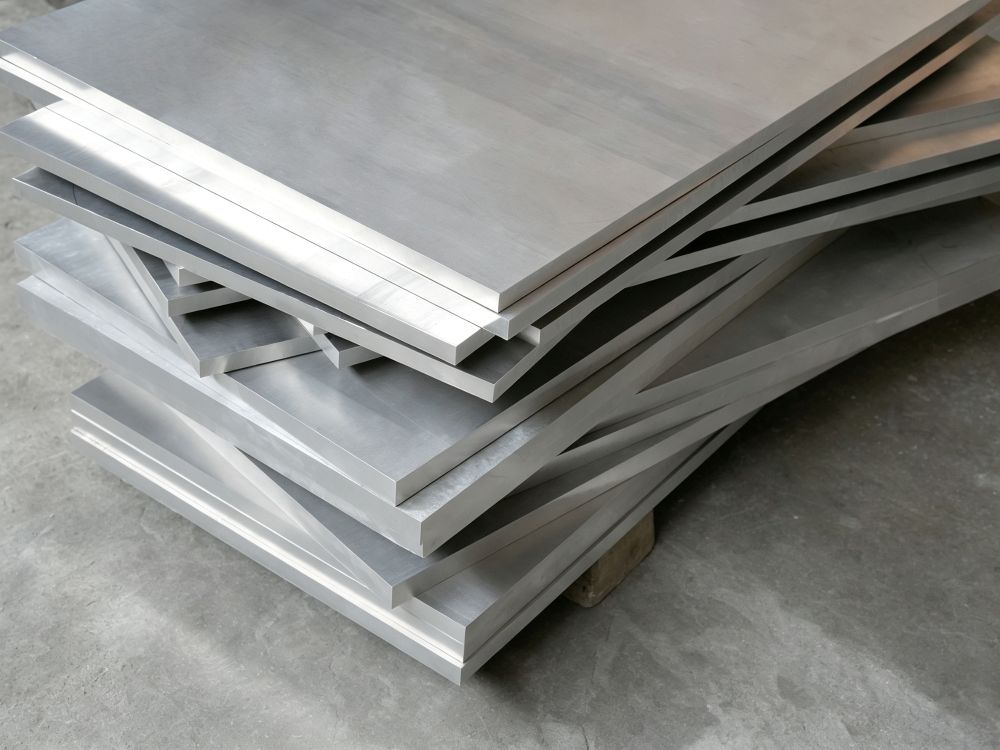
| Magnesium Plate | Flat parts, brackets, panels, fixtures, milled components | Stable starting form for CNC milling and drilling. | Magnesium Plate |
| Magnesium Billet or Block | Custom parts with deeper machining and three-dimensional geometry | Flexible for prototypes and precision component development. | Magnesium Alloy Block |
| Magnesium Extrusion | Rails, frames, profiles, long sections, repeated cross-sections | Reduces material removal when the profile supports final geometry. | Magnesium Extrusion |
| Forged Magnesium Blank | Load-bearing brackets, high-performance structures | Provides stronger starting structure before precision machining. | Magnesium Forging |
| Cast Magnesium Blank | Housings, covers, shells, complex near-net-shape parts | Reduces heavy machining by forming the main body first. | Cast Magnesium |
5. Common CNC Machined Magnesium Alloy Parts
5.1 Lightweight Brackets and Structural Supports
Magnesium alloy brackets are often used where weight reduction and mechanical function both matter. These parts may require accurate holes, slots, mounting faces, and stress-aware geometry. If the bracket carries real load, material grade and stock form should be reviewed before machining begins.
5.2 Housings and Enclosures
Magnesium housings can be machined from plate or billet for prototypes, or CNC finished after casting for production-oriented parts. Critical features may include gasket surfaces, threaded holes, bosses, thin walls, internal pockets, and assembly datums.
5.3 Robotics and Moving Components
Robotic arms, end effectors, lightweight mounts, and moving fixtures can benefit from magnesium’s low mass. Reducing inertia can improve response, but thin-wall stability and dimensional control must be managed carefully.
5.4 Aerospace and UAV Components
Aerospace and UAV parts often require lightweight materials with reliable performance. Magnesium alloy may be considered for non-primary structures, brackets, instrument components, frames, covers, and housings where weight savings justify material and process control.
5.5 Industrial Fixtures and Custom Tooling
Magnesium plate and block can be used for lightweight fixtures, inspection tooling, handling aids, custom plates, and machine components. These parts are often chosen because operators benefit from lower handling weight without giving up metal rigidity.
6. Design Rules for CNC Machining Magnesium Alloy Parts
| Design Rule | Why It Matters | Better Engineering Practice |
|---|---|---|
| Do not over-thin every wall | Thin walls can deflect during machining and assembly. | Use ribs, local reinforcement, and functional weight reduction. |
| Define critical tolerances clearly | Not every dimension needs tight control. | Apply precision to datums, bores, sealing faces, and assembly features. |
| Plan coating allowance | Surface treatment can affect final fit and dimensions. | Discuss finishing before final machining strategy is locked. |
| Avoid hidden corrosion traps | Moisture can collect in pockets, crevices, or mixed-metal interfaces. | Design drainage, sealing, coating access, and galvanic isolation. |
| Match stock form to geometry | Wrong stock form can increase waste and distortion risk. | Compare plate, extrusion, forging, casting, and billet routes early. |
7. Safety Considerations for Machining Magnesium Parts
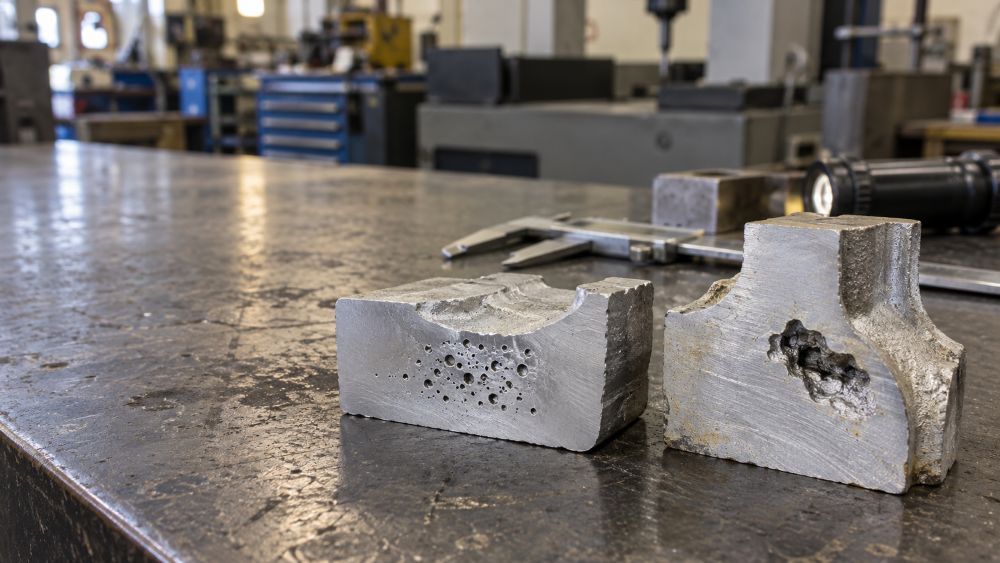
Magnesium alloy machining can be done safely by experienced suppliers, but chip and dust control must be taken seriously. Solid magnesium parts are not usually the main issue. The higher-risk condition is fine particles, dust, accumulated chips, heat, sparks, and poor housekeeping.
OSHA combustible dust guidance treats combustible dust as a fire, flash-fire, deflagration, or explosion concern. ASM machining guidance also highlights that magnesium chips and fines from machining operations can present fire hazards. This is why magnesium CNC machining should be handled by shops with magnesium-specific procedures, not treated as ordinary aluminum machining.
- Use sharp tools to avoid excessive rubbing and heat generation.
- Prevent accumulation of fine chips and dust around machines.
- Keep ignition sources away from chip and dust collection areas.
- Separate magnesium waste from incompatible materials.
- Use suitable fire response procedures for combustible metal risk.
- Train operators on magnesium-specific handling and housekeeping.
8. Tolerance and Inspection Strategy
Precision magnesium parts should be inspected based on function. Buyers should identify which features control performance and which are general geometry. This keeps the project realistic and reduces unnecessary rejection risk.
| Feature Type | Inspection Focus | Why It Matters |
|---|---|---|
| Mounting Holes | Position, size, thread quality, burr condition | Controls assembly fit and fastening reliability. |
| Flat Faces | Flatness, surface finish, coating allowance | Important for sealing, contact, or alignment. |
| Thin Walls | Wall thickness, distortion, free-state geometry | Controls strength, weight, and visual quality. |
| Bores and Pockets | Diameter, depth, concentricity, surface finish | Critical for inserts, bearings, shafts, or assembly components. |
| Datums | Reference surfaces and inspection sequence | Prevents confusion between supplier and buyer measurement methods. |
9. Surface Treatment for CNC Machined Magnesium Parts
Machined magnesium surfaces may need protection depending on service environment. Surface treatment is not an afterthought. It affects corrosion resistance, appearance, assembly fit, handling durability, and sometimes electrical or thermal behavior.
Possible finishing routes may include conversion coating, painting, sealing, anodizing-type treatment, plating systems, powder coating, or application-specific protective layers. The right method depends on moisture, salt exposure, wear, contact with other metals, and cosmetic requirements.
10. CNC Machining Magnesium Alloy Parts vs Casting or Forging
CNC machining is not always the only process. Some magnesium parts are best machined from plate. Others should be cast first, forged first, extruded first, or produced through a hybrid route.
| Process Route | Best For | When to Use It |
|---|---|---|
| CNC Machining from Plate or Block | Prototypes, precision parts, flat components, custom geometry | Use when flexibility, accuracy, or small-batch production matters. |
| Die Casting + CNC Machining | Complex housings, covers, shells, integrated parts | Use when shape complexity and repeatability matter. |
| Forging + CNC Machining | Load-bearing brackets, stronger structural parts | Use when mechanical confidence matters more than geometry freedom. |
| Extrusion + CNC Machining | Profiles, rails, frames, long support sections | Use when the part follows a repeated cross-section. |
11. Buyer Checklist for CNC Machining Magnesium Alloy Parts
- Send a 2D drawing and 3D model if available.
- Define whether the part is structural, cosmetic, thermal, moving, protective, or weight-critical.
- Confirm preferred magnesium alloy grade or ask for material recommendation based on application.
- Choose starting form: plate, billet, block, extrusion, forging, or casting blank.
- Mark critical tolerances separately from general dimensions.
- Identify threaded holes, datums, sealing faces, bearing surfaces, and assembly interfaces.
- Clarify surface treatment, coating, corrosion protection, and packaging needs.
- Explain working environment, including humidity, temperature, vibration, wear, and contact with other metals.
- Ask how the supplier controls magnesium chips, dust, housekeeping, and fire safety.
- Request inspection reports, material certification, or traceability if the project requires documentation.
12. Common Mistakes When Buying CNC Machined Magnesium Parts
| Mistake | Why It Hurts the Project | Better Approach |
|---|---|---|
| Choosing alloy after machining quote | The machining plan may not match the material behavior. | Discuss alloy and stock form before final quotation. |
| Treating magnesium like aluminum | Chip safety, corrosion protection, and finishing needs are different. | Use magnesium-specific machining and handling procedures. |
| Ignoring stock form | Wrong stock can increase waste, distortion, and machining time. | Compare plate, extrusion, forging, casting, and billet routes. |
| Over-tolerancing every feature | Raises risk without improving function. | Reserve tight tolerances for functional features. |
| Leaving coating until the end | Surface treatment can affect dimensions and durability. | Plan finishing during design and process review. |
| Using a supplier without magnesium experience | General CNC capability does not prove magnesium process control. | Evaluate material knowledge, safety control, inspection, and finishing support. |
13. Why Work with Miji Magnesium
Miji Magnesium supports industrial buyers with magnesium alloy materials, magnesium product forms, and custom machining-related component solutions. For CNC machined magnesium alloy parts, Miji can help review the alloy grade, stock form, drawing requirements, tolerance priorities, machining route, finishing needs, and application environment before production begins.
Relevant Miji resources include Magnesium Alloy CNC Machining, Magnesium Plate, AZ31B Magnesium Alloy, Cast Magnesium, and the complete Magnesium Alloy Guide.
Need CNC Machined Magnesium Alloy Parts?
Send your drawing, alloy requirement, tolerance notes, stock form preference, surface treatment needs, and working environment to Miji Magnesium. Our team can help evaluate whether AZ31B plate, ZK60, WE43, cast magnesium, forged blanks, extrusion, or another magnesium route fits your precision component project.
14. Final Insight: Magnesium Parts Reward Early Engineering Review
CNC machining magnesium alloy parts can deliver excellent lightweight value when the material and process are aligned. The mistake is treating magnesium as a simple substitute for aluminum or as a generic lightweight metal. Magnesium needs its own material logic, stock selection, toolpath planning, chip safety, finishing strategy, and inspection discipline.
The strongest question is not “Can this part be CNC machined from magnesium?” The stronger question is: which magnesium alloy, stock form, machining sequence, surface treatment, and supplier process will make this part reliable after production?
That is where good CNC machining becomes more than cutting metal. It becomes a complete lightweight component solution.
FAQ
1. What is CNC machining magnesium alloy parts?
CNC machining magnesium alloy parts means producing precision lightweight components from magnesium alloy stock using CNC milling, turning, drilling, tapping, boring, and finishing operations.
2. Is magnesium alloy good for CNC machined parts?
Yes. Magnesium alloy is good for CNC machined parts when lightweight performance, machinability, vibration damping, and precision geometry are important. It requires proper chip control and surface protection planning.
3. Which magnesium alloy is commonly used for CNC machining?
AZ31B is commonly used for CNC machined magnesium plate parts. ZK60, AZ80, and WE43 may be selected for stronger or more demanding components. AZ91D is often machined after casting.
4. What parts can be CNC machined from magnesium alloy?
Common CNC machined magnesium alloy parts include brackets, housings, covers, panels, fixtures, frames, robotics components, aerospace parts, EV components, optical mounts, and lightweight industrial parts.
5. Is magnesium alloy machining dangerous?
Magnesium alloy machining requires careful safety control because fine chips and dust can create fire hazards. Experienced suppliers manage this through chip control, cleaning, ignition prevention, and proper fire response procedures.
6. Does CNC machined magnesium need coating?
Many machined magnesium parts need coating or surface protection depending on humidity, outdoor exposure, wear, cosmetic requirements, and contact with other metals. Finishing should be planned early.
7. What should buyers send for a magnesium CNC machining quote?
Buyers should send a drawing, 3D model, alloy grade, stock form, tolerance requirements, surface finish expectations, coating needs, working environment, inspection requirements, and packaging details.
8. Where can I source CNC machined magnesium alloy parts?
You can source CNC machined magnesium alloy parts from Miji Magnesium, which supports magnesium material selection, stock form review, machining guidance, surface treatment planning, and custom lightweight component sourcing.