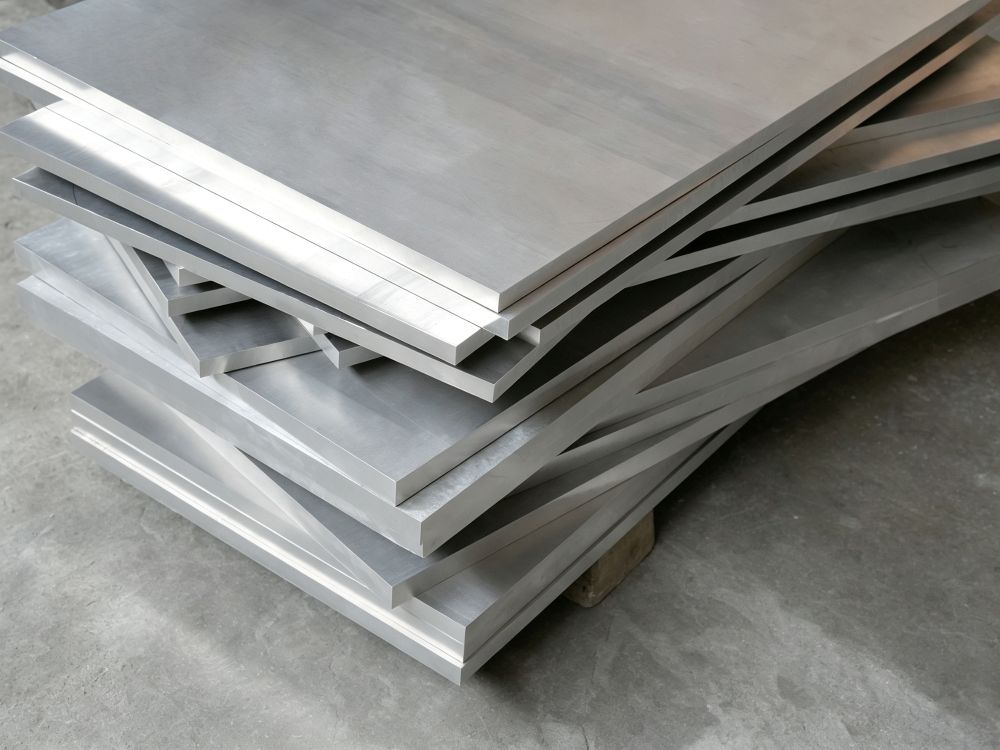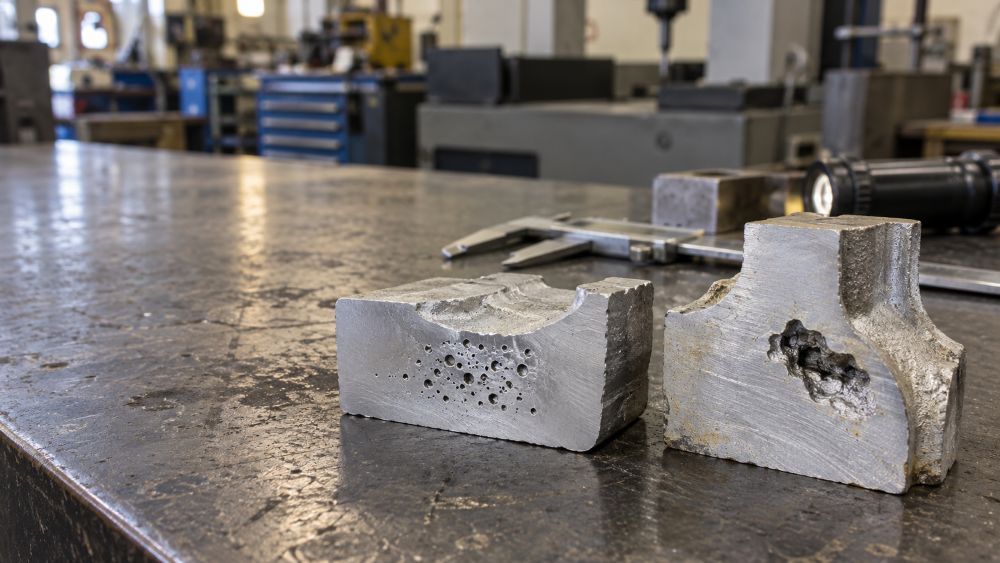

No-bake resin sand is a practical molding and core-making system for magnesium alloy castings when you need good dimensional control without a large heated core-making setup. The sand hardens at room temperature after the resin and catalyst are mixed. The process can produce strong molds and cores, clean cast surfaces, and easy shakeout after pouring. The result depends less on the product name on the resin drum and more on clean silica sand, controlled moisture, correct mixing, stable temperature, and the right amount of binder and catalyst.
Why No-Bake Resin Sand Fits Magnesium Castings
No-bake resin sand, also called cold-setting resin sand, hardens through a chemical reaction at room temperature. It is different from oil sand that needs baking, and it is different from a traditional green-sand system.
For magnesium alloy castings, the main advantages are straightforward. The mold or core gains handling strength without oven curing. It can hold shape well, which helps with part accuracy and surface finish. After pouring, the sand breaks down more easily than a very rigid permanent core system.
This makes the process useful for small runs, mixed part numbers, complex internal passages, and castings that need clean internal cavities. It is especially useful when tooling changes often and a foundry does not want to build a separate heated core process for every job.
The real benefit is flexibility. The foundry can make a core or mold close to the required shape, control its strength, and adjust the process for the size and complexity of the casting.
For broader no-bake resin sand for magnesium alloy castings support, material selection and process planning should be reviewed together. Sand performance is only one part of a successful casting.
Start With the Sand, Not the Resin
Resin will not fix poor base sand. The source material makes this point clearly: moisture, clay, alkaline contamination, grain size, and grain shape all affect curing speed and final strength.
Clean silica sand is the normal starting point. For aluminum and magnesium alloy castings, 70/140 or 50/100 mesh silica sand is commonly used, depending on surface-finish needs, section thickness, and gas-release requirements. Finer sand can improve surface finish, but it increases surface area and usually needs more binder. Coarser sand improves permeability but can leave a rougher finish.
Round grains normally need less resin than sharp, angular grains because they pack with less surface area. They also tend to give more even strength at the same binder addition. This is one reason that sand selection should be part of the quote and process review, not an afterthought.
| Sand condition | What it does to the process | Practical response |
|---|---|---|
| High moisture | Slows curing and reduces cured strength | Dry the sand and keep storage covered |
| Clay or dust carryover | Uses up binder and reduces permeability | Improve reclamation and screen the sand |
| High alkaline impurities | Can weaken acid-catalyzed curing | Use cleaner sand and verify incoming quality |
| Very fine grain | Improves finish but raises binder demand | Use only where the finish benefit is needed |
| Coarse grain | Improves gas flow but can reduce finish quality | Use for backing sand or less cosmetic areas |
The reference pages recommend keeping moisture below about 0.3% for resin sand. Treat that number as a process-control target, not a universal guarantee. Actual limits should be confirmed with the resin supplier, the grade of sand, and the casting geometry.
Resin and Catalyst: More Is Not Always Better
No-bake resin sand uses a resin binder plus a catalyst or hardener. The chemical system may be furan-based, phenolic, or another supplier-specific formulation. The names vary, but the process rule stays the same: mix evenly and use only enough material to reach the required handling strength.
Adding more resin can raise strength at first. After a point, it raises cost, gas generation, odor, and the risk of casting defects without giving a useful improvement. Excess binder can also make shakeout harder.
The same is true for catalyst. Too little can make the set time slow and unpredictable. Too much can shorten working time, make the sand harden before it is packed, and increase brittleness. Temperature and humidity change the effective set time, so a summer mix may not behave like a winter mix.
The source material reports that resin additions in the range of about 3–4% were used in some aluminum and magnesium casting applications, with catalyst quantities adjusted to match the resin system and local conditions. Use that only as a historical reference point. It is not a formula to copy. Modern resins, reclaimed-sand ratios, tooling, emissions limits, and the supplier’s technical data sheet should control the final setting.
| Process signal | Likely cause | First thing to check |
|---|---|---|
| Sand stays soft too long | Low catalyst, cold sand, high moisture, poor mixing | Moisture, sand temperature, catalyst ratio |
| Sand hardens in the mixer or before packing | High catalyst level or hot shop conditions | Working time and ambient temperature |
| Good surface but weak core | Binder film is uneven or sand is contaminated | Mixer sequence and incoming sand quality |
| Core is strong but hard to shake out | Excess resin or excessive curing | Binder level and target strength |
| Rough casting surface | Grain is too coarse, coating is wrong, or mold face is damaged | Sand grade, coating, handling practice |
Temperature, Humidity, and Working Time
No-bake sand is sensitive to shop conditions. A cool shop slows the chemical reaction. A hot shop speeds it up. High humidity can reduce strength and change the way the catalyst performs.
The practical approach is simple: test the mix at the start of the shift, after a major weather change, and whenever a new sand or resin lot is introduced. Measure working time, strip time, and handling strength. Write the results down. This is much more reliable than using the same mix ratio all year.
Avoid overcorrecting. If a core is curing slowly, do not immediately double the catalyst. Check sand moisture, resin age, mix uniformity, and the shop temperature first. One quick adjustment can create a new problem at the molding station.
When dimensions are tight, allow the mold or core to cure consistently before machining patterns, closing the mold, or pouring. Variation in cure state can show up as surface damage, core breakage, or dimension change during handling.
Mixing, Handling, and Shakeout
Mixing order matters because the resin has to coat the sand evenly before the catalyst begins the final cure. Poor distribution creates weak pockets in the mold and can lead to erosion during filling.
A practical sequence is: prepare and screen the sand, add the resin according to the supplier’s method, add the catalyst at the correct stage, then mix only as long as needed for even coverage. Keep the mixer clean. Old, partly cured sand stuck to the mixer can contaminate the next batch.
Good handling protects the work already done. Do not over-ram resin sand. Excessive compaction can reduce gas permeability. Protect thin core sections during transfer. Make sure vents are planned into difficult cavities instead of trying to solve every gas problem by changing binder percentages.
After pouring, no-bake sand should break down enough for reasonable shakeout. If it does not, the usual causes are too much binder, too much cure, or a sand system that was designed for strength but not collapsibility. The best process gives enough strength before pouring and enough breakdown after cooling.
For an adjacent process comparison, see Oil Sand Cores for Magnesium Alloy Castings. Oil-bound and no-bake systems solve different production problems, so the right choice depends on your core geometry, batch size, and equipment.
What to Include in a Casting RFQ
The fastest way to get a useful casting quotation is to explain the part’s function, not just attach a drawing.
Send the 3D model and 2D drawing. Mark critical dimensions, wall thickness, machining allowance, surface-finish areas, and any pressure, leakage, or load requirement. Identify the alloy, expected quantity, annual volume, testing requirements, and delivery destination.
If a resin sand core controls a critical internal passage, say so. The supplier can then discuss core strength, venting, coating, support, and inspection before tooling is released.
Include these questions in your request:
- Which no-bake resin system is suitable for this alloy and casting size?
- What base-sand quality and reclaimed-sand ratio will be used?
- How will the core be vented and supported?
- What checks will confirm core strength and cure before pouring?
- What inspection records can be provided for the finished casting?
For help with a magnesium alloy casting project, request a custom quote. A clear process conversation early on is less expensive than fixing porosity, rough surfaces, or broken cores after the first pour.
The Bottom Line
No-bake resin sand gives magnesium casting shops a flexible way to make accurate molds and cores without a heated curing process. The system works best when the base sand is clean and dry, the resin and catalyst are mixed evenly, and the foundry adjusts to real shop conditions.
Do not chase maximum strength. Chase stable strength: enough to handle, pour, and hold the cavity, while still allowing venting and shakeout. That balance is what protects casting quality and cost.
Process note: The figures and operating ranges summarized from the supplied source material are reference information. Final resin selection, catalyst ratio, sand quality limits, curing time, safety procedures, and emissions controls must follow the binder supplier’s current technical data and the validated foundry process.