
x
Send Your Inquiry Today


    📎 Upload Drawings (CAD, STEP, STP, IGS, PDF, DWG, ZIP) - Max 20MB:

    🔒 100% Confidential. All design files are strictly NDA-protected.

    Oil Sand Core Baking Temperature and Time: How to Avoid Weak or Burned Cores
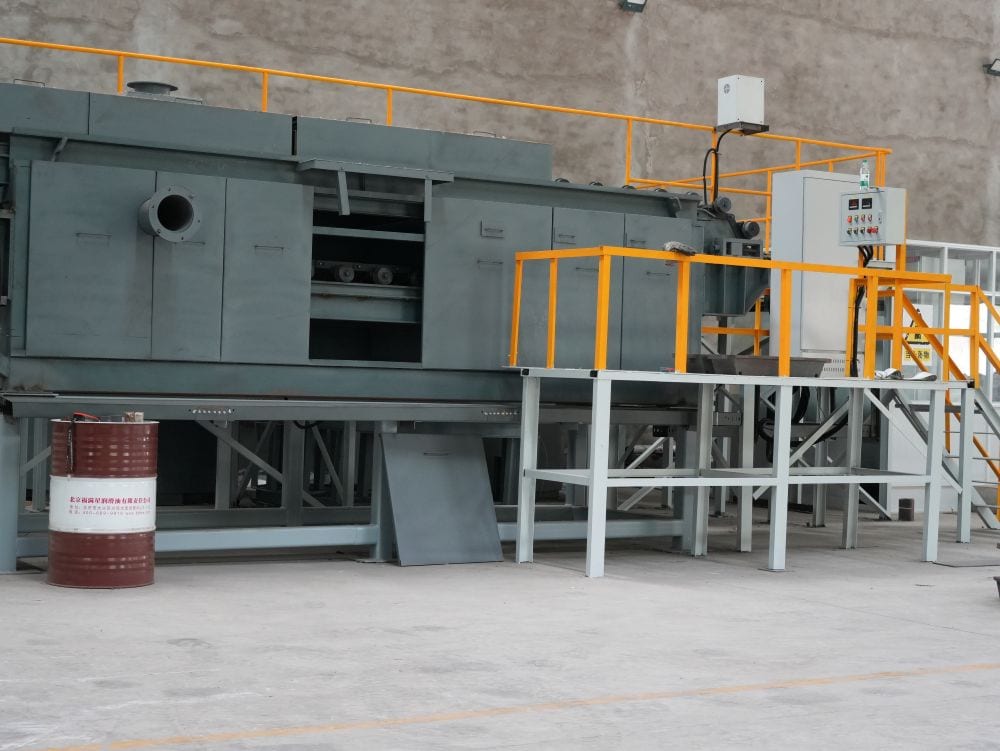
    A sand core can look fine when it leaves the core box and still fail during pouring. The usual reason is simple: it was not baked evenly. For complex magnesium castings, oil sand core baking affects core strength, gas release, dimensional stability, and how easily the core comes out after casting. This is a practical extension of […]

    Oil Sand Core Baking Temperature and Time: How to Avoid Weak or Burned Cores Keep Reading »
    Oil Sand Cores for Magnesium Alloy Castings: Better Internal Cavities, Fewer Core Defects

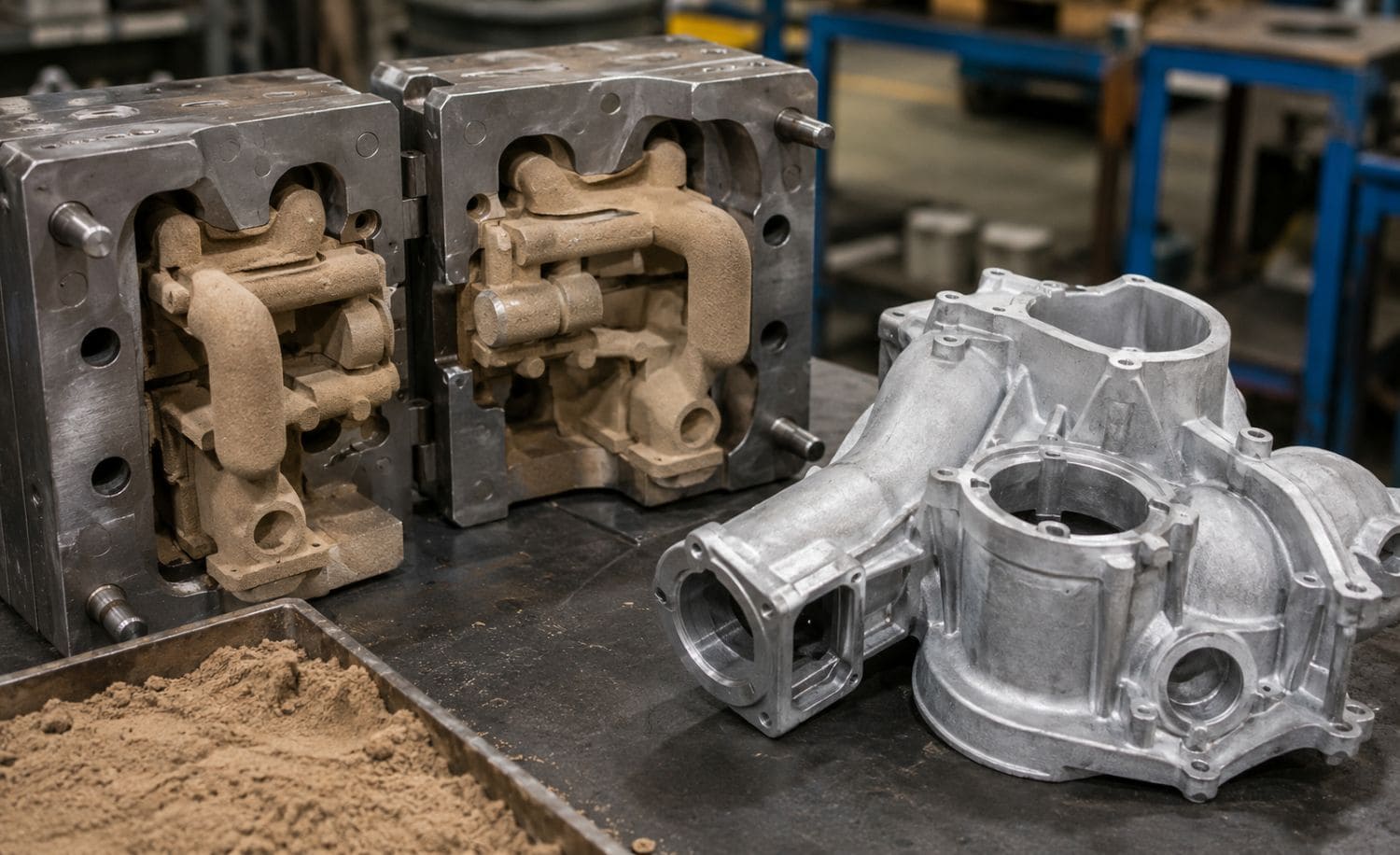
    Complex magnesium parts often need sand cores to form internal passages, hollow sections, and undercuts. Those cores must stay accurate during molding and pouring. Then they must break down after the casting cools. That is why Oil Sand Cores for Magnesium Alloy Castings are still useful for many complex parts. A good core gives stable dimensions. A […]

    Oil Sand Cores for Magnesium Alloy Castings: Better Internal Cavities, Fewer Core Defects Keep Reading »

    Why Magnesium Sand Castings Get Gas Porosity—and What Good Sand Control Looks Like

    Gas porosity is frustrating because the casting can look fine at first. The problem may only appear during X-ray inspection, leak testing, or machining. In many cases, the cause is not the metal. It is the mold. This article is a practical extension of our Magnesium Alloy Casting Sand guide. It focuses on one question: how does […]

    Why Magnesium Sand Castings Get Gas Porosity—and What Good Sand Control Looks Like Keep Reading »

    Scroll to Top
    Chat on WhatsApp
    Chat on WhatsApp
    Chat on WhatsApp