
x
Send Your Inquiry Today


    📎 Upload Drawings (CAD, STEP, STP, IGS, PDF, DWG, ZIP) - Max 20MB:

    🔒 100% Confidential. All design files are strictly NDA-protected.

    Magnesium Alloy Casting Sand: How to Control Gas, Strength, and Burn-On Defects
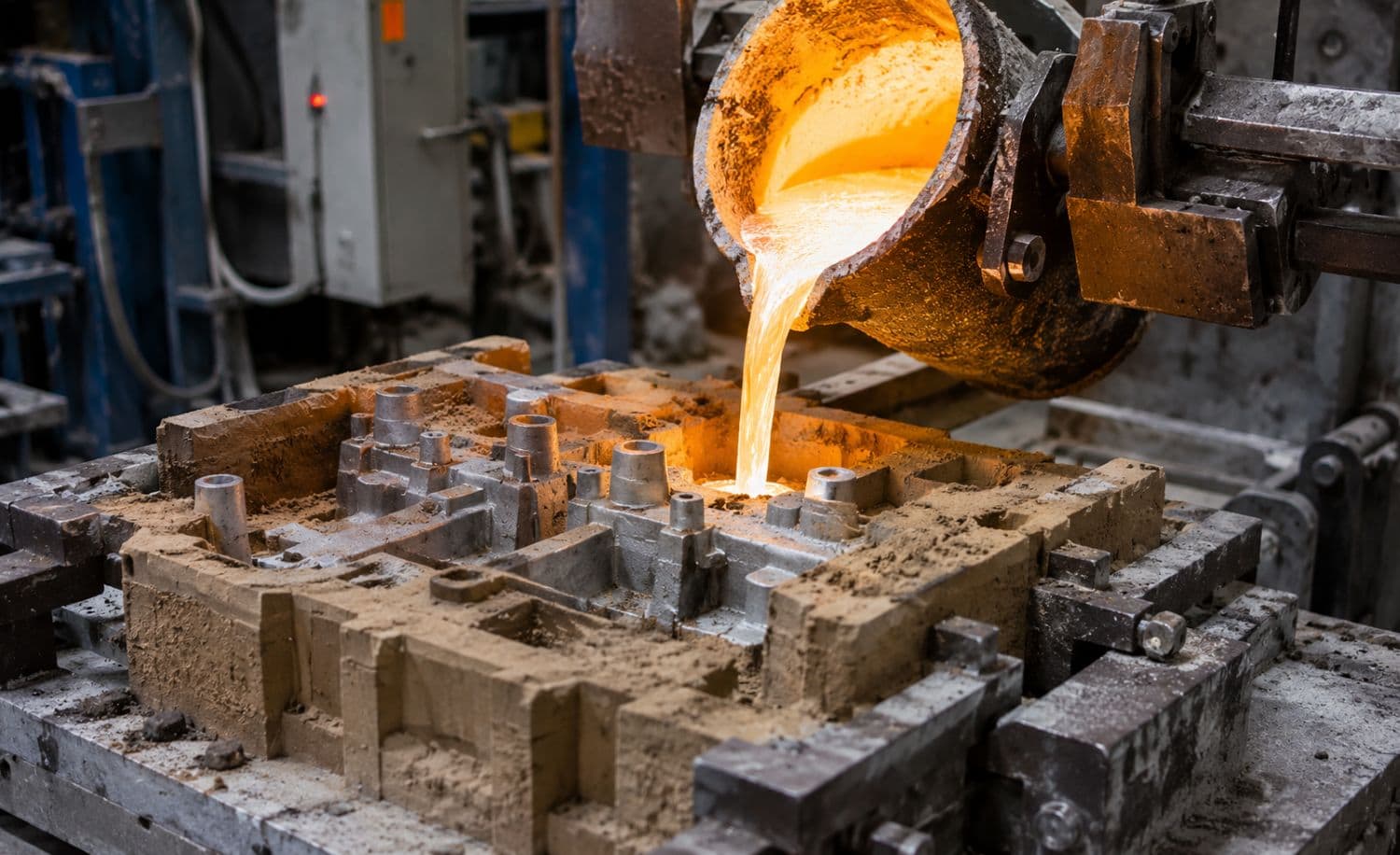
    The mold is easy to overlook when a magnesium casting fails inspection. Many teams first check the alloy, melting temperature, or pouring system. But gas holes, burn-on, sand inclusion, cracking, and incomplete filling can all start with the molding sand. Good Magnesium Alloy Casting Sand needs enough strength to hold the mold, enough permeability to release gas, […]

    Magnesium Alloy Casting Sand: How to Control Gas, Strength, and Burn-On Defects Keep Reading »
    Flux or Fluxless Melting: How to Choose the Right Process for Magnesium Alloy Parts

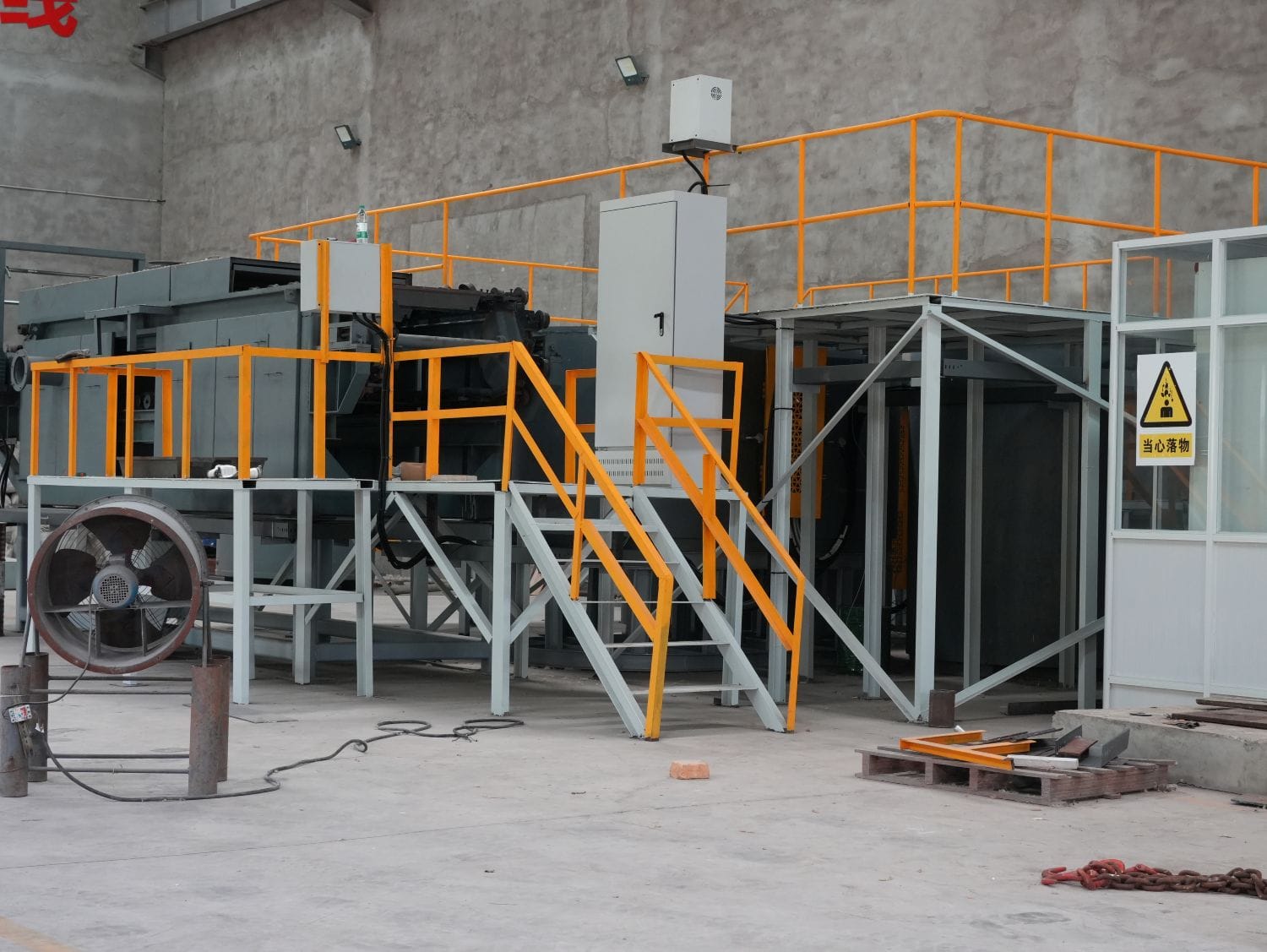
    Choosing a melting method is not only a foundry decision. It affects inclusion risk, surface quality, process stability, scrap rate, and the consistency of every part you receive. The right Magnesium Alloy Melting Process depends on the alloy, production volume, available equipment, and the quality level required by the finished component. This article expands on our main […]

    Flux or Fluxless Melting: How to Choose the Right Process for Magnesium Alloy Parts Keep Reading »

    Magnesium Alloy Melting Process

    Magnesium alloys require strict control of charge cleanliness, melt protection, refining, modification, temperature, and pouring. Oxidation can accelerate quickly when the liquid surface is disturbed, while moisture, corrosion products, and nonmetallic contamination can reduce melt quality. This article reorganizes the most important information from the supplied technical pages into a publishable guide to the Magnesium Alloy […]

    Magnesium Alloy Melting Process Keep Reading »

    Scroll to Top
    Chat on WhatsApp
    Chat on WhatsApp
    Chat on WhatsApp