
ZE41A magnesium alloy is a zinc, rare-earth, and zirconium magnesium casting alloy. It is used for lightweight housings, covers, and structural castings that need good strength and stable performance at moderately elevated temperatures. ZE41A is commonly supplied in the T5 condition.
ZE41 is most useful when the shape itself favors casting: a housing with ribs, bosses, enclosed areas, or thick-to-thin changes. It is not the right answer for every light part. The alloy has a specialized supply route, and the drawing needs a real performance reason for using it.
ZE41A Reference Data
The name describes the alloy family. Z refers to zinc and E to rare-earth additions; zirconium is also used in the alloy system. For a standard casting inquiry, ZE41A is the designation buyers will usually see.
ASTM B80 lists ZE41A as UNS M16410 for magnesium-alloy sand castings. The table gives the published specification ranges. It is not a melt target and it does not define every customer-controlled variation of ZE41.
| ZE41A chemical requirement | Limit, wt.% |
|---|---|
| Zinc | 3.5–5.0 |
| Total rare earths | 0.75–1.75 |
| Zirconium | 0.40–1.00 |
| Manganese | 0.15 max. |
| Copper | 0.10 max. |
| Nickel | 0.01 max. |
| Magnesium | Balance |
The rare-earth figure is a total. If a project requires a particular specification, source approval, or chemistry certificate, write that requirement into the order instead of relying on the alloy name alone.
The certificate should also match the product route. A chemistry result from a melt is useful, but it does not replace the agreed casting inspection or the temper requirement. Buyers sometimes mix those documents together in an RFQ. Keeping them separate makes the requirement easier to quote and inspect.
For ZE41A-T5 sand castings, ASTM B80 gives the following minimum room-temperature tensile requirements.
| ZE41A-T5 sand casting | ASTM B80 minimum |
|---|---|
| Tensile strength | 200 MPa / 29.0 ksi |
| 0.2% yield strength | 133 MPa / 19.5 ksi |
| Elongation in 50.8 mm (2 in.) | 2.5% |
These figures are useful for early material selection. They are not a promise that every location in a complex casting has the same result. Cooling rate, wall thickness, test method, heat treatment, and internal-quality requirements all matter.
For example, a tensile bar and a thick junction in a housing do not cool in the same way. If the project depends on a particular property in a local area, discuss specimen location and acceptance criteria with the foundry before the first production lot. That is a better route than applying one generic material value to the whole part.
ZE41A Forging, Casting, and Machining
ZE41A Forging
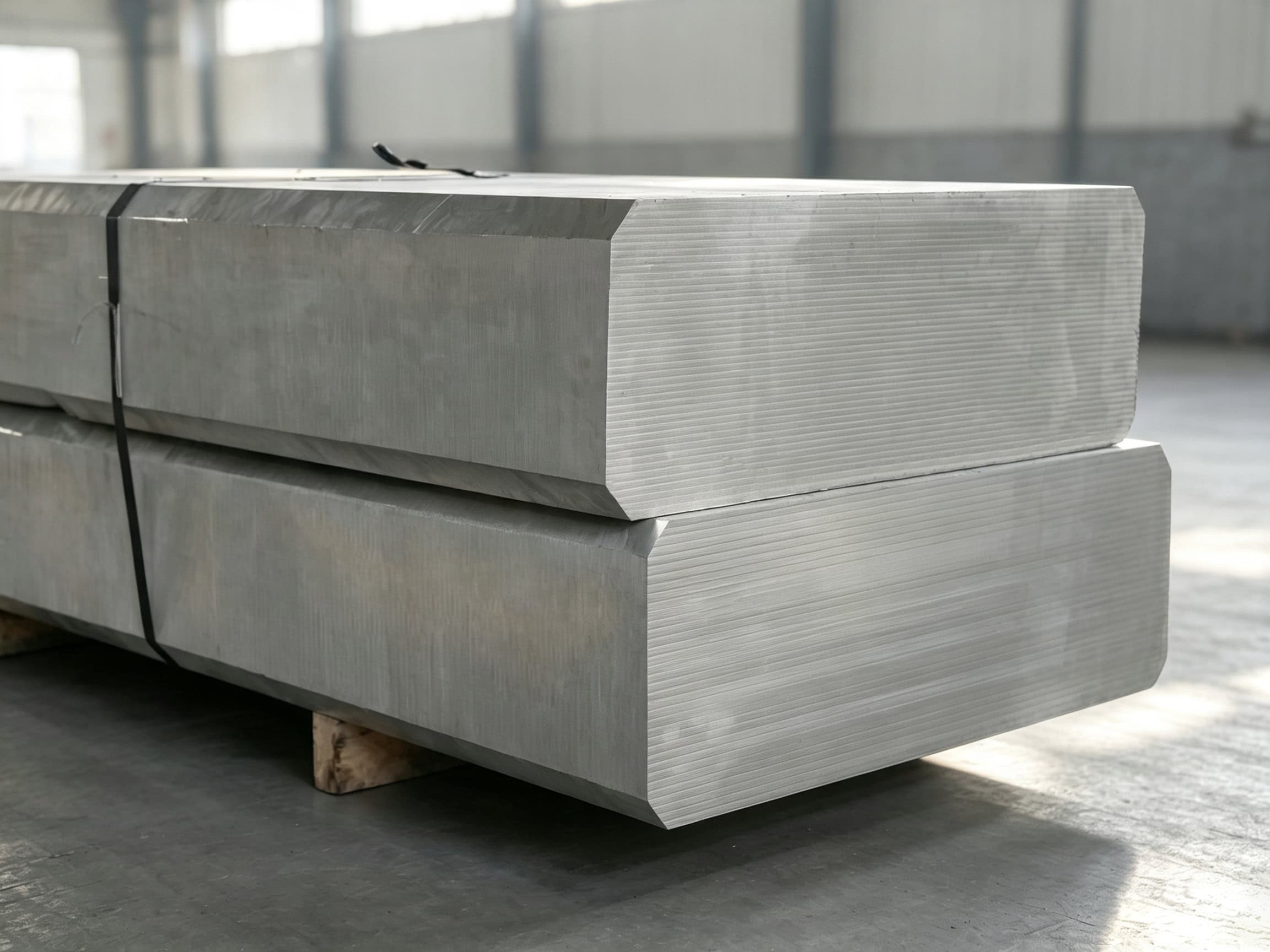
ZE41A is normally specified as a casting alloy, not as regular forging stock. ASTM B80 and AMS 4439 cover ZE41A casting routes. If a project calls for forged ZE41, first confirm that suitable billet is available and that the forging shop has qualified the route.
A simple, solid load-bearing shape may be worth reviewing for press forging. Billet condition, die temperature, and the deformation sequence need to be controlled. Deep pockets, sharp section changes, and thin enclosed shapes make little sense here. The possible benefit is a more consistent internal structure; the tradeoff is specialist material availability, process-development cost, and usually more machining than a cast version.
ZE41A Casting
ZE41A is better suited to a complex casting. A gearbox-type housing, cover, or structural part can be made close to final shape instead of being cut from a large block. That can reduce material waste and machining time.
The foundry must still control the areas that cool at different rates. Thick pads and hubs remain hot longer than thin ribs. If the last liquid metal cannot be fed, shrinkage can form in the heavy section. Gating, risers, local cooling, and the location of critical surfaces should be reviewed before tooling is released.
Melt handling matters as well. The foundry needs a qualified protection and cleaning route to limit oxidation and contamination during melting and transfer. Ask for process records that match the inspection level required for the order.
A casting gives more freedom for ribs, enclosed features, and changing wall thicknesses. It also needs a sound feeding plan and a realistic internal-quality requirement. A pressure-tight part may need leak testing, radiography, CT, or another agreed method. A general “no porosity” note does not tell the foundry what the part must actually pass.
For defect review, see gas porosity versus shrinkage porosity in castings. The location of a void and the solidification pattern usually tell the team more than the first close-up photo alone.
ZE41A Machining
ZE41A castings are usually machined on bores, sealing faces, threads, and mounting datums. Leave enough stock on those surfaces. A thin flange or broad face can move after roughing or when the casting is released from the fixture, so the drawing should identify the real functional datums.
For a small quantity, a near-net casting followed by CNC finishing is often more practical than trying to hold every feature as-cast. A simple part may be better made from available stock, but that cost comparison should start with the actual geometry and annual volume.
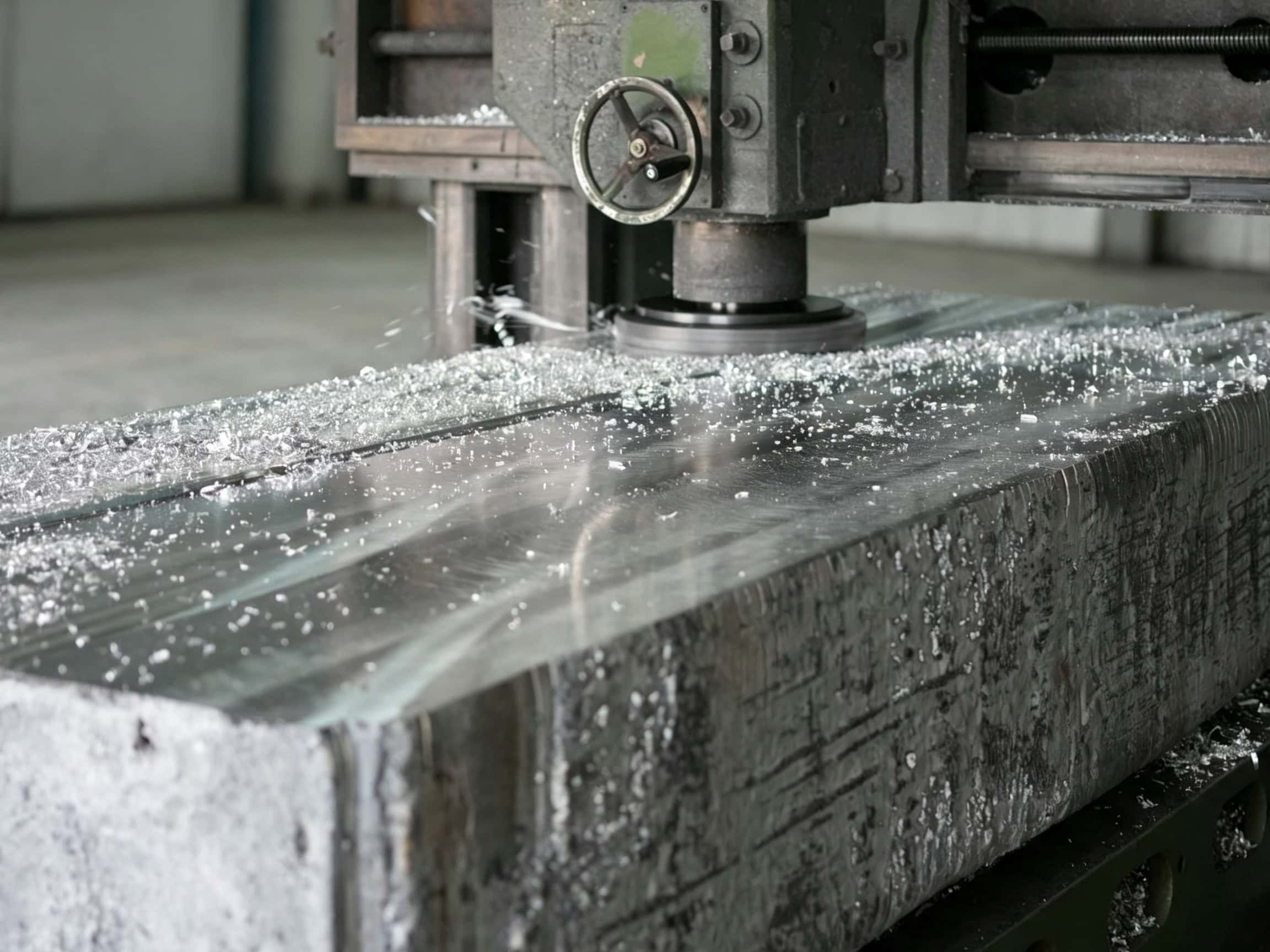
Machining is useful for critical features and short-run design changes. It also adds fixture time and can expose movement in thin sections. ZE41 chips require stable workholding, clean collection, suitable housekeeping, and a documented fire-safety process. See our magnesium alloy CNC machining guide for the general shop considerations.
Where ZE41A Is Used
ZE41A is mainly used for lightweight magnesium castings in aerospace, aviation support equipment, and specialist industrial machinery. Aircraft gearbox housings and accessory housings are common examples in published material references.
The alloy is suited to cast covers, housings, structural supports, and components with ribs, mounting bosses, or changing wall sections. These features can be made in one casting instead of being machined from a large solid block.
ZE41 is chosen when a part needs low weight together with useful strength and stable performance at moderately elevated temperatures. Its rare-earth and zirconium alloy system also makes it a known option for high-integrity casting work.
ZE41A Magnesium Purchasing Notice
For an accurate ZE41A quotation, provide a 2D drawing and 3D model, then state the product route you need: rough casting, machined casting, or another approved route. Include the required specification, ZE41A-T5 condition if it is already defined, quantity, and delivery location. If the material condition is still open, explain the part’s working temperature, loading, and key dimensions so the supplier can review the route with you.
Also identify which surfaces will be machined, sealed, coated, or used for electrical contact. State any chemistry certificate, mechanical-property report, dimensional report, radiography, leak test, or traceability requirement. Clear notes here help the foundry leave the right machining stock and quote the proper inspection work.
ZE41A is a specialty casting alloy, so the material callout should be confirmed before tooling or material is reserved. A drawing that only says “ZE41A” is not enough for a controlled order. Confirm whether ZE41A sand casting and T5 condition are required, or provide the customer specification that controls the part.