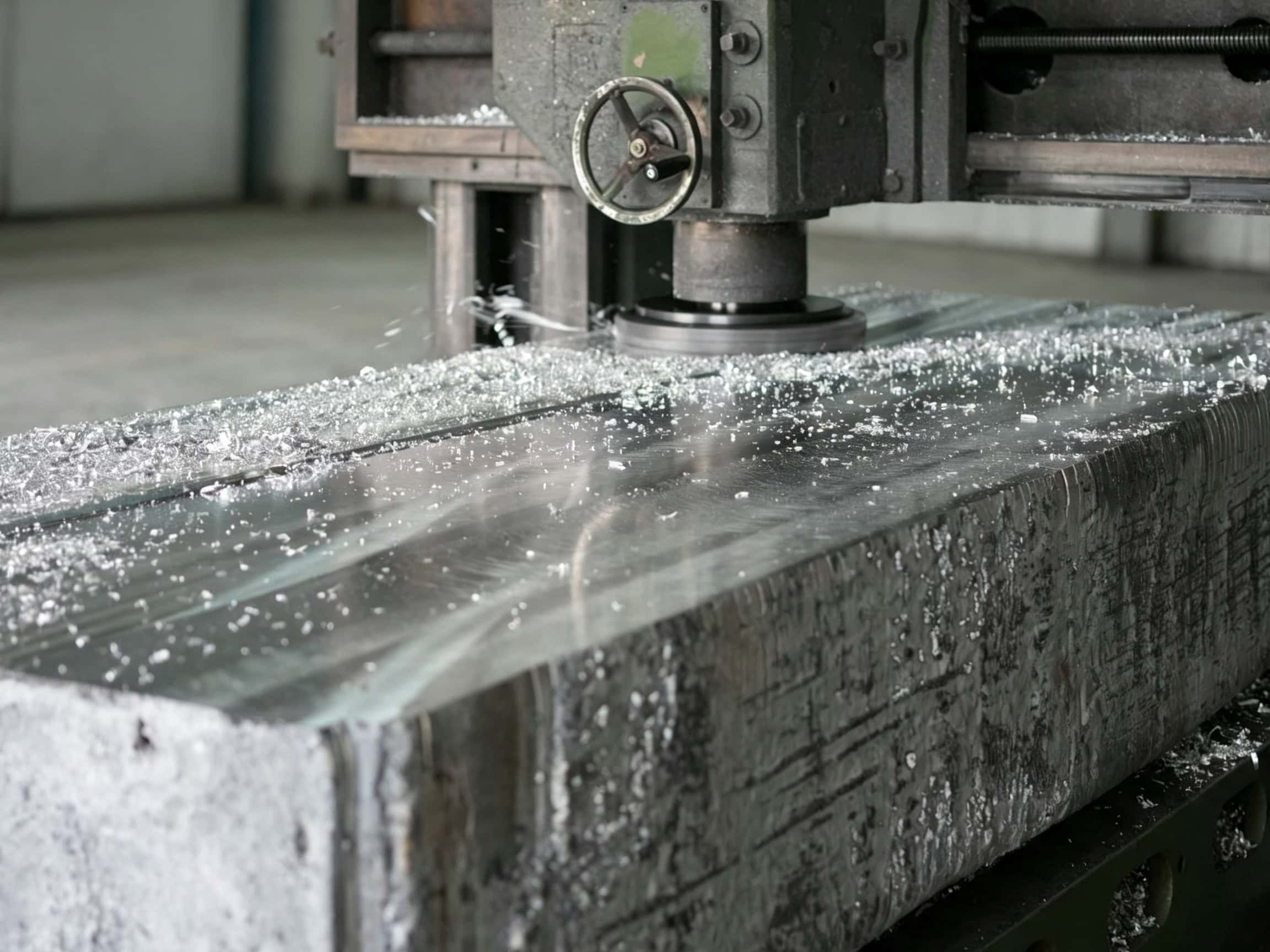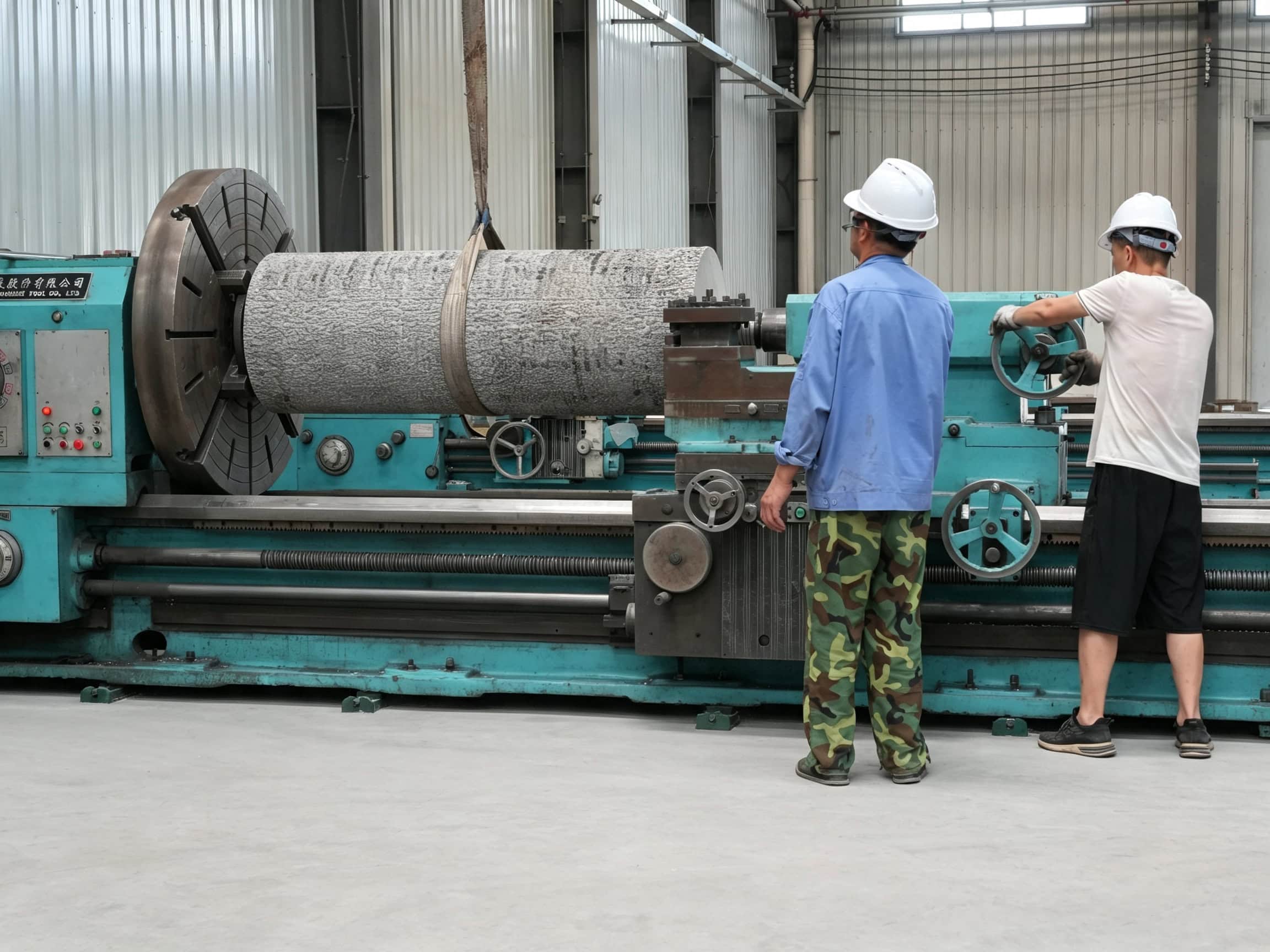

Biodegradable magnesium alloys—including WE43, ZK60, Mg-Zn-Ca, and high-purity magnesium—are being developed for temporary orthopedic and cardiovascular implants. They can provide early mechanical support, then gradually degrade as healing progresses.
Unlike permanent titanium or stainless-steel implants, a magnesium device may reduce the need for a planned removal procedure. Its real value depends on the alloy, implant design, coating, degradation rate, and clinical validation for the intended use.
1. Biomechanical Superiority: Solving Stress Shielding with Bone-Matched Modulus
One of the most persistent clinical failure modes of conventional titanium plates and cobalt-chromium screws is stress shielding. Because titanium has a Young’s modulus of approximately 110 GPa—nearly six times stiffer than natural human cortical bone (10–20 GPa)—the rigid metal carries the overwhelming majority of physiological load. Consequently, the surrounding bone is deprived of biomechanical stimulation, leading to localized osteopenia, bone resorption, and loosening of the fixation hardware.
| Implant Material | Density (g/cm³) | Young’s Modulus (GPa) | Tensile Yield Strength (MPa) | Fracture Toughness (MPa·m¹/²) | Biocompatibility & Clinical Degradation |
|---|---|---|---|---|---|
| Medical WE43 (Y-Nd-Zr) | 1.84 | 45 | 175–210 | 15–20 | 100% Bioabsorbable (Degrades in 12–24 months) |
| Medical ZK60A (Zn-Zr) | 1.83 | 44 | 240–280 | 18–25 | Absorbable (Higher initial load bearing) |
| High-Purity Mg (99.99%) | 1.74 | 42 | 80–110 | 10–12 | Ultra-safe metabolic clearance, lower strength |
| Titanium Grade 5 (Ti-6Al-4V) | 4.43 | 110 (Stress Shielding Risk) | 880 | 55–75 | Permanent (Requires secondary removal surgery) |
| 316L Medical Stainless Steel | 8.00 | 193 (High Rigidity) | 310 | 80–100 | Permanent (Ion leaching & artifact distortion) |
With a Young’s modulus of 42–45 GPa, medical magnesium alloys are the closest structural metals to natural human cortical bone. Physiological stress is evenly distributed across the healing callus, accelerating osteoblast proliferation, callus formation, and rapid functional recovery.
2. Alloy Selection: Medical WE43 vs. ZK60 vs. Mg-Zn-Ca
Selecting the optimal bioabsorbable magnesium alloy depends on the balance between initial structural strength and controlled degradation kinetics:
- Medical-Grade WE43 (Mg-4Y-3RE-Zr): The global benchmark for bioabsorbable orthopedics (interference screws, maxillofacial plates, and suture anchors) and cardiovascular stents. Yttrium (Y) and Neodymium (Nd) form stable intermetallic precipitates that provide excellent creep resistance and uniform micro-galvanic corrosion resistance under physiological chloride exposure.
- ZK60A (Mg-Zn-Zr): An essential choice for load-bearing structural implants (such as distal radius fixation pins and sports medicine anchors). Zinc (5.5 wt%) and Zirconium (0.5 wt%) deliver ultra-fine grain boundaries, achieving yield strengths exceeding 240 MPa while maintaining cell viability.
- Mg-Zn-Ca Alloys: Completely non-toxic, nutrient-element-based alloys formulated for pediatric osteofixation. Both zinc and calcium are essential trace minerals naturally utilized by bone remodeling pathways.

3. Controlling In Vivo Degradation & Hydrogen Gas Evolution
The core engineering hurdle in magnesium implant design is controlling the electrochemical dissolution rate: Mg + 2H₂O → Mg(OH)₂ + H₂↑
If degradation occurs too rapidly, excessive subcutaneous hydrogen gas pockets (H₂) can accumulate before the surrounding capillary bed can absorb and clear the gas. To guarantee structural integrity across the crucial 8–12 week bone healing window, Miji Magnesium applies comprehensive metallurgical controls:
- Ultra-Low Impurity Refining: Iron (Fe < 30 ppm), Nickel (Ni < 10 ppm), and Copper (Cu < 20 ppm) are strictly eliminated below tolerance limits to prevent internal micro-galvanic acceleration.
- Bio-Active Ceramic Coating (MAO / PEO): Porous hydroxyapatite (HA) or calcium-phosphate-infused micro-arc oxidation coatings create a dense passivation barrier that slows initial immersion corrosion while directly stimulating osseointegration.
- ASTM F3260 Compliance: All bio-implant batches undergo in vitro Simulated Body Fluid (SBF) immersion, electrochemical polarization testing, and cytotoxicity assays per ISO 10993 standards.
4. Precision 5-Axis Swiss CNC Machining & Micro-Thread Tolerances
Medical implants require micro-level surface integrity and ultra-clean manufacturing protocols:
- Swiss-Type Micro CNC Turning: Micro bone screws (M1.5–M4.0) machined with thread pitch accuracy within ±0.005 mm (±5 μm) and surface roughness down to Ra ≤ 0.4 μm.
- Cleanroom Dry/Alcohol Machining: Machined with specialized biocompatible cooling fluids or pure alcohol mist to eliminate heavy-metal contamination and oil residue.
- Laser Micro-Cutting of Thin-Strut Stents: Sub-100 μm strut width cutting for cardiovascular and peripheral vascular scaffolds with burr-free edge finishing.
5. 24-Hour Custom Medical Device & Orthopedic RFQ
Miji Magnesium provides high-purity medical magnesium alloy bar stock, extruded hollow rods, and turnkey Swiss micro-CNC machining for orthopedic device manufacturers and medical research institutes worldwide. All materials are supplied with full EN 10204 Type 3.1 chemical inspection certificates and metallurgical test reports.
Request Medical Implants & Prototype Machining Quote: Submit your CAD/STEP drawings and dimensional tolerances to our engineering team at Precision CNC Machining Service or explore our certified raw stock at Magnesium Bar Stock, Magnesium Tube Supplier, and Magnesium Extrusions.