
Aircraft weight is never just a material question. It directly impacts fuel efficiency, payload capacity, flight range, and structural vibration damping. That is exactly why our engineering teams evaluate the trade-offs between magnesium and aluminum so meticulously.
1. Magnesium vs Aluminum in Aerospace
If your primary goal is absolute weight reduction, magnesium wins. This is the main reason aerospace designers constantly return to it for weight-critical assemblies. Reducing mass on a single bracket or housing creates a cascading positive effect across the entire airframe. It optimizes drone flight times, boosts satellite payloads, and lowers fuel burn.
However, aluminum maintains an upper hand in primary, heavy-load structural roles due to its higher raw tensile strength and mature corrosion-resistance protocols.
Choose magnesium when strategic weight savings unlock real performance advantages. Stick with aluminum when conventional structural habits, strict cost caps, and baseline material familiarity are your driving constraints.
2. Why Aerospace Engineers Pivot Between These Two Metals
Modern aircraft design is an exercise in managing compounding trade-offs. A metal that looks spectacular on a basic density chart might become a nightmare during maintenance cycles if surface protection is ignored.
This is where the two materials diverge:
- Aluminum provides a predictable, well-trodden path. It offers decades of flight history, massive testing datasets, and highly standardized processing routes.
- Magnesium delivers a high-value weight-saving path. It aggressively strips out dead weight where every single gram threatens your mission parameters.
3. Where Magnesium Has the Ultimate Advantage
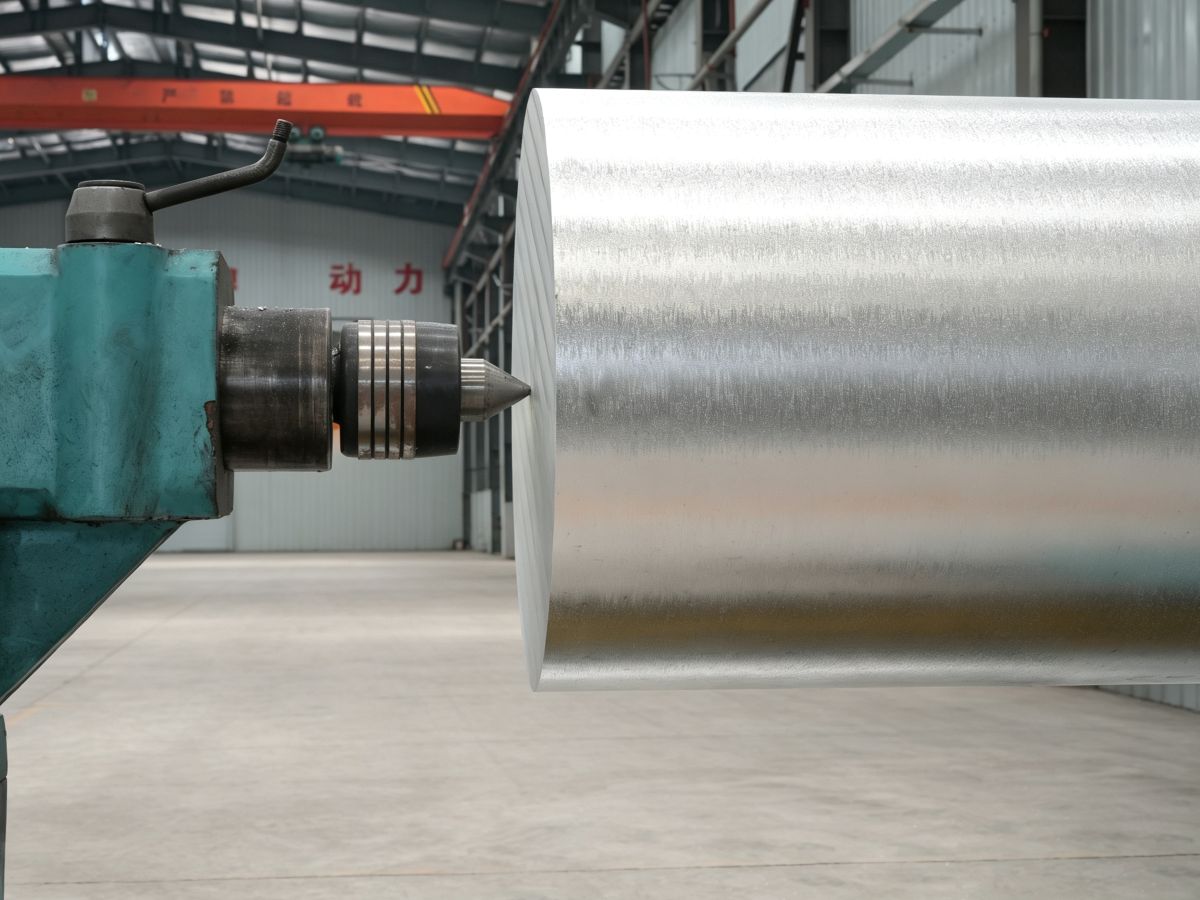
Weight reduction is the number one reason to source magnesium, which is roughly one-third lighter than aluminum. To help you maximize this advantage, we don’t limit you to standard catalog sizes. We process premium aerospace-grade alloys into any custom dimensions and formats you need—including thick forged blocks, large-diameter billets, ultra-thin sheets, or complex CNC-machined parts.
Whether you are building thin-walled avionics enclosures, heavy gearbox housings, or ultra-light UAV frames, we manufacture to your exact engineering specifications and provide certified, customs-ready global delivery straight to your production lines.
4. Aluminum Advantage
Aluminum did not become the industry standard by accident. Aerospace-grade aluminum alloys deliver exceptional mechanical performance and highly predictable fatigue life under cyclical flight stresses. For primary, high-load structures like wing spars or pressure bulkheads, aluminum remains the undisputed baseline.
Insane strength-to-weight ratio: It keeps your total assembly incredibly light without sacrificing an ounce of structural durability. It’s built to take a beating.
A dream for precision machining: The machinability and weldability are top-notch. It cuts cleanly and welds beautifully, making it perfect for your tight-tolerance CNC jobs.
Fast heat dissipation & zero rust worries: It draws heat away fast and handles harsh environments like a pro. You can count on it to stay stable and reliable under tough conditions.
5. Machining Precision: High Efficiency Demands Rigid Discipline
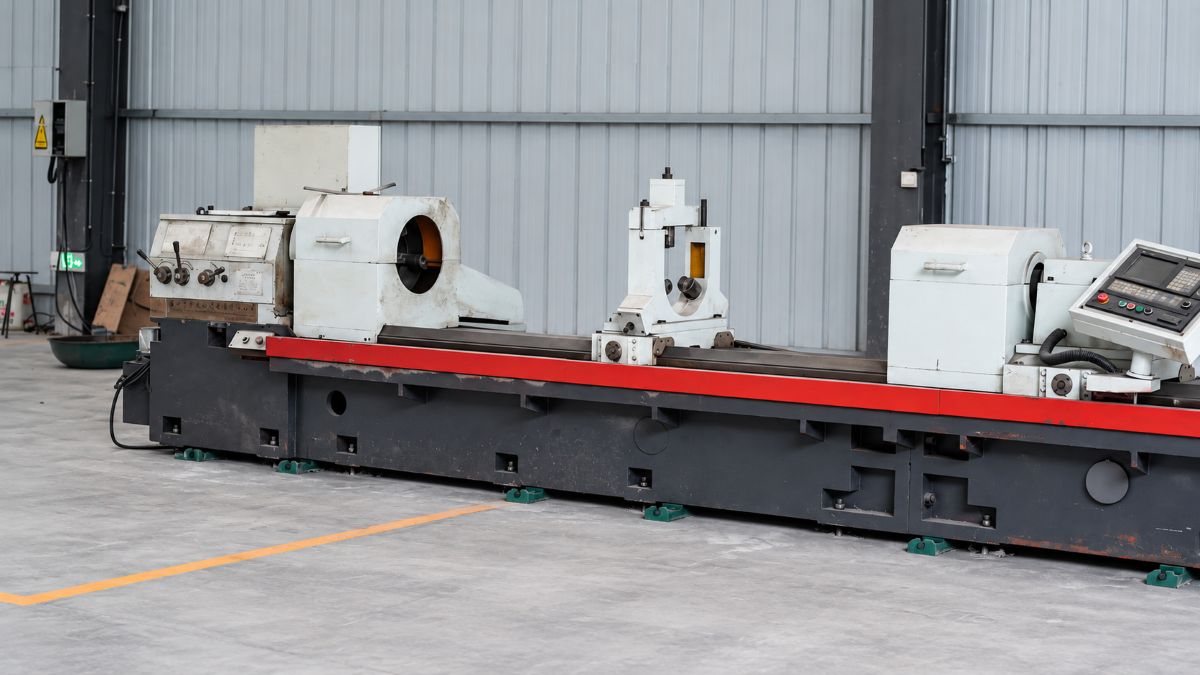
Magnesium is widely celebrated for its world-class machinability. It requires noticeably lower cutting force than aluminum, inflicts minimal wear on CNC tooling, and allows for extremely high chip-removal rates. This makes it an exceptional choice for intricate, thin-walled aerospace components.
However, magnesium requires strict workshop discipline. Fine chips and grinding dust are highly flammable if mismanaged.
When our CNC production teams machine magnesium, we enforce clear safety protocols:
- Utilize ultra-sharp tools to minimize friction.
- Prevent tool rubbing by maintaining consistent, aggressive chip flow.
- Deploy correct, non-water-based coolants.
- Maintain spotless housekeeping to prevent dust accumulation.
Aluminum is undoubtedly more forgiving in a standard machine shop. But when handled by a specialized supplier who understands the material, Magnesium machining can be radically faster and more efficient than processing aluminum.
6. Best Aerospace Applications for Each Metal
To help your sourcing and design teams quickly categorize these materials, we break down their ideal aerospace roles below.
Where Magnesium Dominates:
Magnesium thrives where weight savings change the economic equation, and where high vibration damping or complex machining is required.
- Lightweight Enclosures: Critical defense and commercial Magnesium component applications, such as missile guidance housings and radar casings.
- Aviation Interiors: Seat structures, tray table mechanisms, and cabin partition brackets.
- Rotational Housings: Helicopter gearbox casings and auxiliary power unit (APU) housings.
- Unmanned Systems: Rigid, ultra-light structural frames for long-endurance UAVs.
Where Aluminum Dominates:
Aluminum remains the go-to choice for massive production scaling, raw structural loads, and deep certification compliance.
- Primary Airframes: External fuselage skins, wing panels, and internal floor beams.
- High-Load Brackets: Landing gear attachments and heavy engine mounts.
- High-Volume Programs: Projects requiring massive supply chain redundancy and ultra-low raw material costs.
7. Quick Reference Comparison Table
| Engineering Factor | Magnesium Alloy | Aluminum Alloy |
| Weight | Ultimate lightweight savings (~1.8 g/cm³) | Standard lightweight baseline (~2.7 g/cm³) |
| Strength-to-Weight | Exceptional; ideal for geometric rigidity | Excellent; high absolute structural limits |
| Stiffness | Lower; requires smart ribbing/geometry | Higher; allows thinner unribbed profiles |
| Machining Speed | Faster material removal; needs dust discipline | Highly familiar; universal shop compliance |
| Corrosion Risk | Requires strict isolation & coating design | Standard, mature protection systems |
| Supply Chain | Specialized, tech-focused supplier base | Massive global commodity availability |
8. Final Verdict
Magnesium is not a drop-in replacement for aluminum across an entire aircraft. It is a highly strategic, high-performance lightweight tool.
Aluminum will continue to safeguard its position as the default choice for heavily loaded primary structures. But when your design boundaries demand aggressive mass reduction, superior vibration absorption, and rapid precision machining, integrating advanced magnesium components can completely transform your aircraft’s performance. The most successful engineering teams don’t choose by old habits—they choose by functional data.
FAQ
1. Is magnesium lighter than aluminum in aerospace applications?
Yes. Magnesium is lighter than aluminum, which makes it attractive for weight-critical aerospace parts. The final benefit depends on design, geometry, and protection requirements.
2. Why is aluminum still widely used in aircraft?
Aluminum has strong aerospace history, reliable mechanical data, broad availability, and mature corrosion protection systems. It remains a practical choice for many structural parts.
3. Can magnesium replace aluminum in aircraft parts?
Sometimes. Magnesium can replace aluminum in selected housings, interiors, brackets, seat structures, UAV parts, and enclosures. It should not be treated as a simple one-to-one swap.
4. What is the biggest risk when using magnesium in aerospace?
Corrosion planning is often the biggest issue. Fire testing, temperature limits, and machining safety also need attention.
5. Is magnesium difficult to machine?
Magnesium can machine very well. The challenge is chip and dust control. A trained supplier should use proper cutting practice and safety planning.
6. Which is better for UAV parts, magnesium or aluminum?
Magnesium may offer better weight savings for UAV frames, housings, and payload supports. Aluminum may be better when strength, cost, or supply simplicity matters more.
7. Does magnesium need coating in aerospace?
In many aerospace environments, yes. Coating, sealing, and galvanic isolation are usually important for long service life.
8. How should buyers compare magnesium and aluminum suppliers?
Compare more than price. Check alloy knowledge, material documentation, machining experience, surface protection support, and consistency across batches.