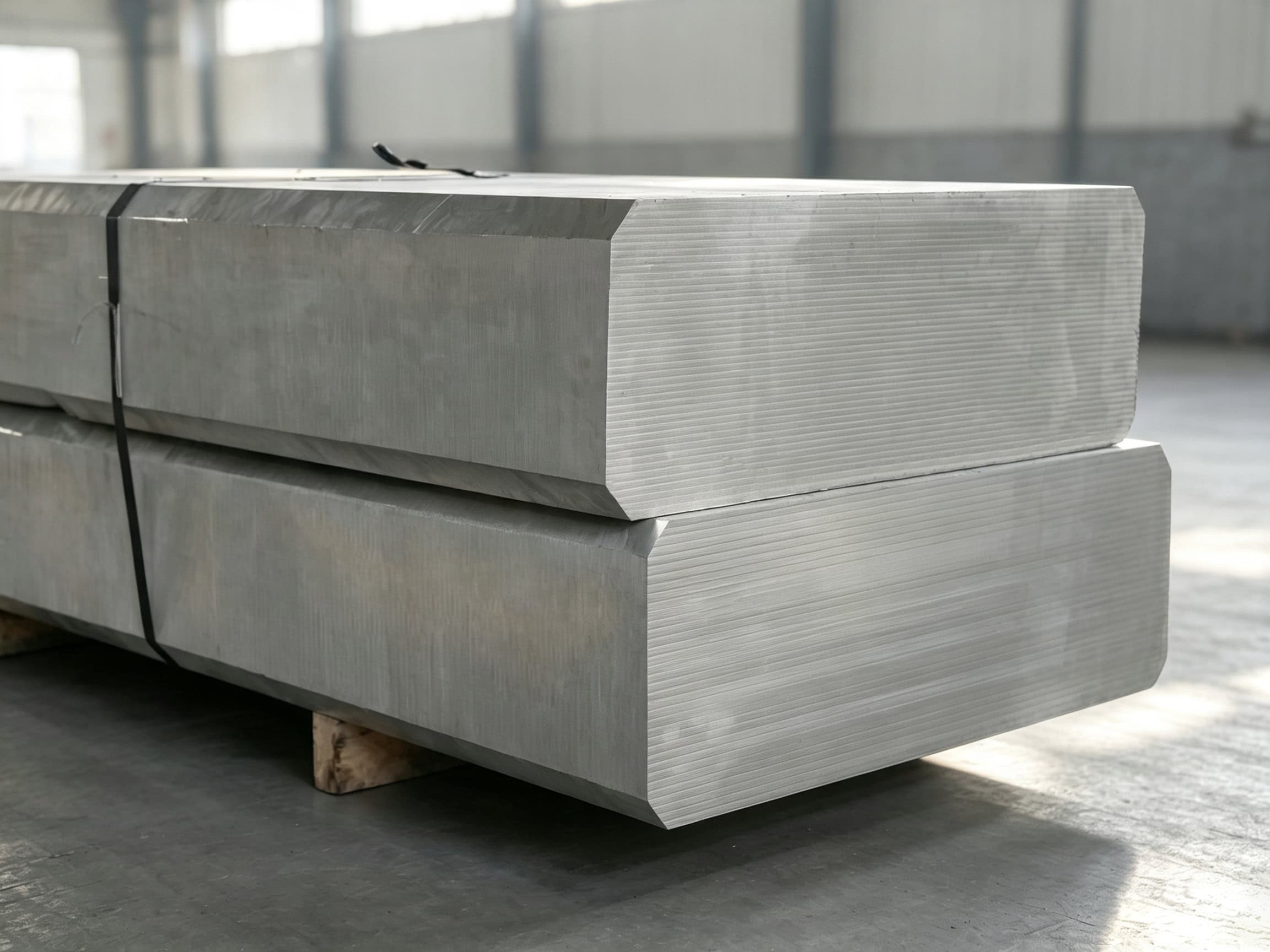

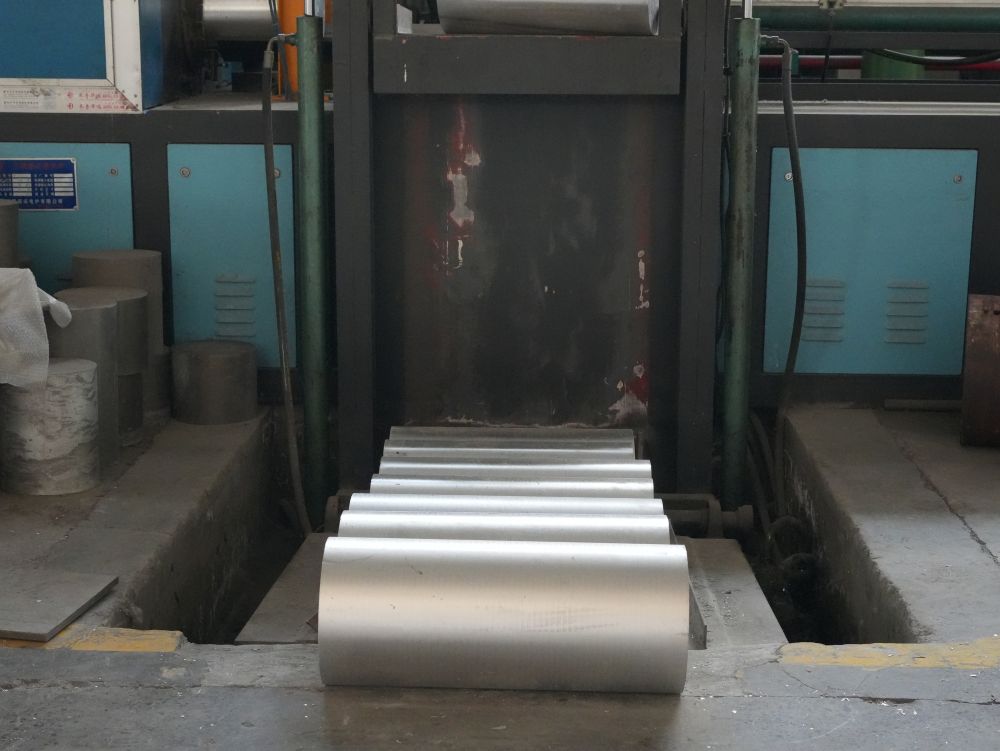
Executive Sourcing Summary: Magnesium bar stock and extruded rods represent the cornerstone raw material for ultra-lightweight CNC turned parts, structural shafts, aerospace fittings, and high-speed robotic linkages. Operating at roughly two-thirds the weight of aluminum (1.78 – 1.82 g/cm³) and one-fourth that of steel, precision magnesium rods deliver unmatched specific stiffness and vibration damping. This engineering guide covers ASTM B107/B107M dimensional tolerances (h9/h11), grade selection matrices across AZ31B, ZK60, AZ80A, and WE43, high-speed turning speeds/feeds, and export metallurgical quality assurance protocols.
1. Overview of Magnesium Bar Stock & Extruded Rods
In modern high-precision CNC manufacturing, weight reduction is no longer confined to hollow enclosures and thin-walled sheet metal. Solid rotating shafts, hydraulic valve bodies, optical housings, and aerospace structural pins increasingly demand high-strength cylindrical raw materials. Solid magnesium bar stock offers the optimal balance between aggressive mass reduction and mechanical rigidity.
Unlike cast magnesium ingots which may contain micro-porosity and coarse dendritic grains, direct-extruded magnesium rods undergo intense plastic deformation and dynamic recrystallization during hot extrusion (typically at 320°C to 420°C). This creates a refined, uniform equiaxed grain structure that substantially enhances tensile yield strength, fatigue endurance, and impact toughness.
2. ASTM B107 / B107M Dimensional Specifications & Tolerances
All industrial-grade magnesium bars supplied by Miji Magnesium are manufactured in strict compliance with ASTM B107 / B107M (Standard Specification for Magnesium-Alloy Extruded Bars, Rods, Profiles, and Tubes). Depending on your machining setup (Swiss-type automatic lathes vs. conventional CNC turning centers), bars are supplied in standard extrusion tolerances or precision centerless ground tolerances (h9 / h11):
| Nominal Diameter Range (mm / inch) | Standard Extruded Diameter Tolerance | Precision Centerless Ground Tolerance (h9) | Straightness Deviation (Max per meter) | Standard Stock Lengths |
|---|---|---|---|---|
| Ø 6.0 mm – 12.0 mm (0.24″ – 0.47″) | ±0.25 mm | +0 / -0.036 mm | ≤ 1.2 mm / m | 1000 mm / 2500 mm / 3000 mm |
| Ø 12.1 mm – 25.0 mm (0.48″ – 0.98″) | ±0.30 mm | +0 / -0.052 mm | ≤ 1.0 mm / m | 2000 mm / 3000 mm / Custom |
| Ø 25.1 mm – 50.0 mm (1.00″ – 1.97″) | ±0.40 mm | +0 / -0.062 mm | ≤ 1.0 mm / m | 2000 mm / 3000 mm / Custom |
| Ø 50.1 mm – 100.0 mm (1.98″ – 3.94″) | ±0.60 mm | +0 / -0.087 mm | ≤ 1.5 mm / m | 1000 mm / 2000 mm / Custom Cut |
| Ø 100.1 mm – 250.0 mm (3.95″ – 9.84″) | ±1.20 mm | Available on request | ≤ 2.0 mm / m | Custom cut billet / billet slices |
3. Grade Selection Matrix: AZ31B vs ZK60 vs AZ80A vs WE43
Selecting the correct magnesium alloy grade for your bar stock application depends on mechanical load requirements, operating temperature, and subsequent processing:
| Alloy Grade & Temper | Density (g/cm³) | Tensile Strength (UTS) | Yield Strength (0.2%) | Elongation (%) | Brinell Hardness (HB) | Primary Engineering Best-Fit |
|---|---|---|---|---|---|---|
| AZ31B-F | 1.78 | 260 MPa | 200 MPa | 12 – 16% | 49 HB | General-purpose CNC turning, weldable assemblies, optical fittings |
| ZK60A-T5 | 1.83 | 345 MPa | 280 MPa | 8 – 12% | 75 HB | High fatigue shafts, racing suspension rods, robotics linkages |
| AZ80A-T5 | 1.80 | 380 MPa | 275 MPa | 5 – 8% | 82 HB | High-stress structural forgings, hydraulic manifolds, high-rigidity pins |
| AZ91D / AZ61A | 1.81 | 310 MPa | 220 MPa | 9 – 14% | 60 HB | Corrosion-resistant marine fittings, consumer electronics shafts |
| WE43-T6 | 1.84 | 285 MPa | 220 MPa | 7 – 10% | 85 HB | High-temperature defense/aerospace applications up to 300°C |
For a detailed breakdown between standard ductile grades and high-tensile grades, review our in-depth engineering comparison: AZ31B vs ZK60 High-Performance Comparison Guide and AZ80A Heat Treatment & CNC Machining Guide.
4. Precision CNC Turning & Sawing Parameters
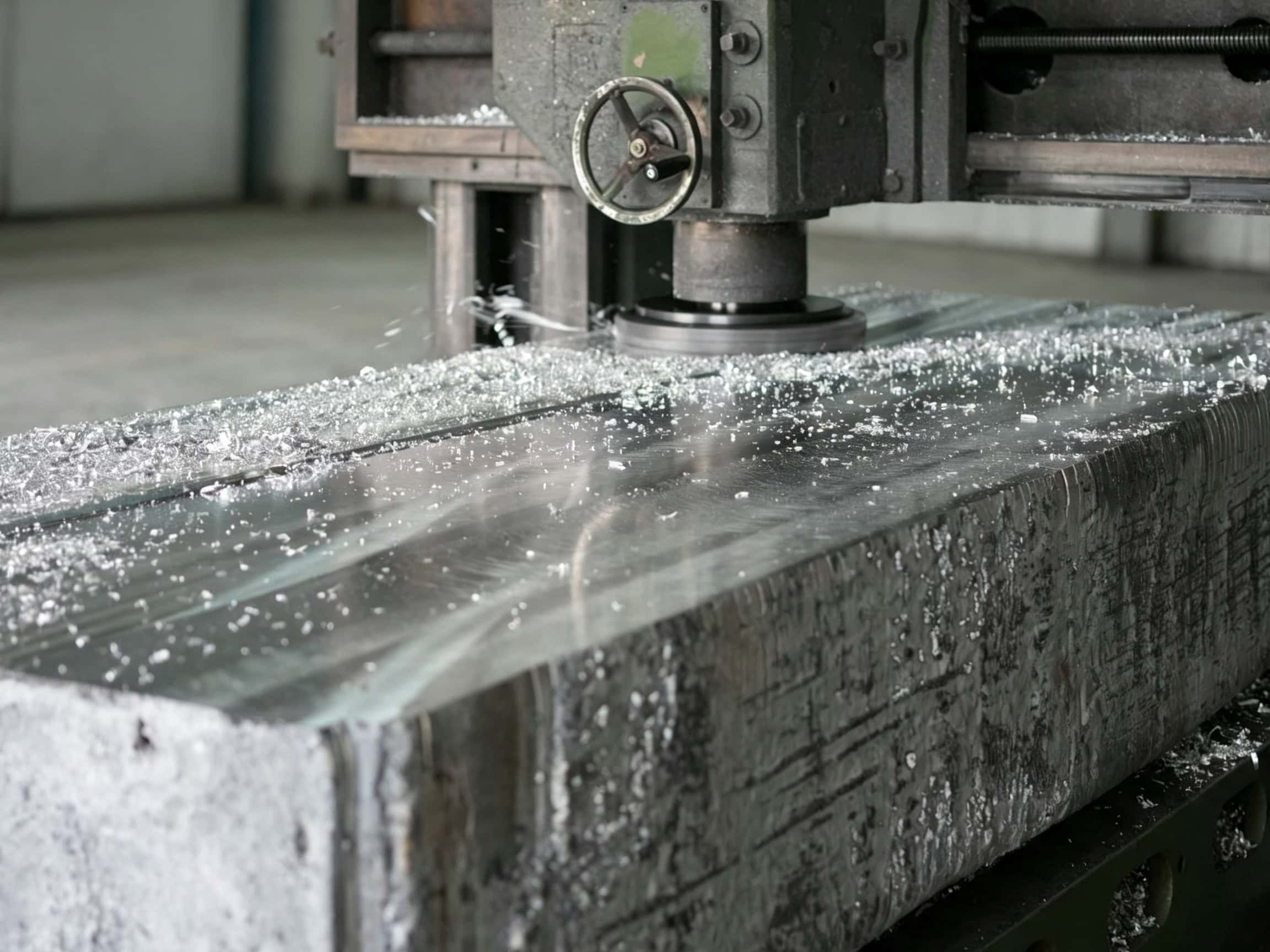
Magnesium bar stock provides the lowest cutting resistance and best surface finish of any structural metal. Machining cycle times can be reduced by 30% to 50% compared to aluminum 6061-T6, while tool life increases up to 5x. However, standard safety and cutting parameters must be observed:
Machining & Cutting Best Practices:
- Tooling Selection: Use sharp, highly polished uncoated micro-grain carbide or PCD (Polycrystalline Diamond) inserts. Avoid worn or chipped tools that generate excessive friction and heat.
- Rake & Clearance Angles: Maintain top rake angles of 10° to 15° and side/front clearance angles of 8° to 12° to facilitate rapid chip clearance and prevent material smear.
- Feed Rates & Cut Depths: Maintain continuous, positive feed (f = 0.15 – 0.40 mm/rev). Avoid dwelling or extremely light cuts (< 0.05 mm), which create fine dust rather than thick, easily evacuated chips.
- Coolant Protocols: Operate completely dry or utilize light mineral oil / air-blast mist lubrication. Never use water-based soluble cutting fluids.
- Sawing & Billet Cutting: Use coarse-pitch high-speed steel (HSS) or carbide-tipped circular saw blades with wide chip gullets to prevent chip binding.
5. Quality Assurance: 100% OES Testing & EN 10204 3.1 MTC
Every batch of extruded and precision-turned magnesium rods shipped from Miji Magnesium is certified through our comprehensive testing protocols in our in-house metallurgical quality control laboratory:
- 100% Optical Emission Spectrometry (OES): Verification of chemical composition and trace impurity limits (Fe, Ni, Cu < 0.005%) for each heat lot.
- Tensile & Proof Stress Verification: Calibrated computerized universal testing machines validating Yield Strength (Rp0.2), Tensile Strength (Rm), and Elongation (A%).
- Non-Destructive Ultrasonic Testing (UT): Complete internal integrity checks ensuring zero subsurface voids, oxide inclusions, or extrusion seams.
- Certified EN 10204 3.1 Mill Test Certificates (MTC): Full lot traceability documentation supplied with every international shipment.
6. Marine Export Packaging & Fast RFQ Sourcing
To eliminate any risk of atmospheric oxidation or surface discoloration during intercontinental container shipping, Miji Magnesium implements a multi-stage export packaging standard for all bar stock orders:
- Individual/Bundle Protective Sleeving: Anti-scratch plastic sleeving for precision ground diameters.
- Vacuum-Sealed Aluminum Foil Barrier: Airtight heat-sealed foil envelope with heavy-duty activated clay desiccant sachets.
- VCI Anti-Corrosion Wrap: Vapor Corrosion Inhibitor barrier preventing condensation formation.
- ISPM-15 Fumigated Solid Wood Crating: Heavy-duty reinforced wooden crates with internal shock-absorbing foam blocking.
Request Magnesium Bar Stock Stocklist & Quotation
Miji Magnesium supplies standard and custom-extruded magnesium bar stock (Ø 6mm to Ø 250mm) in AZ31B, ZK60, AZ80A, and WE43. Upload your sizing requirements or CNC drawings for an immediate factory-direct quote.
Get Instant Bar Stock Quote (24h Turnaround)🔒 100% Confidential | Mill Test Certificate Included | Fast Global Door-to-Door Freight
7. Frequently Asked Questions (FAQ)
Q1: Can magnesium bar stock be supplied in custom non-standard diameters?
Yes. Miji Magnesium operates in-house extrusion tooling and precision centerless grinding equipment. We can produce custom outer diameters ranging from Ø 4.0 mm up to Ø 300 mm with tight diameter tolerances (down to ±0.02 mm) based on your custom requirements.
Q2: What is the typical Minimum Order Quantity (MOQ) for extruded magnesium rods?
For standard stock sizes (AZ31B / ZK60 / AZ80A in common diameters), we support prototype sample orders starting at 20 kg to 50 kg. For custom-extruded non-stock profiles, typical MOQs are 200 kg to 500 kg.
Q3: How should machined magnesium parts made from bar stock be protected against corrosion?
Depending on the operating environment, common protective surface treatments include Micro-Arc Oxidation (MAO / PEO), chemical conversion coatings (chromate-free phosphate or stannate), anodizing (Dow 17 / Anomag), and electroless nickel plating followed by polyurethane or epoxy topcoats.