
When engineering ultra-lightweight structural components for aerospace, defense, motorsport, robotics, and precision electronic enclosures, selecting the optimal magnesium alloy grade is a critical decision. Among the most widely specified wrought magnesium alloys, AZ31B and ZK60 represent two distinct metallurgical philosophies: general-purpose formability vs. maximum structural strength.
This technical engineering guide provides an in-depth comparison between AZ31B magnesium alloy and ZK60 (ZK60A) high-strength magnesium alloy, analyzing their chemical composition, mechanical performance, machinability, fabrication suitability, and application selection criteria to help engineering teams optimize part performance and manufacturing costs.
1. Overview & Metallurgical Distinction
Magnesium alloys are categorized primarily by their major alloying elements under the ASTM designation system:
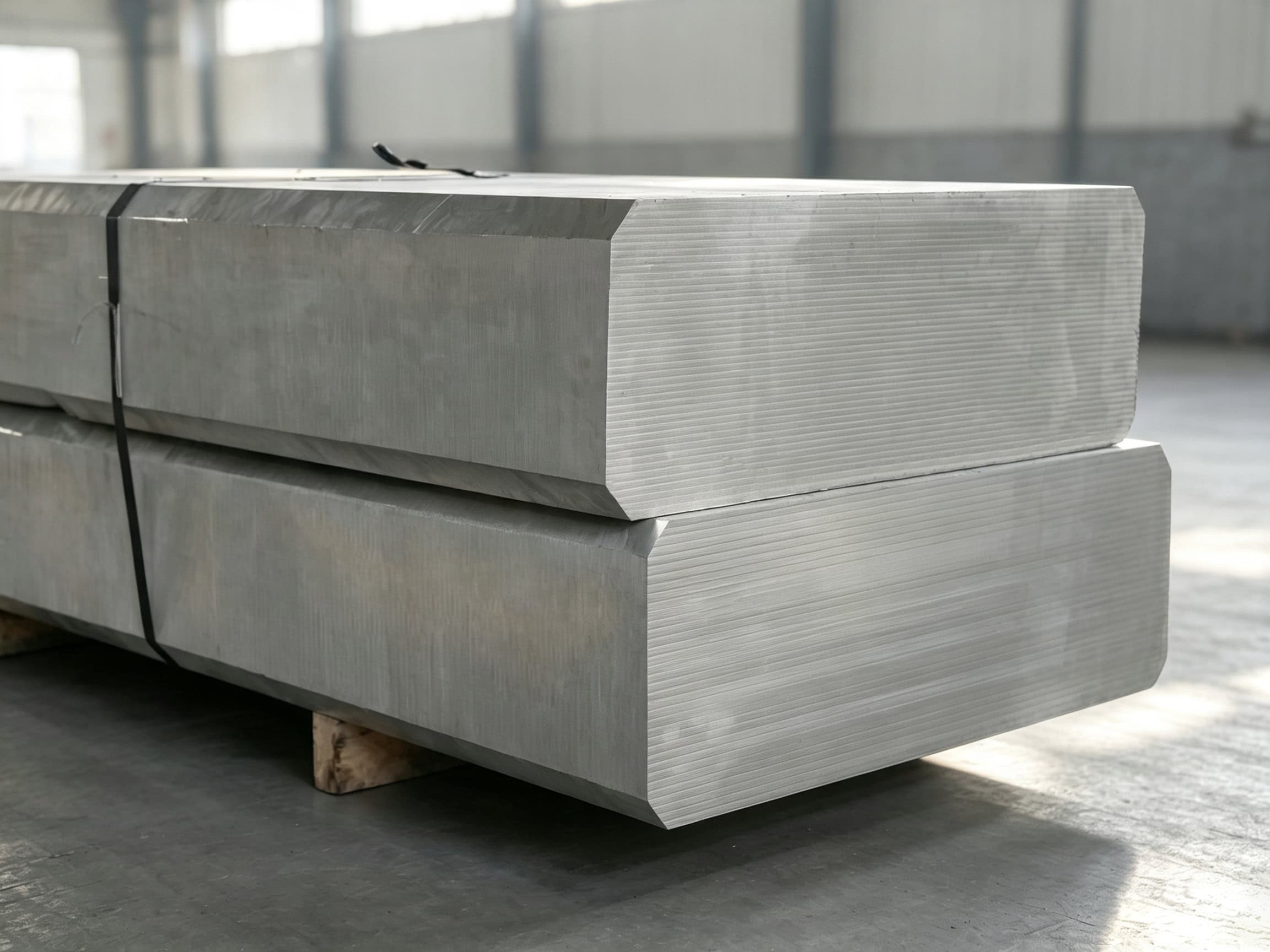
- AZ31B (Mg-Al-Zn-Mn): Contains approximately 3% Aluminum and 1% Zinc. It is the global benchmark for wrought magnesium, renowned for its excellent balance of room-temperature formability, high ductility, good weldability, and outstanding corrosion resistance. It is most commonly supplied in the form of AZ31B magnesium plates and sheets, coils, and extruded profiles.
- ZK60 / ZK60A (Mg-Zn-Zr): Contains approximately 5.5% Zinc and 0.5% Zirconium. Zirconium acts as an exceptional grain refiner during solidification and hot working, creating an ultra-fine grain structure. Through artificial aging heat treatment (T5 / T6 tempers), ZK60 achieves significantly superior yield strength, ultimate tensile strength, and fatigue resistance, making it the preferred choice for heavy-duty magnesium forging blocks and high-load extruded round bars.
2. Chemical Composition Comparison (ASTM B90 & ASTM B107)
The chemical composition governs the microstructural grain size, precipitation hardening potential, and weldability of both grades:
| Element (wt%) | AZ31B (ASTM B90 / B107) | ZK60 / ZK60A (ASTM B107 / AMS 4352) |
|---|---|---|
| Magnesium (Mg) | Balance (~96.0%) | Balance (~93.5%) |
| Aluminum (Al) | 2.50 – 3.50% | ≤ 0.05% (Impurity) |
| Zinc (Zn) | 0.60 – 1.40% | 4.80 – 6.20% |
| Zirconium (Zr) | — | ≥ 0.45% (Soluble Zr) |
| Manganese (Mn) | 0.20 – 1.00% | — |
| Silicon (Si) / Copper (Cu) | ≤ 0.10% / ≤ 0.05% | ≤ 0.05% / ≤ 0.05% |
3. Mechanical Properties & Performance Head-to-Head
While both alloys boast an ultra-low density of approximately 1.78 to 1.83 g/cm³ (33% lighter than aluminum and 75% lighter than steel), their mechanical load capacities differ substantially:
| Property | AZ31B-H24 (Rolled Sheet) | AZ31B-F (Extrusion) | ZK60A-T5 (Extrusion / Forged) |
|---|---|---|---|
| Tensile Strength (UTS) | 260 – 290 MPa | 240 – 260 MPa | 310 – 350 MPa |
| Tensile Yield Strength (0.2%) | 180 – 220 MPa | 150 – 170 MPa | 250 – 305 MPa |
| Elongation at Break (%) | 12 – 15% | 10 – 15% | 8 – 12% |
| Fatigue Strength (10^7 cycles) | 110 – 130 MPa | 100 – 120 MPa | 160 – 190 MPa |
| Brinell Hardness (HBW) | 55 – 65 | 49 – 55 | 75 – 88 |
| Thermal Conductivity | 96 W/m·K | 96 W/m·K | 117 W/m·K |
Engineering Takeaway: ZK60A-T5 delivers up to 40% higher yield strength and 50% higher fatigue limit compared to AZ31B. If your application involves cyclic dynamic loads, rotational stress, or heavy structural impacts, ZK60 or its specialized tubular variant ZK61 magnesium alloy pipe offers critical performance margins.
4. CNC Machining & Fabrication Analysis
4.1 High-Speed CNC Machining
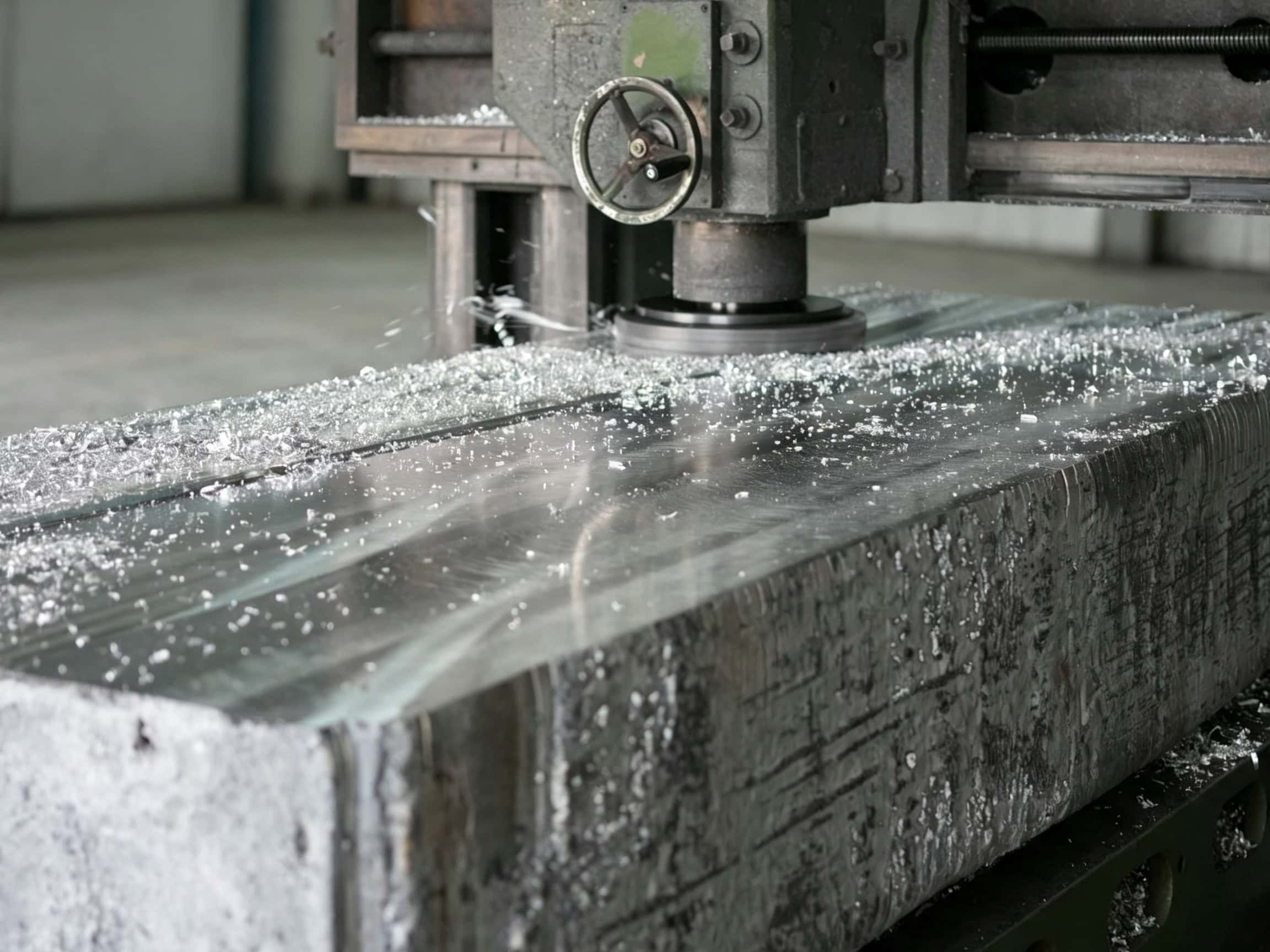
Both AZ31B and ZK60 exhibit superior machinability compared to aluminum alloys and titanium. They require only 1/5 of the cutting power needed for steel and 1/2 of that for aluminum. Key CNC considerations include:
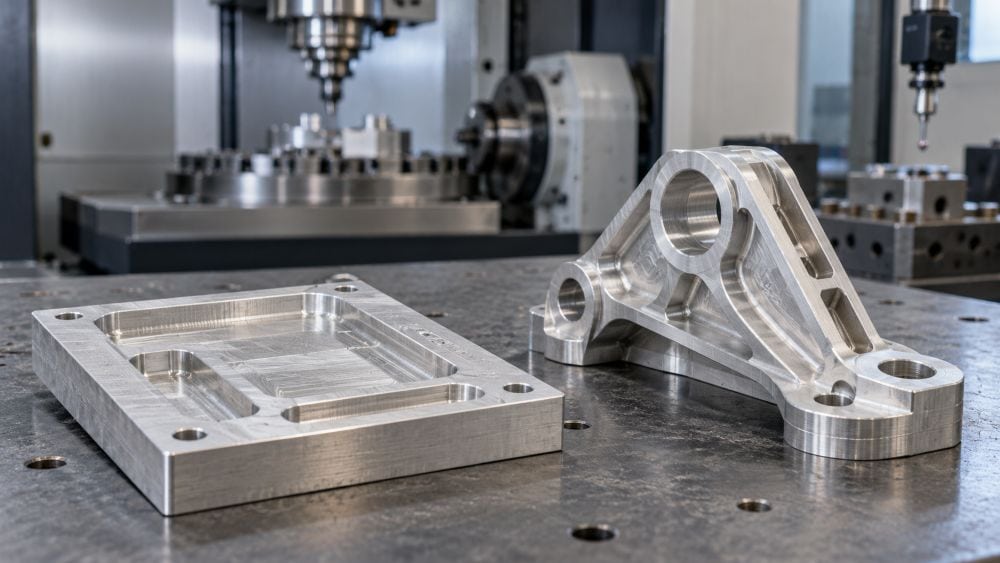
- Surface Finish: Because ZK60 features a harder matrix and refined grain structure, it produces exceptionally crisp edges and mirror-like milled finishes with minimal burr formation.
- Chip Evacuation: Both alloys generate well-broken, discontinuous chips at high cutting feeds. Flood cooling with mineral oil or dry machining with compressed air is recommended (never use water-based coolants due to hydrogen generation risks).
- Tool Longevity: Tool wear is exceptionally low on uncoated carbide and diamond-coated (PCD) end mills.
4.2 Forming & Extrusion Capabilities
- Sheet Metal & Stamping: AZ31B is the unrivaled leader for warm stamping, deep drawing, and bending at temperatures between 200°C and 250°C. It is also available in precision ultra-thin magnesium foil for acoustic diaphragms and battery anodes.
- Extrusions & Tubes: Both alloys can be extruded into complex hollow shapes, including seamless magnesium tubes and structural profiles. ZK60 requires higher extrusion pressures and precise temperature control.
- Forging: For closed-die precision forgings and heavy automotive wheels, ZK60 and AZ80A forging alloy provide unmatched forgeability and structural integrity.
4.3 Welding & Joining
- AZ31B: Readily weldable using TIG (GTAW) and MIG (GMAW) processes with AZ61A or AZ92A filler wire. Weld joint efficiency reaches 85–95% of parent metal strength.
- ZK60: Highly susceptible to hot-cracking during conventional fusion welding due to its high zinc content and wide solidification range. Mechanical fastening (riveting, bolting) and structural adhesive bonding are the recommended joining methods for ZK60 assemblies.
5. Application-Based Selection Matrix
| Industry / Component | Recommended Alloy | Key Selection Rationale |
|---|---|---|
| Aerospace Brackets & Avionics Chassis | AZ31B / ZK60 | AZ31B for sheet enclosures; ZK60 for primary structural load-bearing brackets requiring high fatigue resistance. |
| Motorsport Suspension & Wheel Hubs | ZK60 / AZ80A | Forged ZK60-T5 provides the highest yield strength and notch toughness to withstand cyclic track impacts. |
| High-Speed Robotic Arms & End-Effectors | ZK60 Extrusions | Minimizes rotational inertia while maintaining rigidity and vibration dampening during high-cycle pick-and-place motions. |
| 3C Laptop Covers & Camera Bodies | AZ31B Sheet / AZ91D | AZ31B offers superior surface finish for anodizing and PEO coating; AZ91D is optimal for thin-wall die casting manufacturing. |
| High-Temperature Aerospace (>150°C) | WE43 / WE54 | When operating temperatures exceed 150°C, rare-earth alloys (WE43) provide superior creep resistance where AZ31B/ZK60 lose strength. |
6. Frequently Asked Questions (FAQ)
Q1: Is ZK60 stronger than AZ31B?
Yes. In heat-treated tempers (such as T5 or T6), ZK60 exhibits an ultimate tensile strength of 310–350 MPa and a yield strength exceeding 250 MPa, which is roughly 30% to 40% higher than AZ31B.
Q2: Can I weld ZK60 components?
Fusion welding of ZK60 is generally not recommended due to high hot-cracking tendencies. If structural welding is mandatory for your design, AZ31B or AZ61A should be specified instead.
Q3: What surface treatments can be applied to AZ31B and ZK60?
Both alloys can undergo Micro-Arc Oxidation (MAO / PEO), Electroless Nickel Plating, Chemical Conversion Coating, and Powder Coating to provide exceptional corrosion resistance and wear protection.
Q4: What material formats are in stock at Miji Magnesium?
Miji Magnesium maintains extensive inventories of AZ31B, AZ80A, ZK60, ZK61, and WE43 in plates, round bars, hollow tubes, forging billets, and custom extruded profiles with full EN 10204 3.1 chemical and mechanical inspection certificates.
Request a Quote or Custom Material Consultation
Whether you require stock plates, extruded rods, precision CNC machined components, or custom tooling dies, our metallurgical engineers are ready to assist your project.