

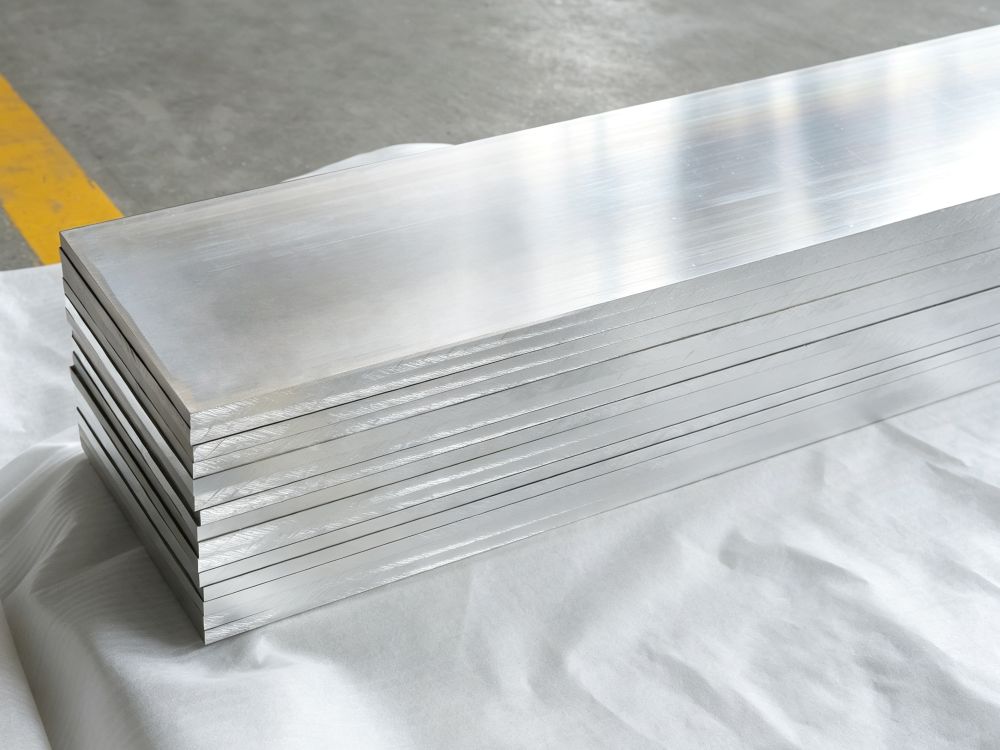
In August 2026, a Korean company working with carbon nanotube composite materials asked us about AZ61, AZ80, and AZ91 magnesium alloy plates for experimental work. The team did not treat the three grades as interchangeable. Before placing a first order, they asked about the material properties and requested supporting test information. We reviewed the stated end use, checked the supply requirements with our technical team, and provided material test reports with the plates.
The project is still in the laboratory stage. There is no final comparison result to report yet. The value of the first order was that it gave the customer documented material to evaluate in its own process carefully and consistently.
Project Brief
| Item | Project detail |
|---|---|
| Customer location | Korea |
| Customer field | Carbon nanotube composite materials |
| Material requested | Magnesium alloy plate |
| Grades discussed | AZ61, AZ80, and AZ91 |
| Intended use | Experimental work |
| First-order need | Material-property discussion and test reports |
| Current status | The customer is continuing internal evaluation |
The customer found us through a product inquiry and then asked about several grades of plate. It was their first purchase from us. That changed the discussion: the practical question was not simply whether plate was available, but whether the documents and supplied condition would be useful for their experiment.
Three Grades, Not One Material
AZ61, AZ80, and AZ91 belong to the magnesium-aluminum-zinc family, but the aluminum level and usual supply route are different. That affects how a buyer should read published property data.
AZ61 is usually considered a wrought alloy. It is often used where a balance of strength and workability is needed. AZ80 is generally chosen when a wrought or forged magnesium part needs higher strength. AZ91 is widely associated with casting; an inquiry for AZ91 plate needs an extra check on the actual product route and condition.
The comparison below is intentionally a reference, not a certificate for the Korean customer’s plates. It shows why one set of mechanical values should not be copied from a data sheet and applied to another grade or form.
| Published reference condition | Tensile strength | 0.2% yield strength | Elongation | What it shows |
|---|---|---|---|---|
| AZ61A-F extruded material | 275 MPa | 150 MPa | 7% | Moderate strength with useful ductility in the stated wrought route |
| AZ80A-T5 extruded material | 310 MPa | 205 MPa | 2% | Higher strength, with lower elongation in the stated condition |
| AZ91D high-pressure die casting | about 250 MPa | about 160 MPa | about 6% | A casting reference, not a plate acceptance value |
For the actual order, the applicable certificate and the agreed product condition control acceptance. The table is useful only because it forces the right question: what exact form and state will be tested?
That question becomes more important with plate. Values can change with rolling or processing direction, thickness, prior heat treatment, and where a test specimen is taken. A research team comparing materials should keep those variables visible. Otherwise, a difference in the test may come from the starting condition rather than from the alloy designation.
The practical selection was therefore not “which grade has the highest number on a table?” AZ61, AZ80, and AZ91 were candidates for the customer to assess against its own composite-material method. The supplier’s role was to make the supplied material and documents clear enough for that assessment to begin.
Questions Before the First Order
The customer asked about material properties before payment. That is a sensible starting point for experimental work. A research team may cut coupons, machine surfaces, prepare a composite interface, or compare more than one alloy under the same method. The material record needs to travel with those samples.
We reviewed the final use with technical staff and checked the material requirements for the supply. The discussion focused on the grades, product form, and reports needed with the shipment. It did not make sense to promise a result from a laboratory programme that had not started.
For this type of order, the buyer should state whether sample direction, plate thickness, surface condition, or a later machining step matters to the test. A plate cut into small specimens is hard to trace back if these details were not set out at the start.
What Was Supplied With the Plates
The customer placed the order after the material questions were addressed. We provided material test reports with the shipment so the company could link the received plates to the supplied material information.
This is a small but important distinction in a research project. The report does not replace the customer’s own tests. It gives the laboratory a documented starting point before it measures its own specimens, prepares its own interfaces, or changes the surface condition.
Later stages may need a different document set. A first screening order might only need the supplied report. A repeat programme may require separate lots, marked test pieces, extra dimensional records, or a defined surface requirement. Those requests should be made before production or packing, not after the samples arrive.
This is also a good point to separate supplier data from customer test data. The supplier can confirm what was delivered and the records attached to it. The research team decides how to prepare specimens, run the experiment, and interpret the result within its own method. Keeping those responsibilities separate avoids over-reading a certificate.
Surface Protection Was Part of the Handover
After delivery, we advised the customer on protecting the plate surface from outside exposure. Magnesium plate should be stored dry, protected, and clearly identified until it enters the intended process. Surface changes during storage can complicate an experiment if the team is also studying adhesion, corrosion, bonding, or composite interfaces.
The right handling method depends on the next step. Some laboratories will test material in the as-received condition. Others will cut, clean, machine, coat, or bond it before testing. That is why surface condition should be part of the technical conversation, not an afterthought once the package is opened.
The Next Result Belongs to the Customer’s Test
The Korean customer is moving the plates into its own experimental work and will share the results when available. Until then, it would be inaccurate to say that AZ61, AZ80, or AZ91 has proved best for this project.
What can be stated is the route taken: the team identified three candidate grades, asked the relevant material questions, received test reports with the first shipment, and received handling guidance after delivery. That is a practical way to start a new material-supply relationship for a research project.
The first order is useful even before a final result exists. It lets the customer check packaging, documentation, communication, and the condition of the actual material in hand. If a follow-up order is needed, the next conversation can focus on the part of the process that mattered during testing rather than reopening every basic supply question.
For buyers planning a similar evaluation, the useful first inquiry is short: state the alloy grades, plate size and thickness, quantity, intended test, surface condition, and documents needed with delivery. It gives the supplier enough information to discuss the real supply route instead of offering a generic magnesium plate quote with unclear supporting records.