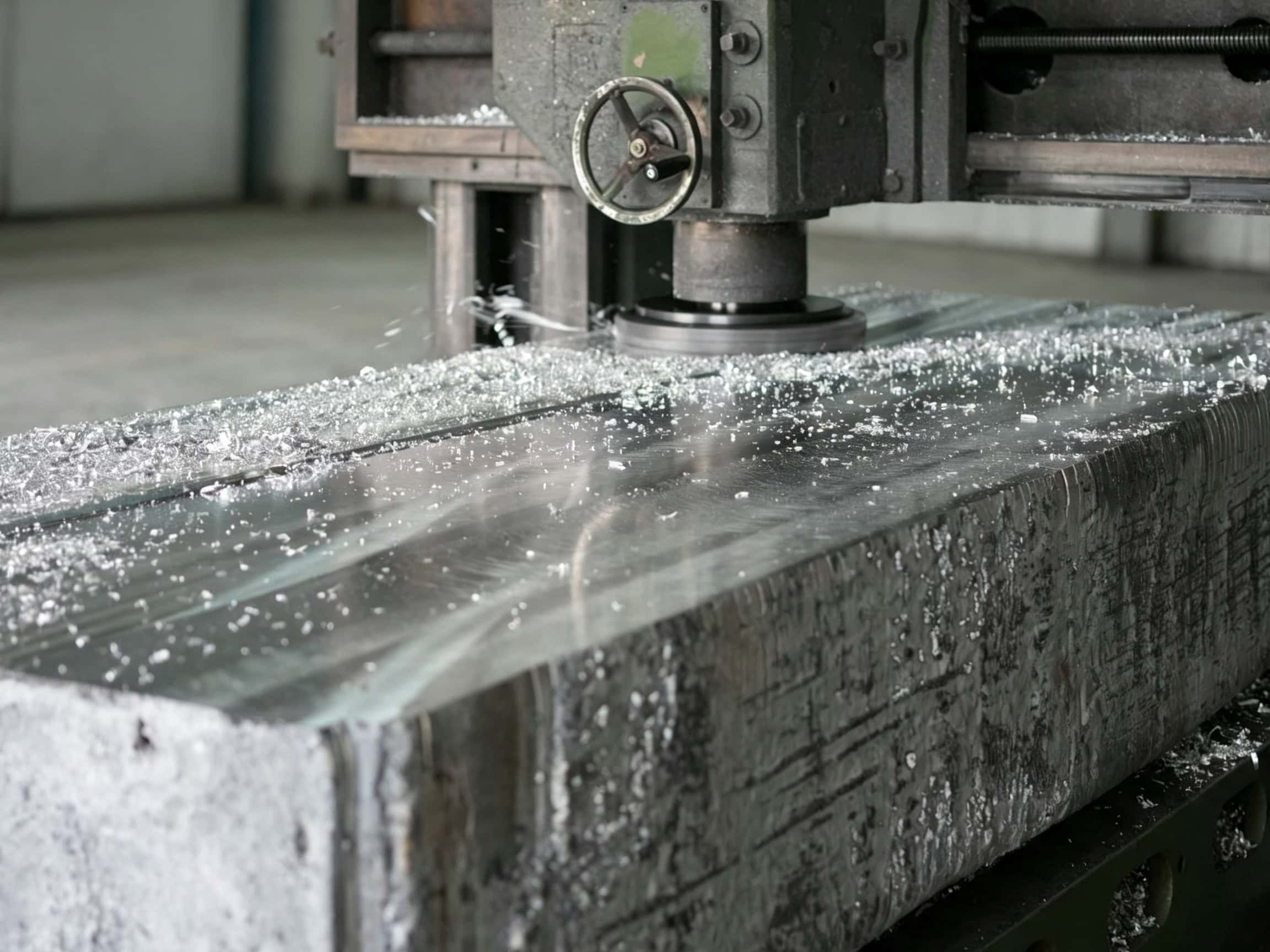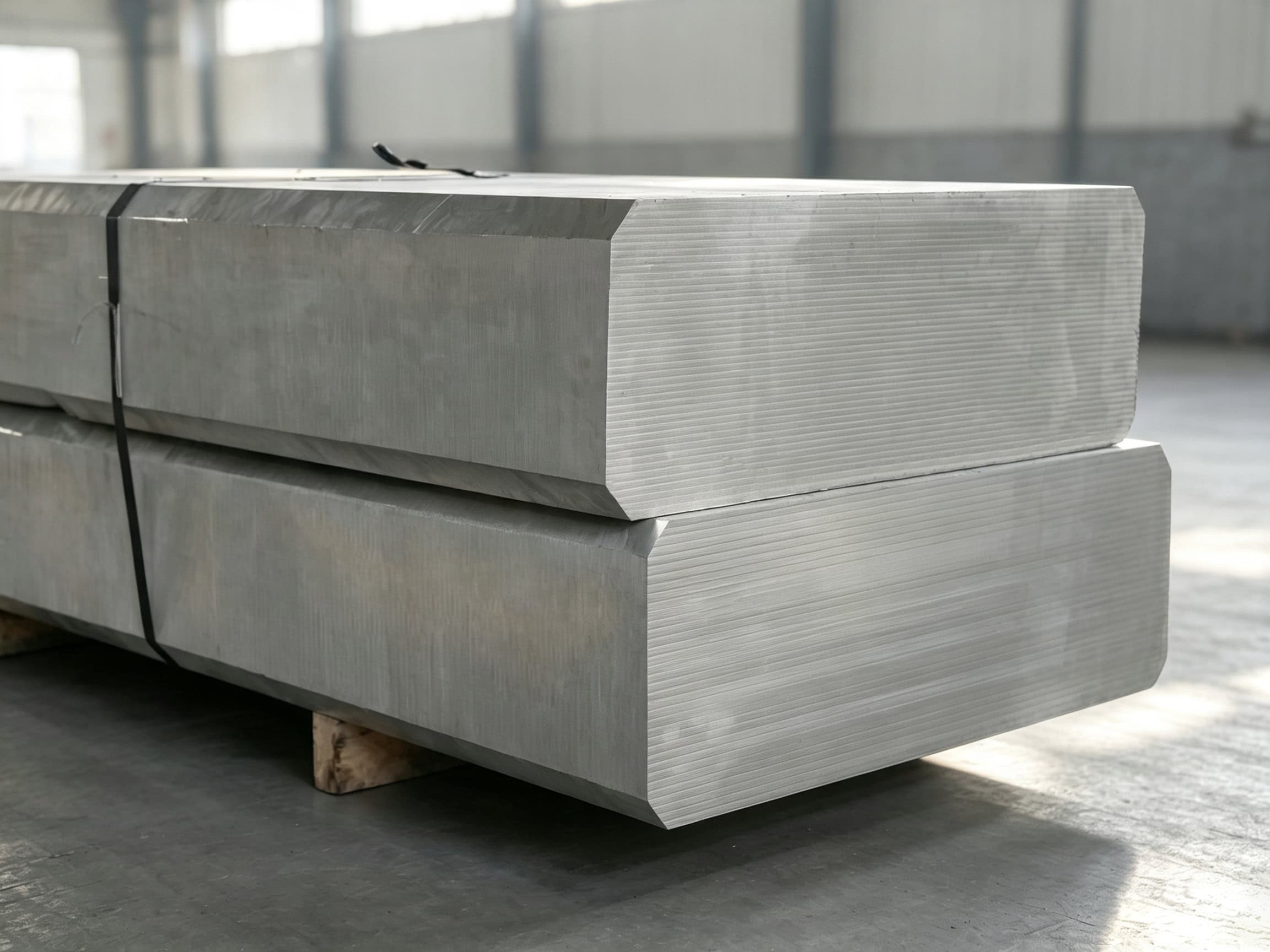

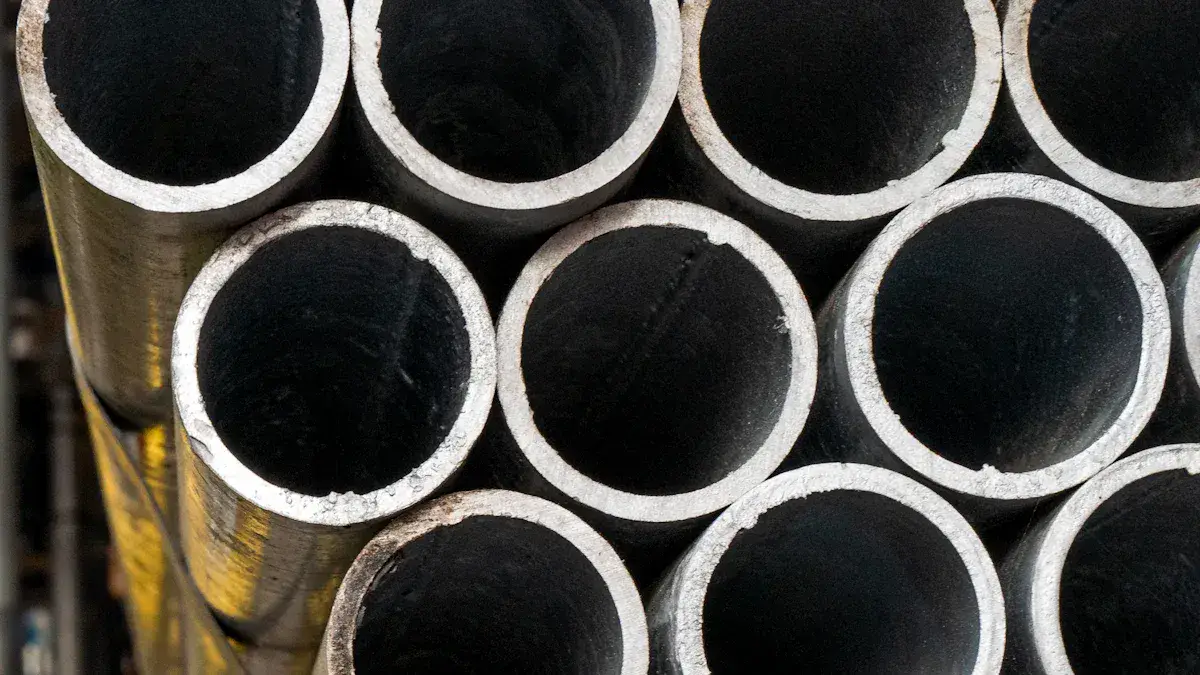
Executive Sourcing Summary: Magnesium alloy tubing and extruded pipes represent the ultimate lightweight solution for hollow structural frames, fluid conduits, aerospace truss assemblies, and high-performance mobility hardware. Delivering a 33% weight reduction over aluminum (6061-T6) and a massive 75% reduction over steel (density: 1.78 – 1.81 g/cm³), precision magnesium tubes combine high specific rigidity with superior vibration attenuation. This comprehensive engineering guide examines extruded vs. cold-drawn seamless tubing specifications, ASTM B107 wall thickness tolerances, burst pressure ratings, warm bending parameters (minimum bending radius), and export quality testing protocols.
1. Overview of Industrial Magnesium Alloy Tubing
When design engineers develop next-generation aerospace brackets, drone rotor arms, racing bicycle frames, and lightweight medical mobility equipment, replacing solid structural members or heavier aluminum tubing with hollow magnesium alloy tubing delivers immediate performance dividends. Magnesium is the lightest practical structural metal in commercial manufacturing, exhibiting exceptional specific stiffness ($E/ ho$) and remarkable natural acoustic damping capacity (attenuating vibration energy up to 10× faster than aluminum alloys).
Modern magnesium tubes are produced through advanced multi-stage direct hot extrusion and secondary precision drawing. By strictly regulating extrusion die ratios and thermal cycles, manufacturers eliminate structural weld line weaknesses, creating uniform circumferential grain alignment capable of withstanding severe cyclic dynamic loading and internal hydraulic pressure.
2. Extruded Tubing vs. Cold-Drawn Seamless Tubing
Selecting the appropriate tubular manufacturing process depends on your dimensional tolerance requirements, surface finish specifications, and burst pressure thresholds:
| Manufacturing Process | Outer Diameter (OD) Range | Wall Thickness (WT) Range | Diameter Tolerance | Wall Thickness Tolerance | Surface Roughness (Ra) | Primary Structural Application |
|---|---|---|---|---|---|---|
| Hot Extruded Seamless Tube | Ø 12.0 mm – Ø 220.0 mm | 1.5 mm – 20.0 mm | ±0.30 mm to ±0.80 mm | ±8% to ±10% | Ra 1.6 – 3.2 µm | Heavy structural frames, aerospace conduits, large robotic truss tubes |
| Cold-Drawn Precision Tube | Ø 6.0 mm – Ø 85.0 mm | 0.8 mm – 6.0 mm | ±0.05 mm to ±0.15 mm | ±5% (High concentricity) | Ra 0.4 – 0.8 µm | Drone arm tubes, medical mobility poles, optical instrument sleeves |
| Extruded Square / Profile Tube | 15×15 mm – 120×120 mm | 1.2 mm – 10.0 mm | ±0.25 mm to ±0.50 mm | ±8% | Ra 1.6 – 3.2 µm | Chassis stiffeners, modular architectural frames, guide rails |
3. Key Mechanical Benchmarks & Burst Pressure Ratings
Magnesium tubing alloys are formulated to achieve specific trade-offs between tensile yield strength, elongation for tube bending, and corrosion endurance. All tubular products manufactured by Miji Magnesium conform to ASTM B107 / B107M standards:
| Alloy Grade & Temper | Density (g/cm³) | Tensile Strength (UTS) | Yield Strength (0.2%) | Elongation (%) | Theoretical Burst Pressure (OD 25mm × WT 2mm) | Forming & Application Fit |
|---|---|---|---|---|---|---|
| AZ31B-H24 / F | 1.78 | 260 MPa | 200 MPa | 12 – 16% | ~32.0 MPa (4,640 PSI) | Best ductility; ideal for tube bending, hydroforming, and bicycle frames |
| ZK60A-T5 | 1.83 | 345 MPa | 280 MPa | 8 – 12% | ~44.8 MPa (6,495 PSI) | Peak dynamic fatigue strength; racing vehicle tie-rods & suspension links |
| AZ80A-T5 | 1.80 | 380 MPa | 275 MPa | 6 – 9% | ~44.0 MPa (6,380 PSI) | High-strength structural cylinders, fluid hydraulic valve sleeves |
| AM60B / AZ61A | 1.79 | 290 MPa | 210 MPa | 10 – 15% | ~33.6 MPa (4,870 PSI) | High energy absorption; impact-resistant automotive cross-car beams |
For comparative material evaluation against solid bar stock, explore our technical guides on Magnesium Bar Stock & Extruded Rods and AZ31B vs ZK60 Performance Comparison.
4. Tube Bending & Fabrication Guidelines (Avoiding Wrinkling & Flattening)
Due to the Hexagonal Close-Packed (HCP) crystal lattice of magnesium alloys, room-temperature slip systems are restricted. Attempting tight cold rotary draw bending at room temperature often results in outer wall cracking or inner wall buckling. Follow these proven engineering fabrication guidelines:
Warm Bending Parameters & Tooling Setup:
- Warm Forming Temperature Window: Heat the bend zone locally (via induction collar or heated bending dies) to 200°C to 260°C (392°F – 500°F). At elevated temperatures, additional pyramidal slip planes activate, dramatically boosting elongation beyond 25% without grain boundary tearing.
- Minimum Centerline Bending Radius (CLR):
- At 220°C with internal mandrel: $CLR \ge 2.5 imes OD$ (e.g., for Ø 25mm tube, min radius = 62.5 mm).
- At room temperature (limited shallow bends): $CLR \ge 5.0 imes OD$.
- Internal Support & Mandrels: Always utilize multi-ball articulated mandrels with flexible wiper dies when bending thin-walled tubes ($D/t > 15$) to maintain circularity and prevent cross-sectional flattening (ovality < 3%).
- Rotary Sawing & End Facing: Use high-speed carbide circular saws with high tooth clearance. Deburr and chamfer tube ends before welding or flaring.
5. High-Impact Industrial Applications
✈️ Aerospace Cabins & Airframe Tubes
Extruded AZ31B seamless conduit tubes protect electrical wiring, hydraulic runs, and environmental control systems (ECS) while trimming hundreds of kilograms from commercial aircraft fuselage structures.
🚴 Bicycle Frames & Electric Mobility
Hydroformed and welded AZ31B / ZK60 main triangle tubes and seat stays deliver unmatched road vibration dampening, reducing rider fatigue compared to harsh 6061-T6 aluminum or stiff carbon fiber.
🤖 UAV Rotor Arms & Robotic Trusses
High-rigidity magnesium round and square tubing minimizes arm flex during aggressive drone flight maneuvers, enhancing payload sensor stability and prolonging battery flight duration.
6. Quality Assurance & Marine Export Packaging
Every lot of magnesium tubing produced by Miji Magnesium undergoes rigorous verification in our accredited metallurgical quality inspection center:
- 100% Eddy Current & Hydrostatic Testing: Full-length non-destructive defect screening verifying wall integrity and pressure tightness.
- Direct Optical Emission Spectrometry (OES): Quantitative chemical verification ensuring strict compliance with ASTM impurity thresholds (Fe, Ni, Cu < 0.005%).
- Certified EN 10204 3.1 Mill Test Certificates (MTC): Full material trace reports with actual heat analysis and mechanical pull-test results.
- Marine Multi-Layer Anti-Oxidation Packaging: Sealed interior plastic caps, vacuum-sealed aluminum foil barrier bags, heavy industrial desiccant, and ISPM-15 fumigated solid wooden crates for zero-corrosion sea freight.
Need Custom Magnesium Alloy Tubing or Bending Fabrication?
Miji Magnesium manufactures standard and custom-dimension magnesium alloy tubes (Ø 6mm to Ø 220mm OD) in AZ31B, ZK60, AZ80A, and AM60. Upload your 2D/3D CAD drawings for instant DFM review and factory pricing.
Get Instant Tubing Quote & DFM Review (24h Response)🔒 100% Confidential | Strict NDA Protection | EN 10204 3.1 Certified MTC Included
7. Frequently Asked Questions (FAQ)
Q1: Can magnesium tubing be welded together?
Yes. AZ31B and AZ61A magnesium tubing exhibit excellent weldability via TIG (GTAW) and laser welding processes. High-purity argon shielding gas (99.999%) and matching AZ61A or AZ92A filler wire should be used with preheating for thick-walled tubular joints.
Q2: How does magnesium tubing compare to carbon fiber tubing in structural frames?
While carbon fiber provides high directional tensile strength, magnesium tubing offers isotropic mechanical properties, superior impact energy absorption, infinite shelf-life without delamination risks, 100% recyclability, and significantly lower manufacturing cost for complex joined assemblies.
Q3: What custom tube shapes can Miji Magnesium produce?
Beyond standard round tubes, Miji Magnesium produces square tubes, rectangular hollow sections, oval aerodynamic tubes, and multi-lumen custom extruded profiles with internal stiffening ribs tailored to your engineering CAD drawings.