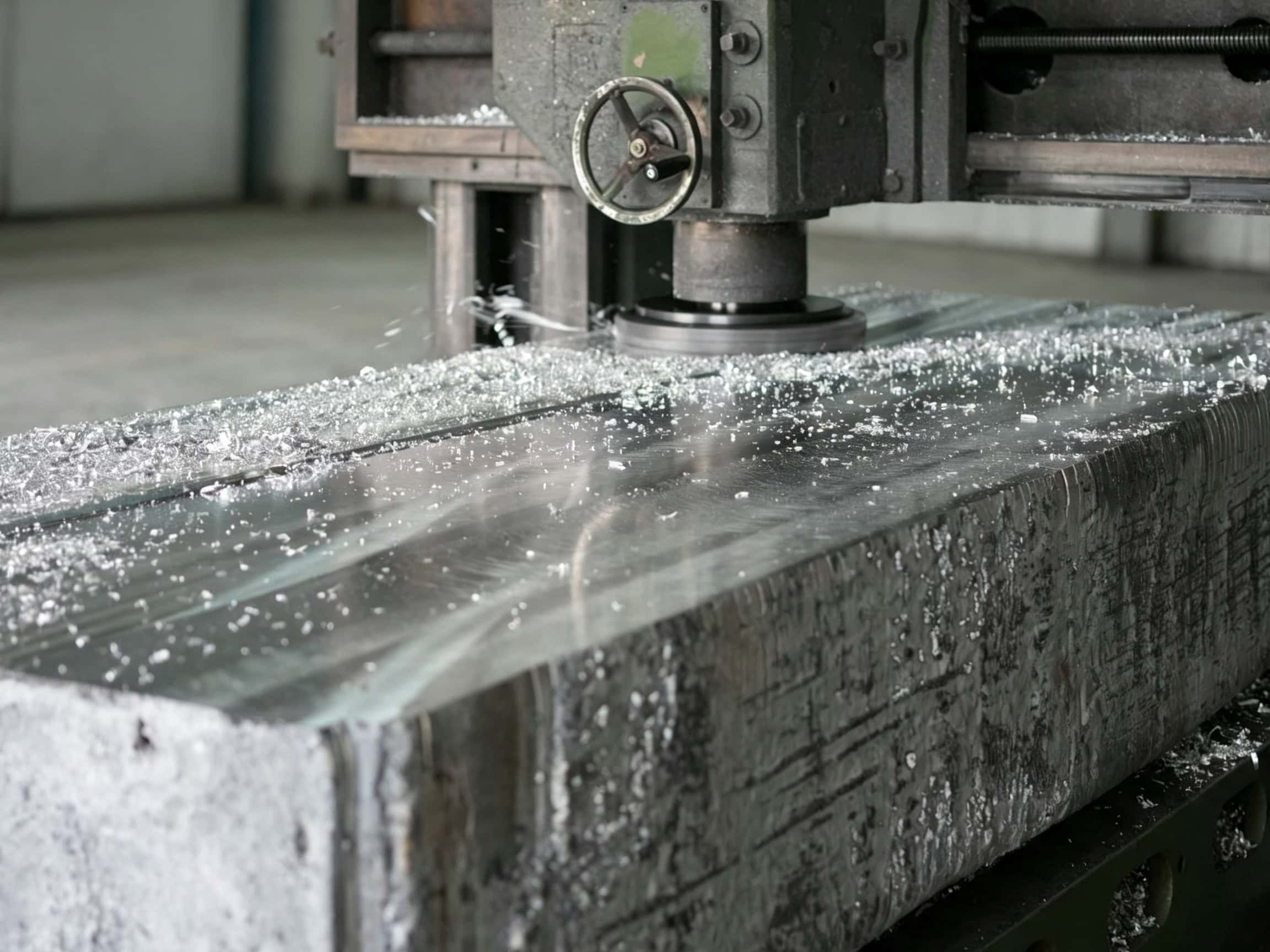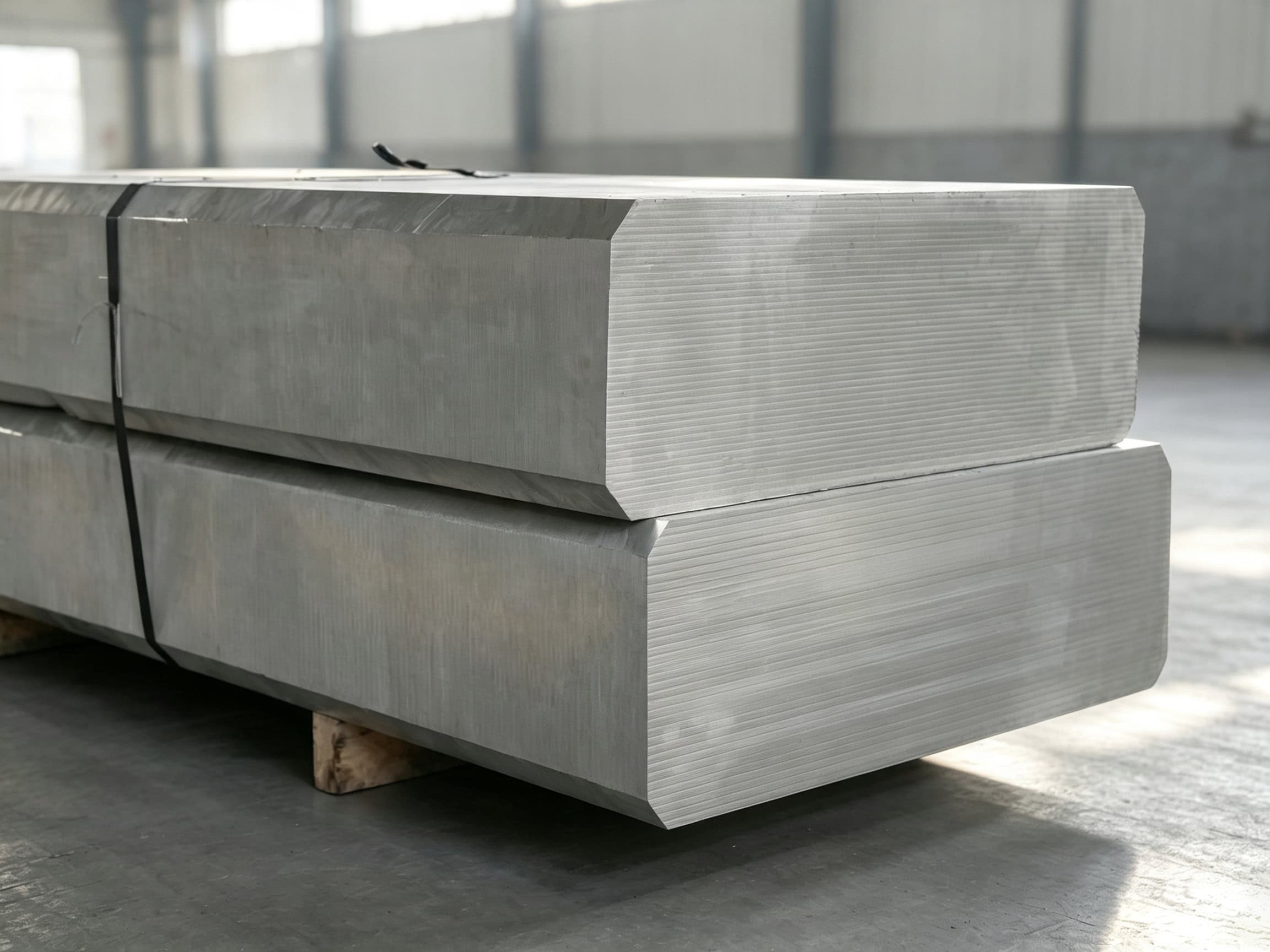

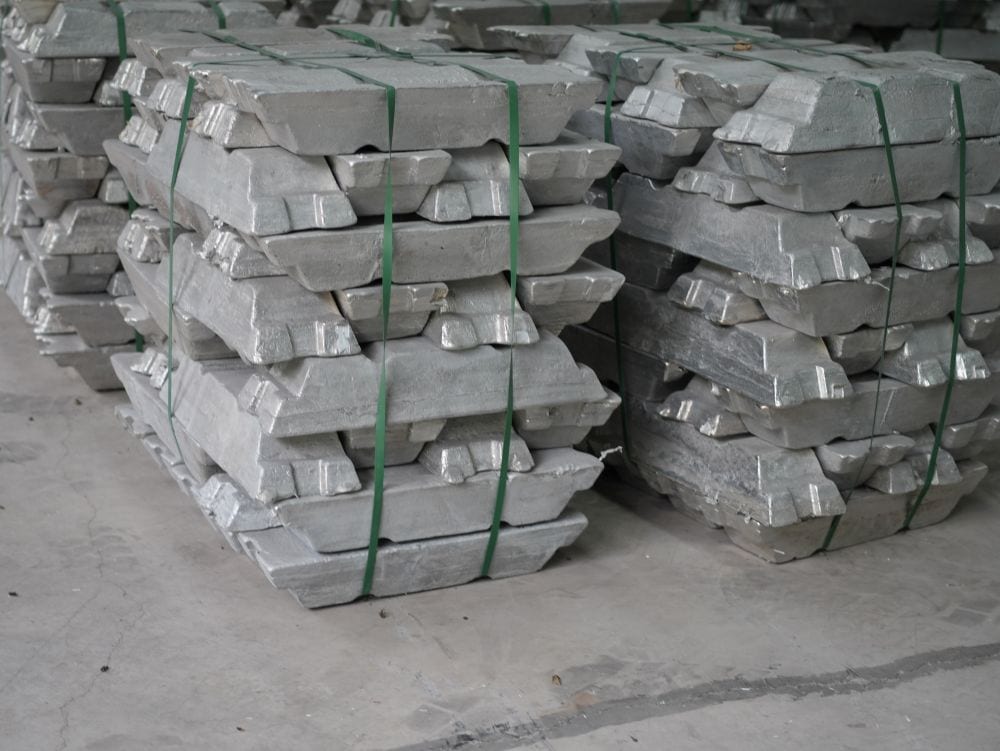
Reducing unsprung mass is a recurring priority in performance chassis design. Lighter wheels, hubs, and suspension components can help the suspension respond to uneven surfaces while reducing overall vehicle weight. Cast A356 and wrought 6061-T6 aluminum remain common choices, but forged magnesium alloys such as ZK60A, AZ80A-T5, and WE43 are worth considering where further weight savings justify the added manufacturing complexity. Magnesium’s lower density creates an opportunity to reduce component weight; the actual saving depends on the geometry and stiffness requirements. Fatigue performance also needs to be assessed for the specific alloy, forging process, surface condition, and service loads.
1. Why Forged Magnesium for Performance Chassis & Suspension?
Unlike high-pressure die casting (HPDC), which inevitably introduces micro-porosity and oxide inclusions, closed-die hot forging refines the internal grain structure of magnesium alloys through dynamic recrystallization (DRX). This metallurgical densification increases tensile elongation, eliminates internal voids, and aligns the metallic grain flow along critical load-bearing paths.
| Property / Performance Metric | Forged Magnesium (ZK60A-T5) | Forged Aluminum (6061-T6) | Cast Magnesium (AZ91D-F) | Performance Advantage of Forged ZK60 |
|---|---|---|---|---|
| Density ($\text{g/cm}^3$) | 1.83 | 2.70 | 1.81 | 32% Lighter than Forged Aluminum |
| Tensile Yield Strength | 240–260 | 276 | 150–160 | 60% Higher Yield than Cast Mg |
| Ultimate Tensile Strength | 315–335 | 310 | 230–240 | Comparable to Aerospace Aluminum |
| Fatigue Endurance Limit | 130–145 | 95–105 | 65–75 | 35% Superior Dynamic Fatigue Resistance |
| Specific Damping Capacity (SDC) | 40–60% | < 5% | 30–45% | 10x Vibration & Road Noise Absorption |
2. Alloy Selection: ZK60A vs. AZ80A vs. WE43 for Chassis Components
- ZK60A-T5 (Mg-Zn-Zr): The Gold Standard for Fatigue & Impact: Containing 5.5% Zinc and 0.5% Zirconium grain refiners, ZK60A achieves the highest combination of ductility, toughness, and cyclic fatigue endurance. It is the premier alloy for suspension control arms (A-arms), steering knuckles, and wheel hubs subject to high-frequency road vibrations.
- AZ80A-T5 (Mg-Al-Zn): High Structural Yield & Stiffness: With 8.0% Aluminum, AZ80A provides higher compressive yield strength and excellent dimensional stability under static heavy clamp loads. Ideal for chassis subframe corner nodes, crossmembers, and transmission mounting brackets.
- WE43 Rare-Earth Alloy: Elevated Temperature Resistance (up to 300°C): Formulated with 4.0% Yttrium and 3.0% Neodymium/Heavy Rare Earths, WE43 resists thermal creep near brake calipers, turbochargers, and exhaust manifolds.
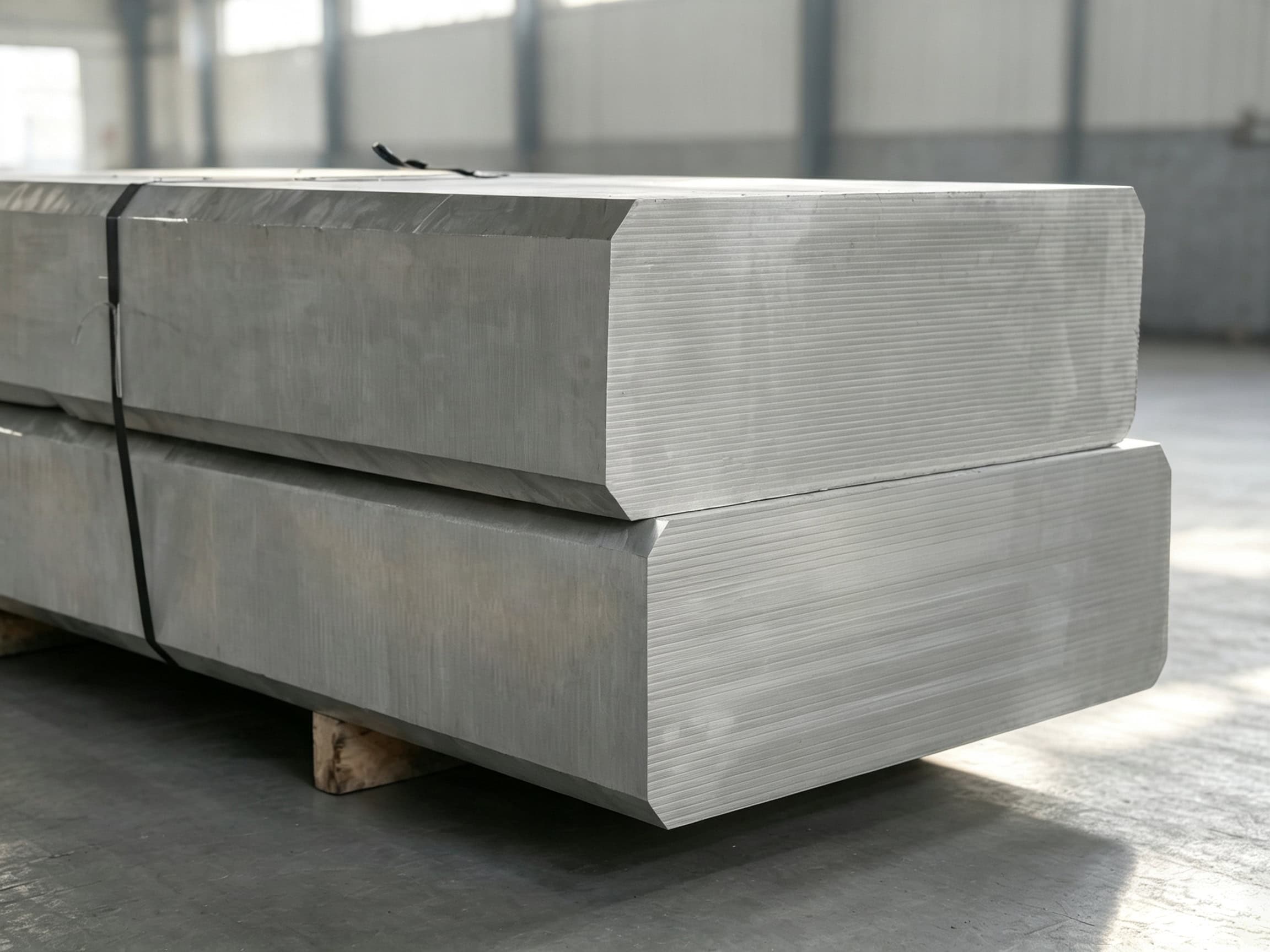
3.Hot Forging Process & DFM Guidelines for Magnesium Alloys
Magnesium’s HCP crystal structure limits its formability at room temperature, so these alloys are generally forged hot. In practice, a reliable process depends on matching billet temperature, die temperature, and deformation speed to the alloy and part geometry.
- Billet and die temperatures: Treat 320–380°C as a proposed development range, rather than a universal specification. Billet and die temperatures need separate setpoints, validated for the alloy and temper. Insufficient heat can lead to cracking; excessive temperature or holding time can affect the microstructure.
- Press speed: Specify deformation speed around the part’s local strain rates. A ram speed below 15 mm/s may be a useful trial setting, but ram speed alone does not establish isothermal conditions or guarantee freedom from shear localization and edge cracking.
- Draft and fillets: Use 3–5° internal draft and fillet radii of at least 3 mm as preliminary DFM targets. Deep cavities, thin sections, and abrupt changes in thickness may require more generous features. Confirm the dimensions through die-fill analysis and forging trials.

4. Corrosion Protection & 24-Hour Custom Manufacturing RFQ
All precision CNC-machined forged chassis components must undergo Micro-Arc Oxidation (MAO / PEO) ceramic coating followed by dielectric isolation bushings (PTFE / Nylon 6/6) at steel bolt interfaces, ensuring zero galvanic corrosion in severe wet and salt-spray road conditions.
Upload CAD Drawings for DFM Review: Contact Miji Magnesium’s engineering team at Precision CNC Machining Service or explore our certified forged materials and components at Magnesium Forged Parts and AZ80A Magnesium Alloy.