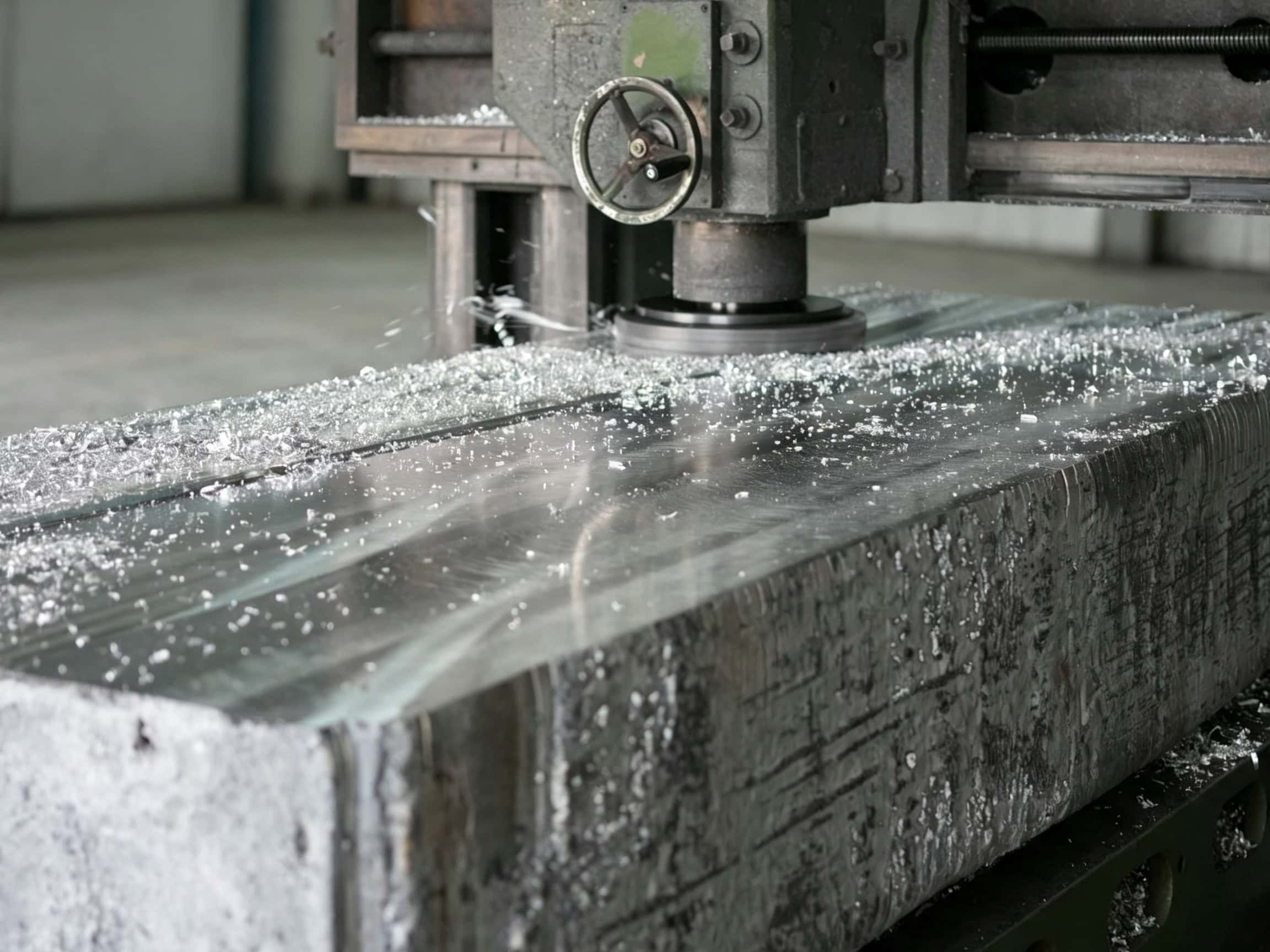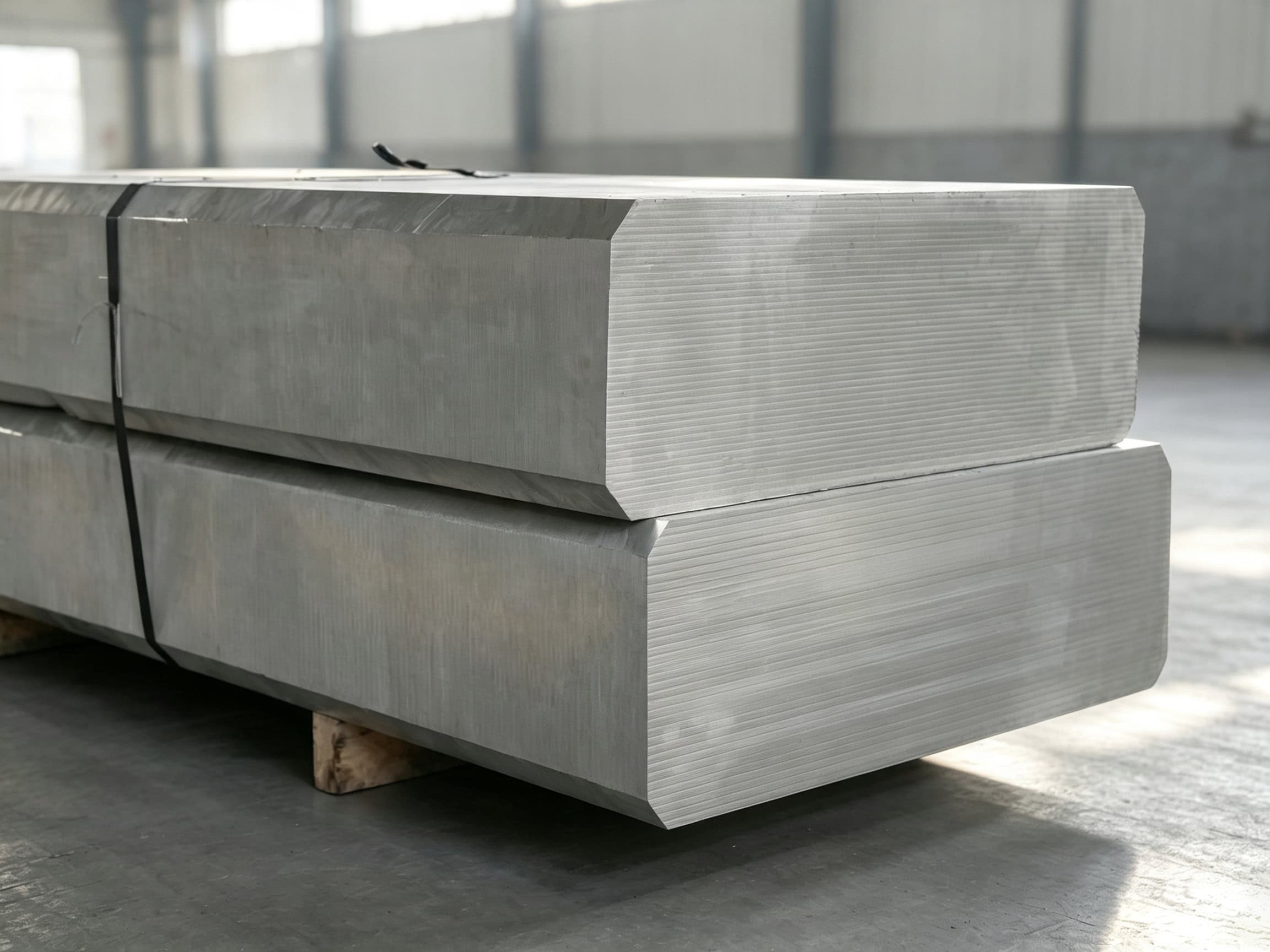

When design engineers evaluate magnesium alloys (AZ31B, ZK60, AZ91D) for aerospace, automotive, or robotics lightweighting, one critical question always arises: How do we prevent galvanic corrosion when bolting magnesium to aluminum, steel, or carbon fiber?
Magnesium has a highly negative standard electrode potential ($-2.37\text{ V}$ vs. SHE). Consequently, when magnesium comes into direct electrical contact with a nobler metal in the presence of an electrolyte (such as moisture or road salt), magnesium acts as the sacrificial anode. However, with proper engineering design—including compatible fastener selection, non-conductive isolation washers, and ceramic Micro-Arc Oxidation (MAO) coatings—galvanic corrosion can be 100% prevented in severe industrial and marine environments.

1. The Galvanic Series: Understanding Potential Differences
Galvanic corrosion severity is primarily driven by the electrochemical potential difference ($\Delta V$) between mating materials. In general, potential differences exceeding $0.25\text{ V}$ in marine/outdoor environments require strict electrical isolation.
| Metal / Alloy Couple | Galvanic Potential (V vs. SCE in Seawater) | Potential Difference vs. Magnesium ($\Delta V$) | Galvanic Risk Level | Recommended Mitigation Strategy |
|---|---|---|---|---|
| Magnesium Alloys (AZ31B / AZ91D) | -1.60 to -1.65 V (Active Anode) | 0.00 V (Baseline) | Baseline | In-situ passivating / MAO coating |
| Aluminum 5000 / 6000 Series (6061, 5083) | -0.80 to -0.90 V | ~0.75 V | Low to Moderate | Compatible with chromate / sealant barrier |
| Zinc / Zinc-Nickel Coatings | -1.00 to -1.15 V | ~0.50 V (Lowest $\Delta V$) | Safest Fastener Plating | Direct contact safe with standard e-coat |
| Mild Carbon Steel / Bare Iron | -0.60 to -0.70 V | ~0.95 V | High | Requires thick zinc-nickel or isolation sleeve |
| Stainless Steel (304 / 316) | -0.05 to -0.15 V | ~1.50 V (Extreme) | Severe Galvanic Attack | Never direct contact; must use PTFE/nylon isolators |
| Carbon Fiber Composite (CFRP) | +0.10 to +0.20 V (Noble) | ~1.75 V (Maximum) | Extreme Galvanic Attack | Must use dielectric glass-fiber ply or MAO barrier |
2. Fastener Selection: What Bolts to Use with Magnesium
Selecting the correct bolt and washer combination is the single most effective way to eliminate assembly corrosion. Below are proven automotive and aerospace fastener standards:
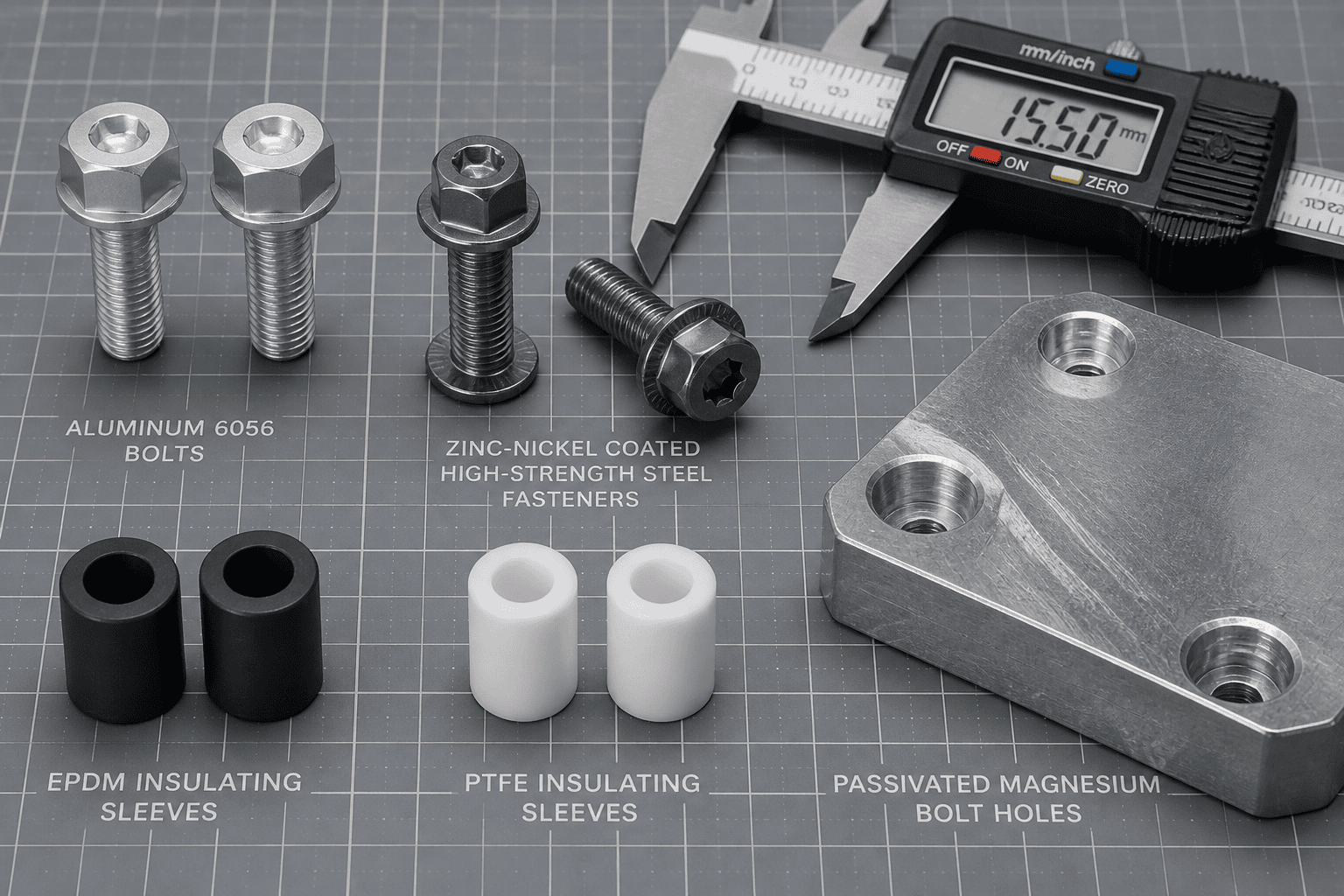
- High-Strength Aluminum Fasteners (Alloy 6056 / 7075-T73): Aluminum bolts are the gold standard for magnesium assemblies. Because the potential difference between magnesium and 6000-series aluminum is minimal, aluminum fasteners eliminate galvanic cell formation while delivering substantial additional weight savings.
- Zinc-Nickel (Zn-Ni) Plated Steel Fasteners (12–15% Ni): For high-clamp load structural joints, high-strength steel bolts must be plated with alkaline Zinc-Nickel plus an organic topcoat. Zinc-nickel provides sacrificial protection and withstands >1000 hours of ASTM B117 salt spray testing.
- Non-Conductive Isolation Washers & Top-Hat Bushings: When using stainless steel or titanium fasteners, engineers must specify dielectric isolating washers and flanged sleeves (top-hat bushings) manufactured from PTFE, Nylon 6/6, POM (Delrin), or vulcanized fiber to break electrical continuity.
- Avoid Bare Stainless Steel & Copper/Brass: Never use untreated 304/316 stainless steel bolts, brass inserts, or copper washers in direct contact with bare magnesium.
3. Multi-Material Joining: Magnesium to Aluminum, Steel & CFRP
In modern multi-material body-in-white (BIW) and drone chassis design, magnesium components are frequently joined to adjacent structural members. Follow these four golden engineering rules:
- Rule 1: Keep the Anode (Magnesium) Area Large Relative to the Cathode: A large magnesium plate bolted with small isolated fasteners experiences negligible galvanic current density. In contrast, never use a small magnesium bracket attached to a massive bare steel frame without isolation.
- Rule 2: Apply Dielectric Barrier Sealants: When joining magnesium to aluminum sheets or carbon fiber panels, apply a structural epoxy adhesive or non-conductive polyurethane sealant (e.g., DOW Betamate / Sikaflex) along the mating flange to completely exclude moisture ingress.
- Rule 3: Insert a Glass-Fiber (GFRP) Isolation Ply with CFRP: When co-curing or bolting magnesium brackets to carbon fiber reinforced polymer (CFRP), insert a single non-conductive E-glass fiber prepreg ply ($0.1-0.2\text{ mm}$) at the interface to prevent carbon-magnesium electron transfer.
- Rule 4: Design Self-Draining Geometries: Avoid water-trapping crevices, blind pockets, and horizontal ledges where electrolyte can pool. Incorporate drain holes and maintain generous radii ($R \ge 1.5\text{ mm}$).
4. Advanced Surface Coatings: Micro-Arc Oxidation (MAO / PEO)
Surface treatment transforms magnesium from an active metal into an inert, highly corrosion-resistant engineering component:

- Micro-Arc Oxidation (MAO / PEO): In-situ plasma discharge converts the magnesium substrate into an ultra-dense ceramic crystalline coating (predominantly $\text{MgAl}_2\text{O}_4$ spinel and $\text{MgO}$). MAO provides exceptional dielectric insulation ($>500\text{ V}$ breakdown voltage), 500–1000+ hours ASTM B117 salt spray resistance, and extraordinary surface hardness ($>450\text{ HV}$).
- Automotive Cathodic Electro-Deposition (E-Coat): Following chemical passivation or MAO pre-treatment, epoxy E-coat provides uniform $15-25\,\mu\text{m}$ coverage over complex deep cavities, preventing crevice corrosion.
- Chemical Passivation & Anodizing: Environmentally compliant trivalent chromium passivation (TCP) provides low contact resistance grounding while establishing a robust paint adhesion primer.
5. Engineering Summary & 24-Hour Custom Manufacturing RFQ
Galvanic corrosion in magnesium assemblies is completely manageable through sound engineering practices: specify zinc-nickel or aluminum fasteners, insert dielectric isolation washers, seal mating flanges, and apply ceramic MAO coatings.
Miji Magnesium provides complete, end-to-end design and manufacturing support. Our capabilities include ASTM B90/B107 certified raw materials, 5-axis CNC machining, in-house Micro-Arc Oxidation (MAO) surface treatment, and multi-material assembly validation.
Get Expert DFM Review & Factory Quote: Upload your CAD assembly drawings (STEP, IGES, DXF) to our engineering team at Precision CNC Machining Service or explore our certified stock at Magnesium Alloy Plates, Extruded Magnesium Bars, and Magnesium Extrusions.