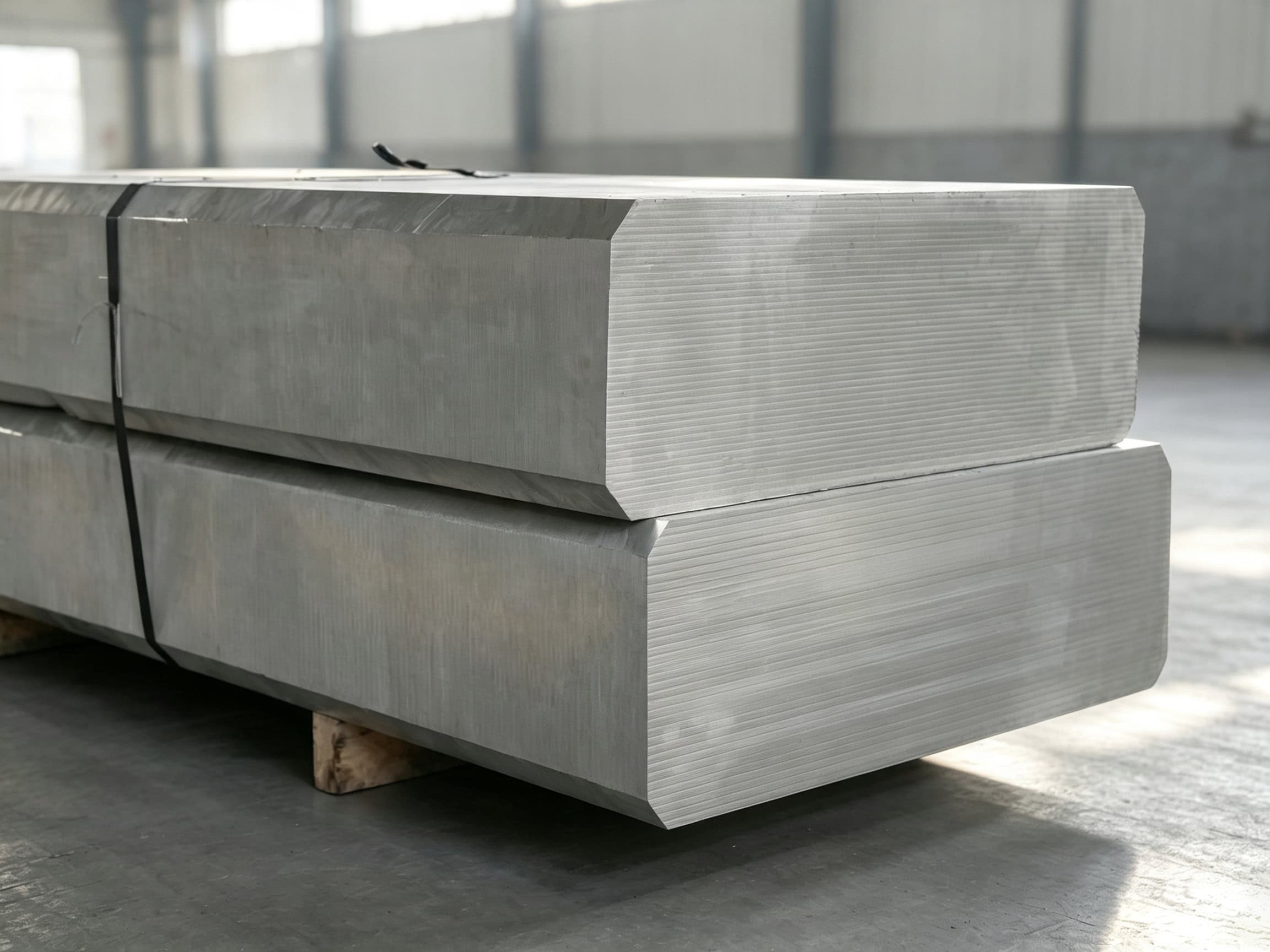

Magnesium alloy extrusions are a good fit for lightweight tubes, thin-wall sections, and custom profiles. They are about one-third lighter than aluminum and offer good vibration damping. The right alloy and profile still depend on the part’s strength, wall thickness, and corrosion requirements.
However, successful magnesium extrusion requires careful alloy selection, precise die tooling, and strict process control. Specifically, extrusion ratio, billet temperature, and ram speed dictate surface quality and mechanical properties. This comprehensive guide covers key extrusion alloys (AZ31B, ZK60, AZ80A), die design principles, ASTM B107 tolerances, and post-extrusion CNC machining.
1. Key Magnesium Extrusion Alloys: AZ31B vs. ZK60 vs. AZ80A
Choosing the right extrusion alloy depends on the balance between extrusion speed, weldability, and mechanical strength. Below is a comparison of standard wrought magnesium extrusion grades:
| Alloy Grade | Standard Temper | Yield Strength (MPa) | Tensile Strength (MPa) | Elongation (%) | Extrudability & Key Applications |
|---|---|---|---|---|---|
| AZ31B | F / T5 | 180 – 220 | 260 – 290 | 12% – 18% | High extrudability; excellent weldability; drone arms, bicycle tubes, electronic chassis |
| ZK60 / ZK60A | T5 / T6 | 280 – 320 | 330 – 360 | 8% – 12% | Ultra-high strength; aerospace structural beams, robotic arm linkages, sports equipment |
| AZ80A | T5 / T6 | 240 – 275 | 320 – 350 | 6% – 10% | High fatigue strength; automotive crash rails, forged-extrusion structural components |
| AZ61A | F | 200 – 240 | 280 – 310 | 10% – 15% | Balanced general-purpose structural profiles, conveyor rails, architectural trims |
2. Custom Profiles, Hollow Tubes & Die Design Engineering
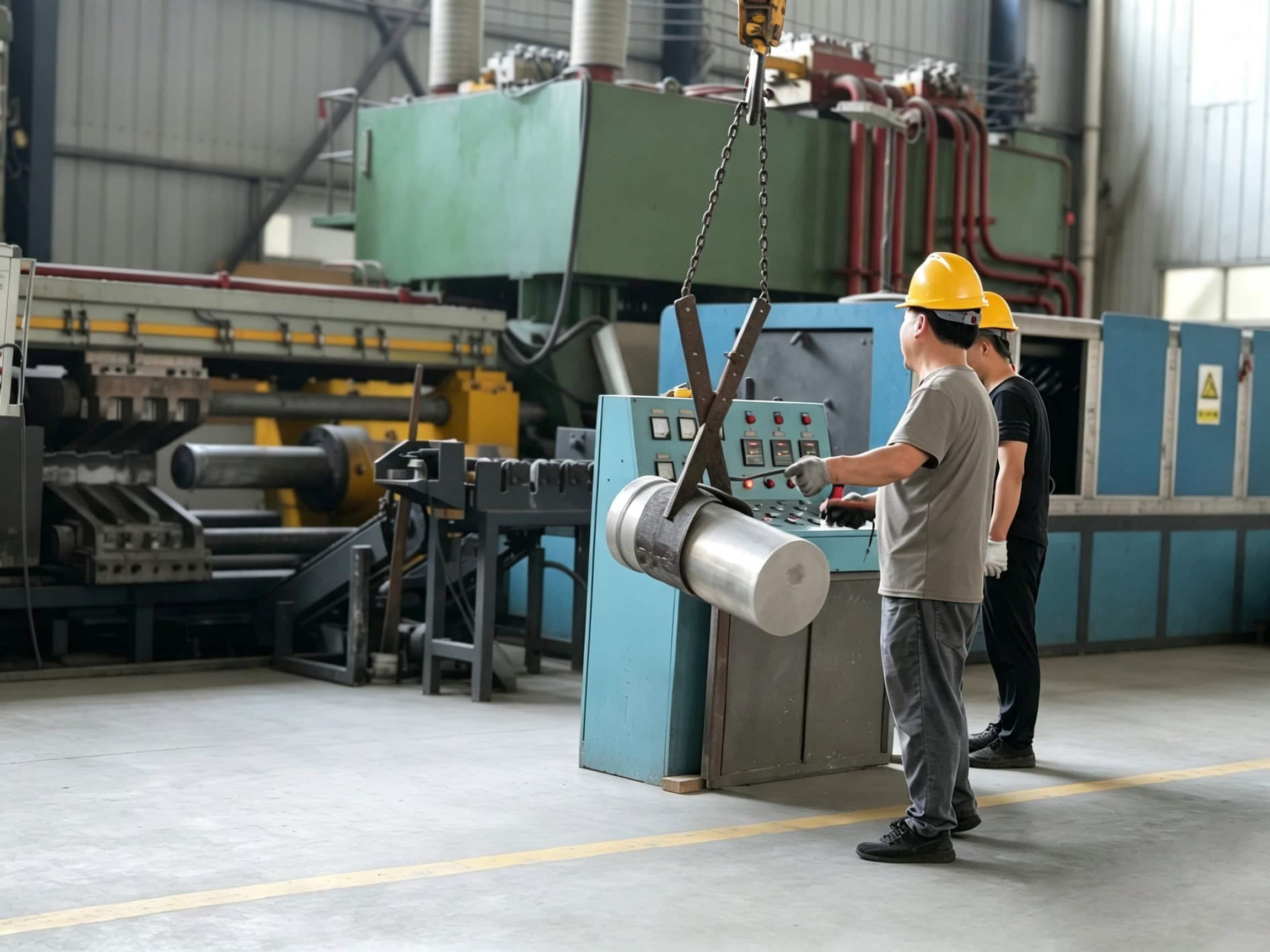
Magnesium has a hexagonal close-packed (HCP) crystal structure at room temperature. Therefore, it requires heated hot extrusion at 360°C to 420°C. Modern extrusion tooling enables three distinct profile categories:

- Solid Geometric Profiles: T-slots, angle bars, channels, and interlocking structural ribs. Wall thickness can reach down to $1.2\text{ mm}$ with uniform dimensional stability.
- Seamless Hollow Tubes: Manufactured using porthole or bridge dies for symmetrical round, oval, or rectangular cross-sections. Seamless tubes eliminate axial weld seams, maximizing burst pressure resistance.
- Multi-Cavity Complex Extrusions: Internal reinforcement webs enhance torsional and bending stiffness. As a result, multi-cavity profiles serve as lightweight EV battery side rails and robot gantry beams.
- Die Design Considerations: Porthole die geometry must maintain adequate weld chamber pressure to achieve complete metallic bonding at the seam welds. In addition, generous fillet radii ($R \ge 0.5\text{ mm}$) prevent stress concentrations and tearing.
3. ASTM B107 Manufacturing Tolerances & Quality Standards
All precision magnesium extruded bars, rods, profiles, and tubes from Miji Magnesium strictly conform to ASTM B107/B107M standards. Below are the standard dimensional tolerance thresholds:

| Inspection Dimension | Nominal Dimension Range | ASTM B107 Standard Tolerance | Miji Precision Tolerance |
|---|---|---|---|
| Outer Diameter / Width | 10 mm – 50 mm | ±0.30 mm | ±0.10 mm |
| Wall Thickness | 1.5 mm – 6.0 mm | ±10% nominal | ±0.08 mm |
| Straightness (Bow) | Per 1,000 mm length | 1.0 mm / m | ≤0.5 mm / m |
| Twist Angle | Per 1,000 mm length | 1° / m | ≤0.5° / m |
| Cut-to-Length Tolerance | Standard cut (up to 6,000 mm) | ±3.0 mm | ±0.5 mm (Precision saw) |
4. Secondary Processing: Precision CNC Machining & Surface Treatment
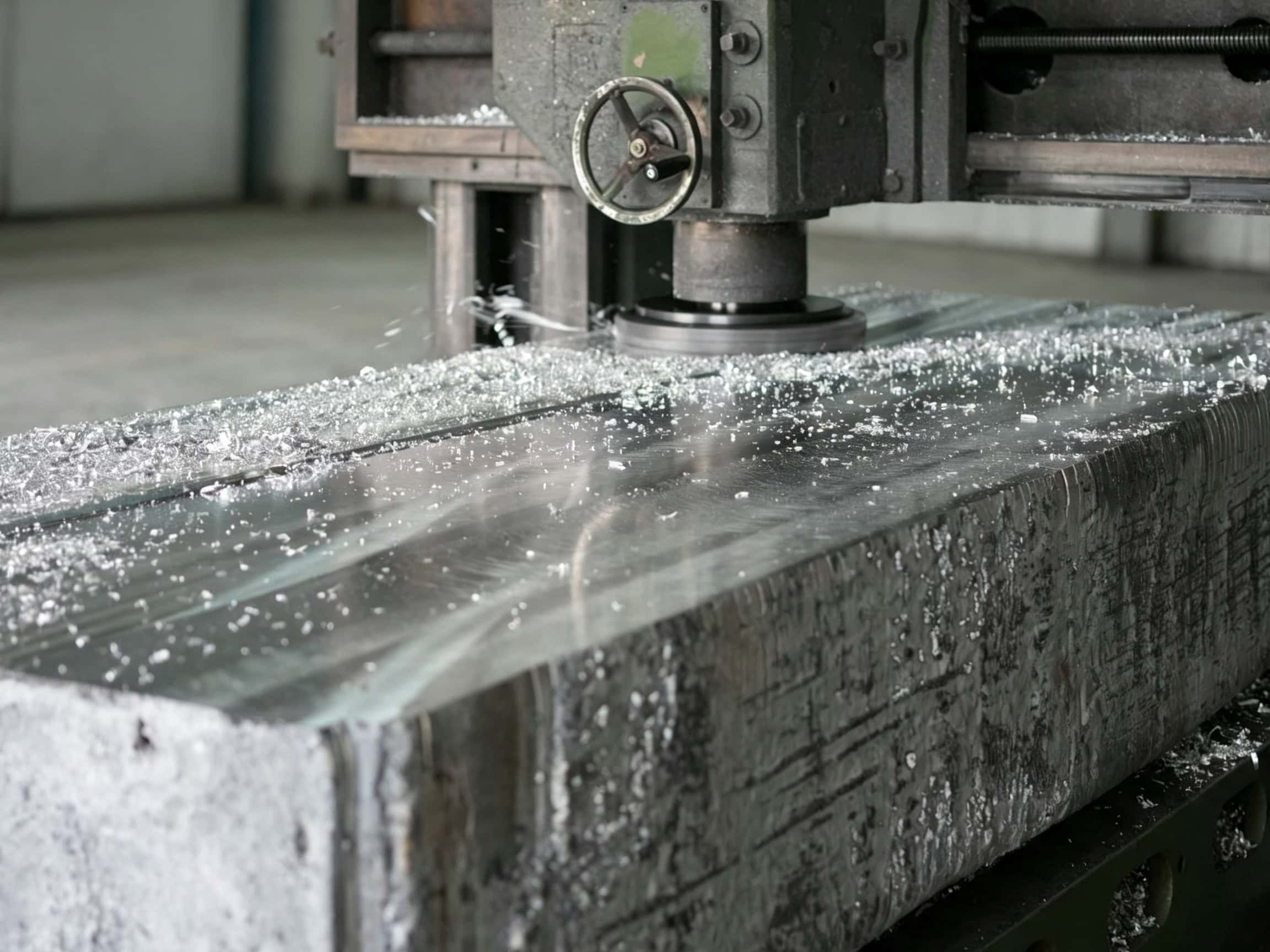
Extruded magnesium profiles often serve as the raw blanks for high-precision end products. Miji Magnesium integrates in-house secondary processing:
- 5-Axis CNC Milling & Drilling: Extruded profiles undergo high-speed drilling, slotting, tapping, and contour milling at cutting speeds exceeding $1,500\text{ m/min}$.
- Micro-Arc Oxidation (MAO / PEO): Converts the extruded surface into a ceramic dielectric barrier ($15-25\,\mu\text{m}$), passing 500+ hours of ASTM B117 neutral salt spray testing.
- Anodizing & Electrophoretic Coating (E-Coat): Provides sleek matte metallic finishes in black, silver, and gold with complete chemical corrosion resistance.
- Cut-to-Size & Chamfering: Automated CNC precision sawing ensures clean, burr-free end faces ready for direct robotic assembly.
5. Custom Tooling & 24-Hour Factory RFQ
Whether you require standard ASTM B107 round tubes, rectangular hollow bars, or custom multi-cavity extruded profiles, Miji Magnesium offers comprehensive tooling development and extrusion manufacturing.
We provide rapid mold fabrication (7–12 days for custom dies), sample extrusion verification, and full EN 10204 Type 3.1 MTC inspection certification.
Request a Custom Extrusion Quote & Tooling Review: Upload your 2D/3D CAD drawings (STEP, DWG, DXF) to our engineering team at Magnesium Extrusions Profile Service or explore our certified stock at Magnesium Tubes & Pipes and Precision CNC Machining Service.