

You can see big differences in copper foil, copper sheet, and copper plate when you check how thick they are. Here is how people in the industry describe each type:
| Type of Copper | Thickness Range |
|---|---|
| Copper Foil | Up to about 0.0079″ |
| Copper Sheet | 0.008″ to 0.0125″ |
| Copper Plate | Thicker than 0.0125″ |
How thick the copper is makes a difference in how you use it. Thicker copper is stronger and can carry more electricity, but it does not bend easily. Thinner copper bends and shapes easily, but it is not good for tough jobs. Choosing the right type helps you do your project well and saves you from making expensive mistakes.
Key Takeaways
- Copper foil is the thinnest copper. It bends very easily. People use it for crafts and electronics. It is good because it is flexible.
- Copper sheet is stronger than foil but still bends. It is good for roofs, art, and building things. It works well because it is strong and flexible.
- Copper plate is the thickest and strongest copper. It is best for heavy jobs. People use it for electrical busbars and big machines.
- Always pick the right copper type for your project. This helps your work last longer and work better.
- Check the thickness and quality before you buy copper. This helps you not make expensive mistakes.
Copper Thickness Ranges
Copper Foil Thickness
You will find that copper foil is the thinnest form of copper you can buy. Manufacturers usually make copper foil with a thickness up to about 0.0079 inches. Industry standards, such as IPC-4562, set strict rules for how even and consistent this thickness must be. For example, copper foil used in electronics must have a thickness variation of only about ±5% to ±8%. Some advanced uses, like high-frequency circuit boards, require even tighter control. You might see copper foil measured in ounces or mils. For instance, a common copper foil for printed circuit boards is one ounce per square foot, which equals about 0.0014 inches thick. This thin material bends easily and works well for crafts, electronics, and detailed projects.
Tip: When you choose copper foil, always check the thickness tolerance. This helps you avoid problems in your project, especially if you need precise results.
Copper Sheet Thickness
Copper sheet is thicker than foil but still thin enough for you to cut and shape by hand or with simple tools. The typical thickness for copper sheet ranges from 0.008 inches to 0.0125 inches. You will often see copper sheet used in construction, art, and manufacturing. For example, a 0.008-inch sheet works well for home improvement or light construction. A 0.010-inch sheet is common in HVAC and electrical work. Thicker sheets, like 0.016 inches, are popular for sculpture and jewelry. The extra thickness gives copper sheet more strength than foil, but you can still bend and form it for many creative or practical uses.
- Copper sheet: 0.008 to 0.0125 inches thick
- Used for roofing, backsplashes, crafts, and more
Copper Plate Thickness
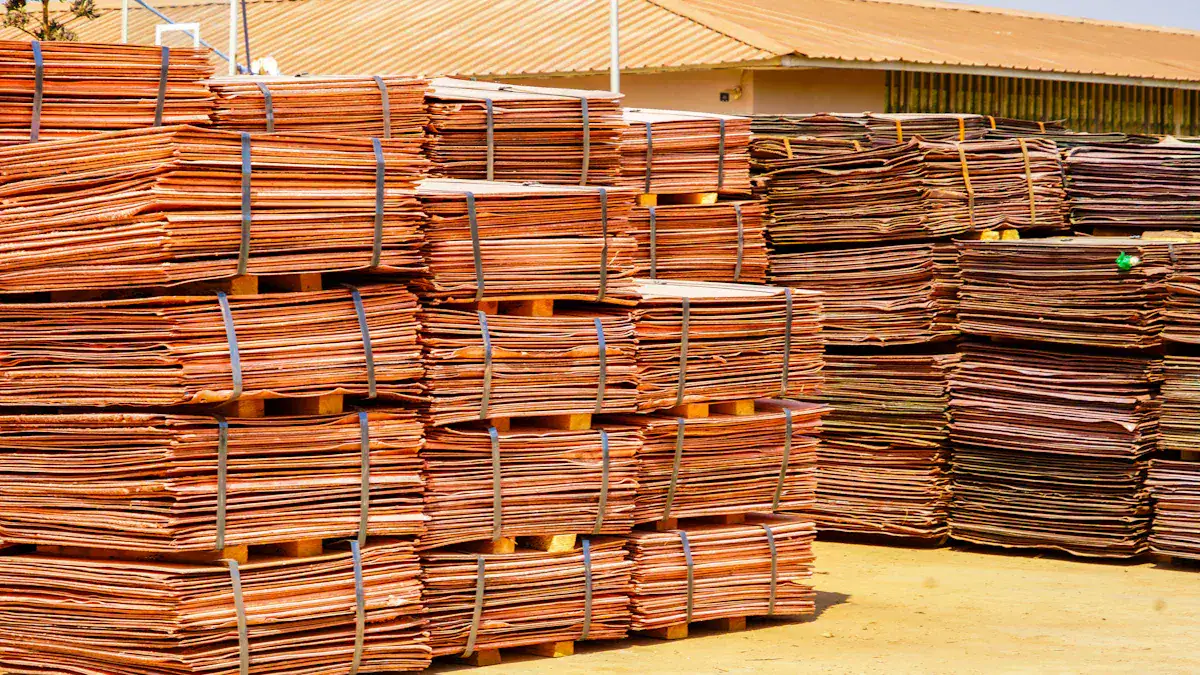
Copper plate is the thickest type you will find. Anything thicker than 0.0125 inches counts as copper plate. You will notice that copper plate feels much heavier and stiffer than foil or sheet. This extra thickness makes copper plate strong enough for heavy-duty jobs. You might use copper plate for industrial parts, electrical bus bars, or machine components. Because copper plate does not bend easily, you need special tools to cut or shape it. The strength and durability of copper plate make it the best choice for projects that need to handle a lot of weight or stress.
Practical Impact of Thickness
The thickness of copper changes how you can use it. Thicker copper, like plate, gives you more strength and can carry more electricity without overheating. This is important if you build something that needs to last a long time or handle a lot of power. For example, a thick copper plate can carry several amps of current, making it perfect for power supplies or industrial machines. Thinner copper, like foil or sheet, bends and shapes easily. You can use it for crafts, detailed work, or places where you do not need much strength.
- Thicker copper sheets and plates work best for high-traffic or load-bearing jobs.
- Thinner copper sheets and foils are better for bending, embossing, or detailed designs.
You should always match the copper thickness to your project. If you need something strong and durable, choose a thicker copper plate or sheet. If you want to make art or need to wrap copper around something, use foil or a thin sheet. The right thickness helps your project work better and last longer.
Common Uses of Copper Sheet, Foil, and Plate

Copper Foil Applications
Copper foil is used in many cool projects. People use it in printed circuit boards because it carries electricity well. It is easy to bend and shape. Copper foil is also found in lithium-ion batteries. It helps store and move energy. Engineers use copper foil to block unwanted signals. It moves heat away from important parts. Artists use copper foil in stained glass. It joins pieces and adds decoration.
- Used in PCBs for electronics
- Helps in lithium-ion batteries
- Shields against electromagnetic interference
- Moves heat in electronics
- Joins and decorates stained glass
Tip: Pick copper foil if your project needs something light, flexible, or detailed.
Copper Sheet Applications
Copper sheet is strong and flexible. You see it on roofs with different slopes. Builders use copper sheet for soffits, fascias, flashings, gutters, and downspouts. Artists use copper sheet to cover walls or make cool designs. At home, copper sheet works for backsplashes, countertops, and range hoods. It is tough and easy to shape. People like it for art and practical jobs.
- Roofing and architectural details
- Wall cladding and decorative panels
- Backsplashes and countertops
- Art and craft projects
Copper sheet can last a very long time on a roof. It makes buildings look special.
Copper Plate Applications
Copper plate is best for big jobs. It is used in electrical engineering for busbars, terminals, and connectors. It carries lots of electricity. Builders use copper plate for roofing and cladding. It gives extra strength and keeps out bad weather. Industrial machines use copper plate in heat exchangers and electroplating. It spreads heat well. Shipbuilders use copper plate to cover hulls. It stops sea life from sticking. Mechanical engineers use copper plate for gears, couplings, and fasteners.
- Electrical busbars and connectors
- Industrial heat exchangers
- Shipbuilding and marine parts
- Heavy machinery components
Thick copper plate does not bend easily. It stays strong under heavy loads.
Comparing Uses Across Types
| Product Type | Typical Uses | Best For |
|---|---|---|
| Copper Foil | PCBs, batteries, shielding, stained glass, crafts | Flexible, detailed projects |
| Copper Sheet | Roofing, art, backsplashes, panels, busbars | Versatile, strong, decorative |
| Copper Plate | Busbars, machinery, ship hulls, heat exchangers | Heavy-duty, structural, durable |
Pick copper foil for electronics or crafts that need thin, bendable material. Copper sheet is good for building, art, or home jobs where you want strength and style. Choose copper plate if you need something that can handle lots of weight, heat, or tough conditions.
Physical Properties Comparison
Flexibility and Malleability
You will notice big differences in how copper foil, sheet, and plate bend and shape. Copper foil bends with your fingers. You can fold it, twist it, or cut it with scissors. This makes copper foil perfect for crafts, electronics, and detailed work. Copper sheet is thicker, so you need a bit more force to bend it. You can still shape it with hand tools. Copper plate feels stiff and strong. You cannot bend it by hand. You need special machines to shape copper plate.
Here is a quick look at how each type works in real projects:
| Type | Thickness Range | Applications |
|---|---|---|
| Copper Foil | Up to 0.0079″ | EMI/RFI shielding, crafts, electronics |
| Copper Sheet | 0.008″ to 0.0125″ | Roofing, decorative panels, electrical busbars |
| Copper Plate | Thicker than 0.0125″ | Structural applications, heavy-duty electrical components |
Tip: If you want to make something with lots of curves or folds, choose copper foil or a thin sheet.
Strength and Durability
Copper plate stands out for strength and durability. You can use copper plate in places that need to handle heavy loads or tough weather. It does not bend or break easily. Copper sheet gives you a good balance. It is strong enough for roofs and panels, but you can still shape it. Copper foil is not strong. It tears if you pull too hard. You should use foil for light jobs only.
- Copper plate: Best for heavy-duty and outdoor use
- Copper sheet: Good for building and art
- Copper foil: Best for crafts and electronics
Handling and Workability
You will find copper foil easy to handle. You can cut it with scissors and stick it to surfaces. Copper sheet needs tin snips or a metal shear. You can still work with it at home. Copper plate needs power tools or special machines. It is heavy and hard to move. If you want a material that is easy to shape and install, pick foil or sheet. If you need something that will not bend, use plate.
Note: Always wear gloves when you work with copper. The edges can be sharp.
How to Choose the Right Copper Material
Matching Material to Project Needs
You should always match your copper material to your project’s needs. Start by thinking about what you want to build. Ask yourself these questions:
- Does your project need to follow local building codes?
- Will you use the copper inside or outside?
- Do you need the copper for hot or cold water, or for something else?
- How much time do you have to finish the project?
- What do you expect the copper to look like when finished?
You also need to think about the copper’s thickness, width, and density. Thicker copper carries more electricity and lasts longer, but it is harder to bend. Wider pieces cover more area but may be harder to handle. High-density copper gives you more strength and better temperature resistance.
Tip: For electrical work, pick thicker copper for better conductivity. For crafts or art, use thinner copper that bends easily.
Cost and Availability
You should check the price and supply before you buy copper. Copper foil usually costs less than sheet or plate. You can find foil in most craft stores. Copper sheet costs more, but you can buy it at hardware stores or online. Copper plate is the most expensive and may need a special order.
| Type | Cost Level | Where to Buy |
|---|---|---|
| Copper Foil | Low | Craft stores, online |
| Copper Sheet | Medium | Hardware, online |
| Copper Plate | High | Metal suppliers, online |
Think about the total cost, not just the price per piece. You may need special tools or extra labor for thick copper.
Sourcing Tips and Mistakes to Avoid
You should always buy copper from trusted sellers. Ask for details about thickness and quality. Check if the copper meets industry standards. Avoid buying copper that looks scratched or bent unless you need it for art.
Common mistakes include:
- Picking copper that is too thin for heavy jobs
- Forgetting to check local code requirements
- Not planning for the tools you need to cut or shape the copper
Note: Always measure twice before you buy. This helps you avoid waste and saves money.
Expert Insights and Data
Industry Standards Overview
You need to know that copper foil, sheet, and plate must follow certain rules. These rules make sure you get good quality every time. For copper foil, the IPC-4562 standard tells how thick, smooth, and bendy it should be. Copper sheet and plate usually follow ASTM B152/B152M. This rule checks what is in the copper, how strong it is, and how thick it can be. You can ask your seller for papers that prove these rules are met. This helps you avoid mistakes in your project.
Tip: Always see if your copper follows the right rule before you buy. This keeps your project safe and saves money.
Case Studies and Examples
You can see why picking the right copper is important. For example, an electronics company used copper foil in their circuit boards. The thin foil helped them make small, bendy circuits for wearable gadgets. A roofing worker chose copper sheet for an old building. The sheet made the roof look classic and last a long time. In a factory, workers used copper plate for busbars. The thick plate carried lots of electricity without getting too hot.
- Electronics: Copper foil for bendy circuits
- Construction: Copper sheet for strong, nice roofs
- Industry: Copper plate for tough, safe busbars
These stories show you should pick the copper that fits your project.
Data Comparison Table
You can use this table to quickly compare copper foil, sheet, and plate:
| Property | Copper Foil | Copper Sheet | Copper Plate |
|---|---|---|---|
| Thickness Range | Up to 0.0079″ | 0.008″–0.0125″ | Over 0.0125″ |
| Flexibility | Very high | Moderate | Low |
| Strength | Low | Medium | High |
| Common Uses | PCBs, crafts | Roofing, art | Busbars, machines |
| Cost | Low | Medium | High |
This table makes it easy to choose the right copper for your project.
You now know how copper foil, sheet, and plate differ. Copper foil bends easily for crafts and electronics. Copper sheet gives you strength for art and building. Copper plate handles heavy jobs and lasts a long time.
Quick Checklist:
- Need flexibility? Choose foil.
- Want balance? Pick sheet.
- Require strength? Go with plate.
Always match your copper to your project’s needs. For more details, check supplier guides or industry standards online.
FAQ
What is the main difference between copper foil, sheet, and plate?
You see the biggest difference in thickness. Copper foil is very thin. Copper sheet is thicker. Copper plate is the thickest. Each type works best for different jobs.
Can you cut copper foil, sheet, and plate at home?
You can cut copper foil with scissors. You use tin snips for copper sheet. Copper plate needs power tools. Always wear gloves to protect your hands.
Which copper type should you use for electrical projects?
You should use copper plate or thick sheet for electrical work. These types carry more electricity and last longer. Copper foil works for small circuits.
Is copper easy to bend and shape?
Copper foil bends easily. You can shape it with your fingers. Copper sheet bends with hand tools. Copper plate does not bend without machines.