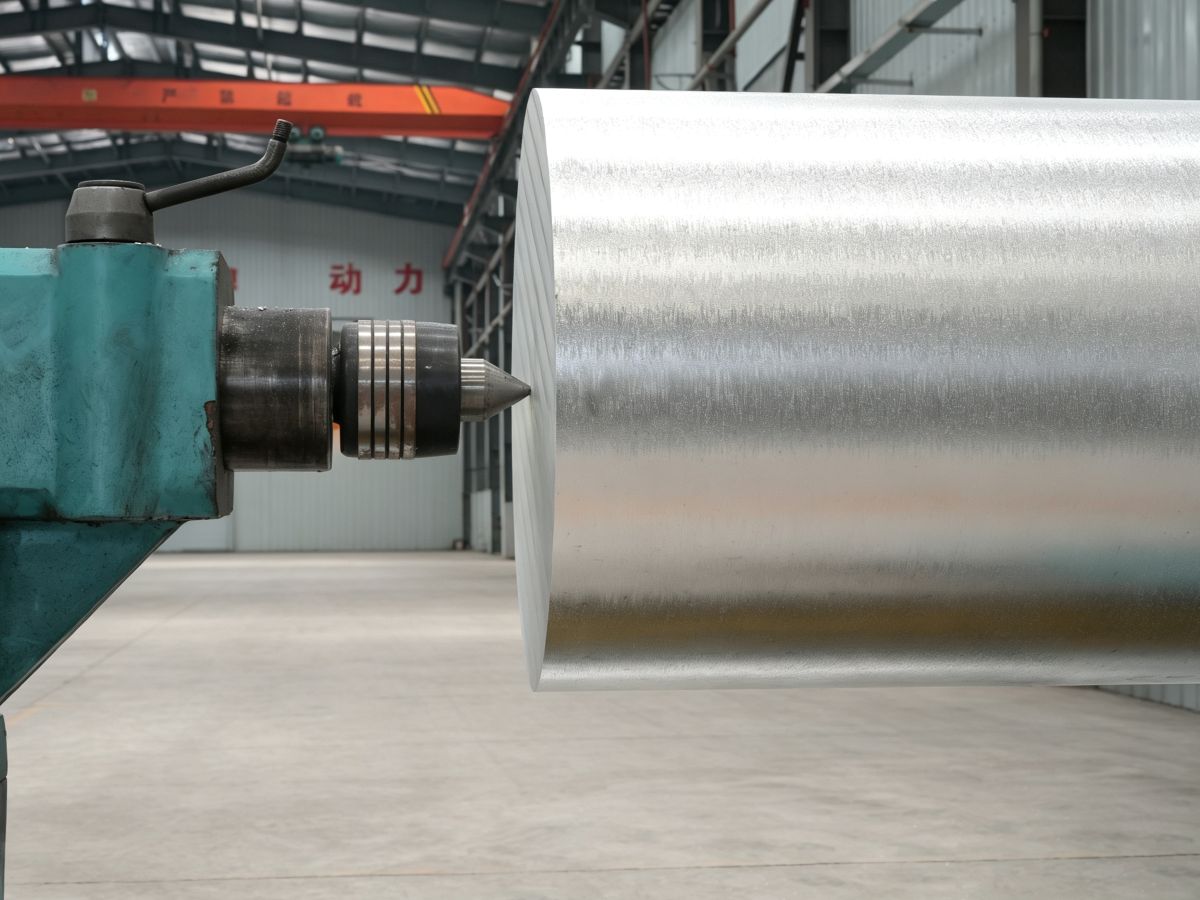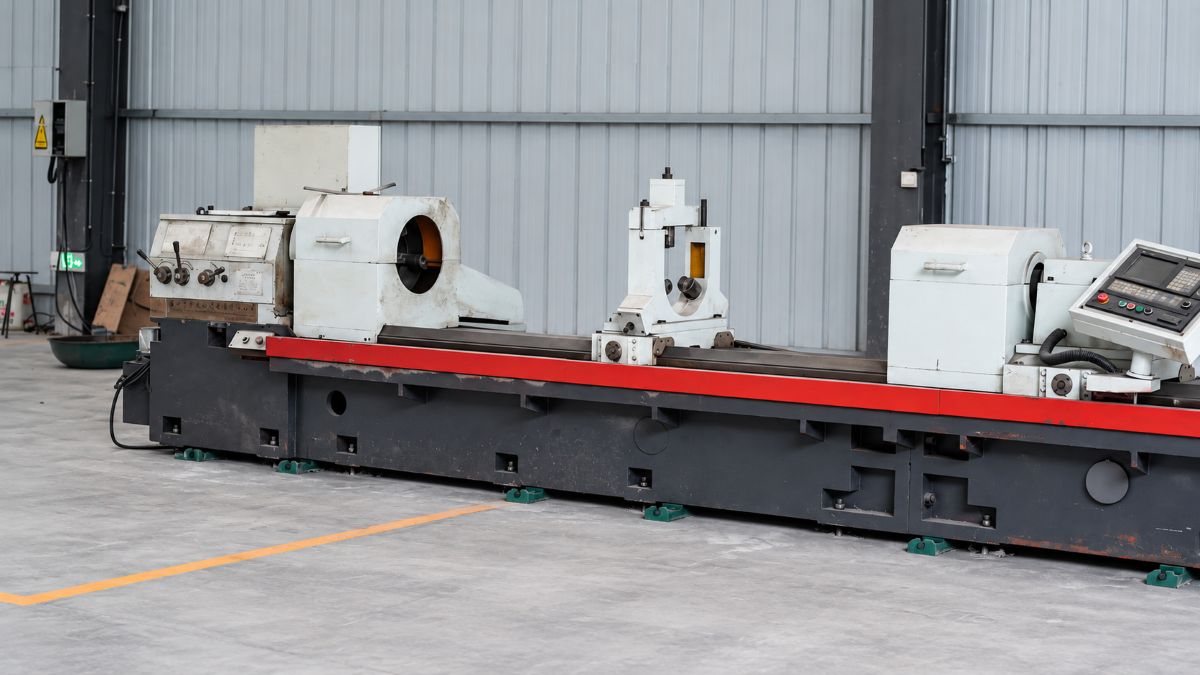

You want to know the difference between Precision CNC Turning vs. CNC Milling. Turning spins the material while a cutting tool shapes it. Milling moves the cutting tool around a stationary part. Your choice depends on the shape, size, and number of parts you need. Picking the right method saves time and money. Let’s make your project a success.
Key Takeaways
- CNC turning works best for making round parts fast and precise. Pick it if you need to make many cylinder-shaped items.
- CNC milling is great for making shapes with flat or slanted sides. Use it for designs with lots of details or for small groups of parts.
- Think about the shape and material of your part before you choose a machining process. Round parts are better for turning. Milling is better for tricky shapes.
- Both CNC turning and milling can make really good parts. But turning usually costs less for simple shapes.
- Using both CNC turning and milling can make parts more exact and save time. This is helpful for projects with different shapes.
CNC Turning Explained
How CNC Turning Works
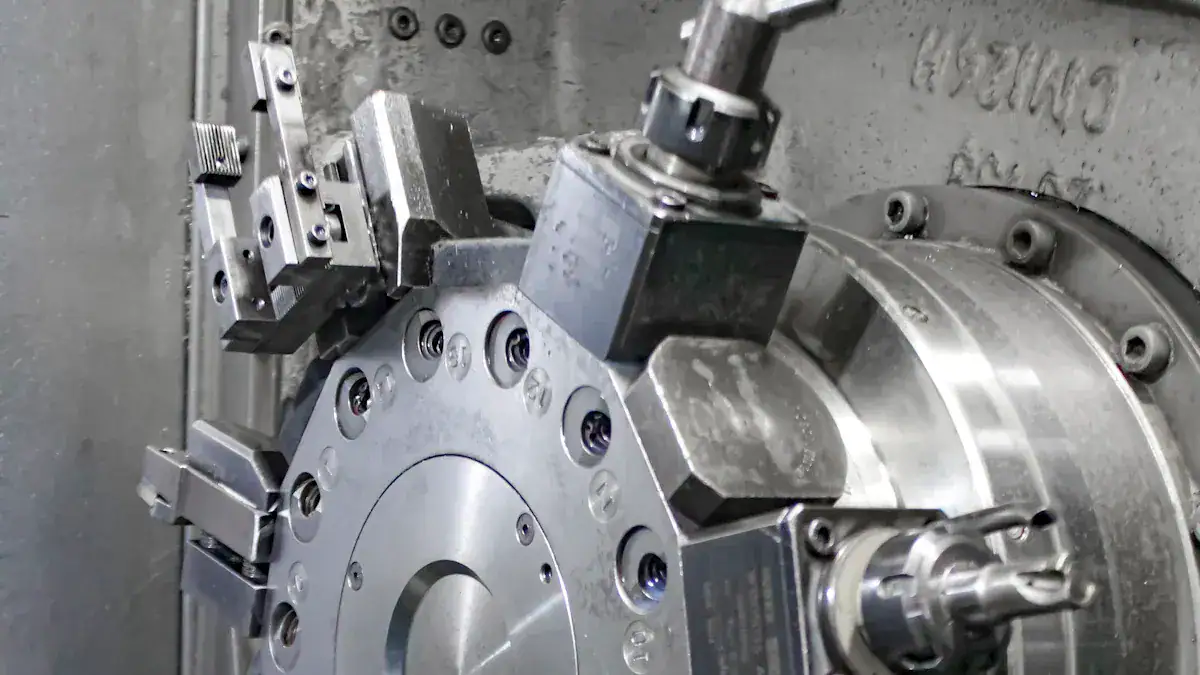
CNC turning helps you make round parts with exact sizes. The machine is called a computer-controlled lathe. You put a piece of metal or plastic in the machine. The material spins very fast inside. A cutting tool does not move. It cuts the spinning material to the right size. CNC turning is different from milling. In turning, the part spins but the tool stays still. The machine keeps cutting until the part is shaped right. This method makes round parts very accurate.
- CNC turning spins the part very fast.
- The cutting tool stays in one place and cuts.
- The process shapes the part into a perfect cylinder.
Best Applications for CNC Turning
Many industries use CNC turning. It helps make parts for cars, machines, and electronics. You can use it for engine parts, speaker pieces, and boat hardware. This method is good for making things that are round or the same all around.
| Industry | Examples of Parts Produced |
|---|---|
| Automotive | Engine parts, transmission pieces |
| Industrial | Machine parts, fixtures |
| Audio & Video | Speaker parts, microphone pieces |
| Defense & Military | Weapon parts, tactical gear |
| Marine | Boat hardware, propeller shafts |
| Telecommunications | Antenna pieces, connector covers |
| Agriculture | Equipment parts, irrigation pieces |
| Instrumentation | Sensors, gauges |
| Consumer Products | Home items, appliances |
| Electronics | Circuit board parts, cases |
| Fluid Power | Hydraulic parts, valves |
- Aerospace: Parts for planes and spaceships
- Heavy Equipment: Pieces for big machines
- Medical: Tools for surgery and implants
Pros and Cons of CNC Turning
CNC turning has many good points. It works fast for round shapes. You can get very exact sizes for the diameter. It is great for making lots of round parts. There are some problems too. You can only make parts that are round or the same all around. The tool can wear out and make parts less exact over time.
| Advantages | Disadvantages |
|---|---|
| Fast for round shapes | Only for round or even shapes |
| Very exact diameters | Tool can wear out and lose accuracy |
Tip: Pick CNC turning if you need round parts and high accuracy. If your part has a tricky shape, you should try milling.
CNC Milling Overview
How CNC Milling Works
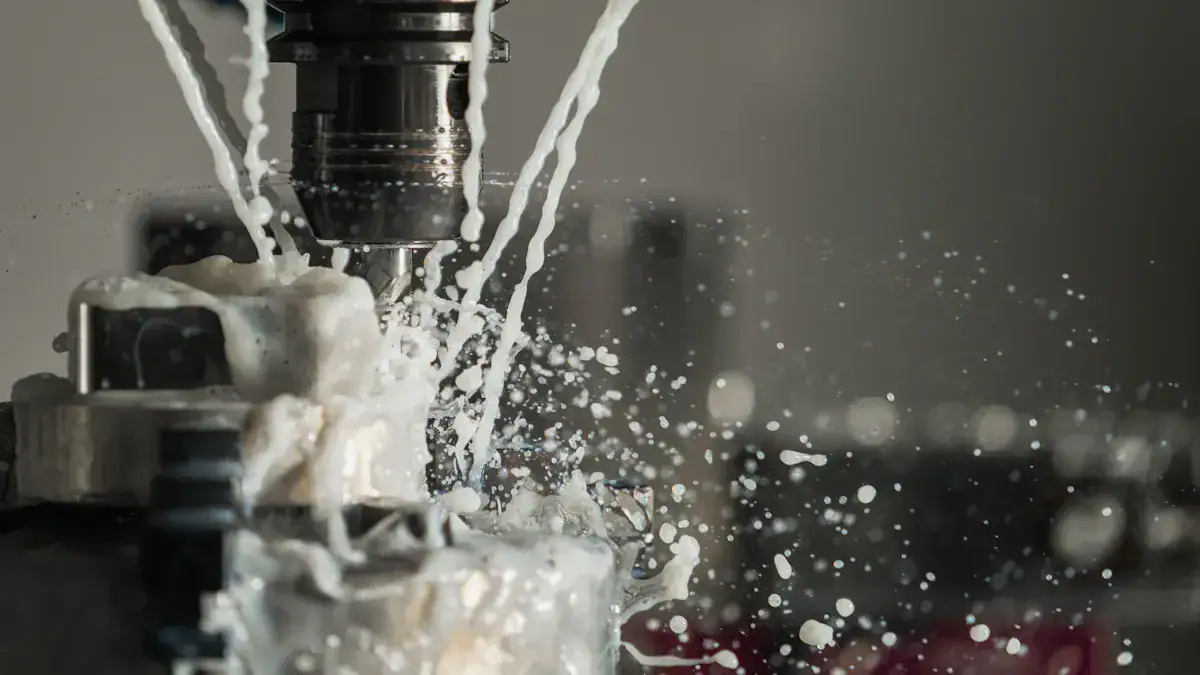
You use CNC milling to make parts with flat or angled sides. The machine holds your workpiece in one spot. The milling cutters spin very fast and move over the part. These cutters take away material to make the shape you want. CNC milling uses tools with many cutting points. This means you can cut in different ways. You can pick face milling, end milling, or drilling. CNC milling lets you make more shapes than CNC turning.
- The workpiece does not move.
- The milling cutters spin and travel on many paths.
- You can create flat, slanted, or curved sides.
- CNC milling can use 5-axis milling for hard shapes.
Best Applications for CNC Milling
CNC milling is used in many fields that need exact and tricky parts. You see it in cars, planes, hospitals, and electronics. It helps make engine parts, plane pieces, and medical implants. CNC milling is also good for custom car parts and special products. The table below shows where CNC milling is used:
| Industry | Applications |
|---|---|
| Automotive | Engine parts, transmission systems, custom car parts |
| Aerospace | Plane parts that need high accuracy |
| Healthcare | Medical tools, implants, surgery tools |
| Military | Gun parts, space parts, radar systems |
| Electronics | Cases for chips |
| Energy | Power system parts |
| Defence | Military gear |
| Consumer Goods | High-quality daily products |
Note: CNC milling helps you follow strict safety rules. It also lets you try new designs fast.
Pros and Cons of CNC Milling
CNC milling has many good points for making things. You get very exact and accurate parts. The process works with lots of materials and can make many parts at once. You can use 5-axis milling for hard shapes. CNC milling works well with CAD/CAM software, so you can change designs easily.
| Advantages | Disadvantages |
|---|---|
| Very exact and accurate | Costs a lot to set up |
| Makes more parts faster | Needs skilled workers and coders |
| Works with many materials | Can waste material and energy |
| Can use many axes for hard shapes | Costs more to fix and care for |
| Good for making many parts | Not easy to change fast |
You should know CNC milling can cost more at the start. It may also need skilled people to run the machines. Sometimes, you may see more waste than with other ways.
Precision CNC Turning vs. CNC Milling Comparison
Key Differences
It is important to know the main differences between precision cnc turning and cnc milling. Turning uses a spinning piece and a tool that does not move. Milling uses a spinning cutter and a part that stays still. Turning makes round parts. Milling makes flat, angled, or complicated shapes. Turning works best for shafts, rods, and tubes. Milling is good for molds, airplane parts, and machine assemblies.
- Turning makes parts that are round or the same all around.
- Milling makes parts with flat, curved, or slanted sides.
- Turning is quicker for round parts and big batches.
- Milling is better for tricky designs and small batches.
- Turning uses simple tools and machines.
- Milling needs pricier machines and many kinds of cutters.
You can save time and money if you pick the right process for your project. Turning gives you very exact round parts. Milling lets you make hard shapes with great detail.
Here is a table to help you see the main differences:
| Factor | CNC Turning | CNC Milling |
|---|---|---|
| Machining Method | Rotating material, fixed tool | Rotating cutter, stationary material |
| Typical Parts | Shafts, rods, tubes | Molds, assemblies, aerospace parts |
| Production Volume | Cost-effective for high volume | Best for low volume, complex shapes |
| Tooling Cost | Simpler, less expensive | Higher, more variety |
| Setup Time | Faster for simple parts | Longer for complex parts |
| Cycle Time | Fast for cylindrical parts | Varies with complexity |
| Labor Cost | Lower with automation | Needs skilled operators |
| Machine Cost | Less expensive | More versatile, higher cost |
| Quality Control | Focus on diameter and symmetry | Focus on shape and surface finish |
Similarities
There are many things that cnc turning and cnc milling share. Both use cnc machines to cut away material and make exact parts. You control the machines with computer programs. This helps you get very accurate and repeatable results. Both methods use automation to lower mistakes and keep workers safe. You get good parts with little waste.
- Both turning and milling take away material to shape parts.
- You use computer code to run the machines.
- Both give you exact and accurate parts.
- You can make more parts without losing quality.
- Both use steps like checking materials, checking programs, and setting up machines.
Using IoT with cnc machines lets you watch production as it happens. You can make things work better and know when to fix machines. This makes factories safer and more dependable.
Here are some ways to check quality in both turning and milling:
| Quality Control Measure | Description |
|---|---|
| Material Verification | Test raw materials for proper properties |
| Programming Validation | Review cnc programs for accuracy |
| Tooling Preparation | Prepare and calibrate cutting tools |
| Machine Calibration | Check machine setup for the job |
| Statistical Process Control | Use statistics to monitor and control the process |
| First Article Inspection | Test the first part to verify setup |
| In-Process Sampling | Sample parts during production to check quality |
You can use mill-turn machines to do both turning and milling in one place. This gives you more choices and better accuracy. You get the good points of both methods and fewer bad points. New turning and milling machines help you make parts that are very exact and look great.
Choosing the Right Machining Process
Part Geometry and Complexity
You need to look at the shape and details of your part before you pick a machining process. If your part has a round shape, like a shaft or a rod, cnc turning works best. This method handles parts with rotational symmetry. If your part has flat sides, curves, or many small features, cnc milling gives you more options. Milling can make both simple and complex 2D and 3D shapes. It also works well for parts with tricky inside or outside features.
Here is a table to help you match your part’s features to the right process:
| Feature Type | CNC Turning | CNC Milling |
|---|---|---|
| Rotational Symmetry | Ideal for parts like shafts and rods | Better for complex shapes and curves |
| 2D vs. 3D Features | Can create some 2D features | More versatile for complex 2D and 3D features |
| Internal vs. External Features | Efficient for external cylindrical features | Can create complex external shapes and internal features |
| Feature Size and Complexity | Efficient for large, simple features | Better for tiny, intricate details |
Tip: If your part has both round and flat features, you may need to use both cnc turning and cnc milling.
Material and Volume Considerations
You should also think about the type of material and how many parts you need. Some materials work better with certain machines. For example, cnc turning handles metals and plastics that need to be shaped into round parts. Cnc milling works with a wide range of materials, including metals, plastics, and composites.
If you need a lot of the same part, cnc turning often saves you time and money. This process removes material quickly and works well for high-volume jobs. Cnc milling is better for smaller batches or when you need parts with complex shapes.
- Cnc turning is more cost-effective for high-volume production of cylindrical parts due to higher material removal rates.
- Cnc turning generally has faster cycle times compared to cnc milling.
- Cnc milling is better for complex geometries but may have higher tooling costs and longer setup times.
Note: Always check if your chosen material matches the machine’s cutting tools and speeds.
Tolerances and Surface Finish
You want your parts to fit and look right. Cnc turning gives you tight tolerances for round parts. This means your parts will be very close to the size you want. The surface finish from turning is also smooth, which is good for parts that need to move or spin.
Cnc milling can also give you tight tolerances, especially for flat or angled surfaces. You can use special cutters to get a fine finish. If your part needs both round and flat surfaces with high accuracy, you may need to use both processes.
Tip: Tell your cnc shop about your tolerance and finish needs before you start. This helps them pick the best tools and settings.
Cost and Efficiency
You want to get the best value for your project. Cnc turning usually costs less for round parts, especially when you need many of them. The machines work fast and use simple tools. This keeps costs down and speeds up production.
Cnc milling costs more when you need complex shapes or small batches. The machines take longer to set up and need more expensive tools. Milling gives you more design freedom, but you may pay more for it.
- Cnc turning is faster and cheaper for simple, round parts in large numbers.
- Cnc milling is better for tricky shapes, but it may cost more and take longer.
- Always balance your budget, part needs, and timeline when you choose a process.
Remember: Picking the right cnc process helps you save money, get better parts, and finish your project on time.
Precision Machining for Complex Projects
Integrating CNC Turning and Milling
When you work on hard projects, you face many problems. Some parts have shapes that are hard to reach with one tool. Some need very exact sizes or have thin walls that can break. Sometimes, the material can wear out your tools fast. If you use both CNC turning and milling, you can fix these problems. You can use special CAD/CAM software to plan your work and find problems before you start. You also keep your machines working well by checking and fixing them often.
Here is a table that shows common problems and how you can fix them:
| Challenge | Description | Solution |
|---|---|---|
| Complex Geometries | Hard-to-reach features | Use CAD/CAM to simulate and plan |
| Tight Tolerances | Keeping parts precise | Calibrate machines and use quality tools |
| Thin Walls | Parts may bend or break | Adjust cutting and reinforce weak spots |
| Difficult Materials | Tools wear out fast | Pick the right tools and use special coolants |
| Integration with Parts | Parts must fit together perfectly | Use measuring tools and modular designs |
Using both turning and milling means you do not have to move your part as much. This helps you keep everything lined up and makes your parts more the same. Multi-axis machines let you do more jobs in one setup. This saves time and helps you make fewer mistakes.
Benefits of Hybrid Machining
You get many good things when you use hybrid machining for your work. You can make more types of parts because you use different ways to shape them. You also make your parts more exact. You spend less time getting machines ready, so you work faster.
- You can do more by using both turning and milling together.
- You make your parts more exact and better for hard jobs.
- You spend less time setting up and finish faster.
- You can do turning, milling, and even additive manufacturing in one setup.
- You keep your parts lined up and make fewer mistakes by moving them less.
Tip: Hybrid machining helps you finish hard jobs with fewer steps and better quality. You can trust this way for projects that need the best precision machining.
Real-World Use Cases
CNC Turning Case Examples
You can find cnc turning in many industries. This process helps make round parts fast and precise. In cars, it makes metal shafts, rods, and bushings for engines. Aerospace companies use cnc turning for threaded connectors and knobs. It is also used to make threads and other round features.
- Metal shafts for engines and airplane parts
- Threaded connectors for tight fittings
- Machined knobs for control panels
- Rods and bushings for moving parts
- Threads for fasteners and custom fittings
Cnc turning gives you speed and accuracy. For example, a car part maker changed from manual lathes to cnc turning. Their output went up by 40%. The number of bad parts dropped from about 5% to less than 1%. You can also switch between part sizes faster. This is done by using tool offsets and programs. You finish more jobs in less time.
Tip: Pick cnc turning when you need round parts made quickly and with high precision.
CNC Milling Case Examples
Cnc milling helps you make tricky parts with many shapes. It is used in medical device factories for new device testing. You can also make knee and hip implants. Hospitals use cnc milling for surgery tools and endoscopic tools. Electronics companies use it for parts in diagnostic machines.
- Prototyping medical devices for testing and approval
- Making orthopedic implants like knees and hips
- Making surgical instruments and endoscopic tools
- Creating parts for diagnostic machines
Cnc milling is great for solving hard design problems. For example, you can change sharp corners to rounded ones. This makes machining easier and cuts time by 30%. If you use aluminum instead of stainless steel, you save 40% on cycle time and lower tool costs. You can also design parts with symmetry to cut setup time in half and save money.
Note: Use cnc milling for parts that need detailed shapes and strict tolerances.
You can tell CNC turning and CNC milling are not the same. CNC turning spins the part to make round shapes. CNC milling uses spinning cutters to make tricky surfaces. Look at the table to see when to use each one:
| Process Type | Description | Ideal Use Cases |
|---|---|---|
| CNC Turning | Spins the part while the cutter stays still | Round parts |
| CNC Milling | Keeps the part still and spins the cutters | Hard shapes |
To pick the best way, think about price, quality, and design. Talk to CNC experts early. Make your design simple. Ask how they check for good quality. Doing these things helps you get the right parts for your job.
FAQ
What is CNC machining?
You use cnc machining to shape materials like metal or plastic. Machines follow computer instructions to cut, drill, or turn parts. You get parts that fit together well. This process helps you make many things, from car parts to medical tools.
How do you choose between CNC turning and CNC milling?
You look at your part’s shape. If you need precise outer diameters or round parts, pick cnc turning. For flat or complex shapes, use cnc milling. You can ask your shop for a cost-benefit analysis to help you decide.
Why is CNC programming important?
Cnc programming tells your machine what to do. You enter instructions into a computer. The machine follows these steps to make your part. Good cnc programming helps you get accurate results and saves you time.
Can CNC machining handle different materials?
You can use cnc machining for many materials. You can cut steel, aluminum, brass, and plastic. You pick the right tool for each material. This helps you get strong and smooth parts.
How do you make sure CNC machining gives accurate results?
You check your machine and tools before you start. You use measuring tools to test your parts. You follow the right steps in cnc machining. This helps you get parts that match your design every time.