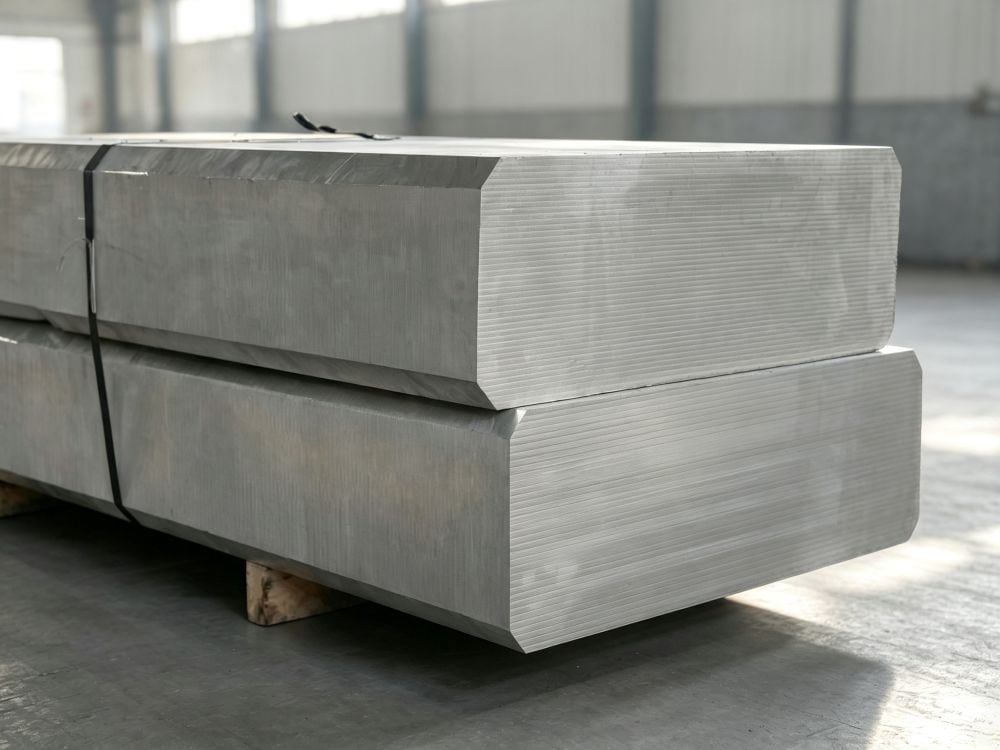

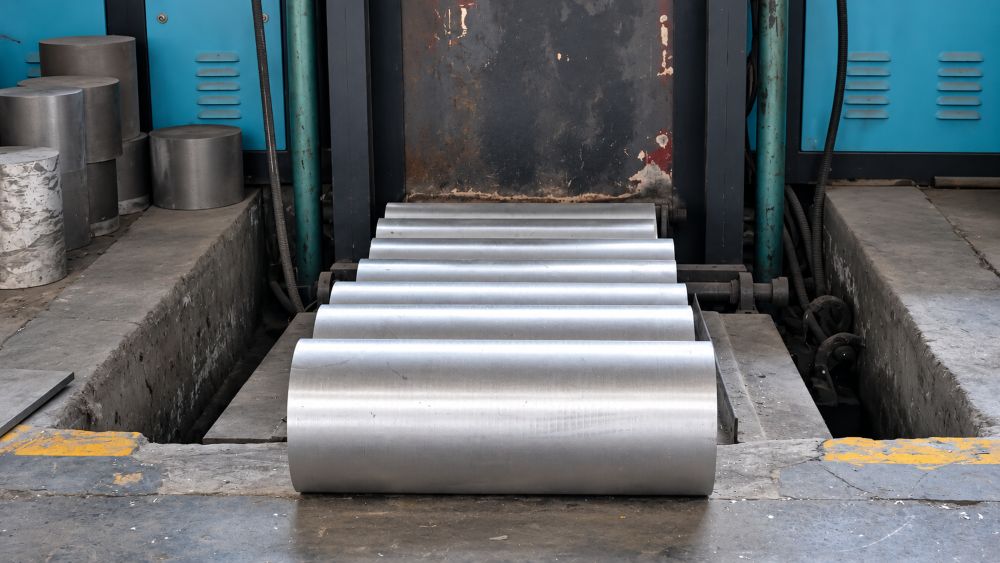
AZ80A is usually the better candidate when a wrought magnesium component needs higher strength and can accept a more demanding forming or forging route. AZ61A is often the more balanced choice when the part needs good strength, workable extrusion or forging behavior, and some tolerance for manufacturing complexity. AZ80A carries more aluminum and is commonly used in a strengthened condition such as T5. AZ61A is often supplied as-fabricated. The right grade comes down to the product form, required load, amount of forming, machining plan, and specification—not the alloy name alone.
Composition and supply condition
AZ80A and AZ61A are both wrought magnesium-aluminum-zinc alloys. The middle numbers indicate their approximate aluminum and zinc content. AZ61A is roughly Mg-6Al-1Zn. AZ80A is roughly Mg-8Al-0.5Zn.
That extra aluminum is the reason AZ80A is normally discussed as the stronger option. It can also respond well to a strengthening heat-treatment route. A common supply condition is AZ80A-T5, where the material has been artificially aged after fabrication.
AZ61A sits one step lower on the strength ladder. It is still a serious structural alloy, particularly in extruded shapes and forgings. The difference is that it usually gives a shop more room to work with the material before the part reaches its final condition.
| Alloy | Nominal aluminum | Nominal zinc | Typical wrought direction | Design shorthand |
|---|---|---|---|---|
| AZ61A | about 6–6.5 wt.% | about 1 wt.% | Extrusions, tube, bar, profiles, forgings | Balanced strength and workability |
| AZ80A | about 8–8.5 wt.% | about 0.5 wt.% | High-strength extrusions, bar, forgings, machined blanks | Higher strength where forming is limited |
On a real purchase order, the grade name is not enough. Actual chemistry limits, temper, and properties come from the applicable standard and the mill certificate. A drawing that says only “AZ80” or “AZ61” leaves too much open for a supplier to interpret.
Compare the same product form and condition
The most common comparison mistake is to pull an AZ80A-T5 value from one source and set it beside an AZ61A sheet or forging value from another. That may look like a clear win for AZ80A, but it is not a like-for-like material comparison.
The table below uses a single extrusion reference: ASTM B107-13 minimum expected properties for solid extrusions listed in a current Luxfer MEL Technologies guide. It makes the broad difference easy to see. It does not set the acceptance criteria for a new purchase order.
| Solid extrusion reference condition | Ultimate tensile strength | 0.2% yield strength | Elongation |
|---|---|---|---|
| AZ61A-F | 275 MPa | 150 MPa | 7% |
| AZ80A-T5 | 310 MPa | 205 MPa | 2% |
In other words, AZ80A-T5 buys a meaningful increase in tensile and yield strength in that reference condition. It gives up elongation. That is the decision in one glance, but it is not the whole project.
The direction of the grain matters. Extruded magnesium properties are often reported along the extrusion direction. A bracket loaded across the grain, a thin-walled tube, or a machined part with a deep pocket can behave differently from the clean test bar in the data sheet. The drawing should identify the load path when it matters.
AZ80A also should not be treated as a shortcut around good section design. If the part is flexing because it has a broad unsupported wall or a poor mounting pattern, changing alloys may not solve the real problem. Sometimes a rib, a different profile, or a better-supported machining plan does more than moving from AZ61A to AZ80A.
AZ61A is usually easier to live with during production
AZ61A is often a practical choice for structural extrusions, tubes, levers, brackets, and forged components that need more strength than AZ31B but still need a workable manufacturing route. It has long been used as a general-purpose wrought magnesium alloy for profiles and forgings.
That does not mean AZ61A is a room-temperature deep-drawing material. Magnesium alloys need respect in forming. But compared with AZ80A, AZ61A is generally the less difficult option when the project includes hot working, forming, straightening, or geometry that may need adjustment during development.
This matters when the part is not truly finished at the extrusion press. A profile may need to be bent, flattened locally, forged at one end, drilled, and then coated. The more secondary work it needs, the more valuable a balanced alloy can become.
AZ61A can also be a good fit for a rail or tube where the cross-section does most of the structural work. In that case, spending time on wall layout and section shape may be more useful than automatically stepping up to AZ80A. A slightly smarter profile can reduce weight and simplify the tooling at the same time.
For supply details and product forms, see Miji’s AZ61A magnesium alloy page. The drawing and project requirements should still be reviewed before a specific form or temper is quoted.
Where AZ80A earns its place
AZ80A makes sense when strength is the driver and the manufacturing route can support it. Typical directions include performance-oriented forged parts, heavy-duty extrusions, machined structural blanks, and components where limited space makes a larger section unattractive.
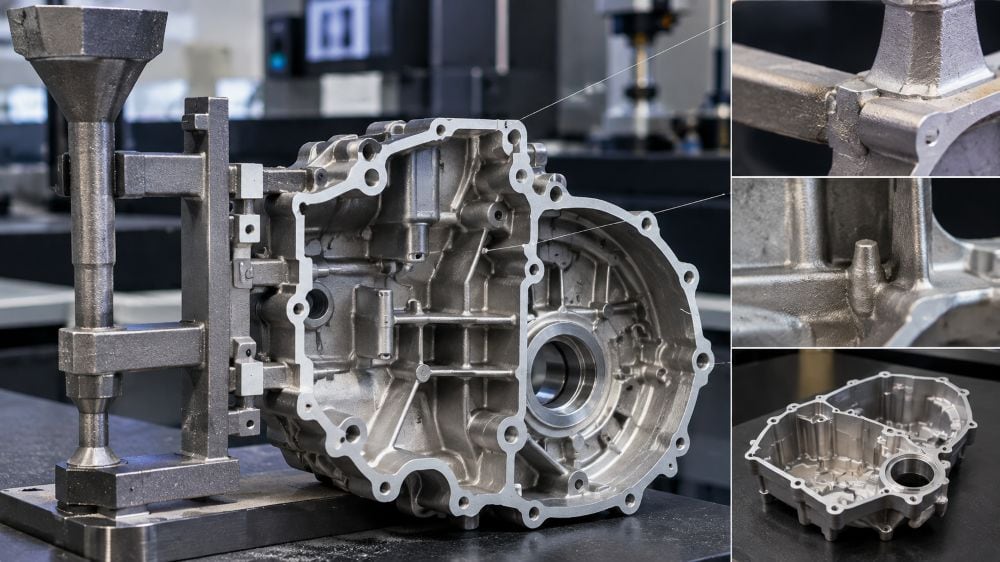
It is not a casting substitute. This comparison is about wrought material. A die-cast magnesium housing, a sand-cast part, and an AZ80A extrusion are different starting points with different internal-quality and tooling considerations. If a part needs thin walls, integrated ribs, and high production volume, a casting route may still be the first process to evaluate.
AZ80A is often worth discussing for a part with a clear load case: a compact arm, a bracket that sees repeated force, a sporting or mobility component, or a structural member where each gram matters. The added strength can help, especially when the part is already close to its available envelope.
There is a cost side to that decision. AZ80A material availability may differ from AZ61A. Forging or extrusion conditions may be tighter. Heat treatment adds a step. Straightening, distortion control, and machining fixture design may require more attention. The correct comparison is the cost of a finished, accepted part—not only the price of one kilogram of stock.
If the final component has machined datums, holes, pockets, or sealing faces, show them on the first RFQ. Magnesium removes readily with the right tools, but thin sections can move after stress is released. A part that looks rigid as a bar may not stay flat after a large pocket is machined into one side. Our AZ80A magnesium alloy page is a useful starting point for discussing high-strength supply options, not a replacement for the part review.
What happens after the profile is made
The choice between AZ80A and AZ61A should not be made by the designer alone and then handed to a shop as a fixed fact. The people responsible for extrusion, forging, machining, and coating need to see the same drawing early.
For an extrusion, start with wall thickness, corner radii, hollow sections, local pads, and straightness requirements. A profile with one heavy wall and several thin webs may be difficult regardless of the alloy. The extrusion die has to fill evenly, and the part needs to stay straight enough for the secondary operations.
For a forging, define which areas need grain flow, where flash or machining allowance can go, and how the part will be held during finishing. AZ80A may suit the load case, but a complex shape can still need a development forging and a heat-treatment trial before the final route is locked in.
For machining, state what must remain after the clamps come off. Flatness in a free state is different from flatness while the part is bolted to a fixture. That distinction is especially important for thin magnesium plates, rails, and open profiles. The same discussion applies to threads, press-fit areas, and surfaces that will receive conversion coating or paint.
Both alloys also need a real corrosion plan. Bare magnesium is not a casual outdoor material. Coating type, fastener isolation, drainage, sealing, and galvanic exposure should appear on the drawing or in the RFQ. Leaving those items open can produce two quotes that look comparable but include very different finished-part assumptions.
What a supplier needs at quote stage
A usable RFQ for AZ80A or AZ61A needs the grade plus the production route. Keep the request focused:
- Material standard, temper or condition, and required product form
- PDF drawing and 3D model, including the load-critical and cosmetic areas
- Minimum wall, bend, straightness, flatness, and machining requirements
- Heat treatment, coating, corrosion exposure, welding, and fastener-isolation needs
- Quantities, target schedule, material certificate, and inspection requirements
If the design is still deciding between AZ80A and AZ61A, define the product form before requesting both prices. A material that looks better on a property sheet may not make the cleaner or faster finished part.
For a broader process review, Miji’s magnesium extrusion page and magnesium forging page show the two routes most often considered for these alloys. Send the drawing before selecting the final grade. That is usually the cheaper point to discover a difficult feature or a material-form mismatch.