
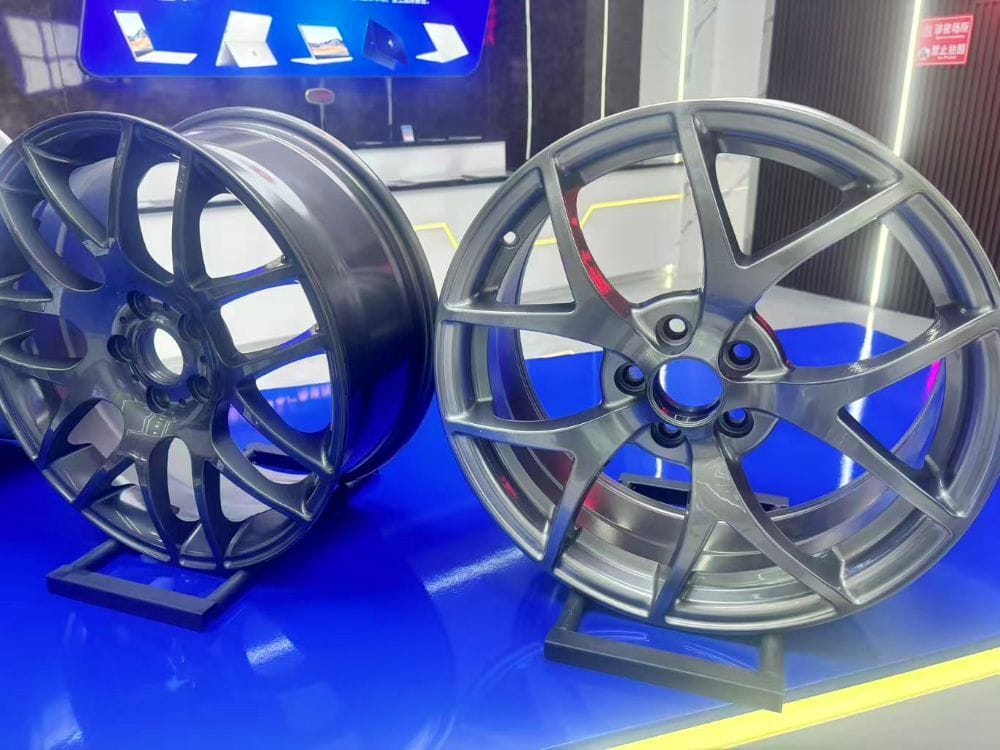
Forged magnesium wheels are usually the better choice when the project needs the lowest possible wheel weight, strong fatigue performance, and a well-controlled structure. Cast magnesium wheels can be the better choice when the design is complex or the budget cannot support a forged route. Neither is “better” without knowing the vehicle, load, use, and approval requirement. A road wheel and a track-only wheel should not be judged by the same shortcut.
What Is a Forged Magnesium Wheel?
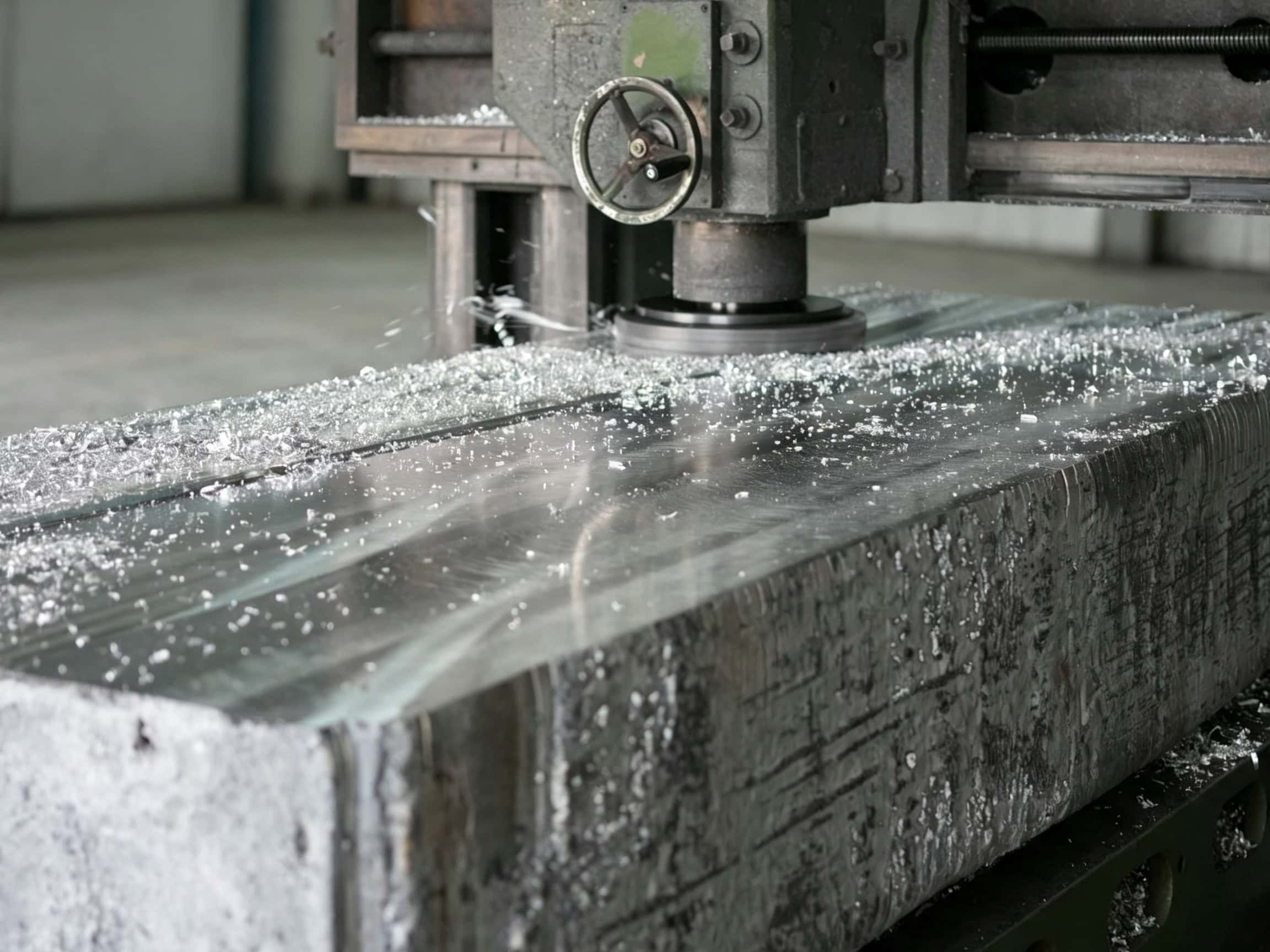
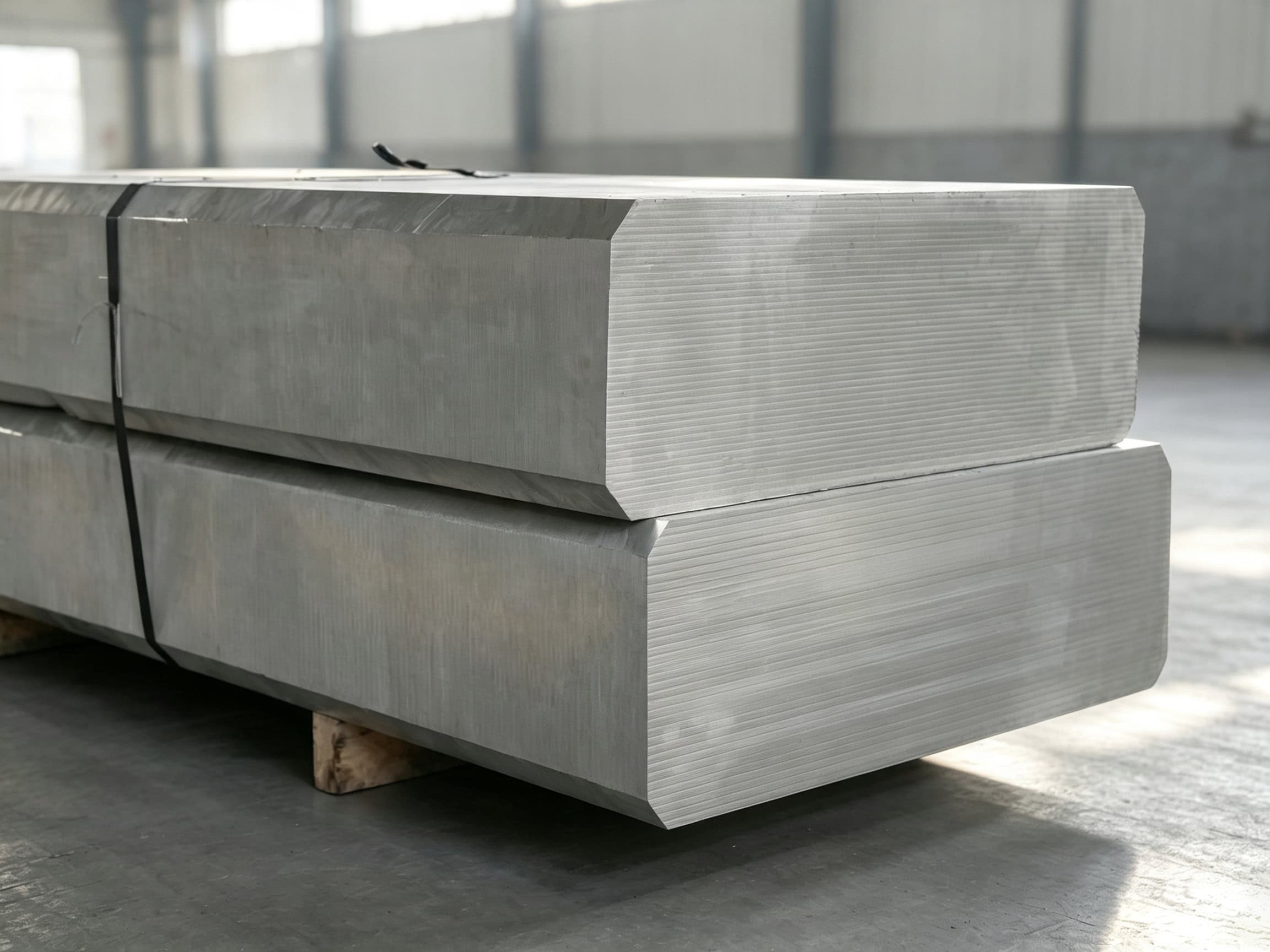
A forged magnesium wheel starts with magnesium alloy stock rather than liquid metal. The material is heated and shaped under pressure, then the wheel is finish-machined. The forging process changes the starting structure of the material. For a wheel designer, that can make it possible to place material where the load path needs it without carrying unnecessary mass elsewhere.
The final wheel is not simply a forged blank with holes drilled into it. Spokes, rim sections, hub interfaces, valve features, and brake clearance all have to be machined and inspected. The forging route works best when the wheel programme can justify that engineering and manufacturing effort.
This is why forged magnesium is common in serious motorsport and specialist performance work. Reducing mass at the wheel can improve suspension response and reduce rotating inertia. Those gains are meaningful only when the wheel still has adequate stiffness, fatigue life, and impact performance for the vehicle.
Forging does not make every thin-spoke design possible. A wheel sees repeated bending, braking, cornering, curb strikes, and heat from the brakes. A large brake package with a narrow spoke window may need a different route from a wheel designed mainly around appearance.
What Is a Cast Magnesium Wheel?
A cast magnesium wheel is made by filling a mold with molten magnesium alloy and allowing it to solidify into the wheel shape. The casting is then cleaned, heat treated if required, machined at critical areas, and coated. Casting can create shapes that would take a lot of machining to make from a forged blank.
The route has real advantages. It can suit detailed spoke shapes, enclosed features, and production programs where tooling is spread over enough wheels. Casting also reduces the amount of magnesium removed as chips compared with cutting a wheel from a large solid block.
The hard work is in the mold and process design. Thick hub areas do not cool at the same rate as thin spokes or rim sections. Gates, feed locations, venting, and solidification control affect internal quality. A wheel cannot be approved from its outside appearance alone.
For this reason, a cast magnesium wheel needs a clear inspection plan. The relevant checks depend on the design and intended use. They may include dimensional checks, material verification, NDT, fatigue testing, impact testing, and coating inspection.
Forged vs. Cast Magnesium Wheels
The difference between forged and cast wheels becomes clearer when comparing their manufacturing methods.
Cast wheels are created by pouring molten metal into a mold and allowing it to solidify. While this approach is efficient and cost-effective, the cooling process can introduce small imperfections within the material structure. To compensate, cast wheels often require additional material thickness to maintain strength.
Forged wheels take the opposite approach.
Because the material is compressed rather than poured, the structure becomes more uniform and resilient. Engineers can design thinner sections without sacrificing structural integrity, which leads directly to lower overall weight.
In practical terms, this means forged wheels typically provide:
- Higher strength relative to their weight
- Improved resistance to cracking under repeated stress
- Greater durability during aggressive driving
- Reduced mass compared with similarly sized cast wheels
For performance vehicles, that weight reduction alone can noticeably improve how the car behaves.
Why Material Choice Matters: Aluminum and Magnesium
Aluminum remains the common choice for forged performance wheels because it has a mature supply chain, familiar manufacturing routes, and good corrosion resistance. It is often the more economical material for a road wheel.
Magnesium offers lower density. Magnesium itself is about 1.74 g/cm³, while aluminum is roughly 2.70 g/cm³. Finished wheel weight does not follow this ratio exactly, but magnesium gives the design team more room to reduce mass when the alloy, wheel geometry, and production route are right.
That advantage is valuable at the wheel because it affects unsprung mass. The suspension has less mass to control over surface changes, and the vehicle has less rotating mass at the outer edge of the drivetrain. Drivers may notice a quicker steering response or a more direct feel, but the result depends on the whole wheel-and-tire package, not the wheel material alone.
Magnesium brings different responsibilities. It needs an appropriate coating system, protection at interfaces with other metals, and defined handling during machining and repair. Road salt, standing moisture, damaged paint, and poor mounting details can all shorten service life. A magnesium wheel should be designed and maintained as a magnesium component from the beginning.
That does not mean the wheel needs a complicated finish specification copied from an unrelated project. It means the coating, hub contact faces, fastener areas, and intended environment need to be agreed before the first production wheel is released.
Where Forged Magnesium Wheels Make Sense
Forged magnesium makes the most sense where wheel mass has a clear engineering value. Racing teams, limited-production performance vehicles, and high-end development programmes may have a reason to spend more on a wheel that saves weight without giving up load capacity or durability.
It is not a universal replacement for aluminum. The cost is higher, qualified production capacity is narrower, and road approval takes serious testing. For many normal road cars, a forged aluminum wheel remains the sensible choice.
Larger brake packages, added safety equipment, and battery weight leave vehicle engineers looking for mass they can remove without compromising the part. Wheel mass is one place where forged magnesium can be worth reviewing.
Modern road-wheel approval work reflects that responsibility. Magnesium alloy wheels for regulated road use may need corrosion, rotating-bending, rolling, and impact testing. Wheel size, offset, tire compatibility, hub location, and brake clearance must also match the vehicle. A wheel that looks right is not necessarily a wheel that fits or performs safely.
Conclusion
Forged magnesium is usually the stronger option for a weight-driven performance programme. Casting can be the better route when the wheel shape and production plan support it. The decision should follow the vehicle data: wheel dimensions, axle loads, tire size, mounting interface, brake package, use environment, and approval target. Those details decide the route more reliably than a material label or a wheel render.
Frequently Asked Questions
Are forged magnesium wheels better than cast magnesium wheels?
Forged magnesium wheels are usually better for weight-focused motorsport or high-performance projects. Cast magnesium wheels can be a practical choice when the design is complex and the production volume supports casting tooling.
Are magnesium wheels lighter than aluminum wheels?
Usually, yes. Magnesium has lower density than aluminum, so a well-engineered magnesium wheel can reduce wheel weight. The final difference depends on the wheel size, load rating, spoke design, and safety margin.
Can magnesium alloy wheels be used on road cars?
Yes, but only when the wheel is designed, coated, tested, and approved for that specific road application. A track-only magnesium wheel should not be used on public roads without the required validation.
Do magnesium wheels corrode easily?
Magnesium needs suitable surface protection. Road salt, moisture, damaged coatings, and contact with other metals can cause corrosion problems if the wheel is not properly protected and maintained.
What information is needed for a custom magnesium wheel project?
Provide wheel diameter and width, offset, bolt pattern or center-lock details, hub bore, axle loads, tire size, brake clearance, intended use, and required approval standard.