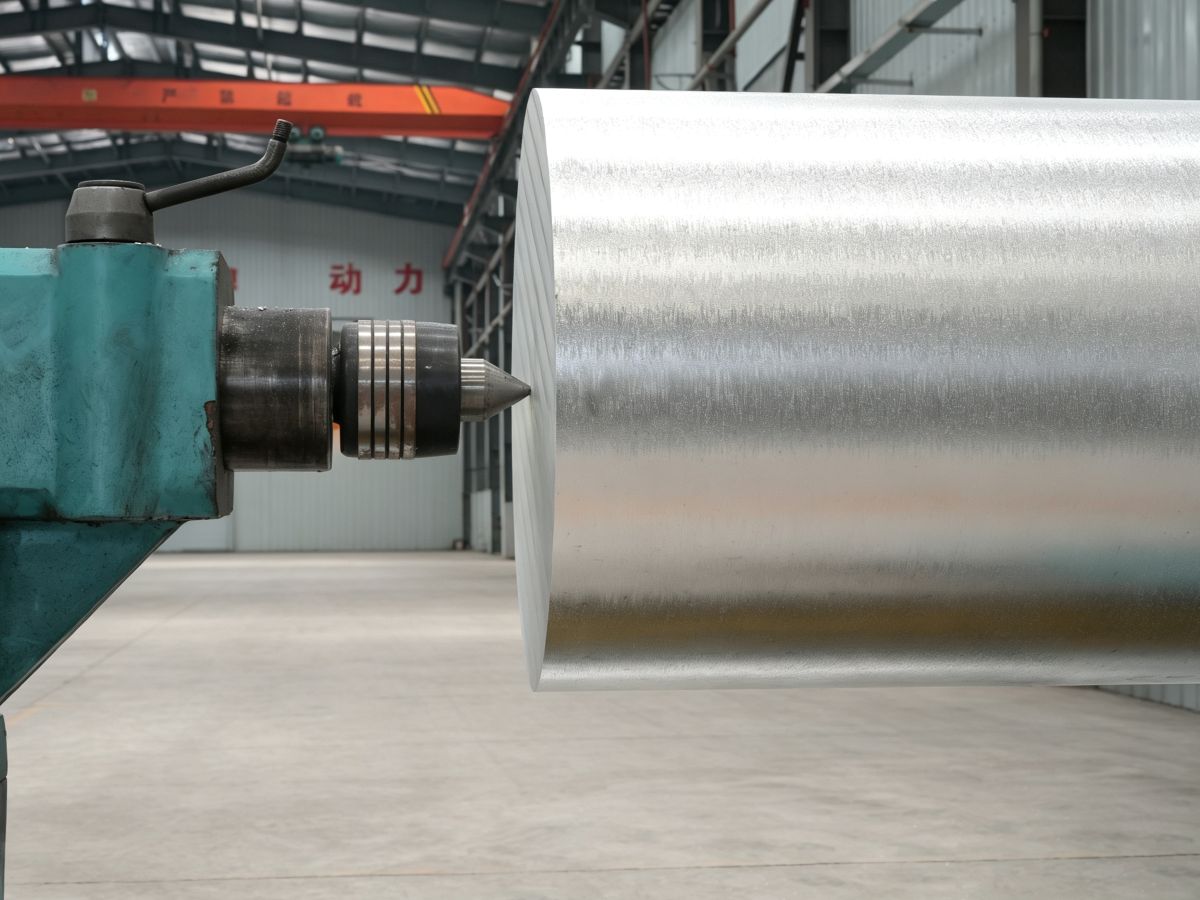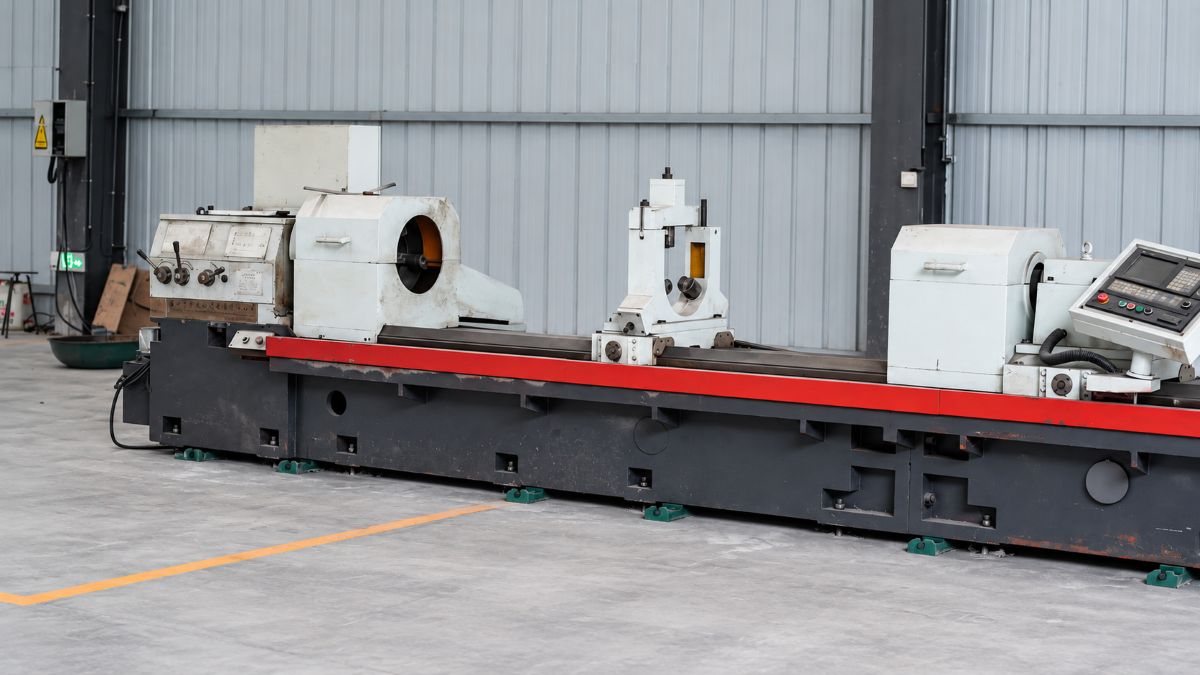

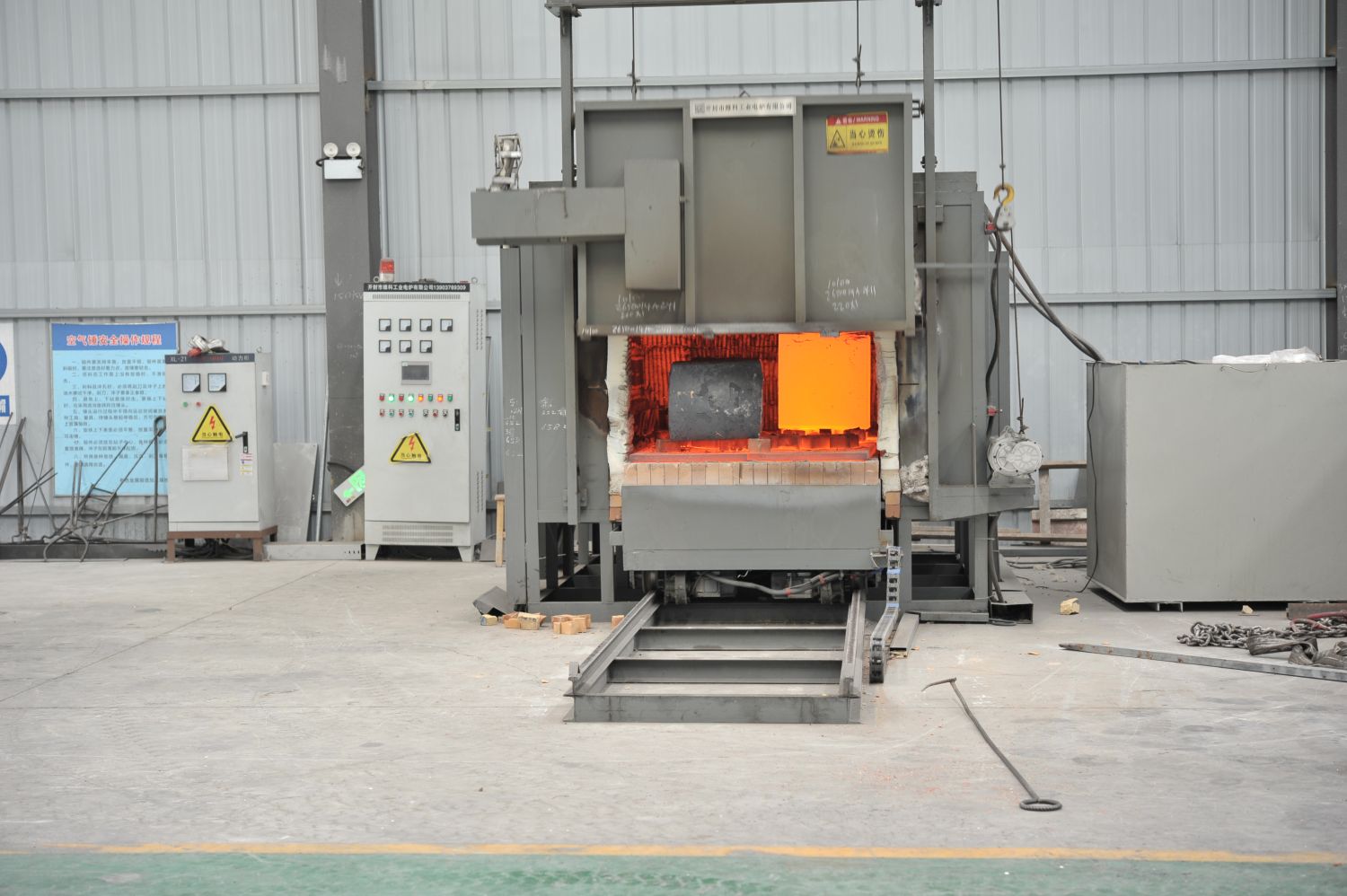
Grain refinement is an important melt treatment process for aluminum alloy casting.
It adds a small amount of refining material into the melt. These materials create nucleation points and help form fine aluminum or aluminum alloy grains during solidification.
For buyers of aluminum alloy casting, grain refinement directly affects strength, ductility, feeding performance, and defect control.
Why Grain Refinement Matters
Fine grains can improve the mechanical performance of cast aluminum alloys.
They also improve melt fluidity and reduce common casting defects such as cold shuts, cracks, segregation, and local shrinkage.
A refined grain structure helps the casting solidify more evenly. This supports better feeding and makes the final casting denser.
What Affects Aluminum Alloy Grain Size
Aluminum alloy grain size is mainly affected by two factors:
- Melting process
- Grain refining agent
When the melt is overheated, grains may become coarse. This happens because some insoluble nucleation particles dissolve or lose activity at high temperature.
For production control, melting temperature should be kept as low as practical.
Typical temperature control suggestions include:
- Al-Cu alloys: not above about 800°C
- Al-Si alloys: not above about 750°C
- Al-Mg alloys: not above about 700°C
Holding time also matters. Long holding time can weaken refining performance, especially at higher temperatures.
Titanium Grain Refinement
Titanium is one of the most widely used grain refiners for aluminum alloys.
A small addition of titanium can refine aluminum grains. One common explanation is that titanium forms TiAl3 or TiC particles in the melt.
These particles are stable at high temperature and have a good crystallographic relationship with aluminum. They can act as nucleation sites during solidification.
For many aluminum alloy materials, titanium-based refinement helps improve grain uniformity and casting consistency.
Titanium and Boron Combined Refinement
The combined use of titanium and boron often gives a stronger refining effect than titanium alone.
Ti-B refiners may form particles such as TiB2 and AlB2. These particles can help create more nucleation points in the melt.
In practical testing, Al-5%Ti-1%B master alloy showed strong grain refining performance for aluminum alloys.
However, particle size is important. If TiB2 or TiAl3 particles are too large, the refining effect can drop sharply.
Zirconium Refinement
Zirconium can also refine aluminum alloy grains.
It is especially useful in some Al-Mg alloy systems. In certain tests, zirconium showed better refinement than titanium.
Zirconium refiners can be added through master alloys or salt-based refiners. Proper process control is needed to keep the refining effect stable.
Main Ways to Add Refining Elements
Grain refining elements can be added in several forms:
- Master alloys
- Salt mixtures
- Master alloy rods or wires
- Gas-phase materials
Master alloy addition is widely used. It is simple and has a long history.
However, master alloys can introduce composition segregation if they do not dissolve or disperse well.
Salt-based refiners are increasingly used because they can react more evenly in the melt and reduce certain handling problems.
Salt-Based Grain Refiners
Common salt-based grain refiners include:
- K2TiF6
- K2ZrF6
- KBF4
These salts can introduce Ti, Zr, or B into aluminum melt.
Compared with master alloy refiners, salt-based refiners often offer several advantages:
- Lower addition amount
- Stable reaction
- Good refining effect
- Strong resistance to fading
- Less risk of refining element segregation
- Better melt purification support
For aluminum alloy grain refinement, salt refiners can be especially useful when production needs stable and repeatable results.
Mixed Salt Refiners
Mixed salt refiners can improve both grain refinement and melt purification.
Some formulas combine titanium salts, boron salts, chloride salts, and C2Cl6.
During reaction, these materials can generate active gases and compounds that help disperse the salts and support melt purification.
They may also help remove dissolved hydrogen and reduce casting porosity.
Some mixed salt refiners can form dispersed TiC and ZrC particles. These fine particles improve nucleation and strengthen the refining effect.
Why Stirring Is Important
If refiners are not evenly distributed, the casting may show uneven grain size.
This is especially important when using high-melting master alloys such as Al-Ti, Al-B, or Al-Zr.
Without enough stirring, particles such as TiAl3 and ZrAl3 may segregate. This can reduce mechanical properties and create inconsistent casting quality.
For stable production, the refiner must be fully dispersed before pouring.
Practical Advice for Buyers
When sourcing aluminum or magnesium alloy products, buyers should ask how the supplier controls grain refinement.
Useful questions include:
- What grain refiner is used?
- Is titanium, boron, zirconium, or mixed salt refinement applied?
- How is melt temperature controlled?
- How long is the melt held before pouring?
- Is the melt stirred after refiner addition?
- How is porosity controlled?
These questions help you judge whether the supplier can deliver stable casting quality.
Conclusion
Grain refinement is a key step in aluminum alloy casting.
It improves grain structure, supports better feeding, and reduces casting defects. Titanium, boron, zirconium, and salt-based refiners can all be used depending on alloy type and production needs.
For industrial buyers, a supplier with strong melt treatment control can provide more reliable aluminum and magnesium alloy materials for demanding applications.